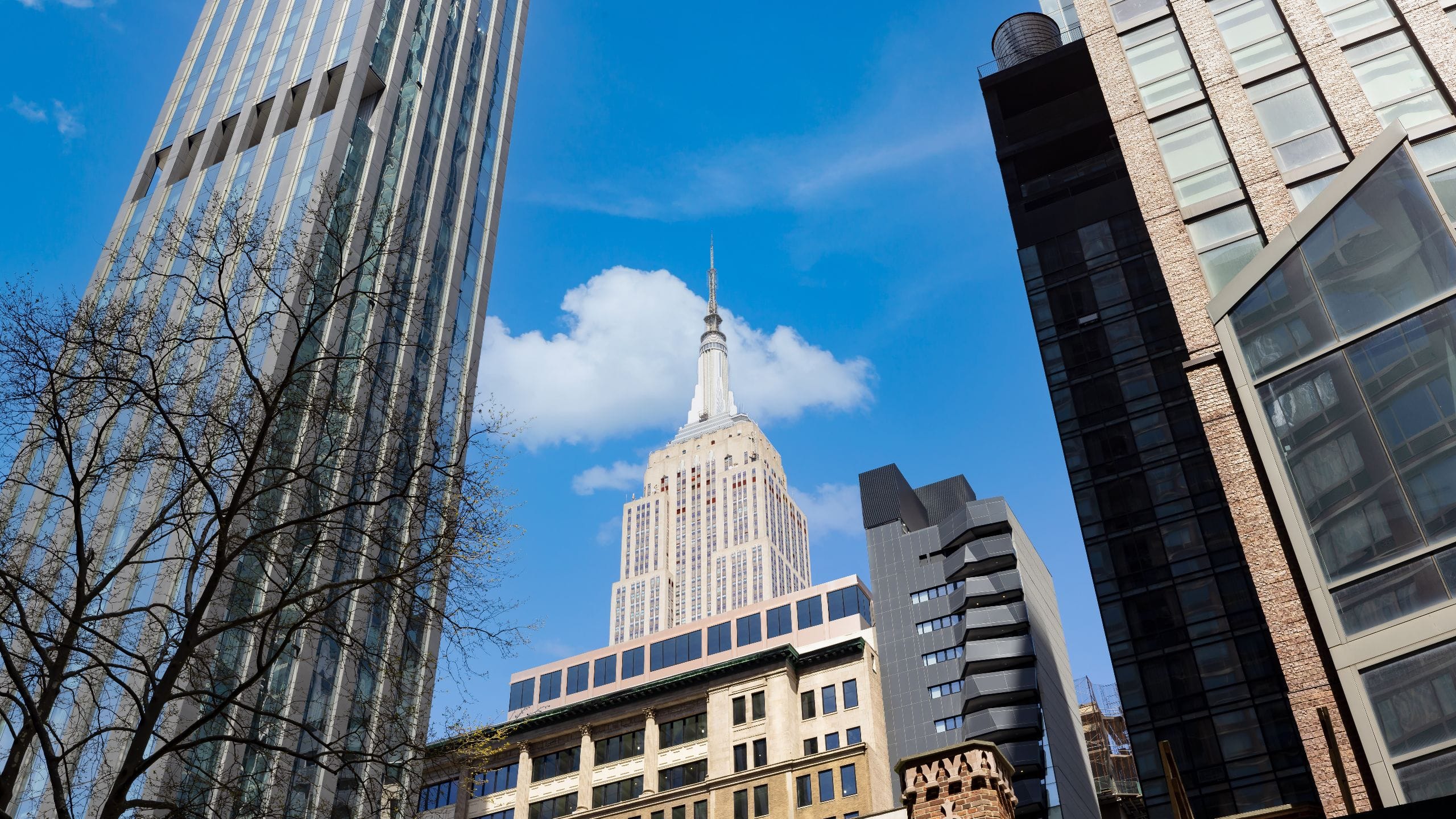
Hotel Seville NoMad has had a front-row seat to New York’s favorite pastime: reinvention. When the hotel opened in 1904, this stretch of Madison Avenue was becoming one of Manhattan’s most desirable addresses. The subway had arrived. Grand hotels, theaters, restaurants and department stores were transforming the neighborhood around Madison Square into a place where society figures, traveling salesmen, actresses and ambitious arrivistes all crossed paths. Built in the Beaux-Arts style and positioned just far enough from the noise, the hotel quickly established itself as a symbol of New York’s new confidence. Guests checked in for a night and stayed for months. The city itself seemed to pass through the lobby. More than a century later, the building remains what it was built to be: a stylish witness to New York’s endless capacity to become something new.

The Seville wasn’t built for old New York. It was built for the next one. At the turn of the twentieth century, the blocks surrounding Madison Square were in the midst of a remarkable transformation. Mansions and churches gave way to hotels, office buildings, restaurants and entertainment venues. Fifth Avenue shopping was nearby. Grand Central brought a steady stream of visitors. The Seville arrived with scale, comfort and a sense of occasion. Marble floors, elegant dining rooms, private suites and a roof garden helped establish the hotel as one of the neighborhood’s most sought-after addresses. In an era fascinated by progress, the Seville represented a new style of urban luxury: sophisticated and social.

Within a few years, demand had grown enough to require an expansion, and a substantial annex opened in 1907, dramatically increasing the hotel’s capacity. For decades, the Seville occupied a unique place in neighborhood life. Long before NoMad became shorthand for design studios, destination restaurants and boutique hotels, the Seville was already serving as a gathering place for people drawn to the energy of the district. Guests arrived by train, settled in for business, attended the theater, entertained friends or simply watched the city unfold from one of Manhattan’s most dynamic corners.

No New York landmark survives for more than a century without adapting. As the city moved northward in the decades after World War II, many of the neighborhood’s historic hotels faced an uncertain future. The Seville was no exception. It evolved, changed hands, weathered new eras and eventually became the Carlton, reflecting yet another chapter in the city’s ever-changing story. In the early 2000s, extensive renovations began uncovering elements of the hotel’s original grandeur. Among the most incredible discoveries was a stained-glass Tiffany dome hidden above a dropped ceiling for decades.

Some buildings define a neighborhood. Others outlast several versions of it. With its red brick façade, limestone detailing, iron balconies and distinctive curved windows, the Seville remains one of NoMad’s most recognizable architectural landmarks. Its Beaux-Arts design speaks to a period when New York was determined to present itself as one of the world’s great cities—ambitious, cultured and unapologetically grand. In 2018, the building was designated a New York City landmark, formally recognizing what generations of New Yorkers already knew.

Today, Hotel Seville NoMad continues the story. Guest rooms and suites reinterpret the romance of old New York through a contemporary lens, pairing residential comfort with thoughtful design and views across one of Manhattan’s most compelling neighborhoods. The atmosphere feels distinctly downtown—creative, layered and quietly confident. More than 120 years after its first guests arrived, Hotel Seville NoMad remains exactly what it has always been: a place for people drawn to the endless potential of New York City.