A Dance Before It Was a Hotel
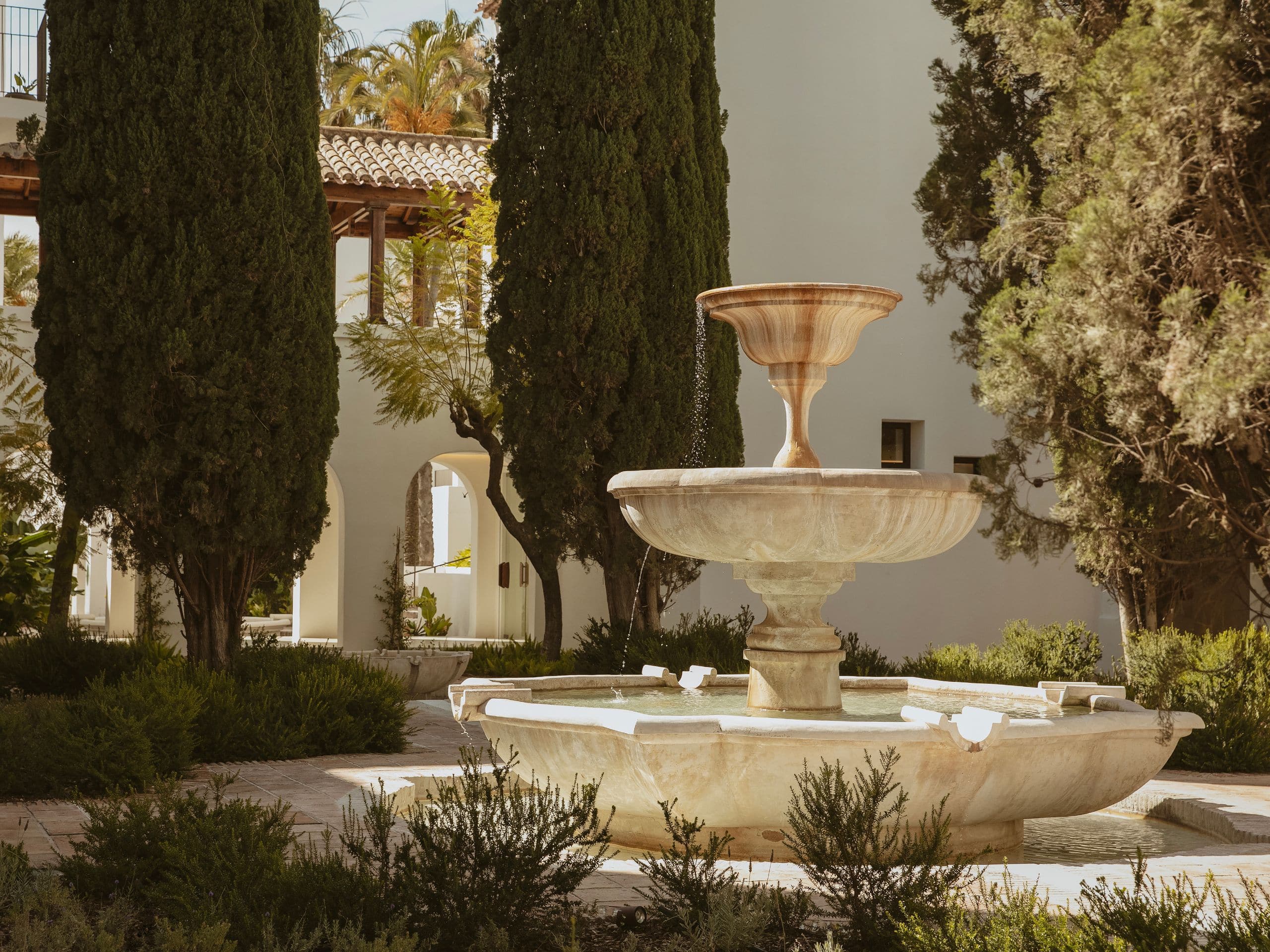
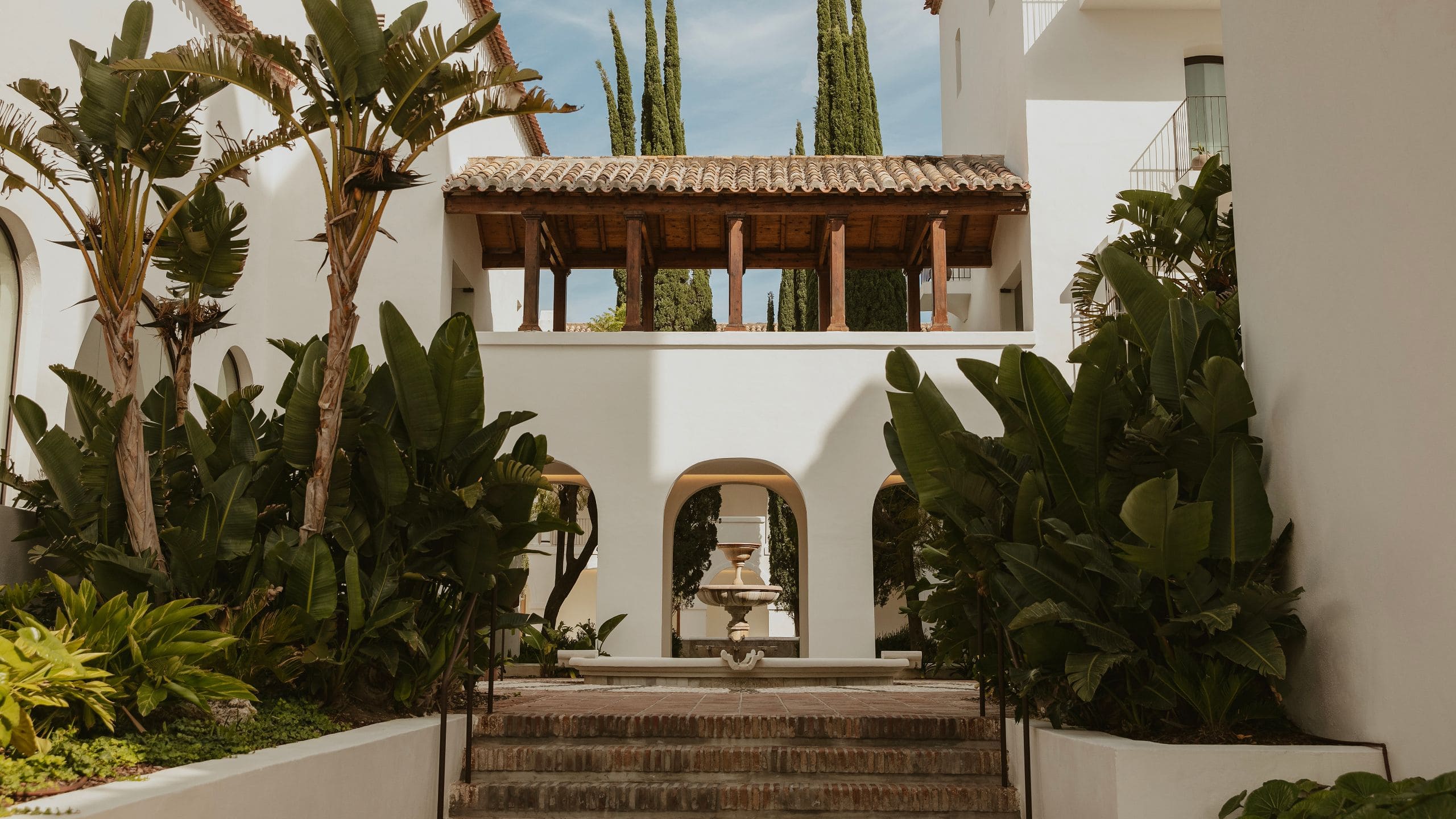
Opened in 1986, this address became one of the Costa del Sol's most sought-after through the 1980s and 90s — a retreat royalty and the wider jet-set chose as much for its privacy as anything else. It kept the name Byblos until 2022; what survived the change were the blue towers and the white façade, the parts of the building nobody wanted to lose in translation.
The name that replaced it comes from a flamenco form born among the Roma communities of Granada and Almería — danced barefoot, in a knotted blouse and a long skirt cut to move like something closer to flight than dance. A zambra was never staged for an audience; it was a way of setting the day's concerns down long enough to actually enjoy the night. The hotel took the name because that instinct — privacy, then abandon — was already the point of the place.