Met Hotel La Paz
Attitude at high altitude
South of downtown
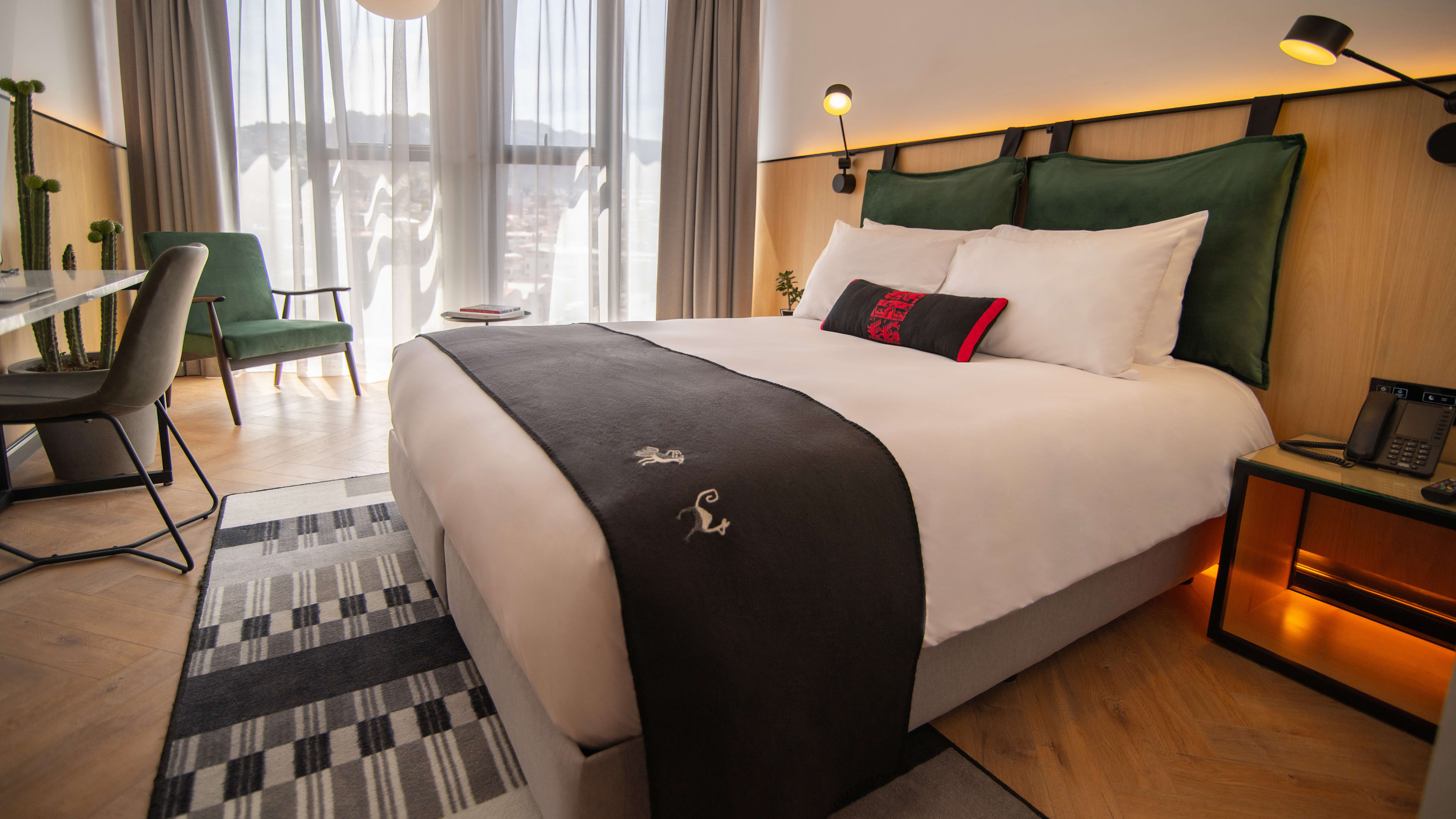
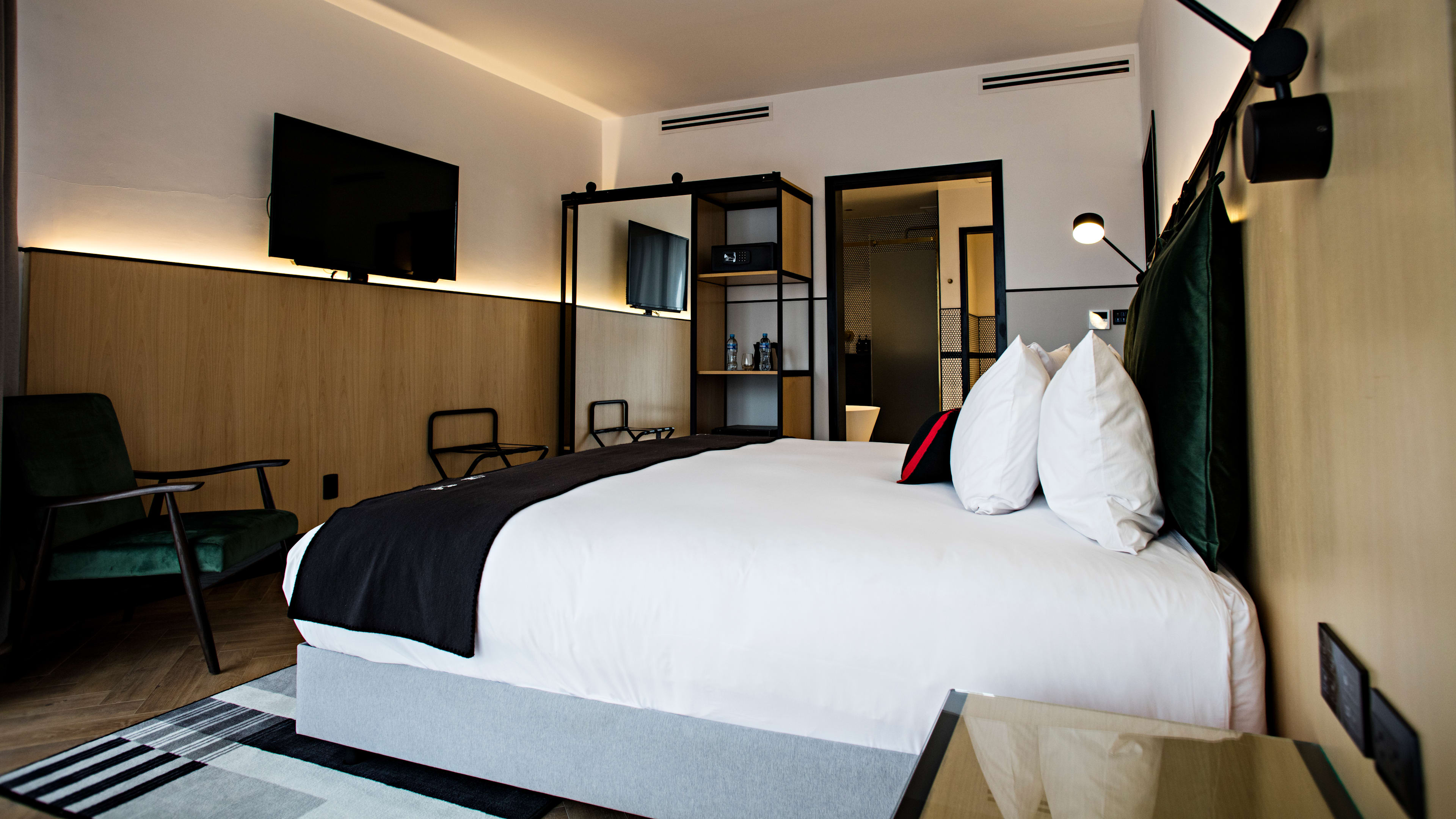
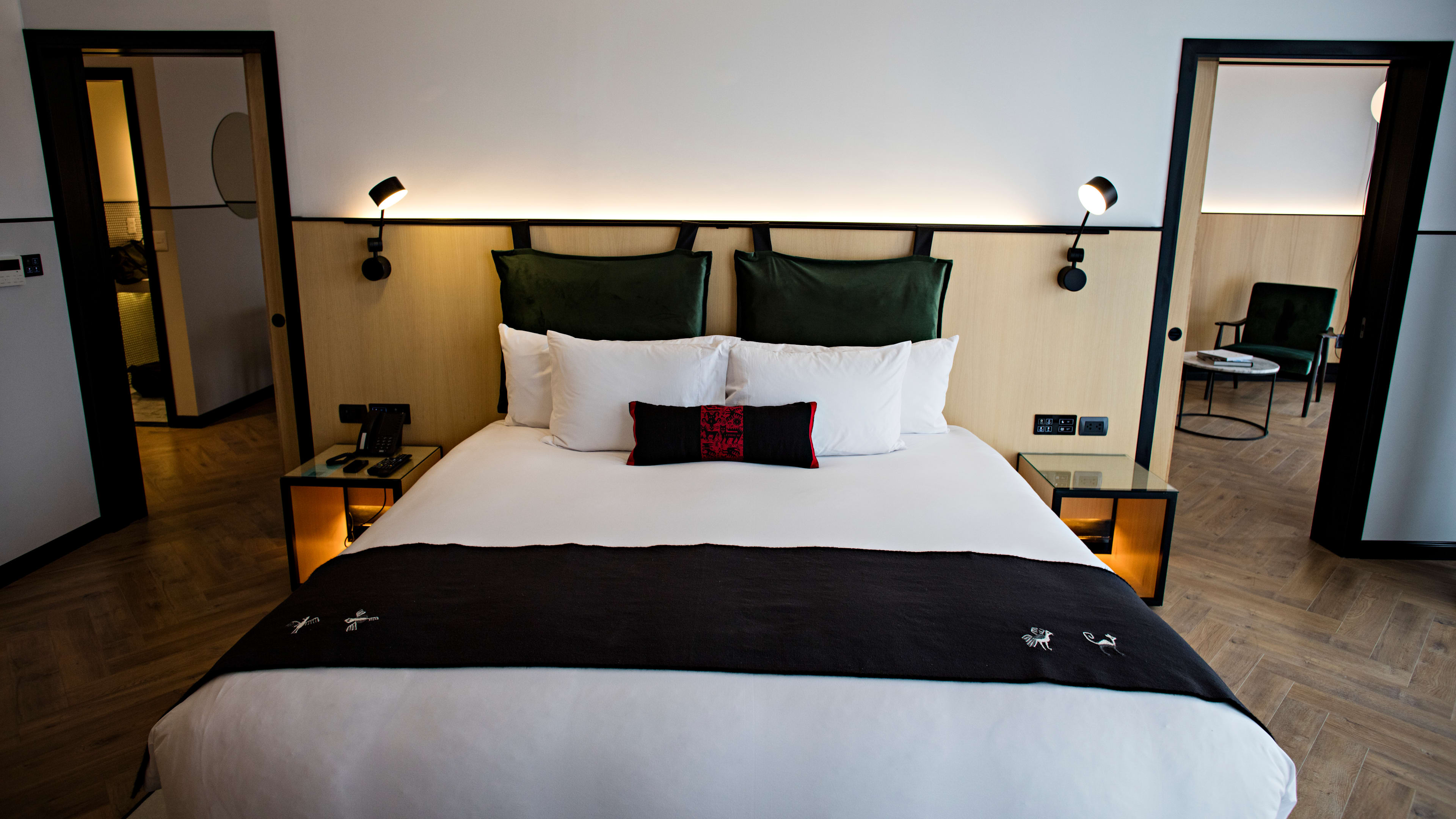
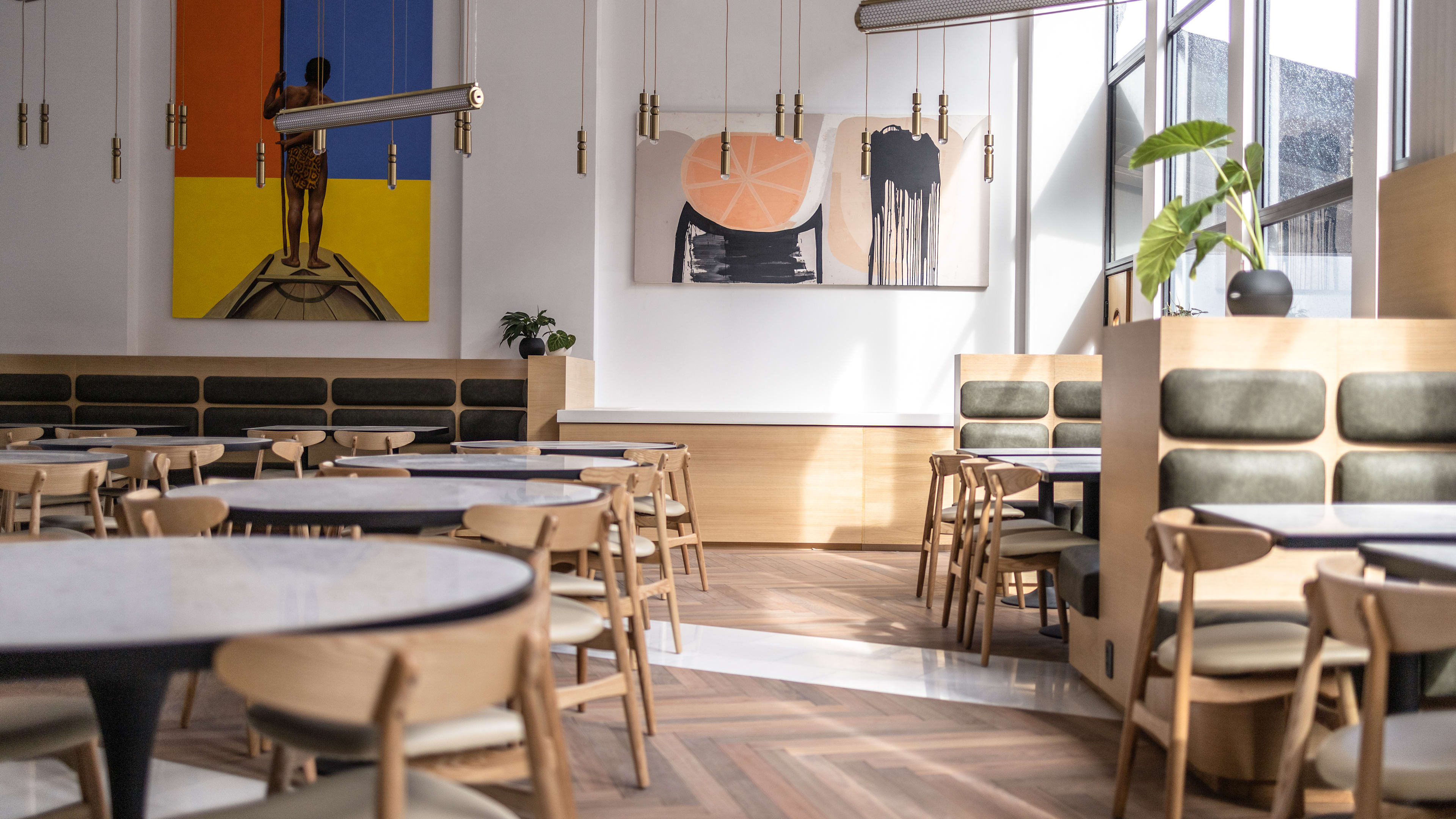
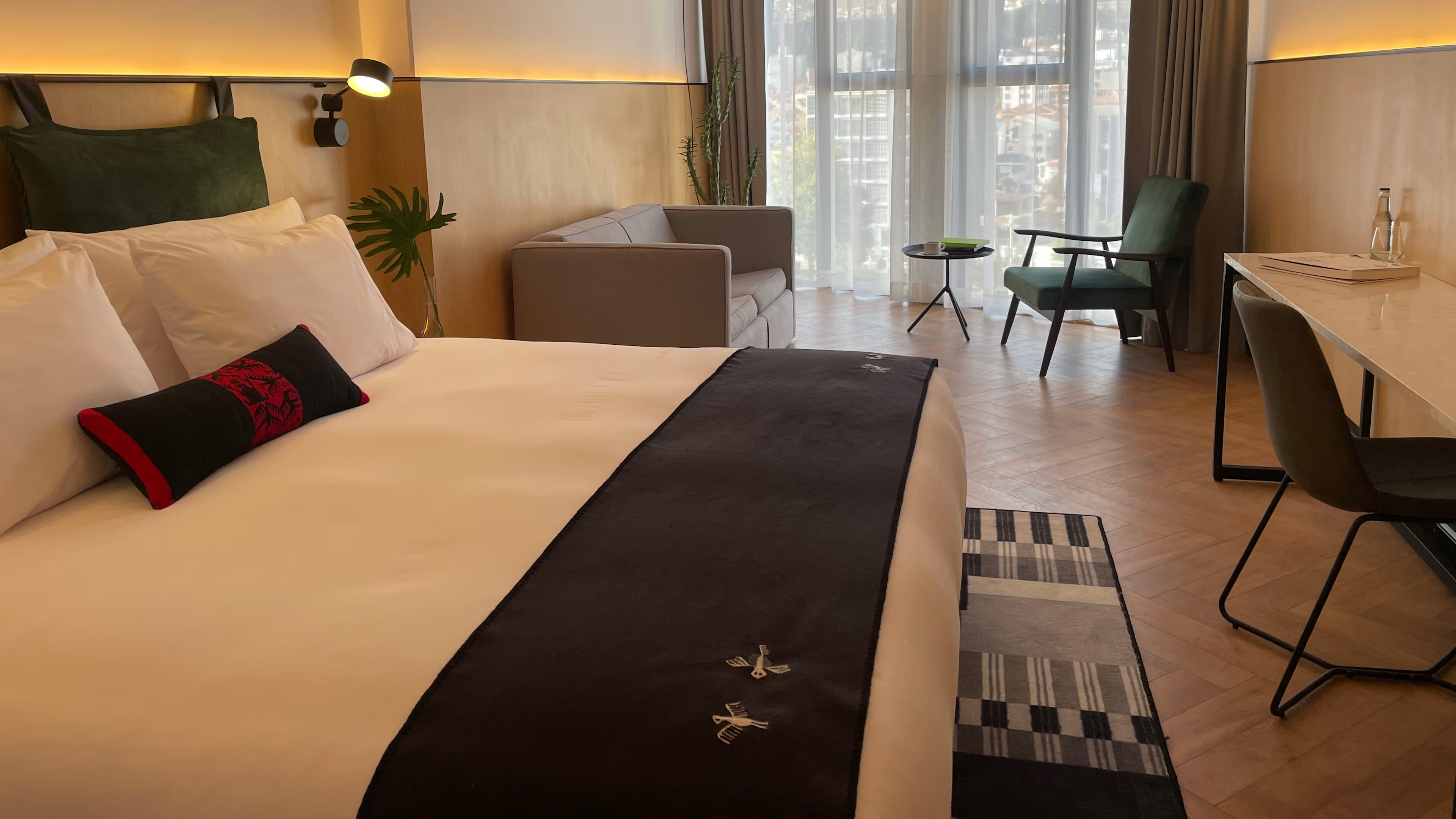
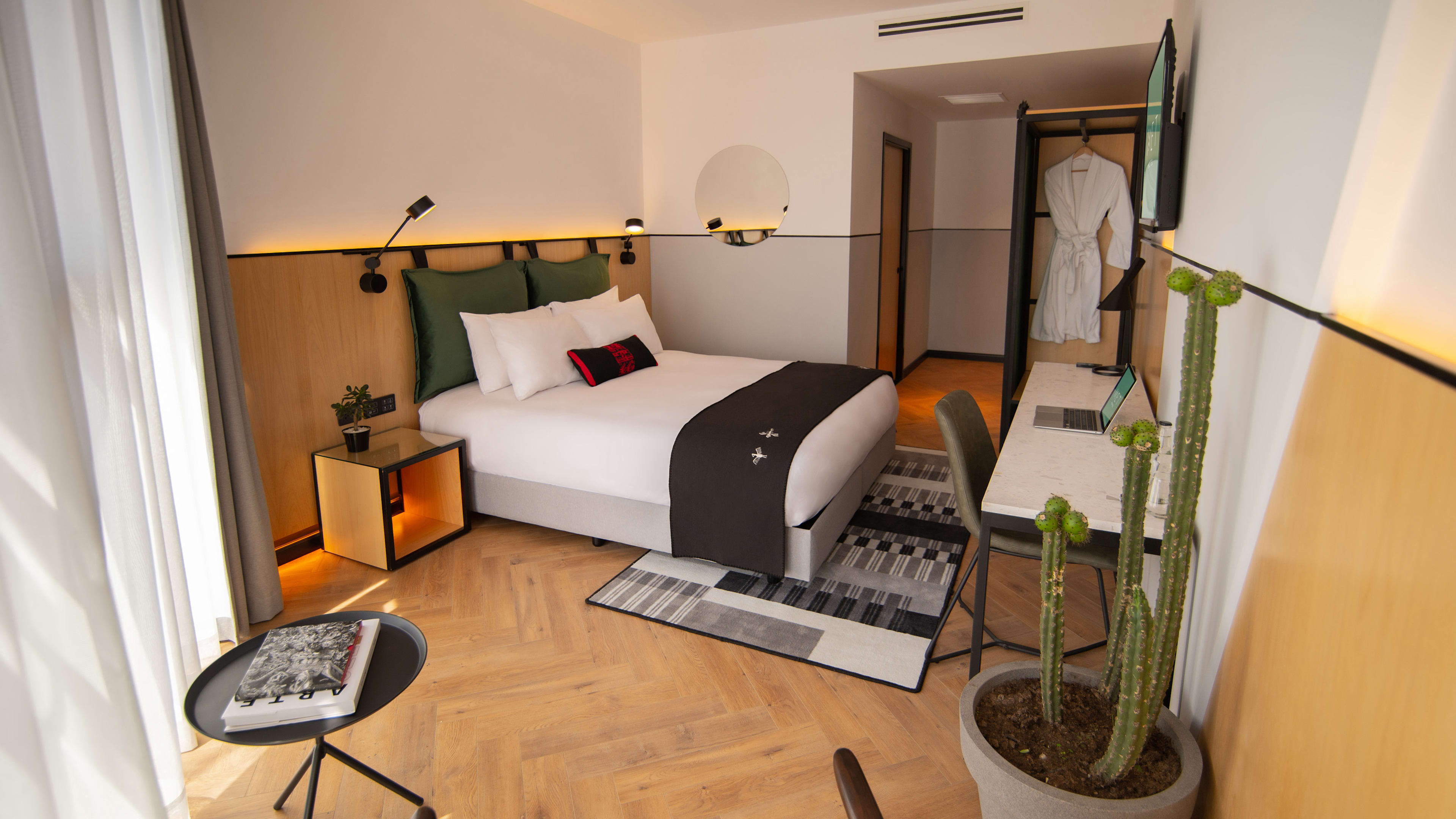
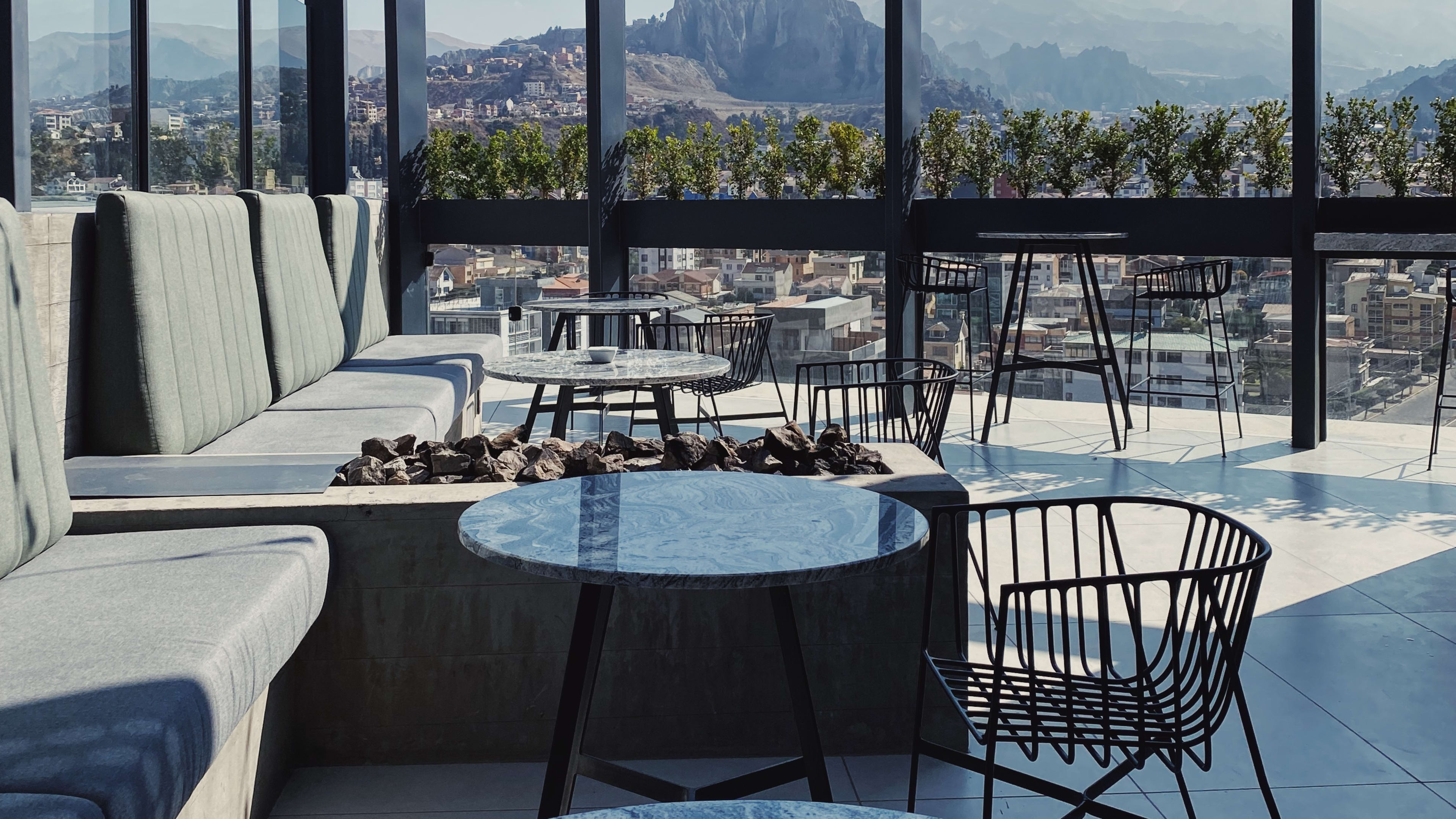
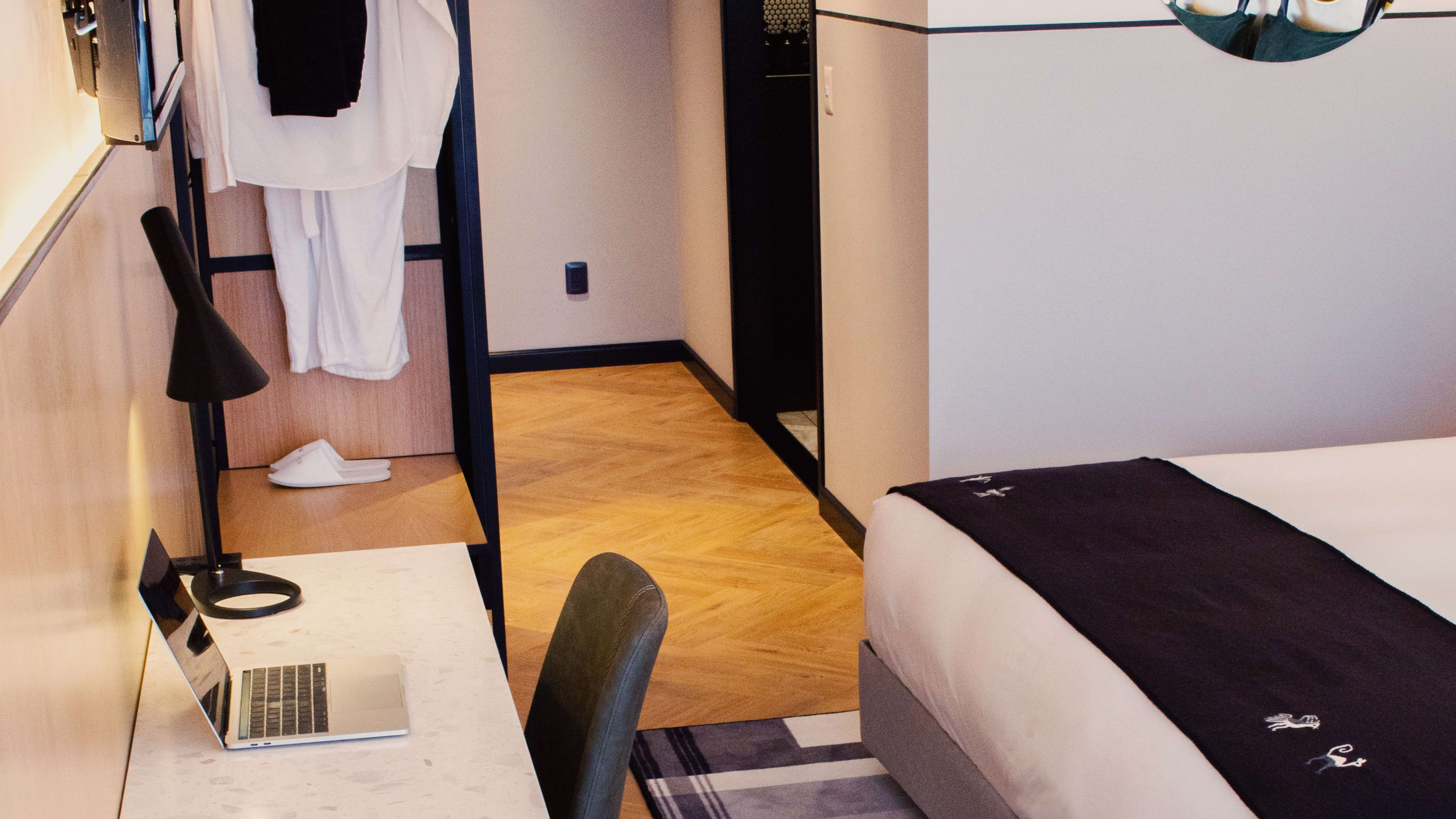
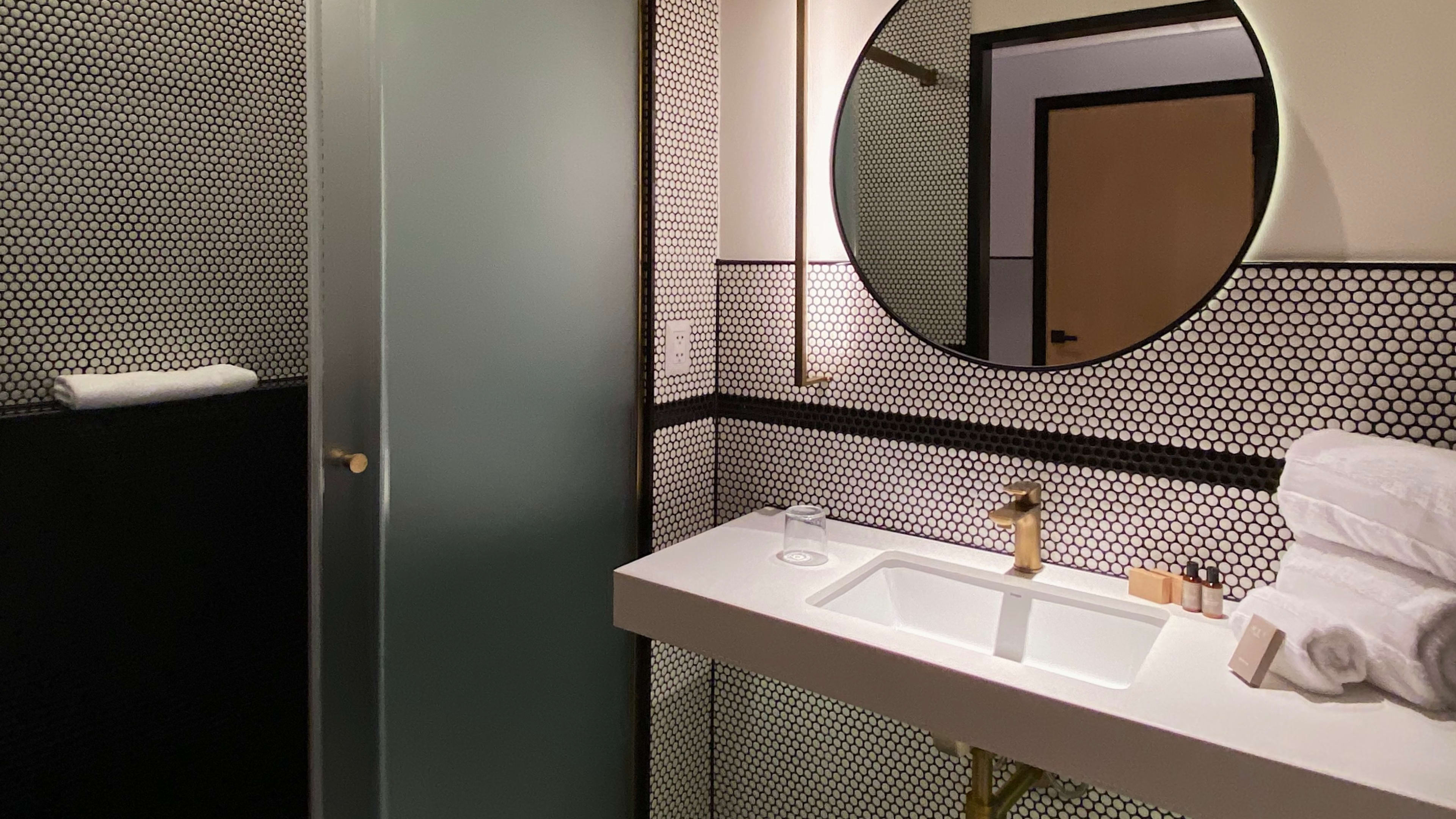
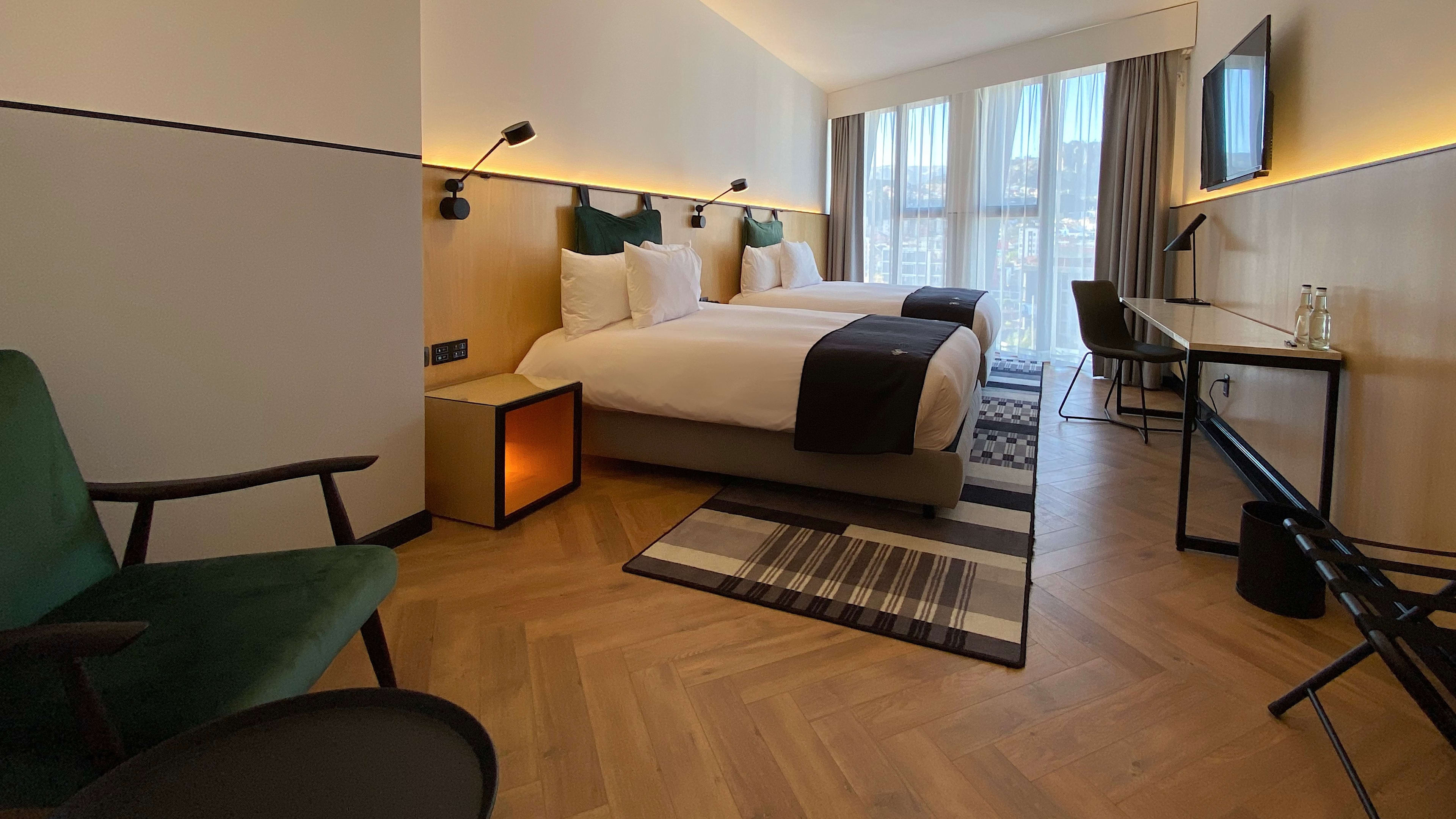
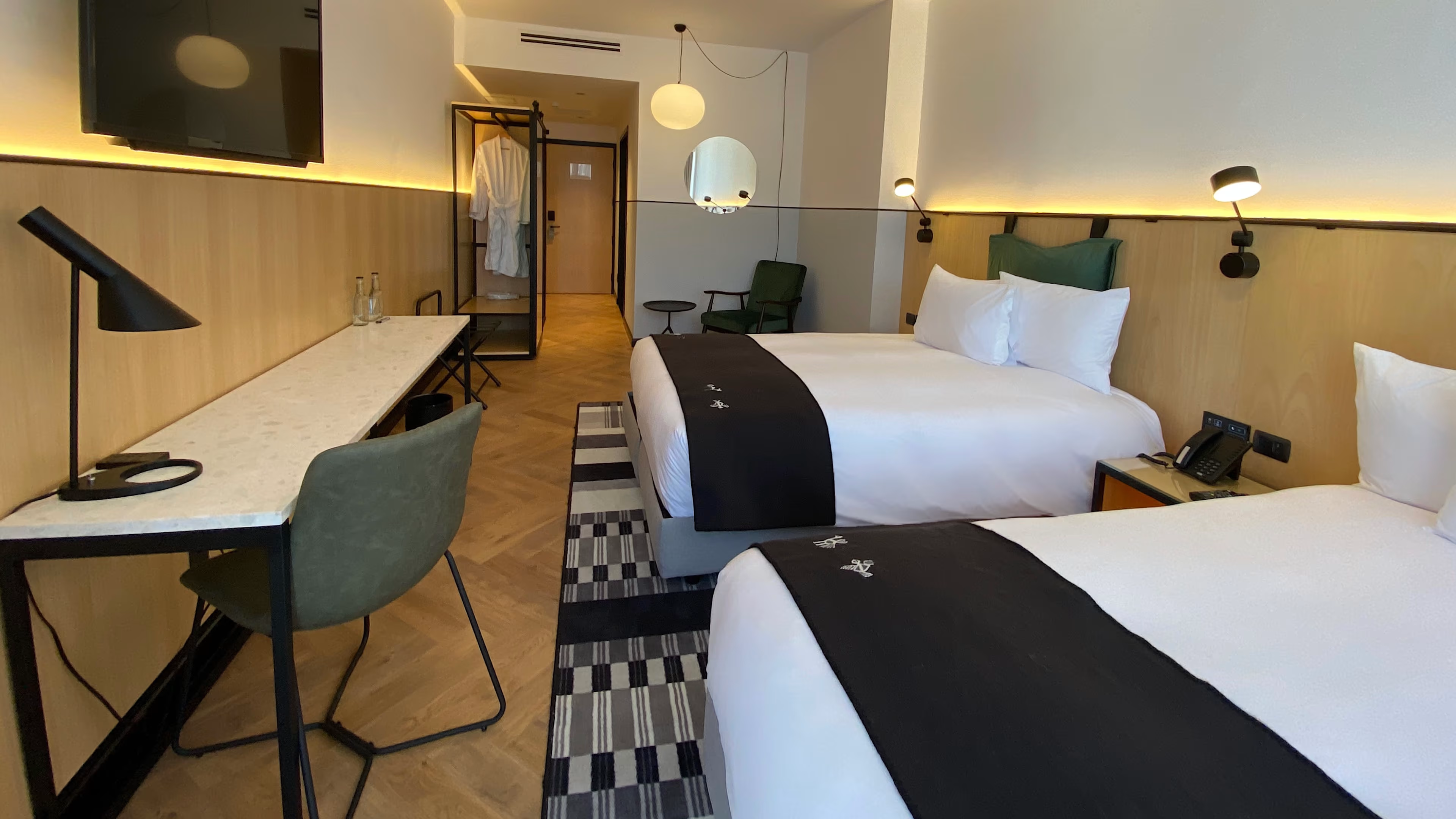
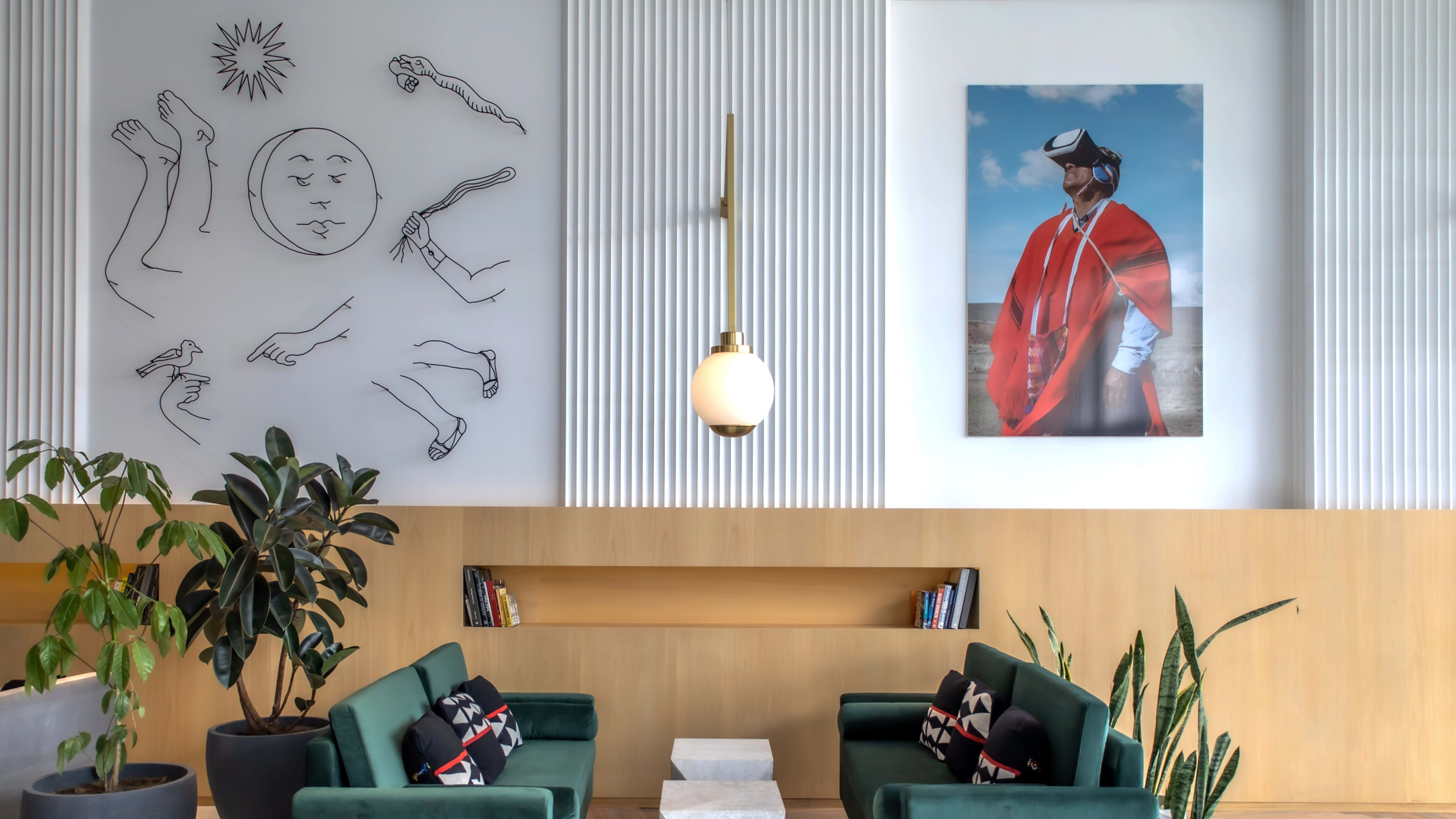
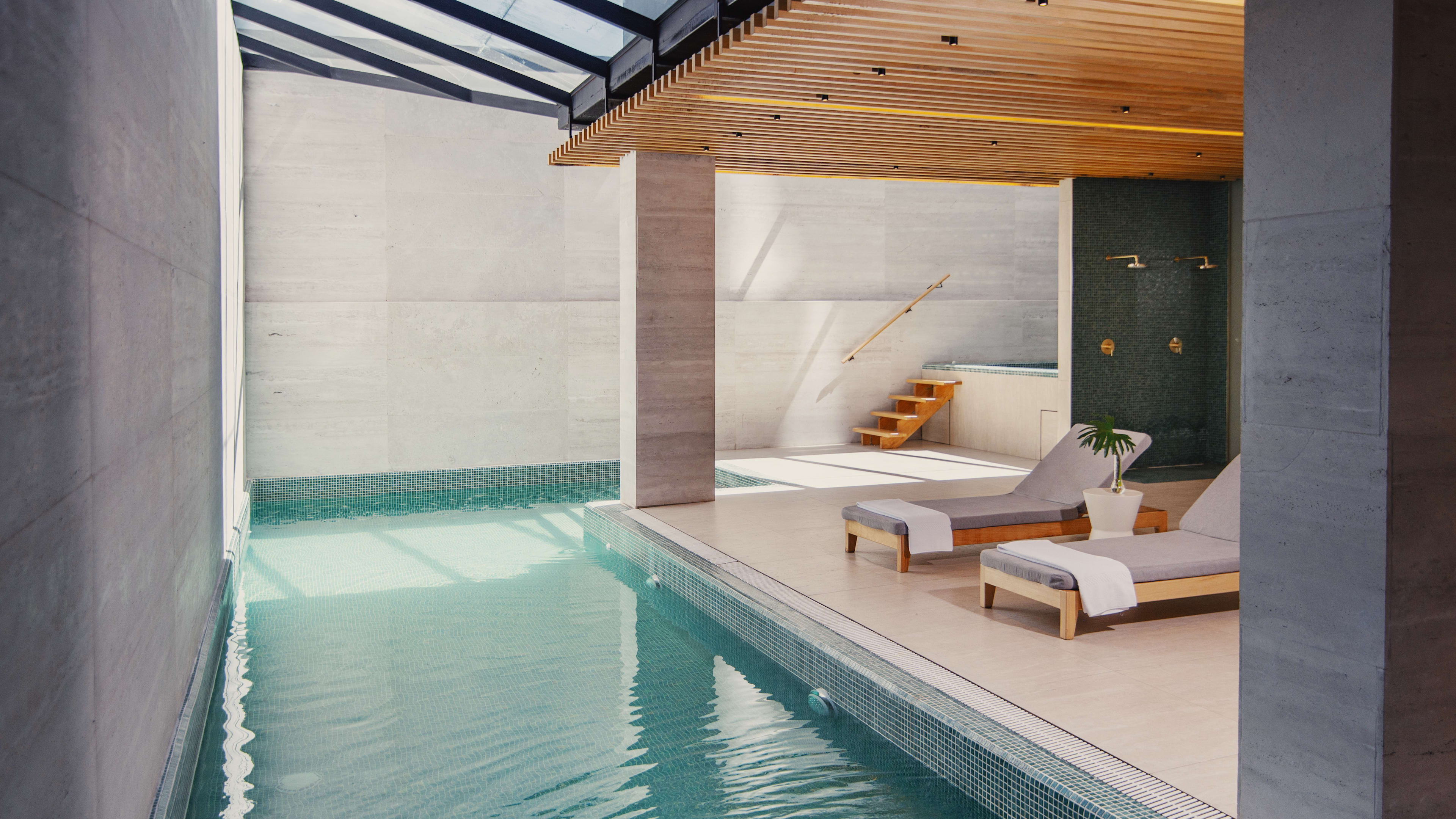
If the high altitude at Met Hotel La Paz doesn’t take your breath away, those painterly views of the Andes – from the lofty roof terrace; from your light-filled room; from the super-smart penthouse suite – surely will. There’s eye candy of a different stripe in the striking lobby, where vivid artworks by emerging Bolivian artists jockey for position with towering native cacti, and diners gorge on Mediterranean fare in the open-plan restaurant. Further sensory diversions await in the spa and pool, and it’s just a short walk to elevation both literal and metaphorical via the city’s sensational cable-car system.
Planes
El Alto International Airport is around 35-45 minutes from the hotel, depending on traffic. Transfers for up to three people can be organised for US$17-18.
Automobiles
You need nerves of steel to drive in La Paz, where reckless risk-taking and an audacious disregard for red lights, speed limits and seat belts are treated like badges of honour. Masochists who fancy a piece of the action can rent cars at the airport and park what’s left of their vehicle in the hotel lot on arrival.
Worth Getting Out of Bed For
La Paz is the world’s highest capital city, with an elevation of around 3,640 feet above sea level, meaning all pursuits here should be undertaken at a leisurely (and perhaps very leisurely) pace. Start your gentle adventure with a sightseeing ride aboard the terrific Mi Teleférico. Like an airborne metro, the city’s remarkable mass-transit cable-car system traverses the skyways of La Paz and neighbouring El Alto, affording awesome aerial views of these bustling cities. Peer down on tightly packed terracotta rooftops and gaze across snow-capped mountain peaks. Take a ride at sunset for the magical sight of a million city lights twinkling beneath the burning Bolivian sky. Best of all, a one-way ticket costs only about 40 cents and you can do a full loop of the network for US$3-4, meaning more cash for a nerve-steadying Bolivian singani (brandy) afterwards.
Back on terra firma, take the guided La Paz walking tour for essential local insight into the city’s culture and traditions. Wander cobbled Calle Jaén, where crumbling colonial façades in cornflower blue, turmeric yellow and peachy pink will make your socials sing. And hit up sprawling Plaza Murillo for pretty La Paz Cathedral and the mustard-yellow Bolivian Palace of Government (known colloquially as Palacio Quemado, the Burnt Palace, thanks to its fiery past). Perch on a bench to join elderly locals pigeon-feeding and people-watching over chilled mocochinchi (sweet peach cider) from the square’s street vendors.
Also not to be missed is the sensory carnival that is the Witches’ Market. Run by yatiri (Bolivian witch doctors), this is your one-stop shop for amulets, talismans and potions that promise long life, fertility and endless good luck. But you’ll need to look elsewhere for your common-or-garden souvenir trinkets, unless of course you consider powdered dogs’ tongues and dried llama foetuses suitable gifts to take home to Aunty Ethel.
Outside the city, otherworldly rock formations and alien landscapes straight from the mind of Salvador Dalí await intrepid explorers. The clue’s in the name at Valle de la Luna, where soaring clay spires born out of eroded mountains might give the impression you’re really walking on the moon. Similarly out of this world are the spiky rock formations at Valle de las Animas, like the primitive city skyline of some long-forgotten civilisation, all overshadowed by the steadfast, timeless backdrop that is Illimani, Bolivia’s highest mountain.