Hotel Pepe Vieira
Square meals and sanctums
Galicia’s sunny side
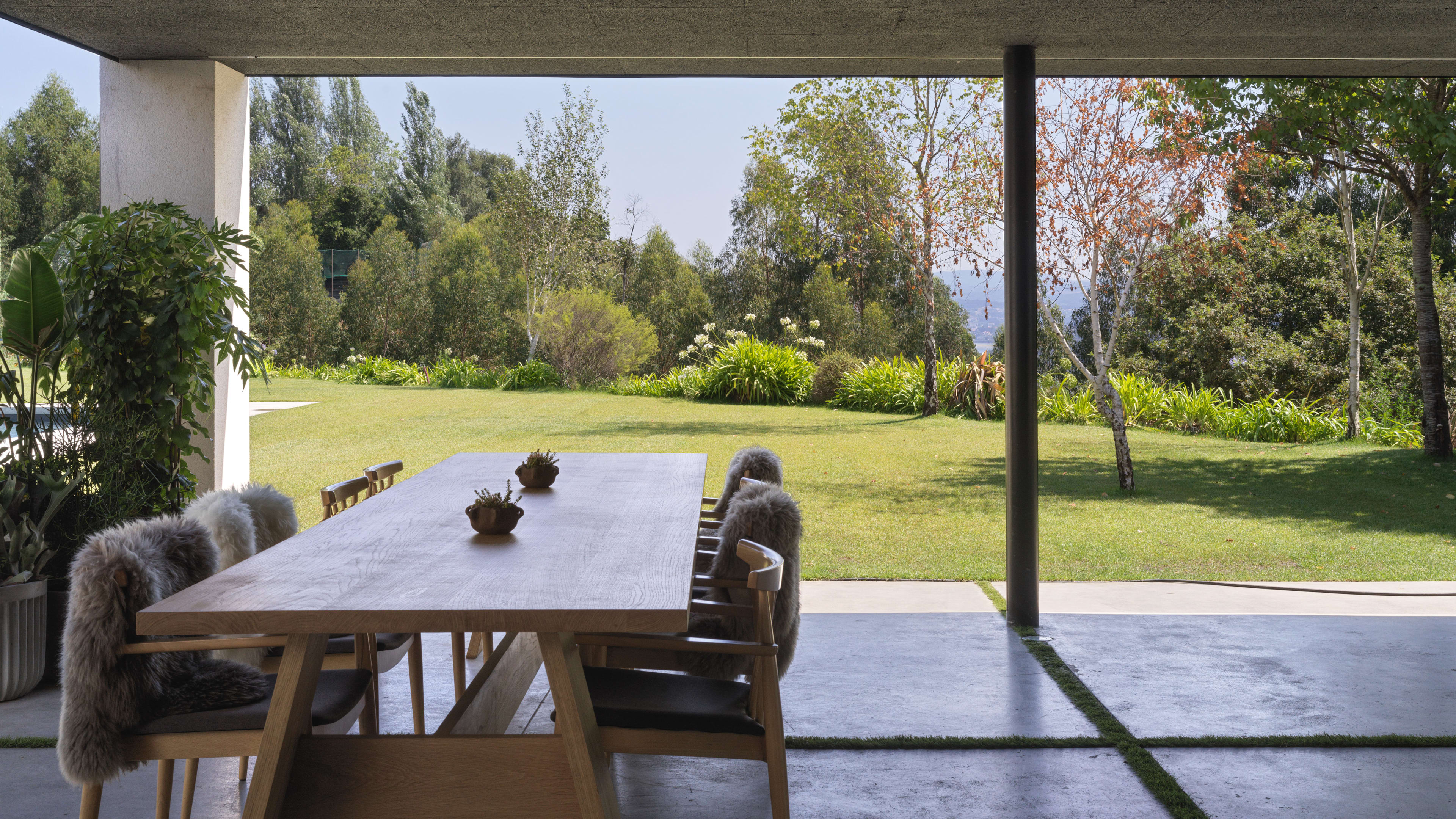
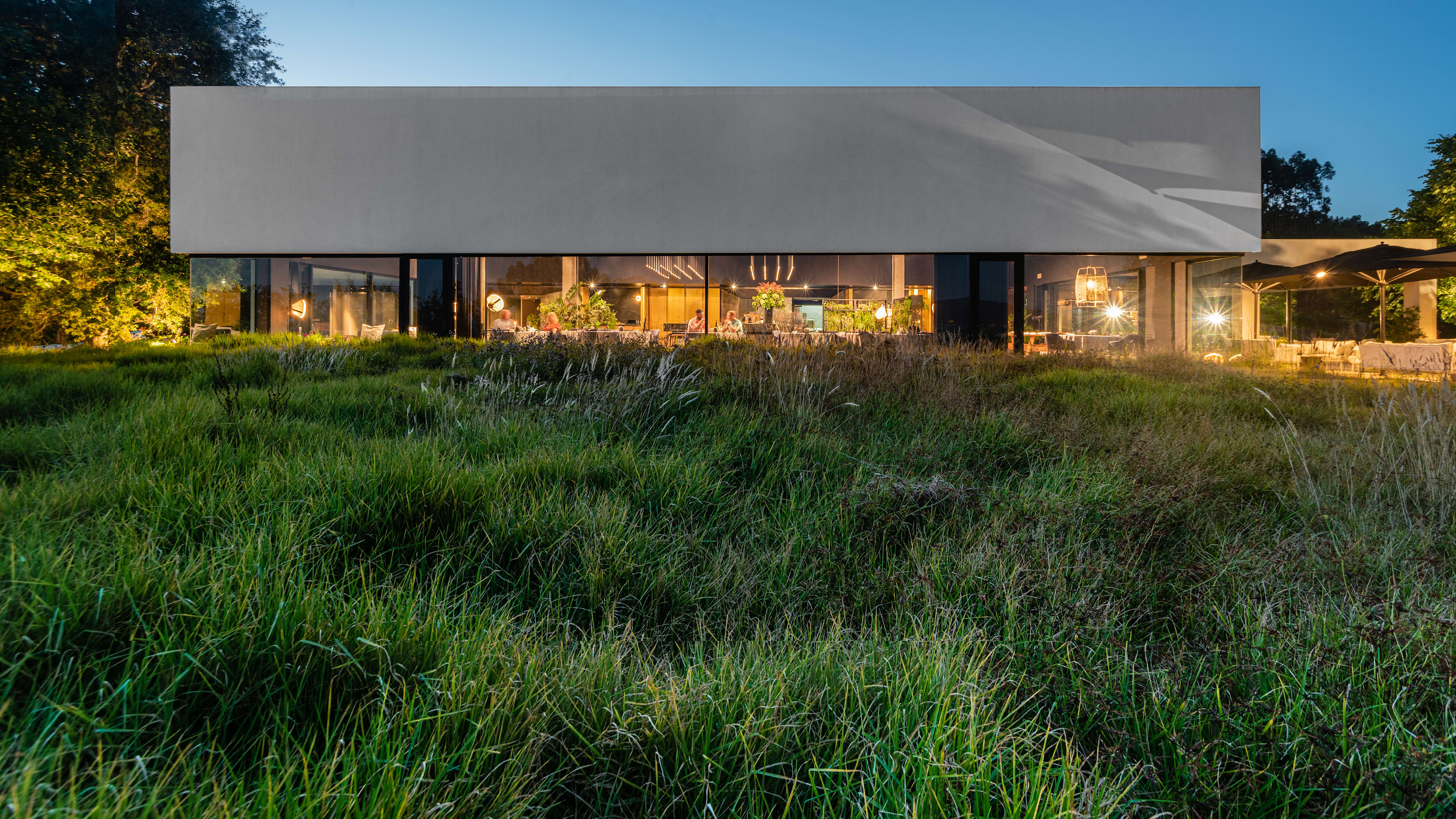
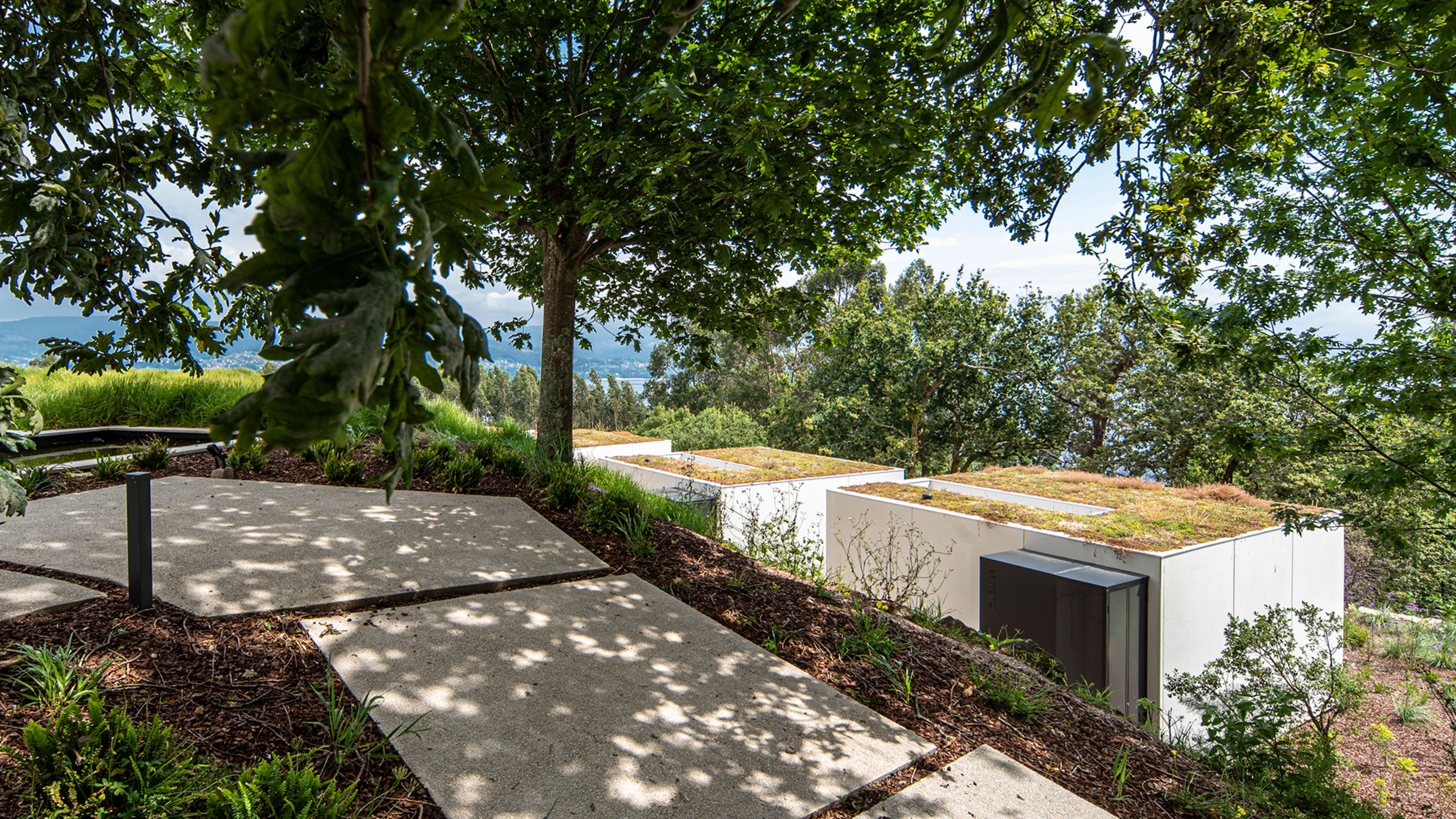
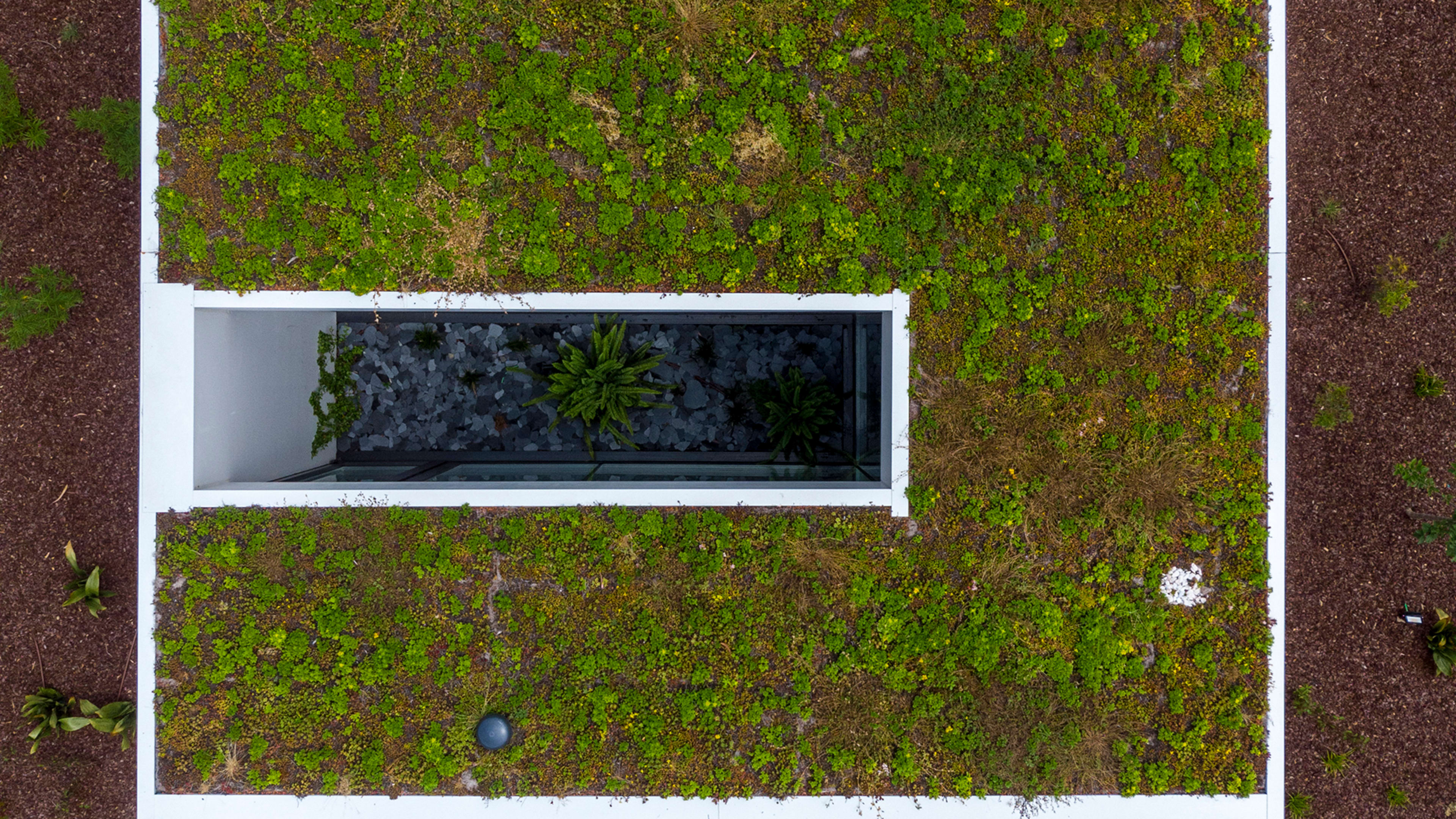
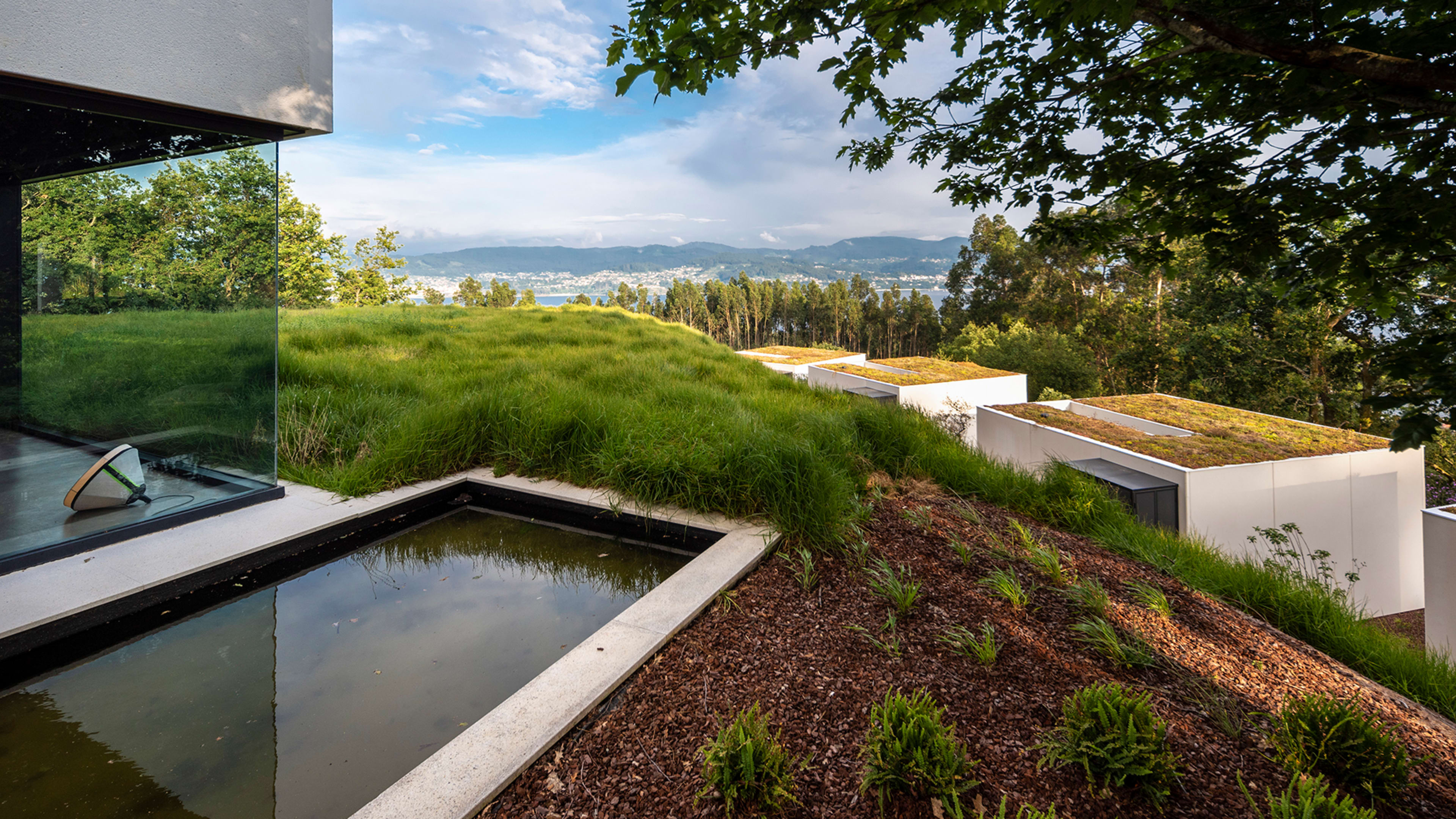
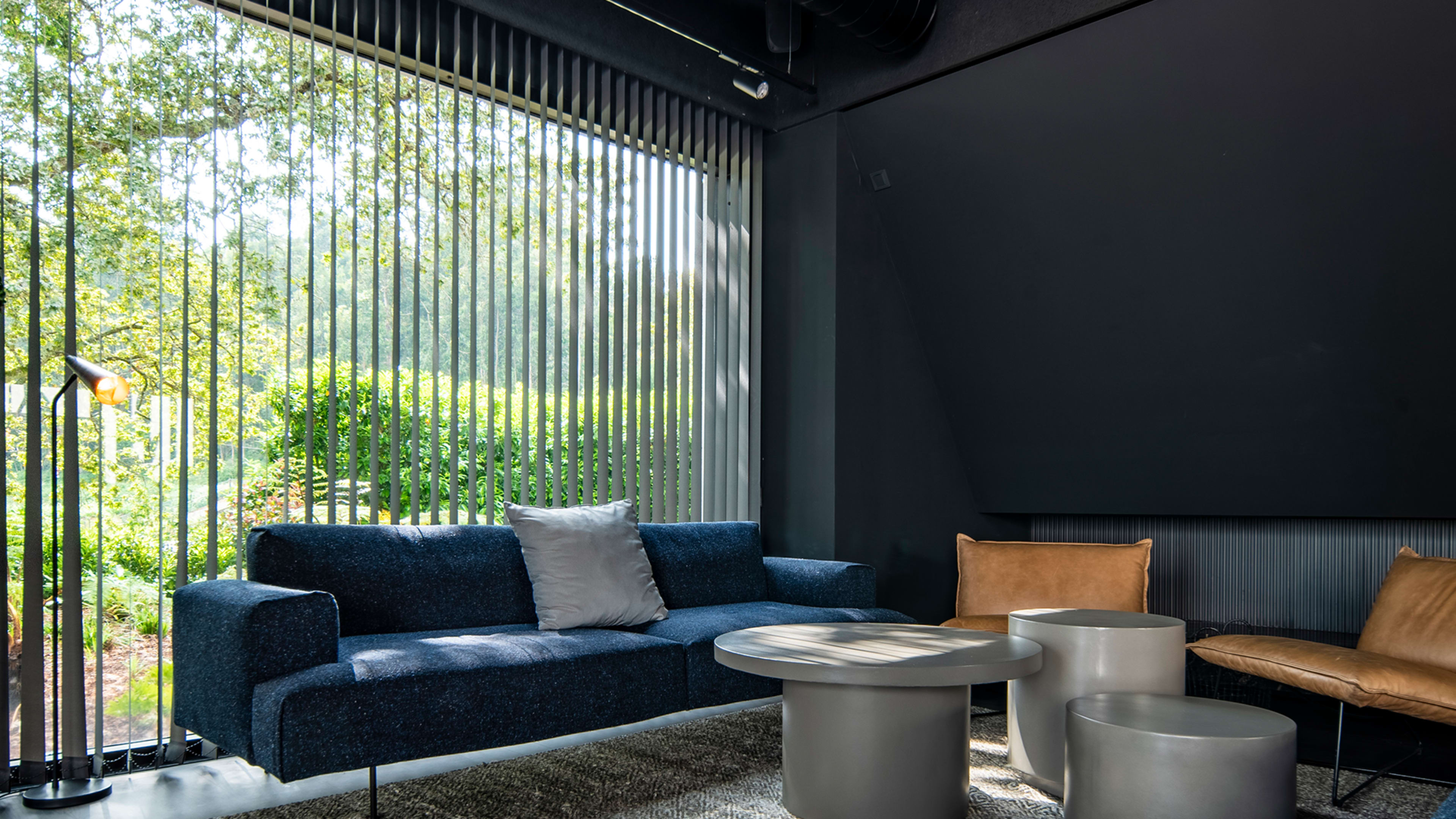
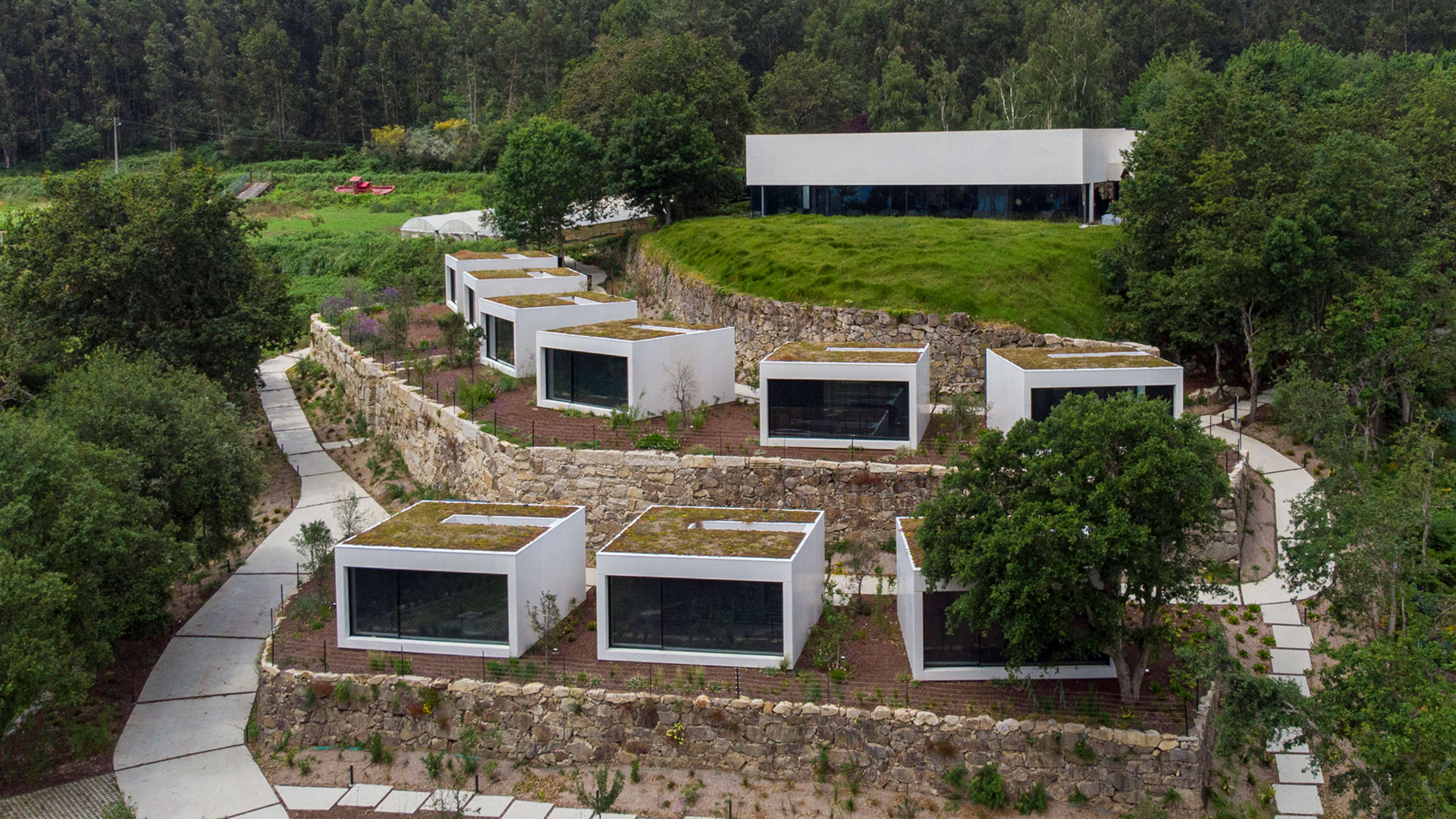
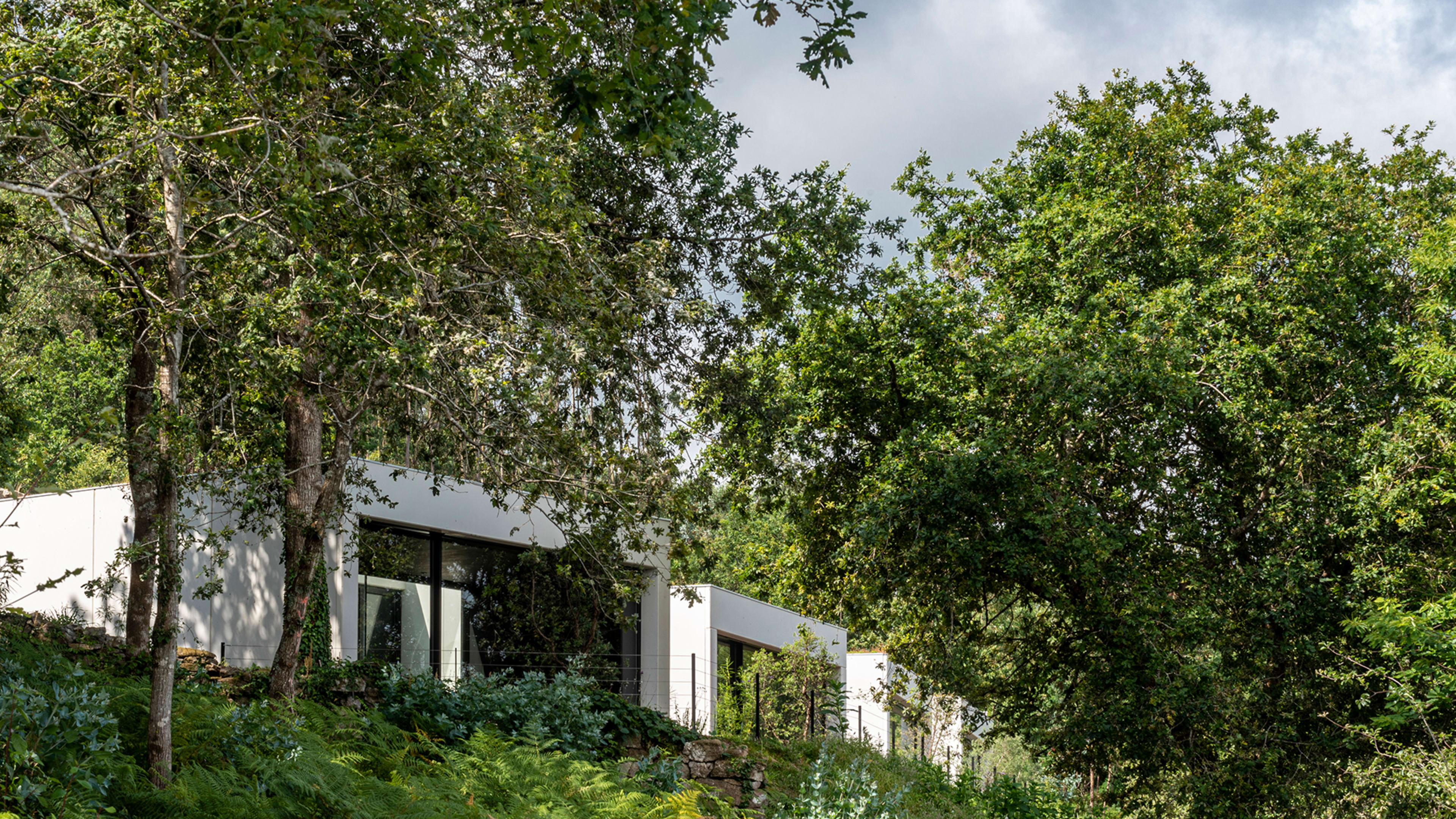
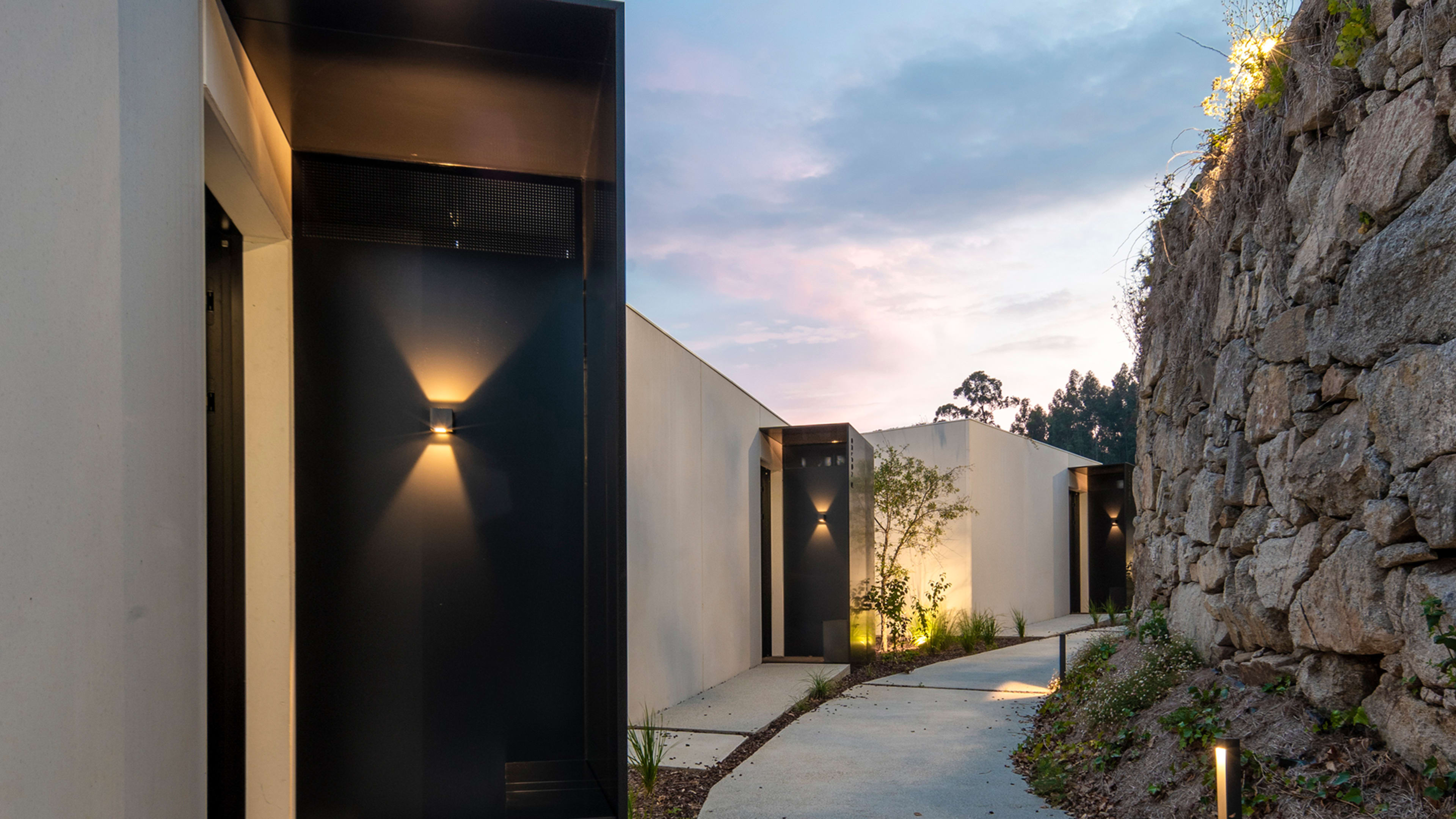
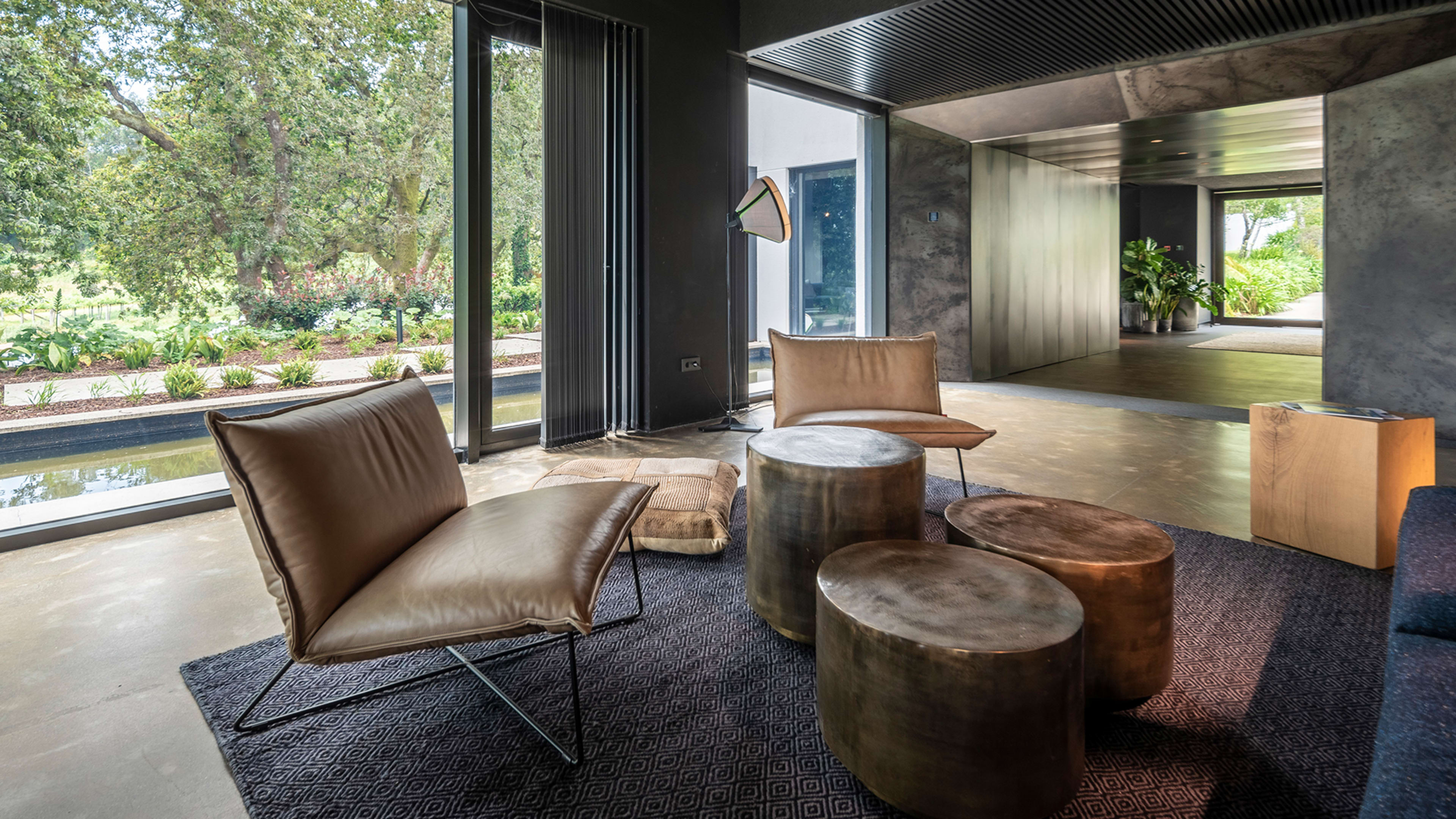
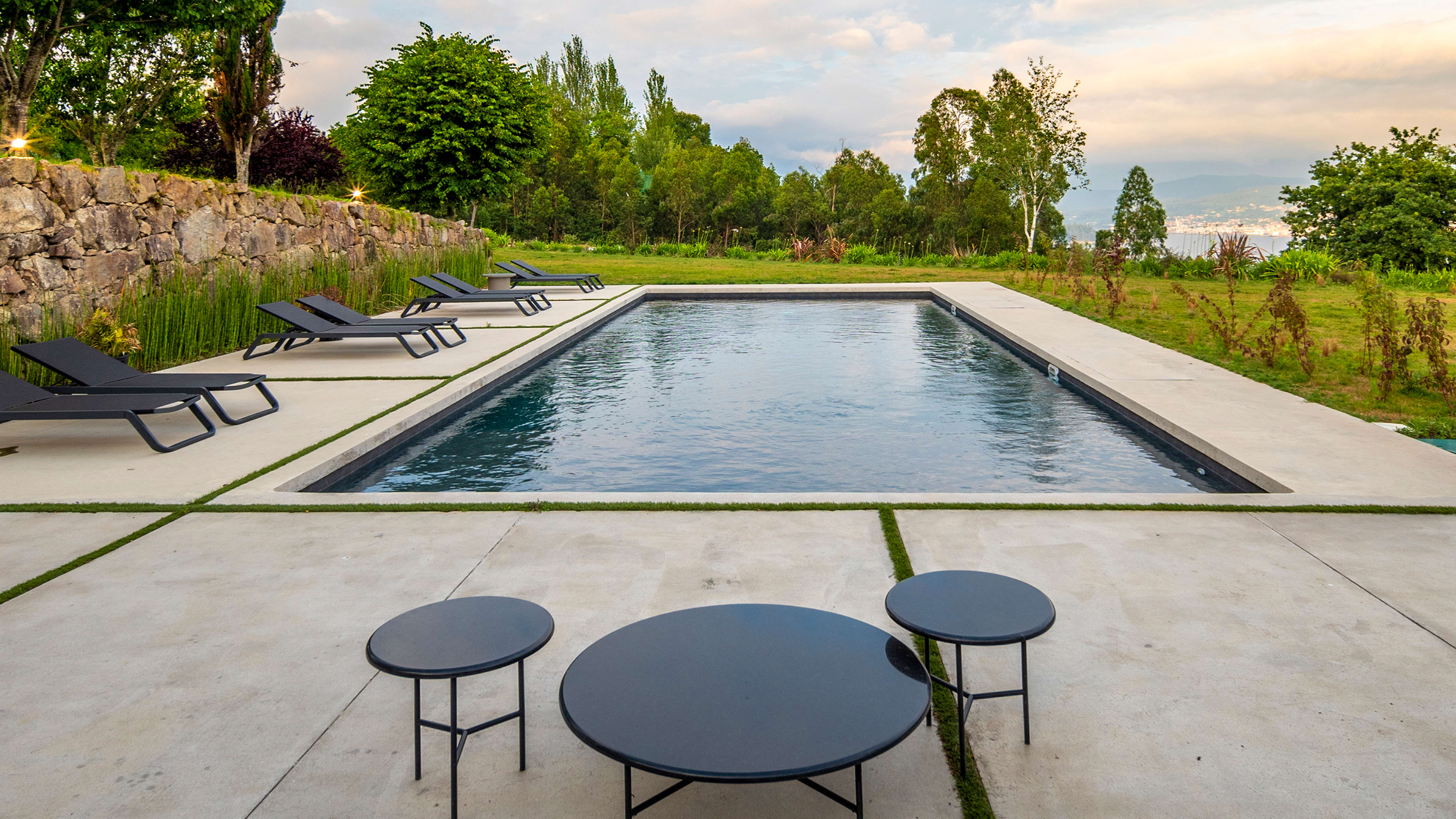
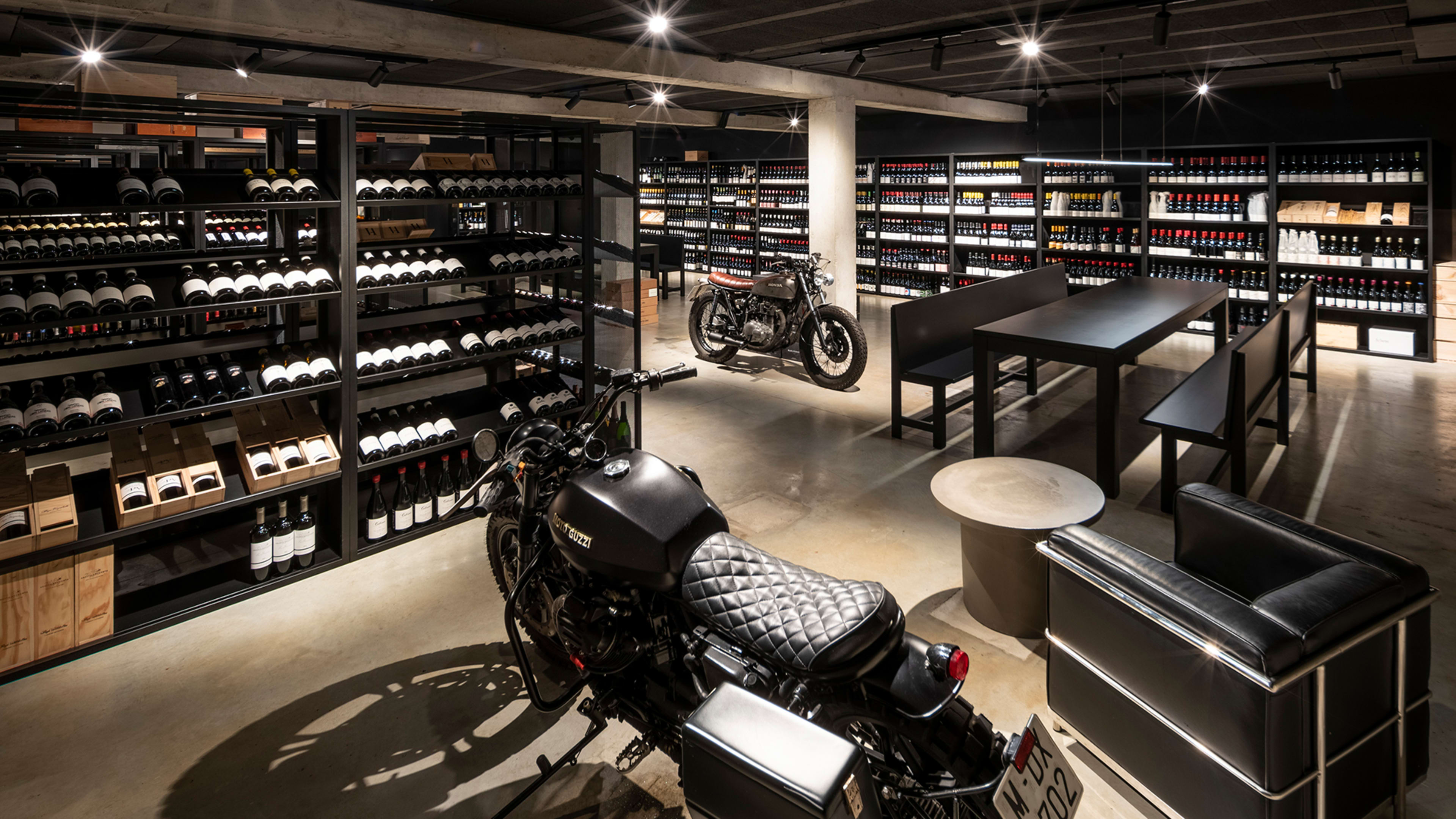
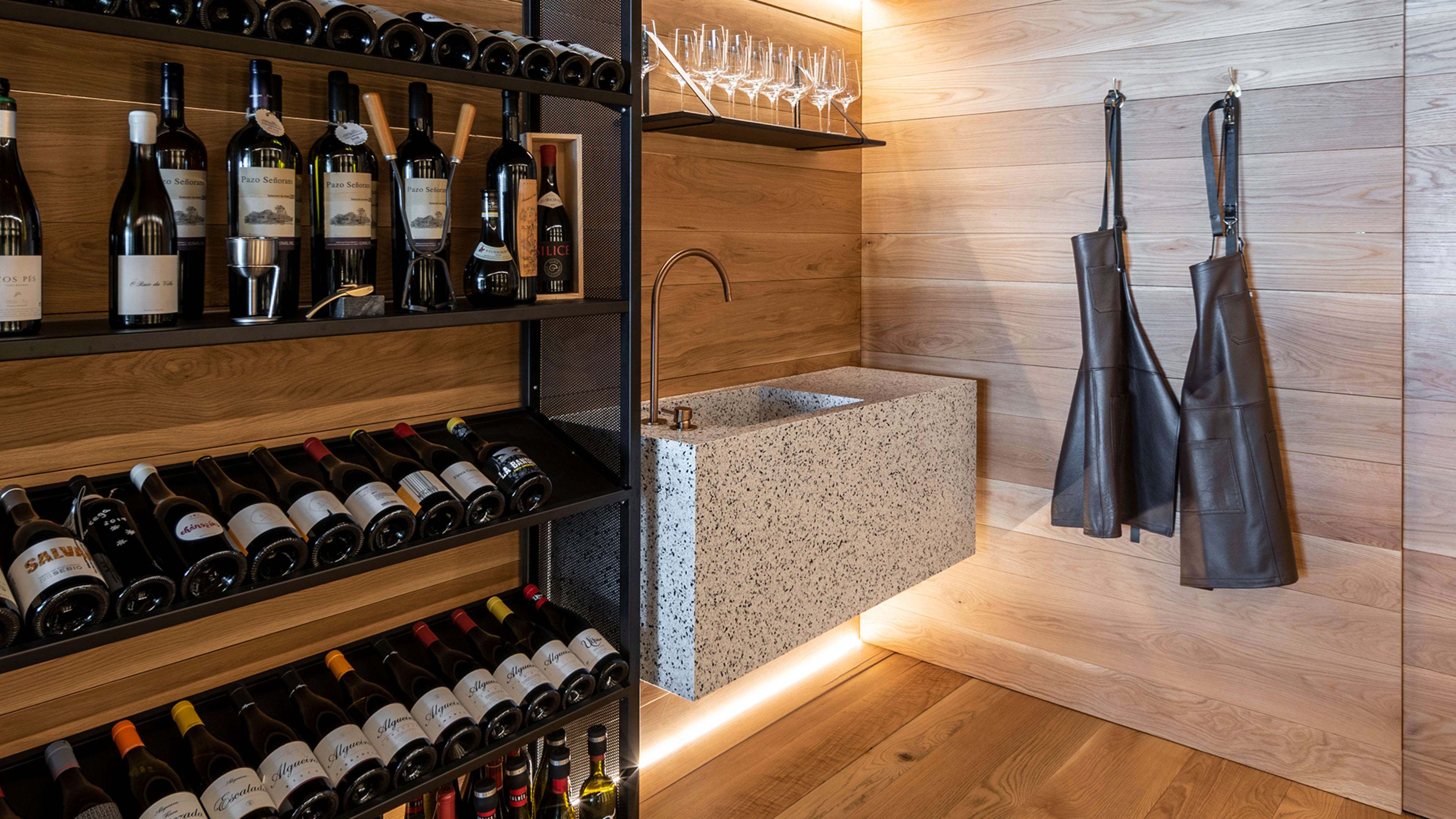
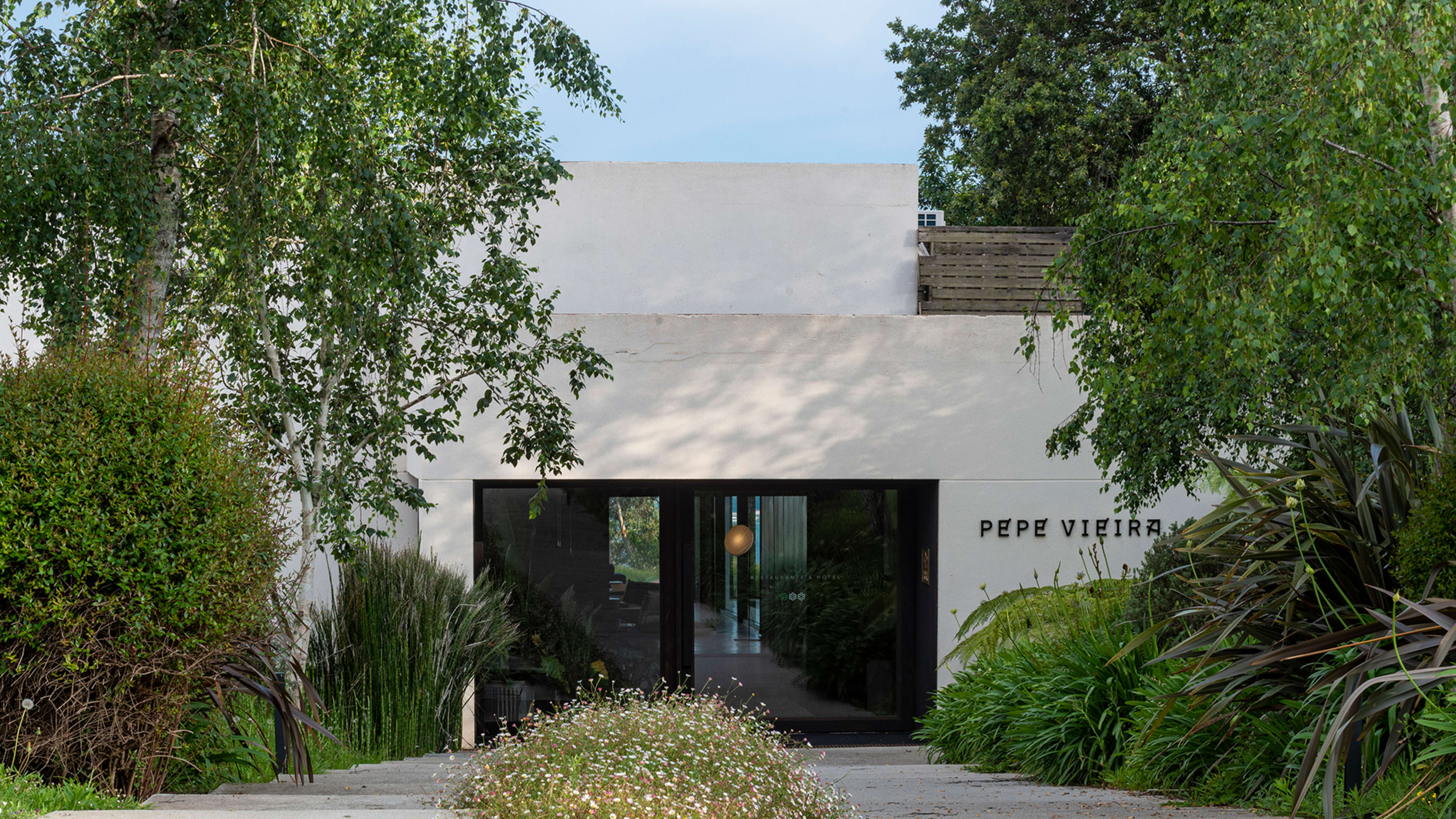
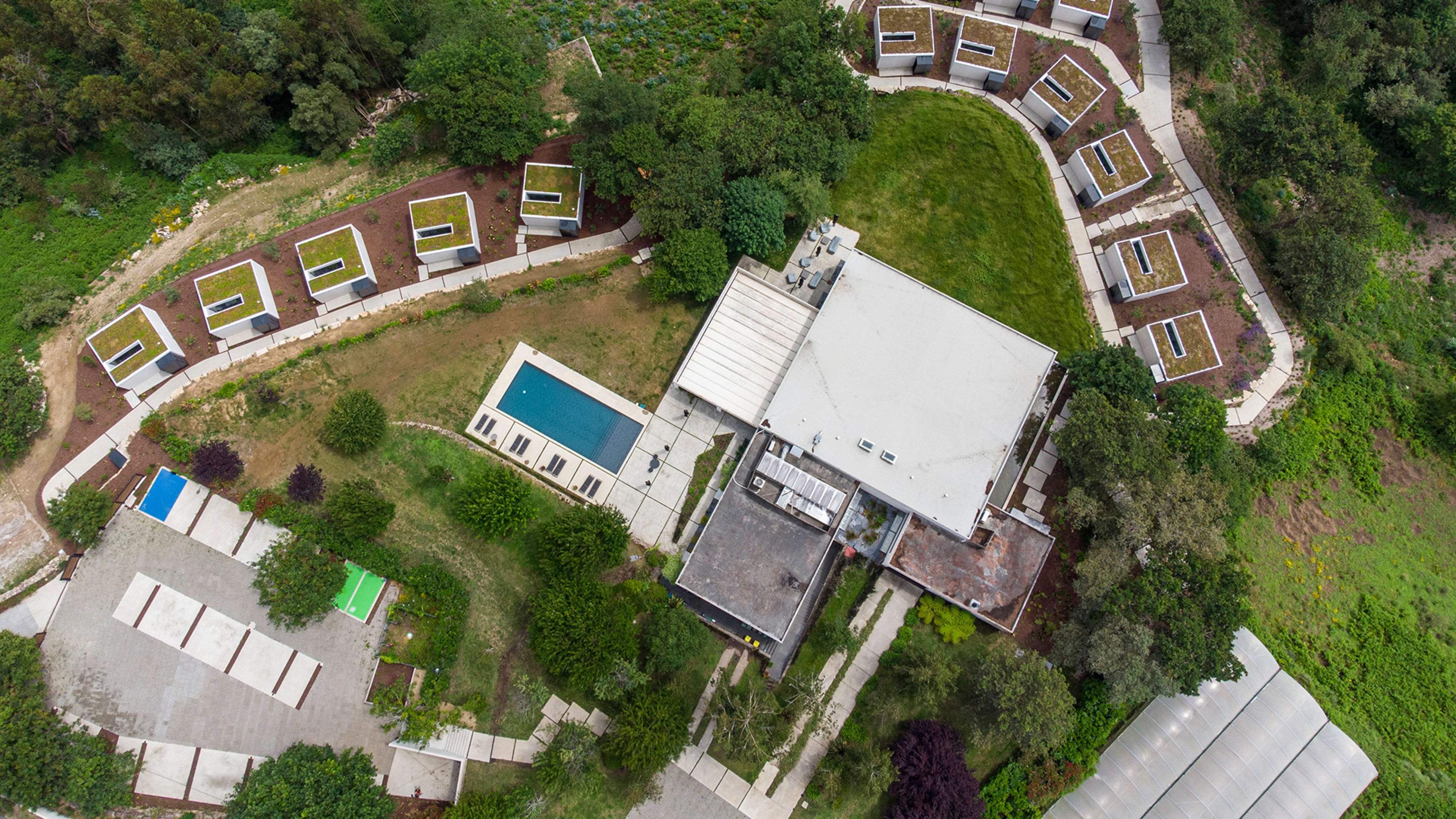
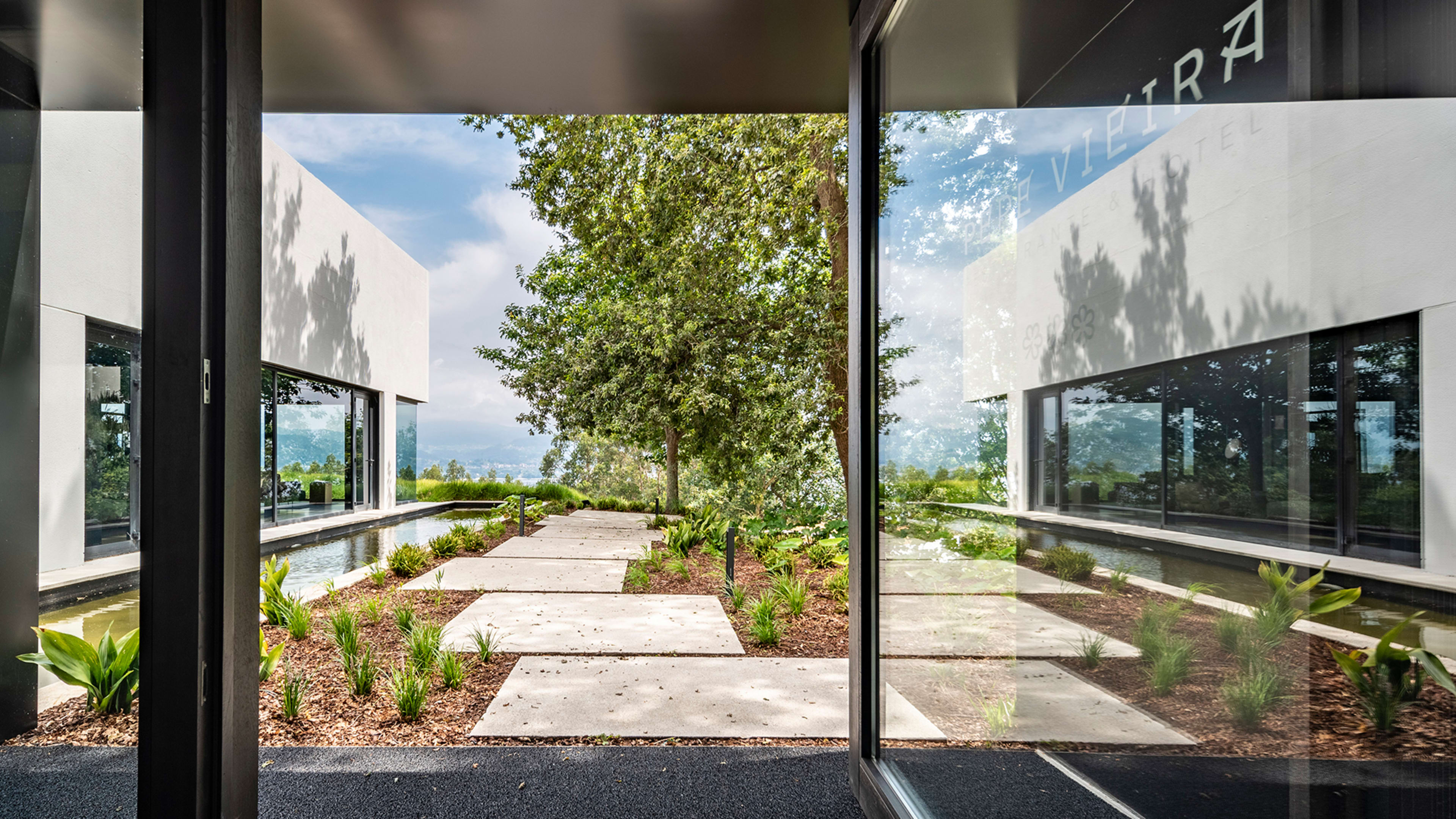
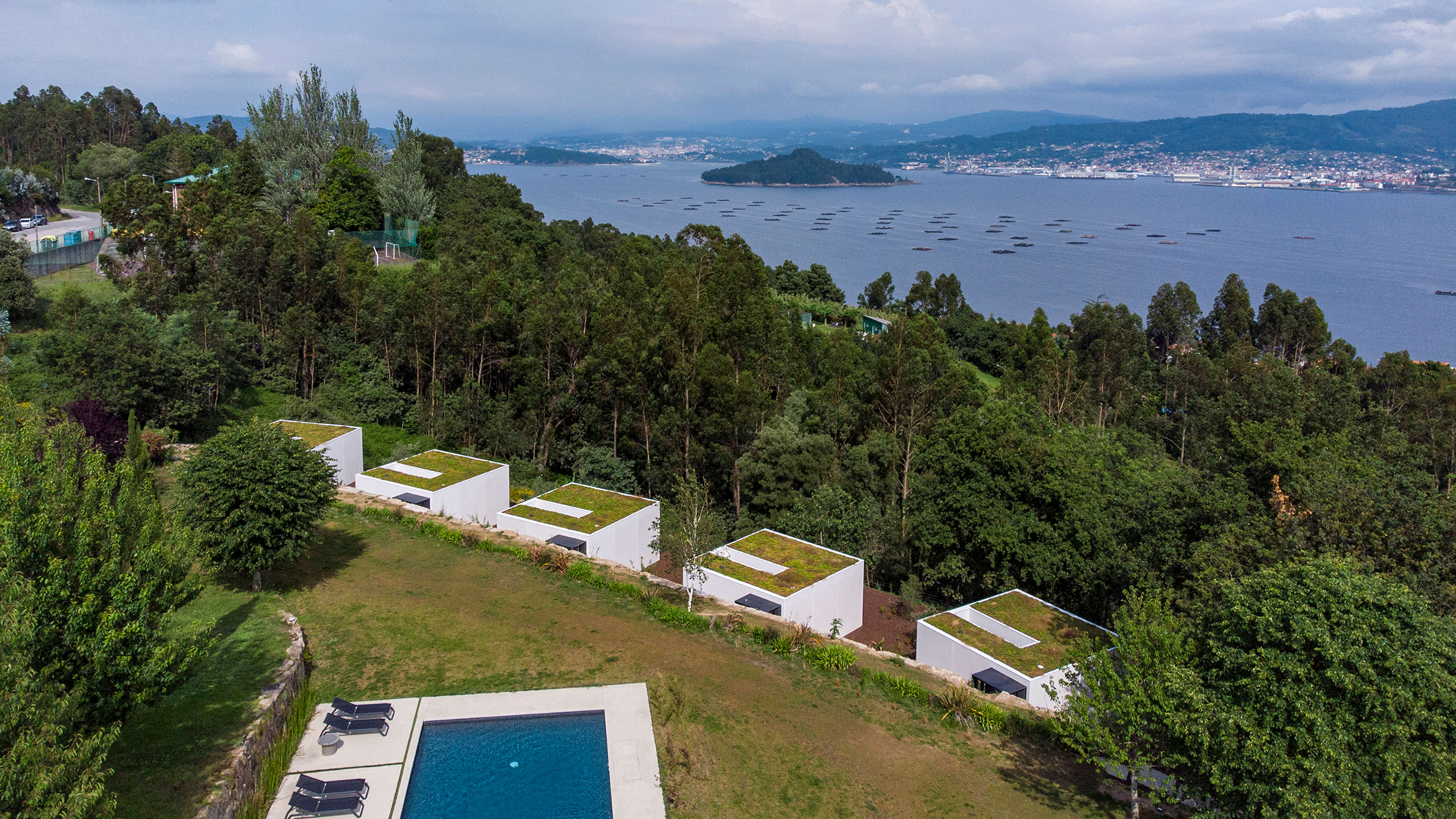
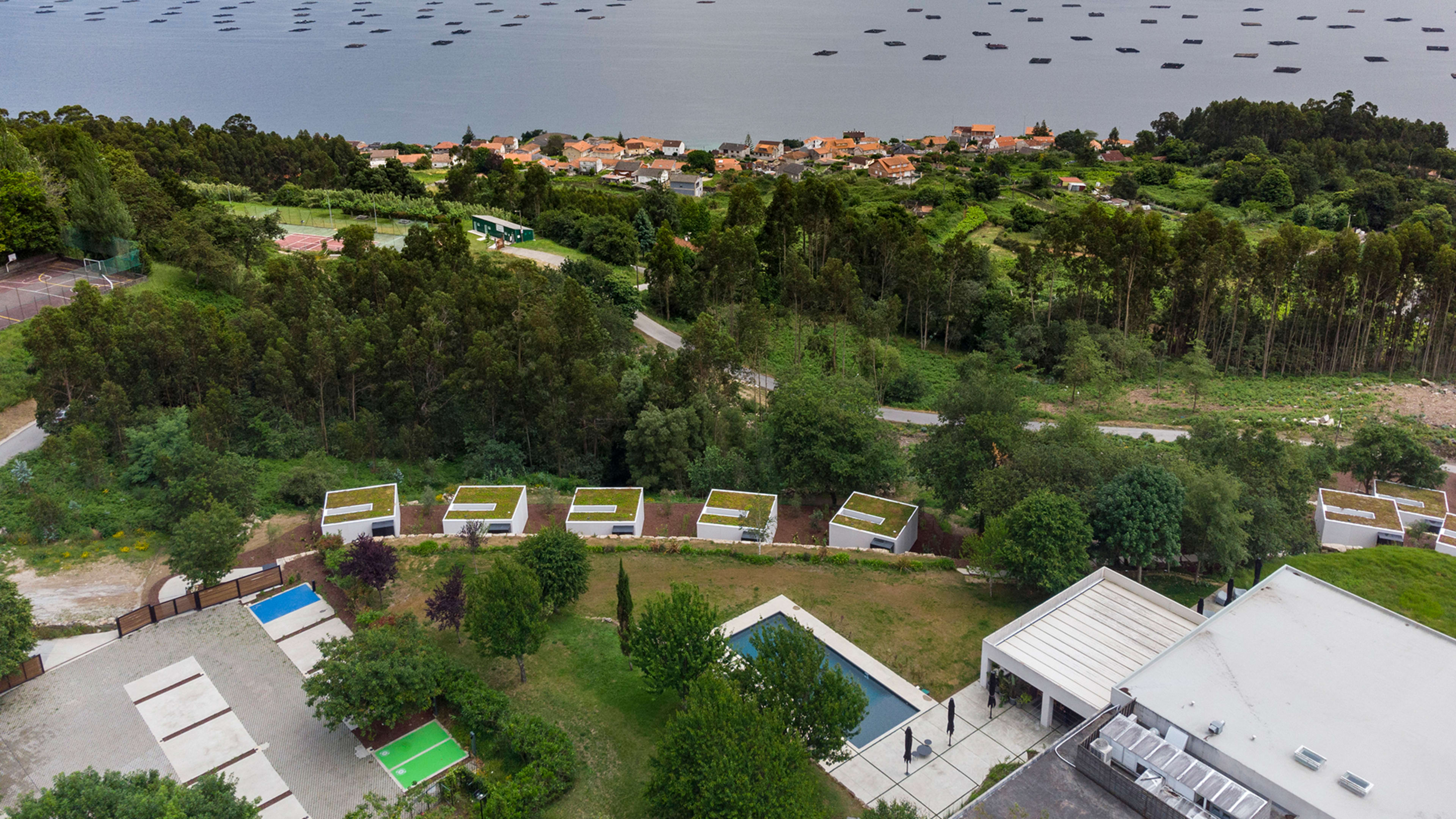
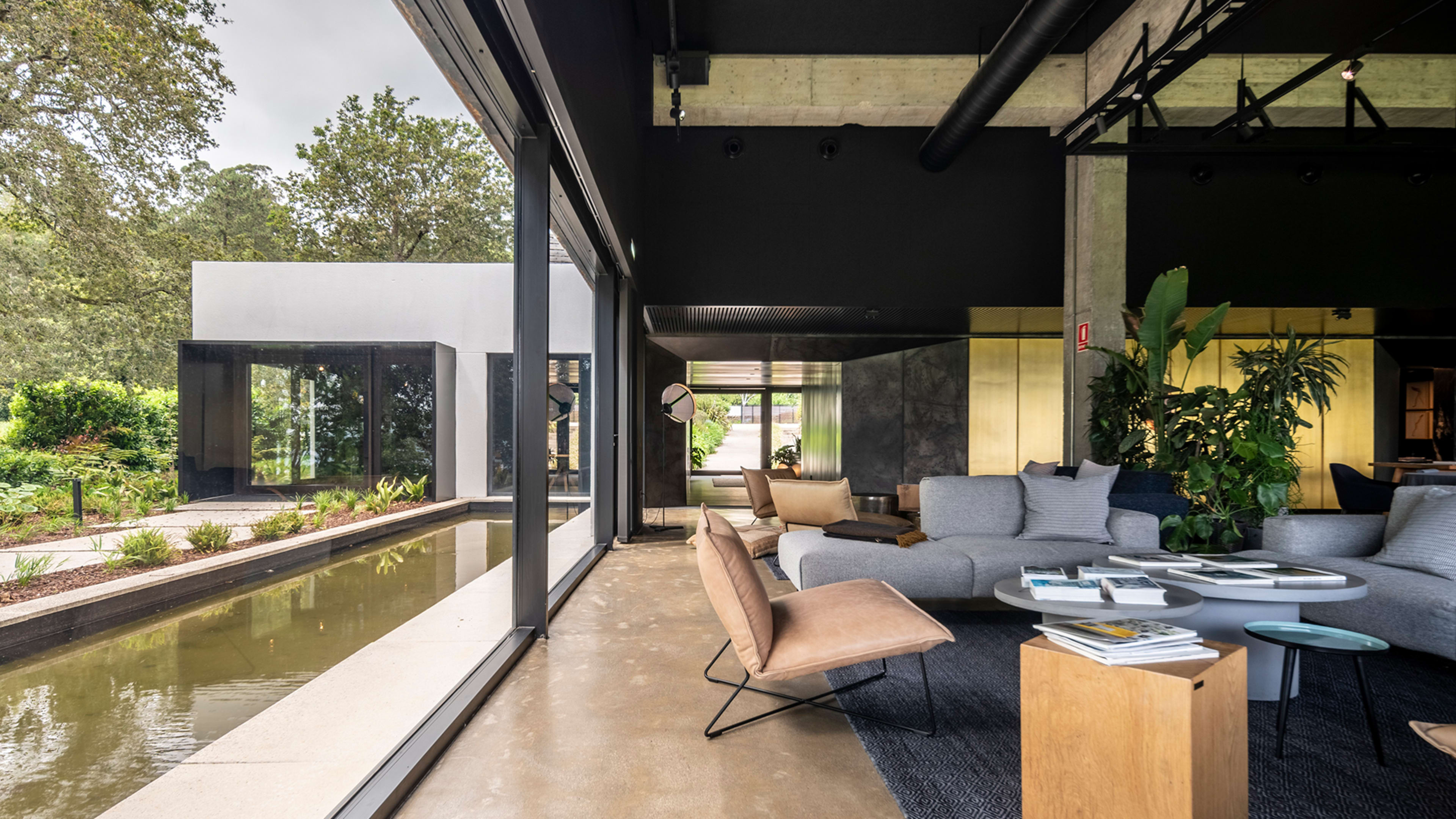
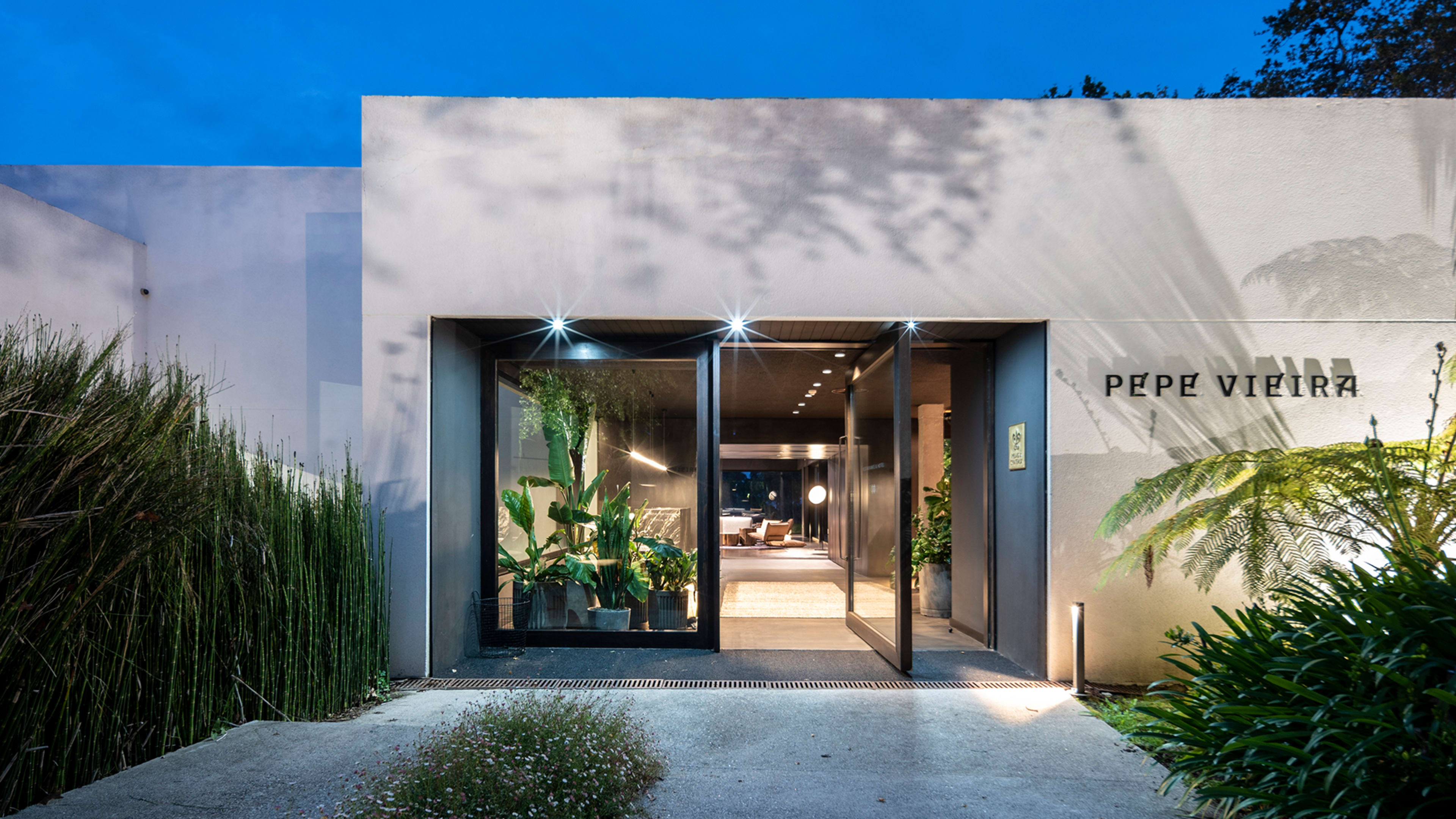
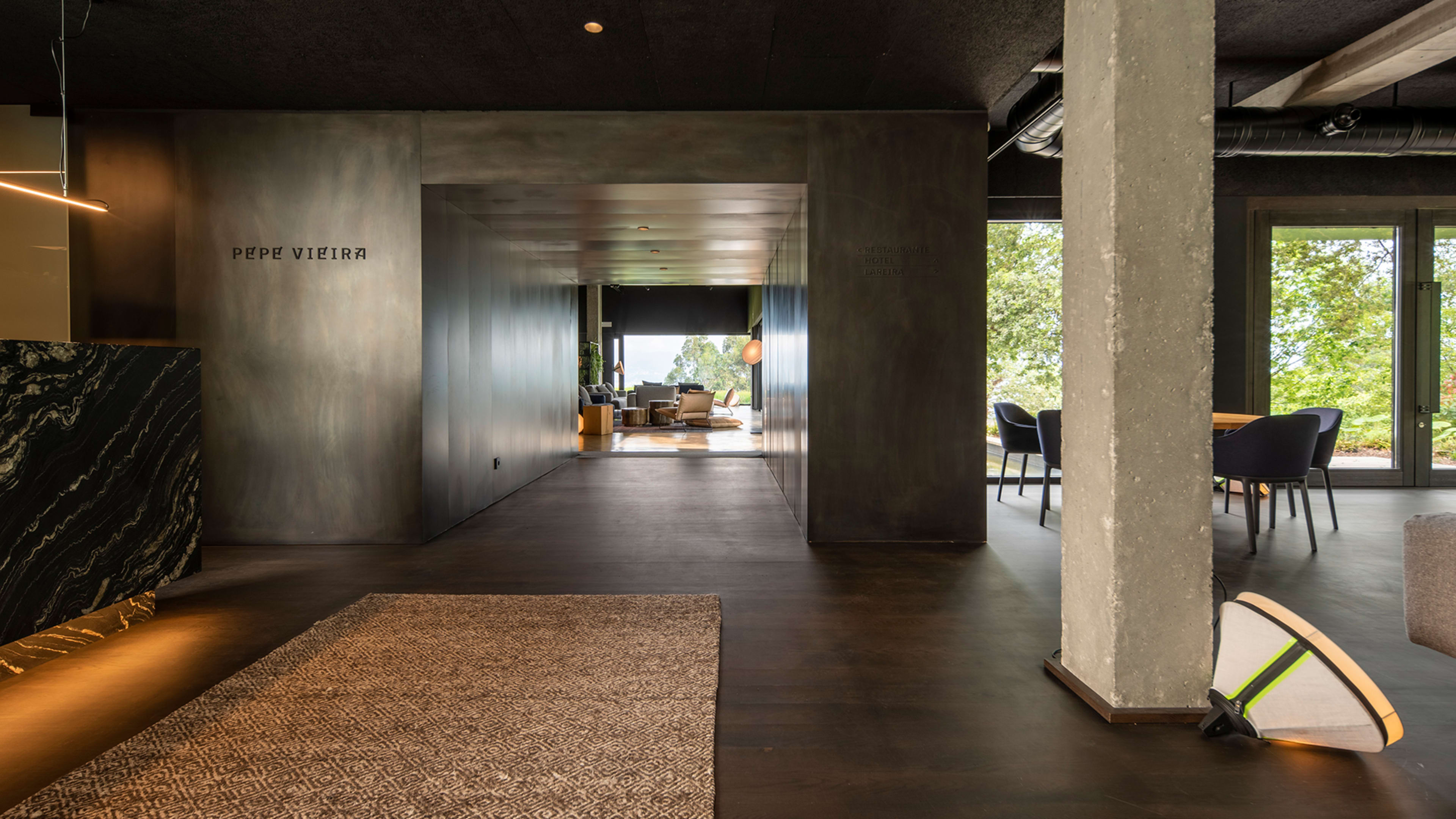
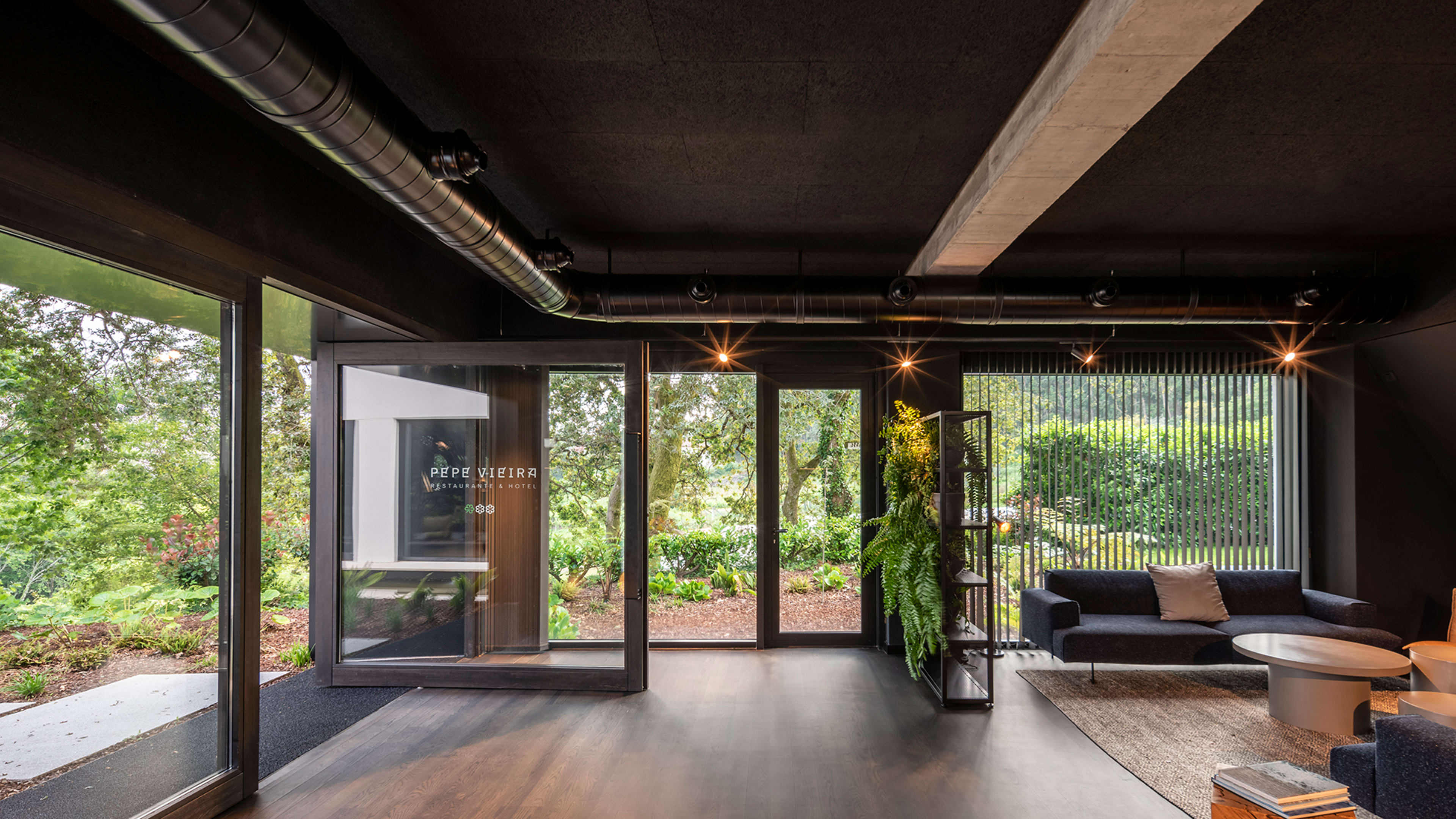
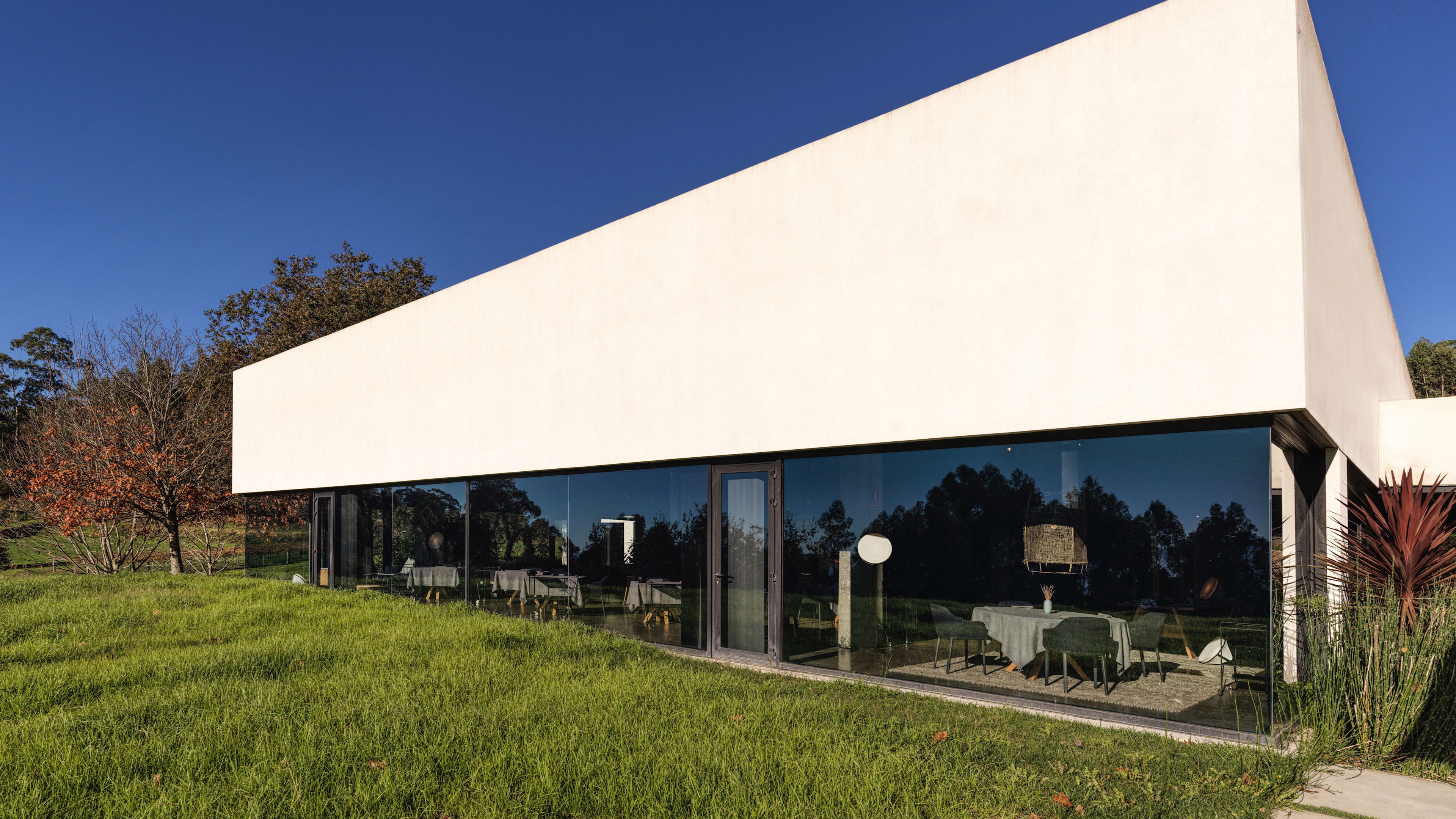
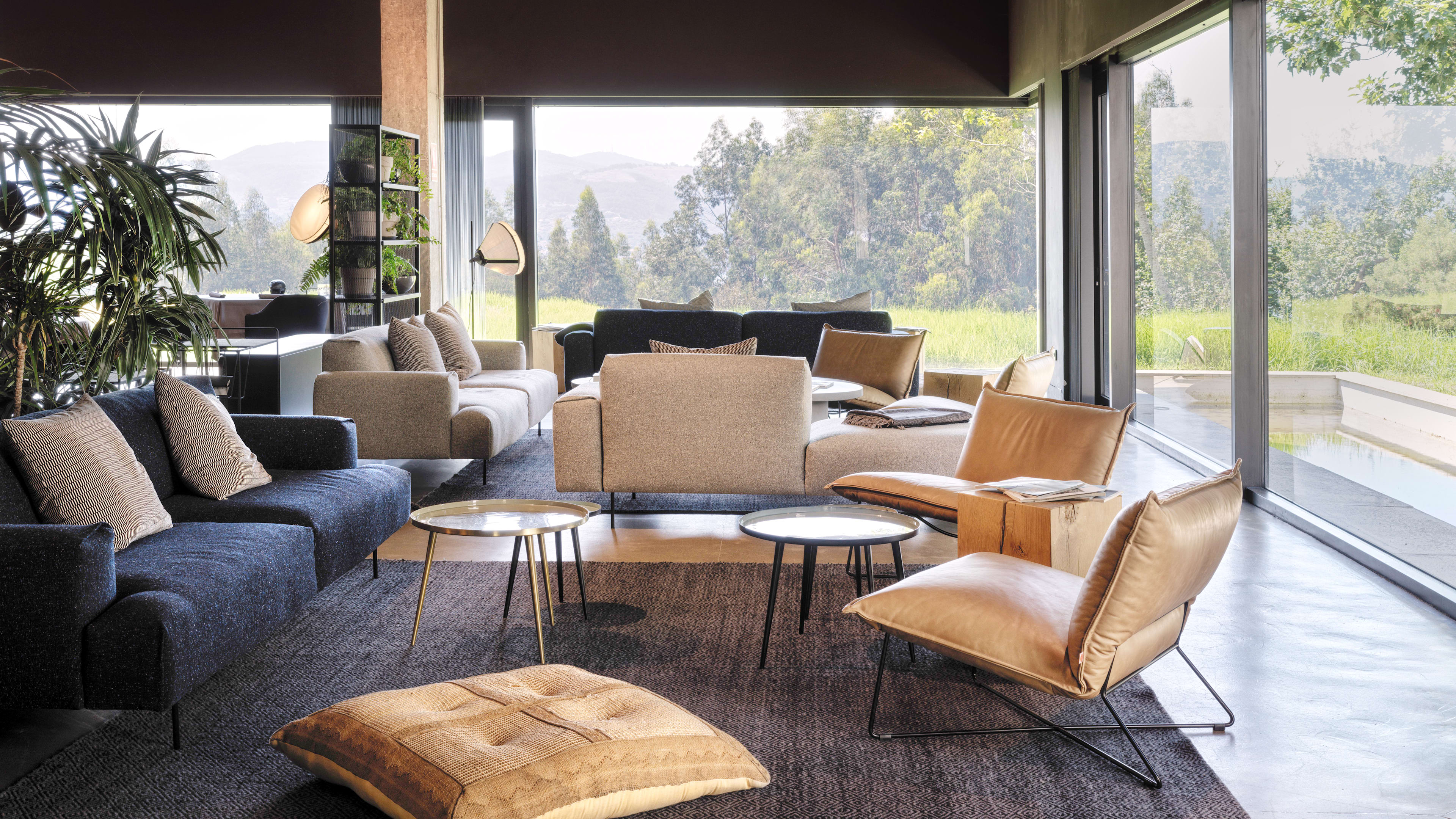
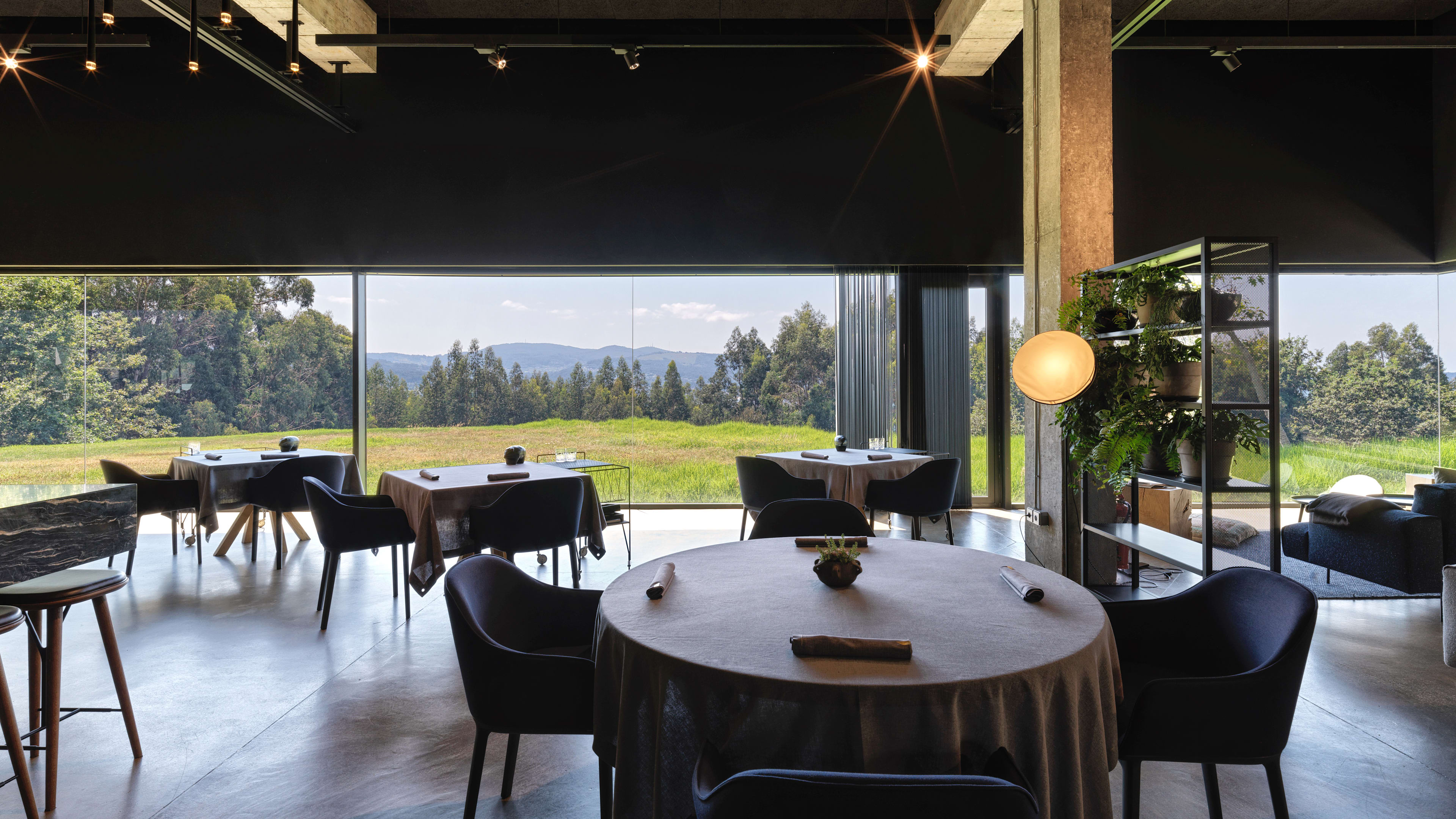
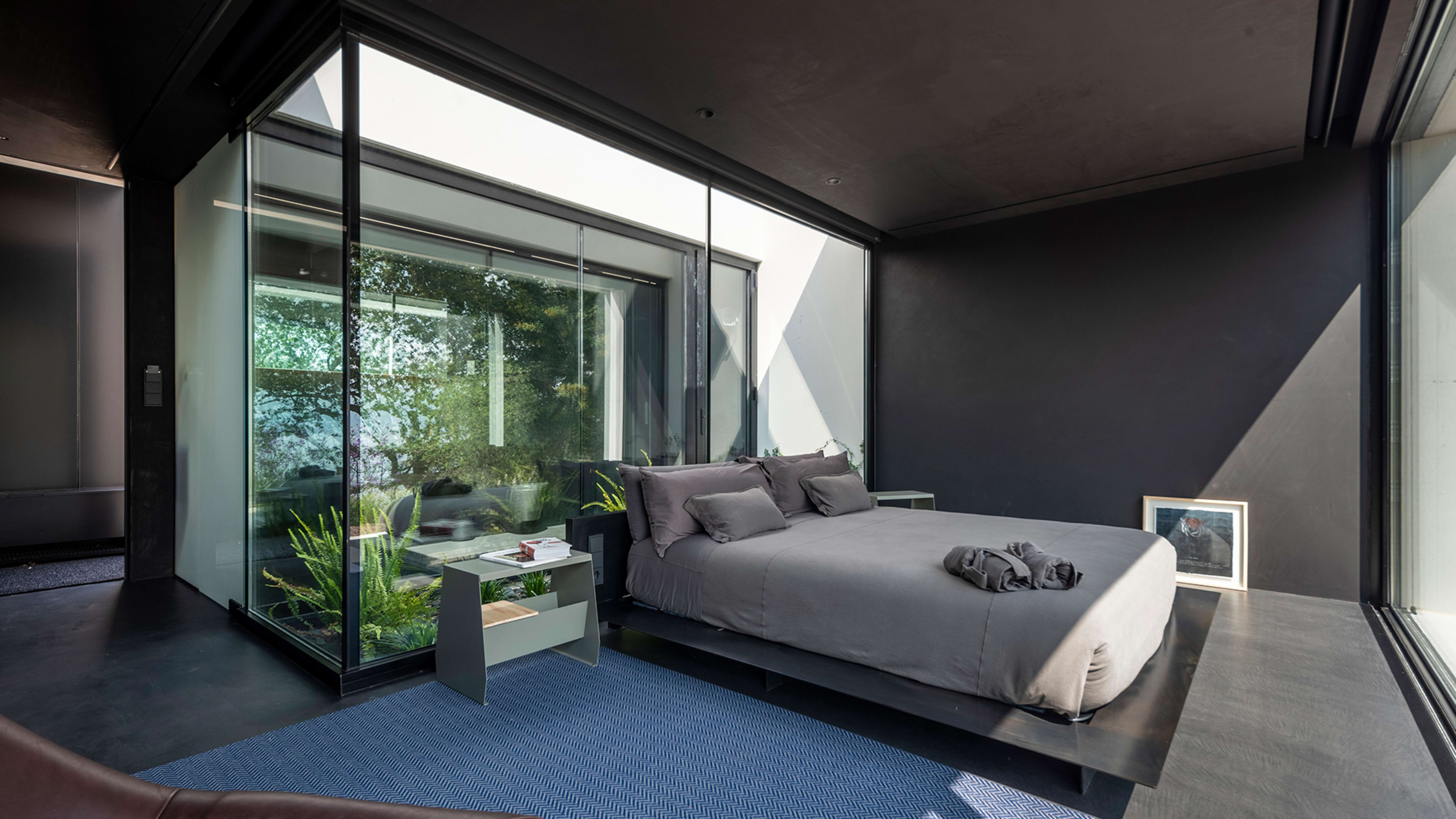
‘The farthest cuisine in the world’ is the oh-so-romantic tagline of Pepe Vieira, a Galician chef who knows just as much about storytelling as he does about food. And, as you’ll discover snaking your way up the hotel’s red-forest road – where wild horses outnumber humans by a substantial margin – the region’s folkloric cradle makes for a fairytale setting. Breakfast here is a four-act drama of sweet and savoury flavours, while the travelling dinner – from garden to wine cellar to kitchen to table – is an interactive exploration of culture, tradition and relationships. But the protagonist here is the land, which pulls focus due to the barely-there minimalism of the cubed cabins guests stay in. Whether it's taking a nightcap on the terrace as the river glistens below, or watching the sunset from the comfort of your bed, here every day ends happily ever after.
Planes
Vigo Airport is closest to the hotel, just a 40-minute drive away, while Santiago-Rosalía de Castro is an hour to the north. Each has direct flights from all over Spain and Europe, and the hotel can arrange transfers starting from €80 one-way. International travellers should fly into Porto Airport across the Portuguese border. From here, the hotel is 90 minutes by car.
Trains
Pontevedra train station is around 20 minutes away by car, with direct trains to Vigo, A Coruña and Santiago de Compostela. There’s a high-speed service, too, which will get you to Madrid in just under four hours. The hotel can arrange transfers to and from the station for €35.
Automobiles
Since the hotel is reasonably remote, driving is recommended. Wheels offer guests flexibility and freedom to explore the region at their own pace, though there are taxis on hand for your Galician wine-tasting trips. There’s free, on-site parking for guests, and four electric-charging stations for greener rides.
Worth Getting Out of Bed For
Think of Pepe Vieira’s multi-course offerings as ample fuel to start exploring Galicia’s green heartlands. Start nearby at the quaint fishing village of Combarro, where excellent seafood, traditional hórreos (charming Galician corn cribs) and colourful coastal houses make for a picturesque afternoon amble. O Grove is another such village, where you can spend your days horizontal on the soft white sands of A Lanzada beach. Out to sea you’ll notice dark wooden platforms bobbing on the water, these bateeiros are the lifeblood of the population here, who rely on mussel and oyster fishing for their income. Join them for an afternoon to see exactly how they do it, just ask the hotel to arrange. Then there’s the islands; Illa de A Toxa is closest, and is known for its medicinal mineral water and mud, which boast therapeutic properties for the skin. Next, Illa de Arousa is home to the Carreirón nature reserve where you’ll find rare grey herons alongside frogs, rabbits, lizards and a rainbow of plants. Take a hike through one of its trails, stopping for a picnic on As Margaritas along the way, a secluded cove with crystal-clear waters. Last, but certainly not least, islas Cíes are as serene as they come, with white-sand dunes, rocky green hills, and a trio of top-tier beaches, Praia das Rodas, Praia de Nosa Señora and Praia das Figueres(word of warning: you may want to leave your bathing suit at home for the last one…) In neighbouring Pontevedra, check-out the Ruínas de San Domingos, the remains of a 14th-century convent, before playing house at Pazo de Lourizán, a romantic 19th-century manor, and admiring the terracotta, scallop-shaped façade of the church of the Pilgrim Virgin. Leave an hour for a stroll around the old town, or two if you plan on stopping for lunch; Plaza de la Leña is one of the prettiest spots to do so, a mediaeval square flanked by tapas bars. Up north, take a walking tour of Santiago de Compostela, where the story of a past spent at the crossroads of power is best told through its architecture. For those with more contemporary tastes, the City of Galician Culture complex on the outskirts was built by Peter Eisenman as a tribute to fellow architect John Hejduk showcasing a modernist flow of concave and convex structures that organically rise and fall. And, known for its vineyards and country houses, Galicia has its fair share of rural romps to enjoy, too. At Forjas del Salnés in Rías Baixas, ancient vines and native Galician grapes are nurtured by the expertise of Rodrigo Méndez, just ask the hotel to arrange a tasting session.