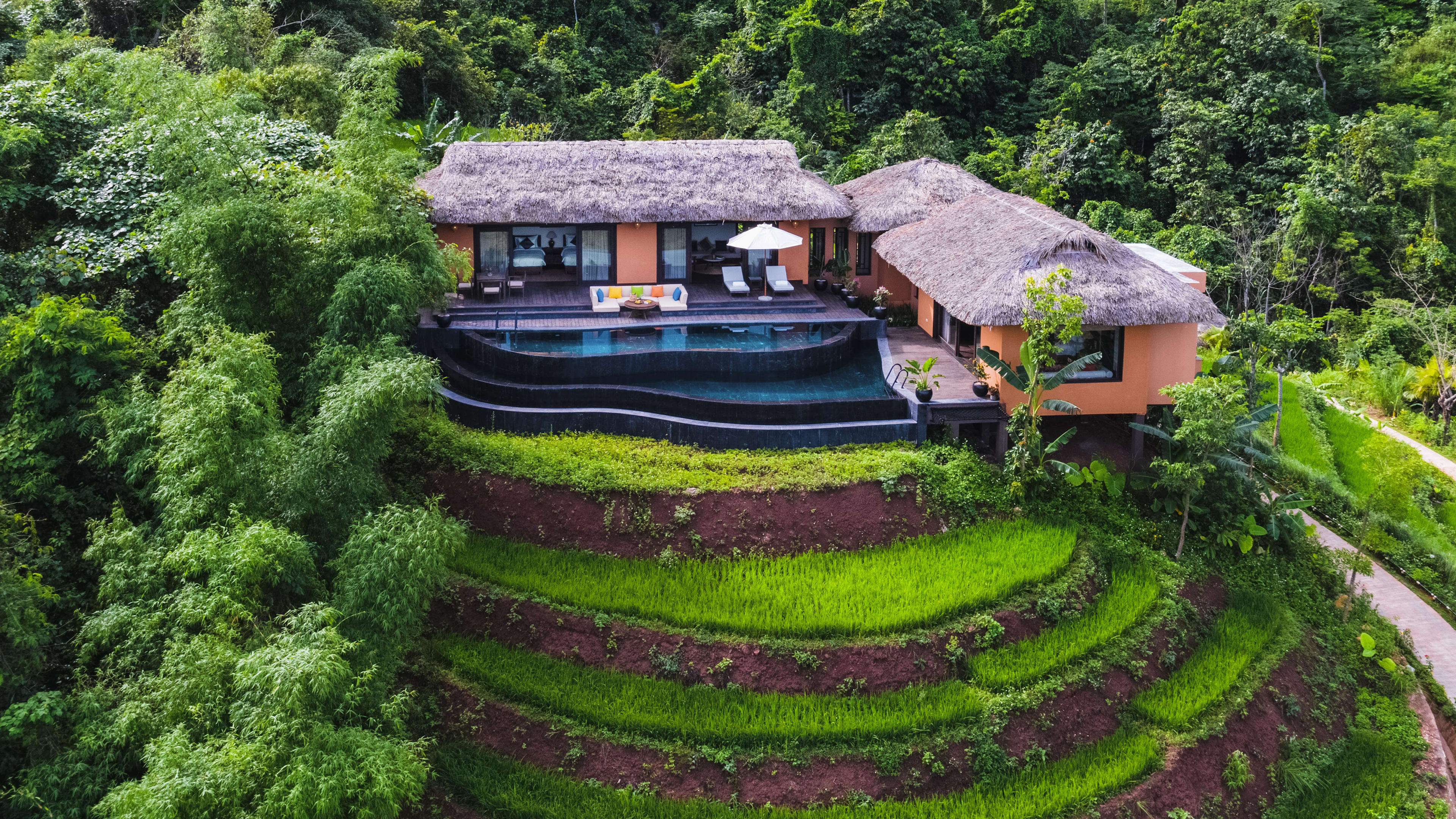
Avana Retreat
High-tier cultural hotpot
Mai Chau mountain valley
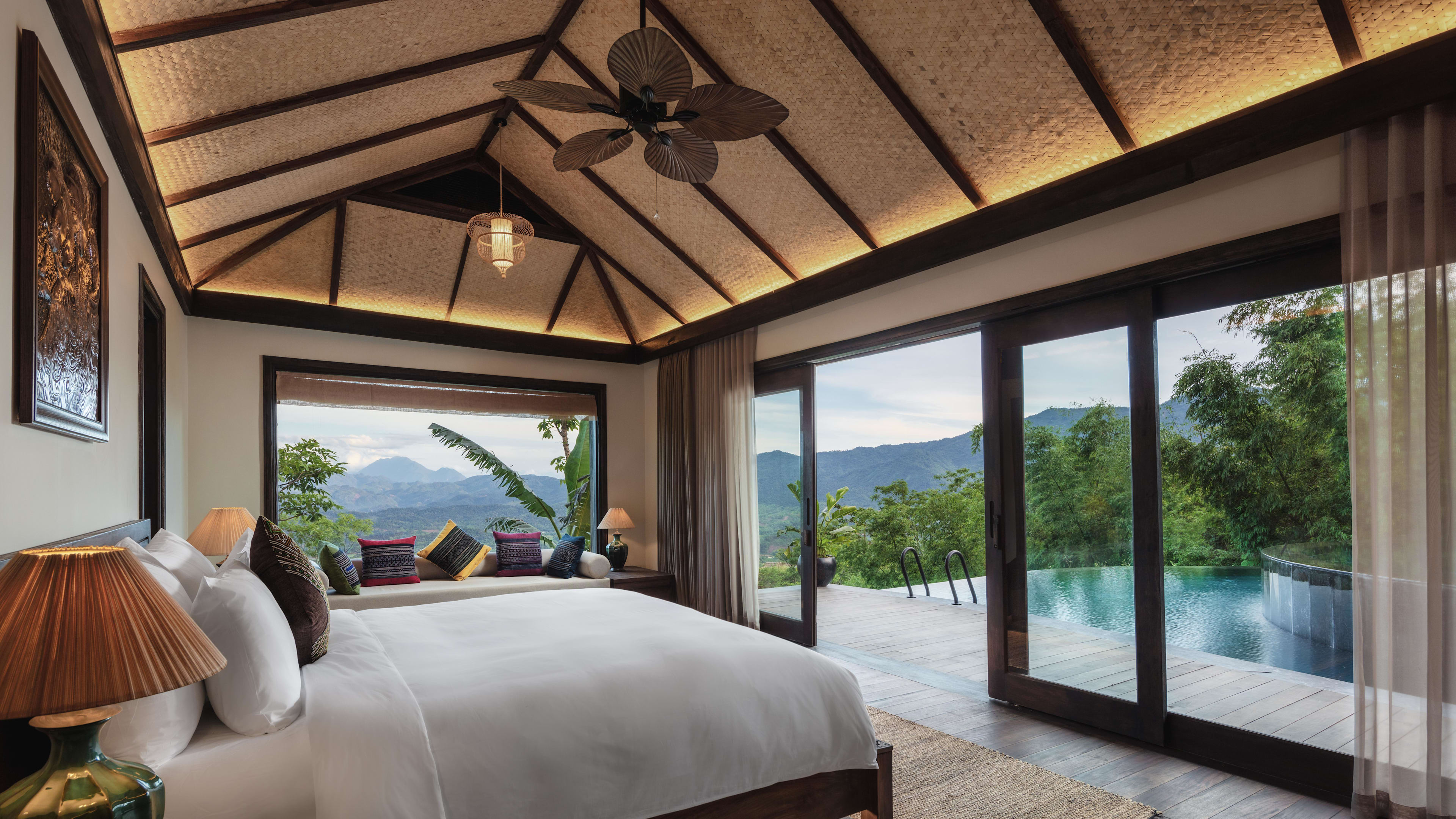
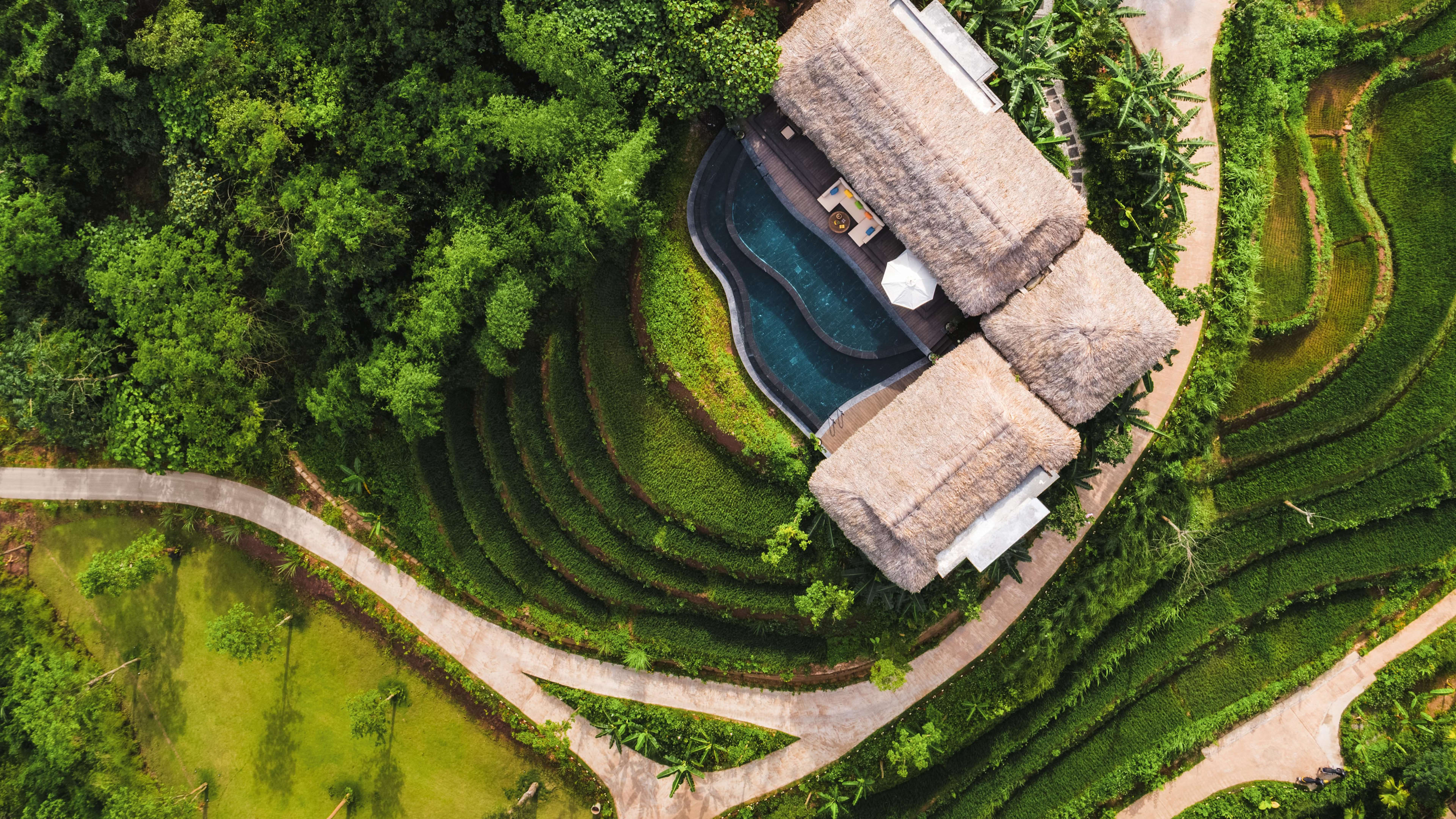
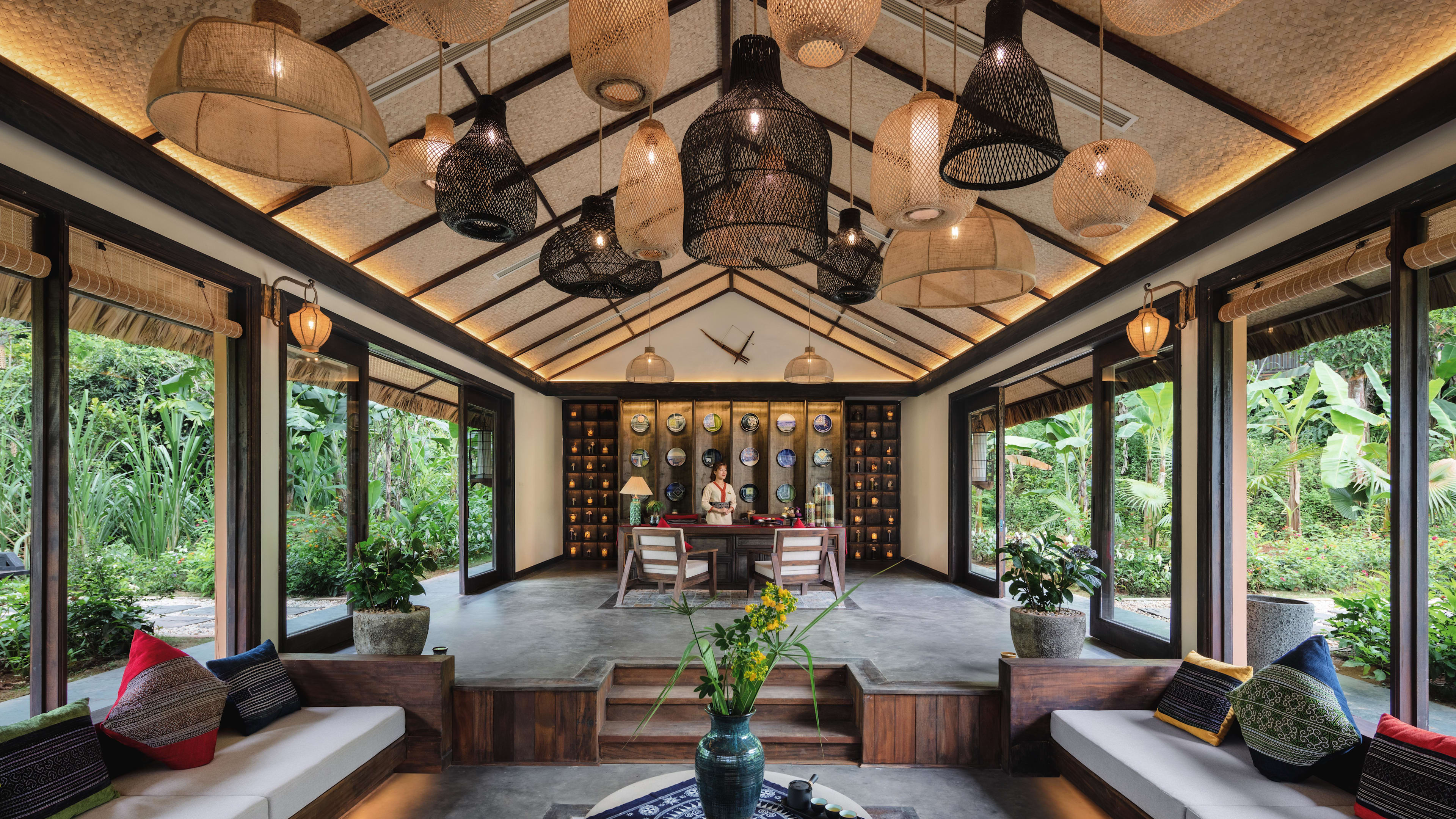
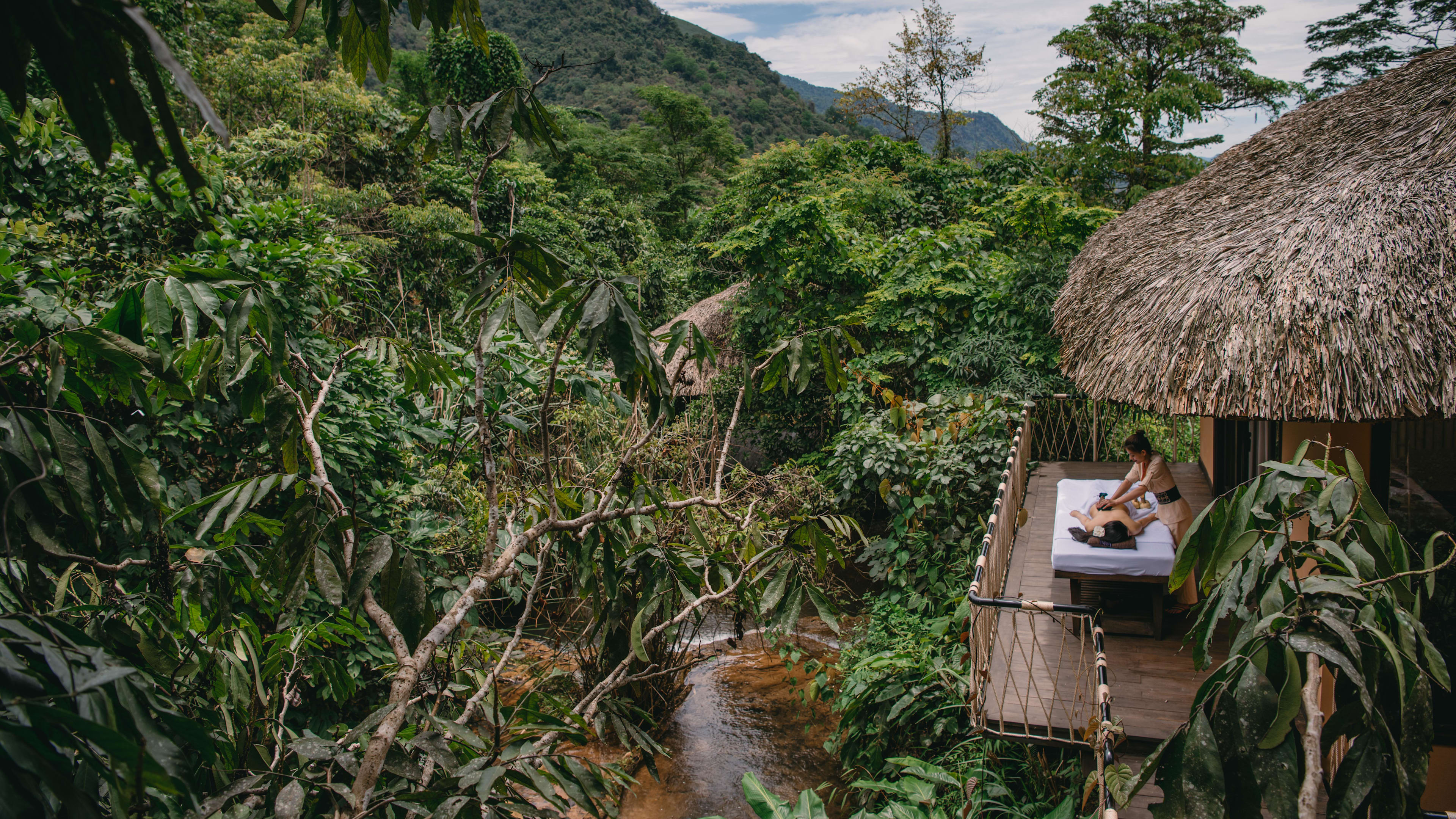
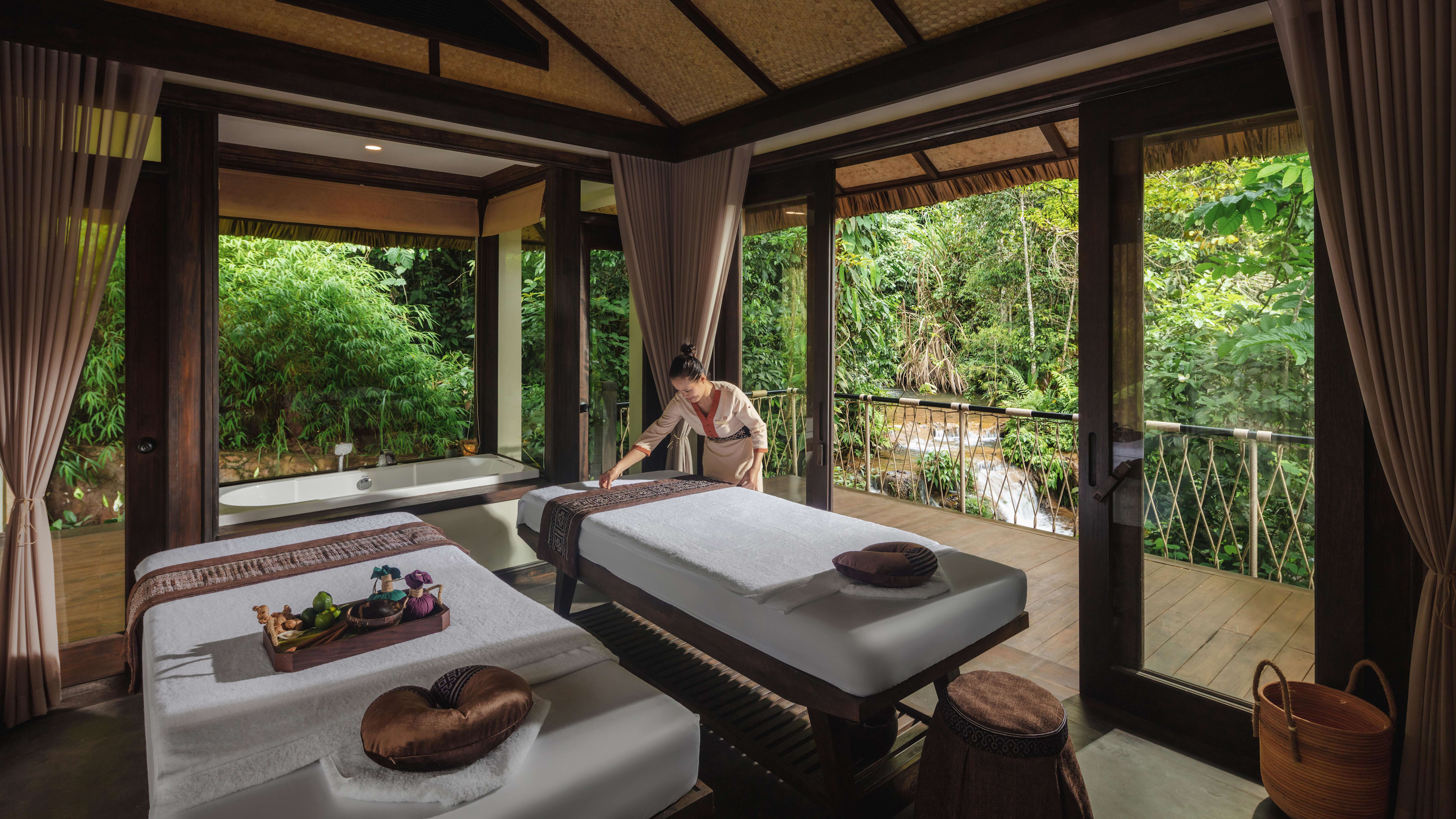
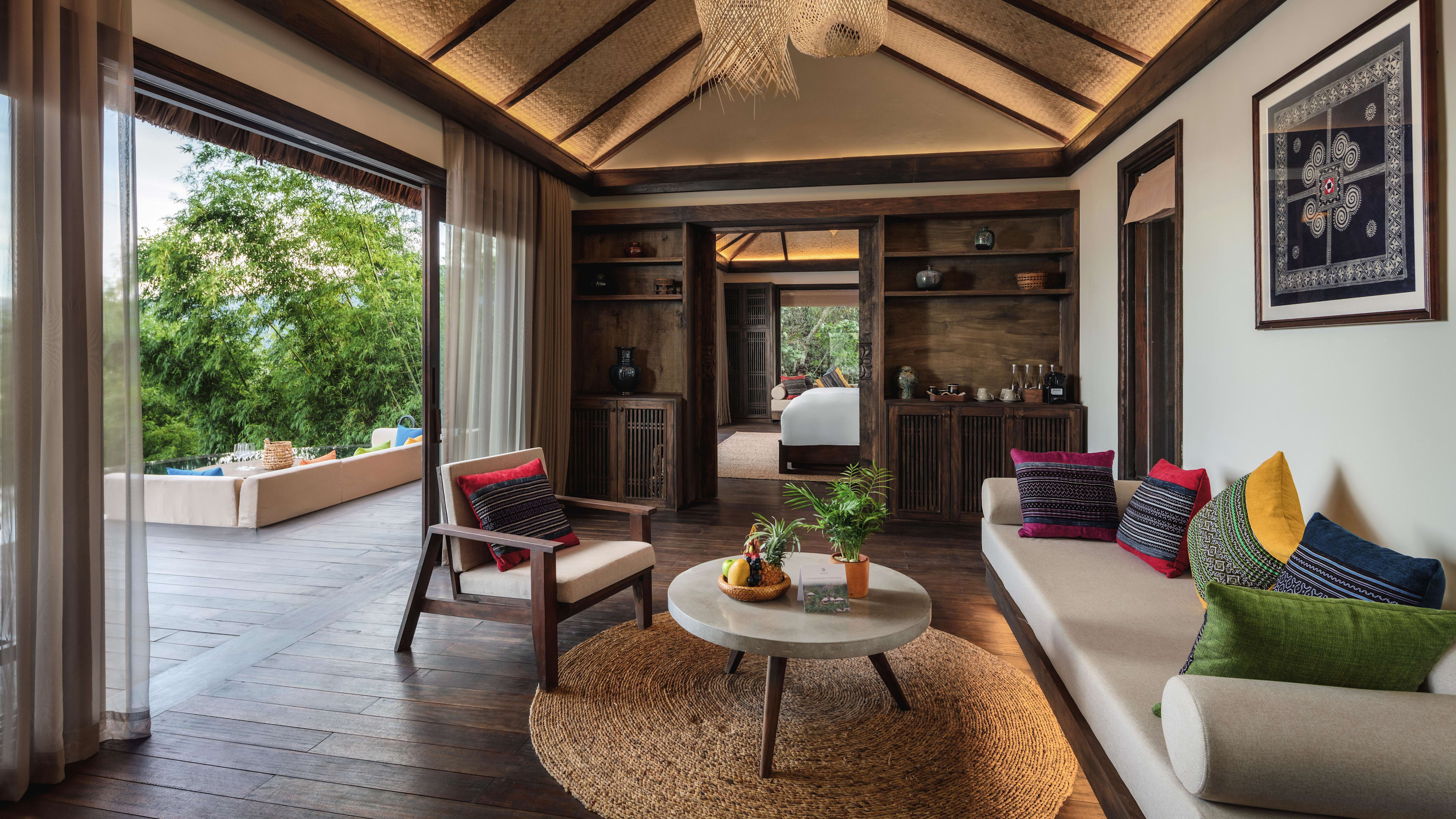
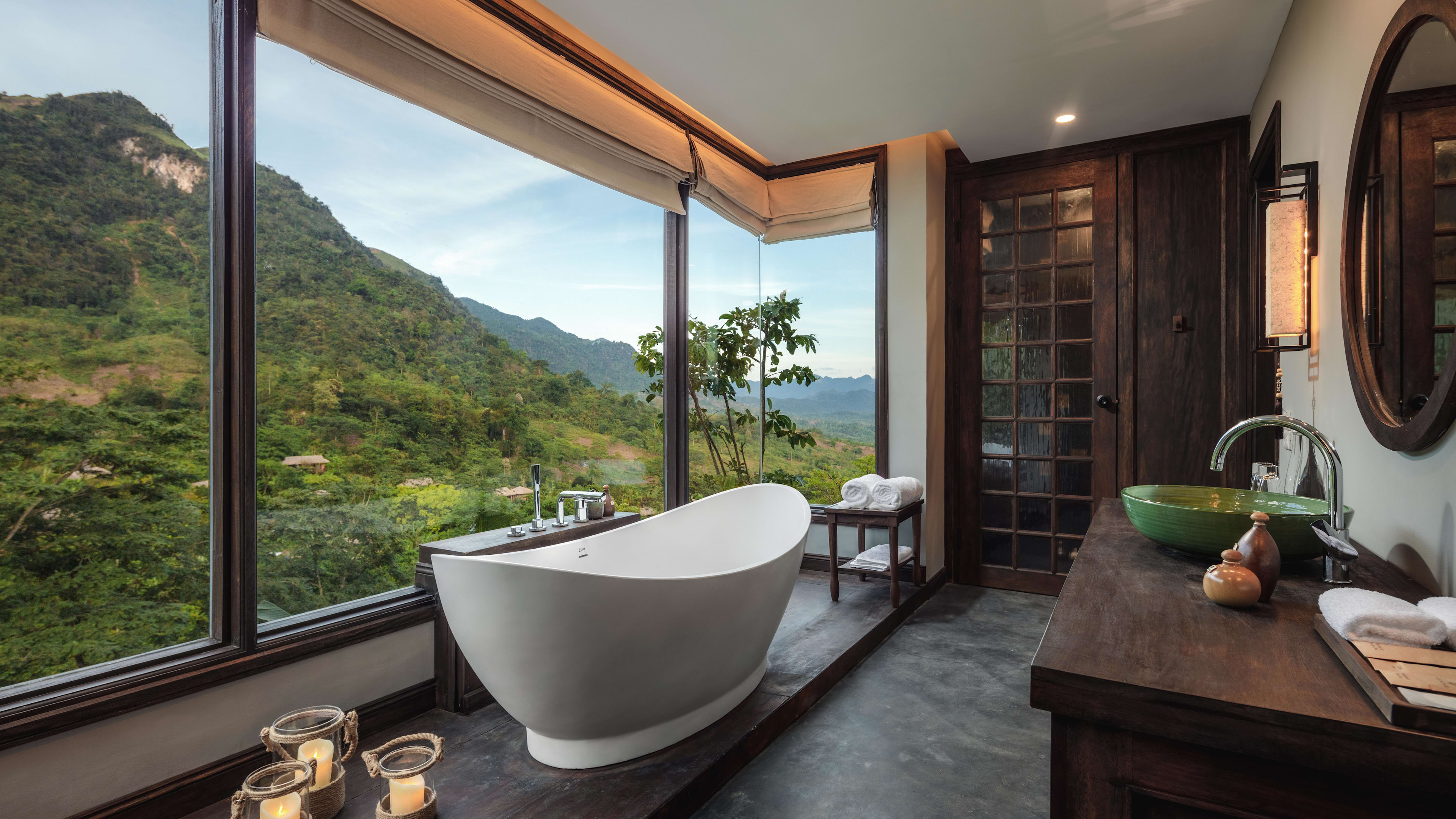
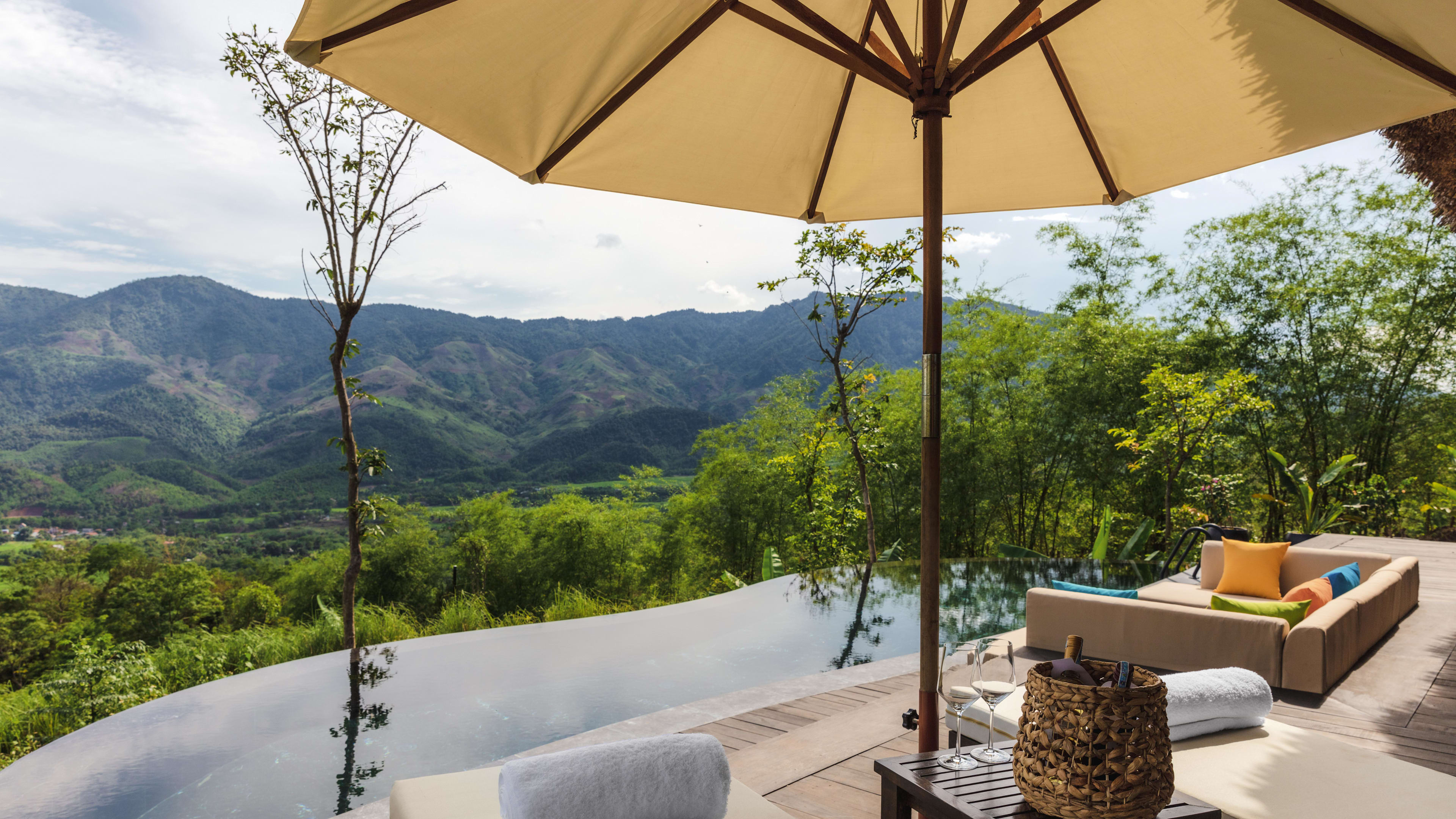
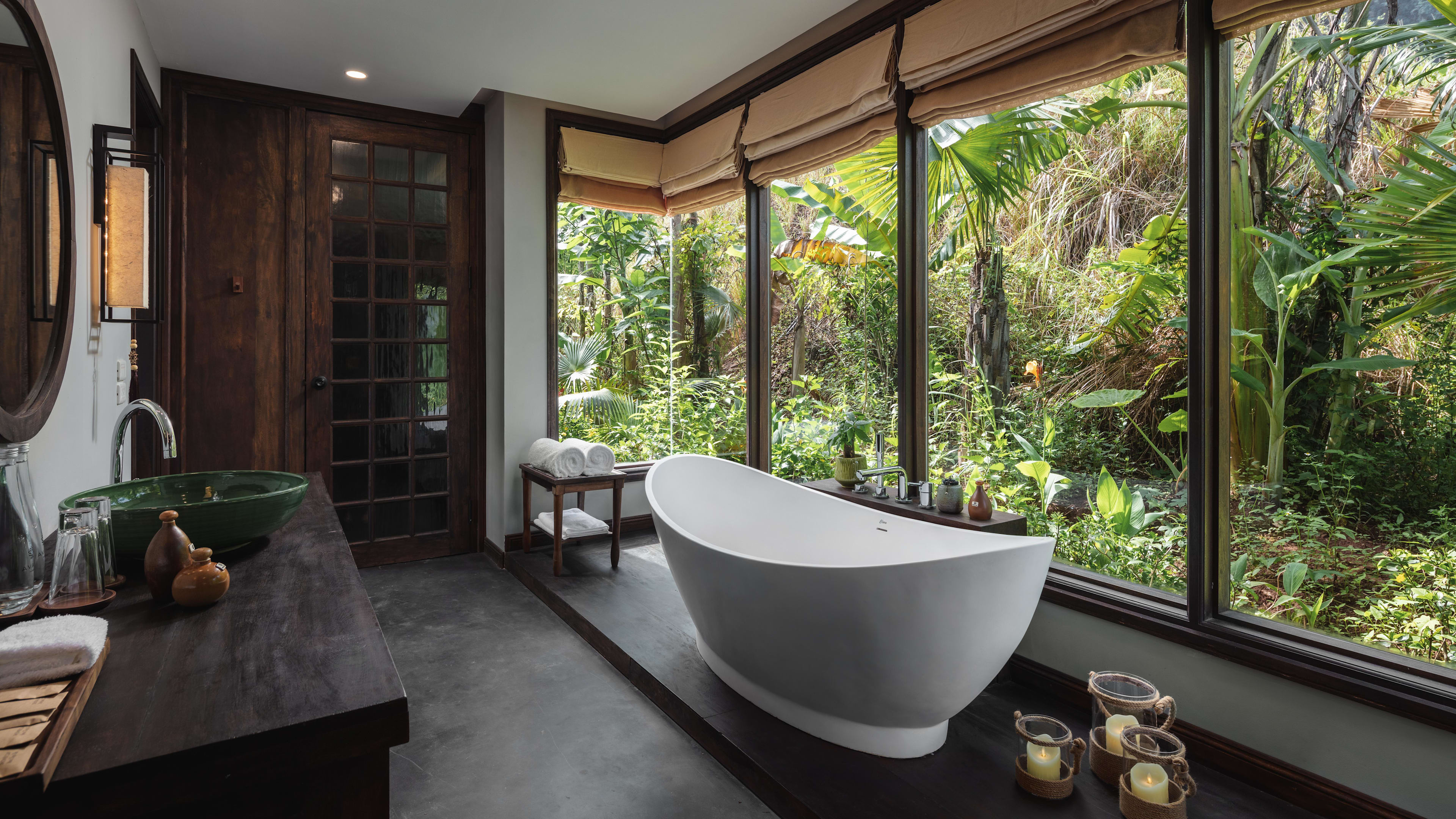
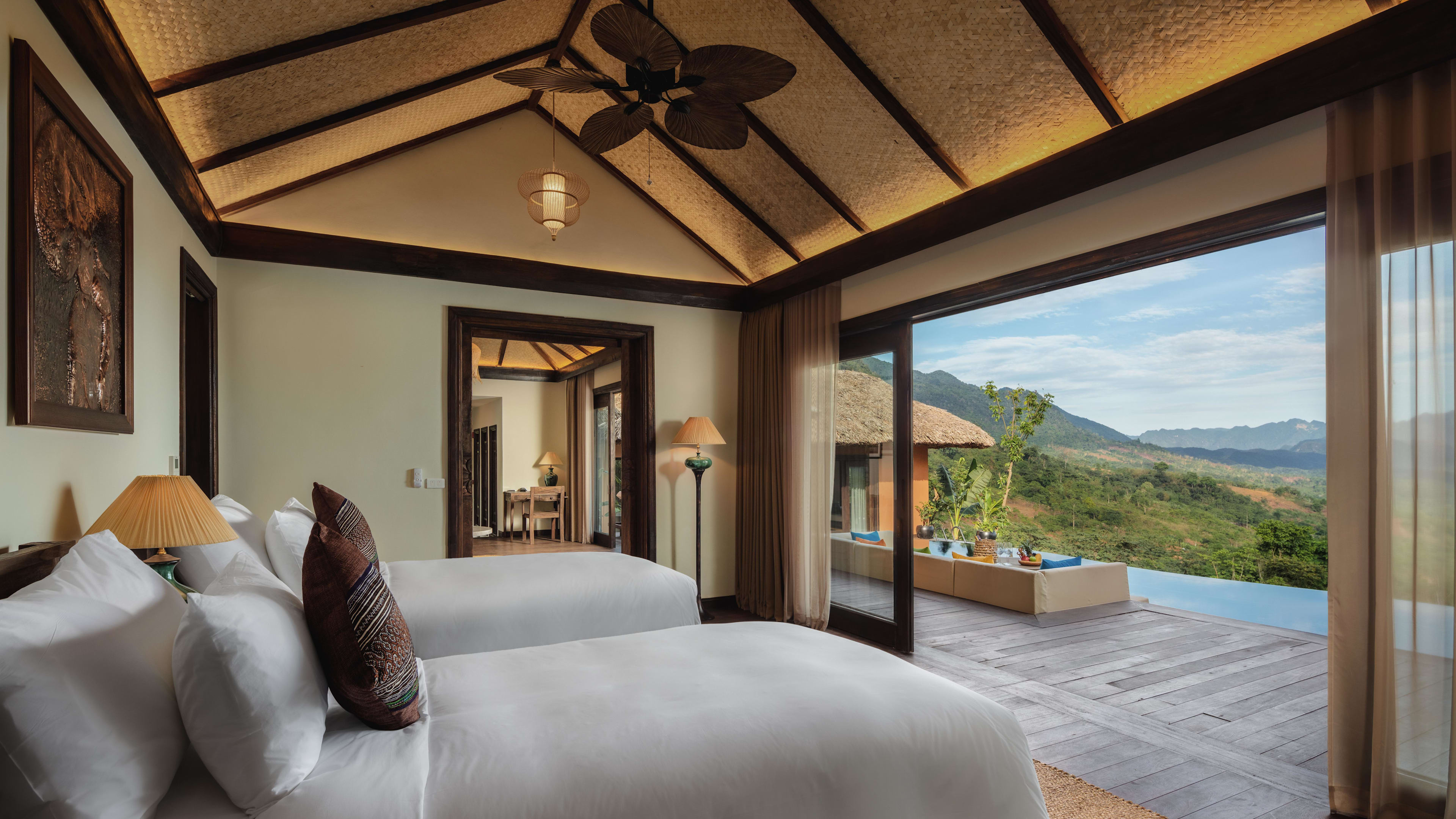
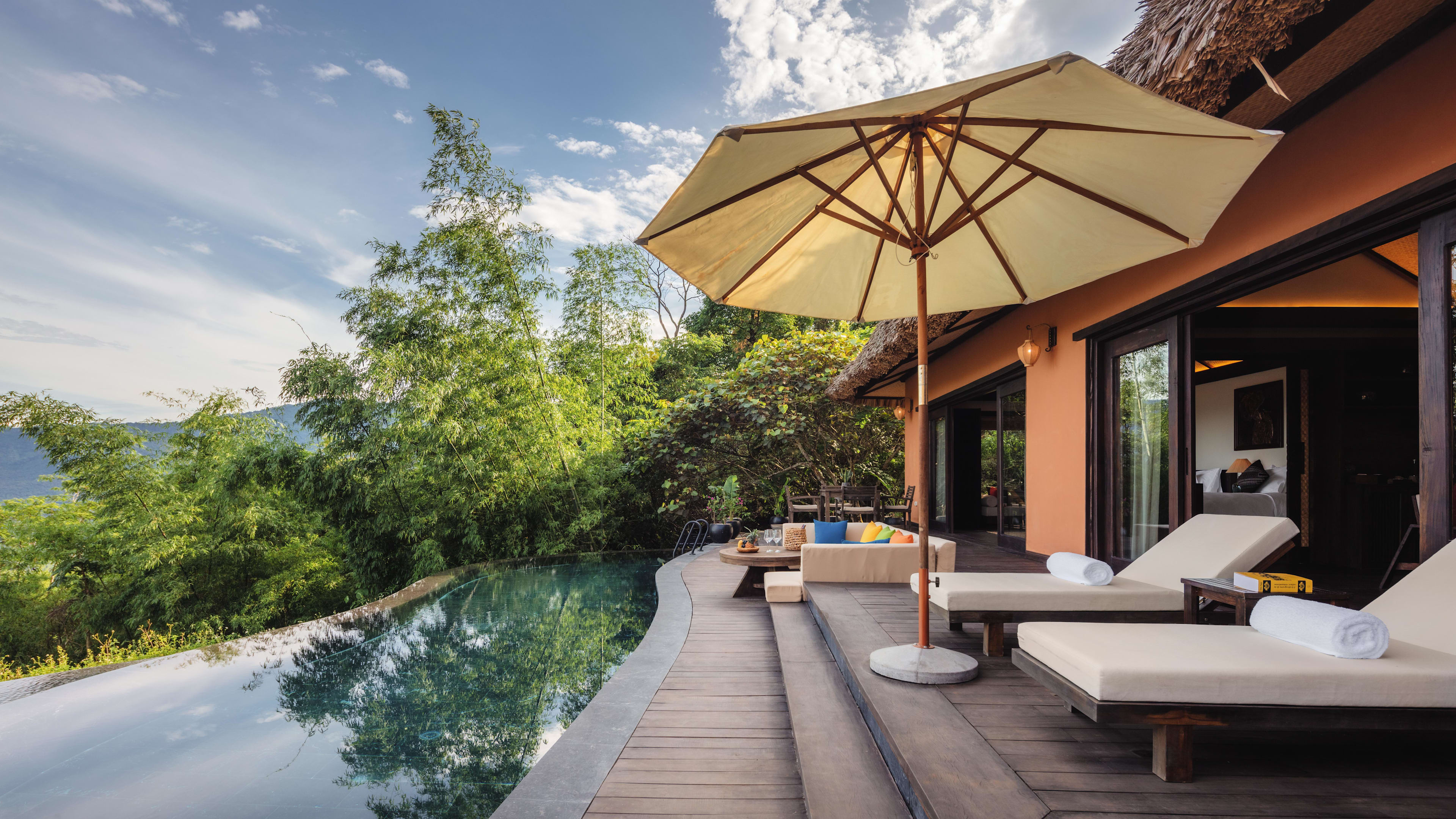
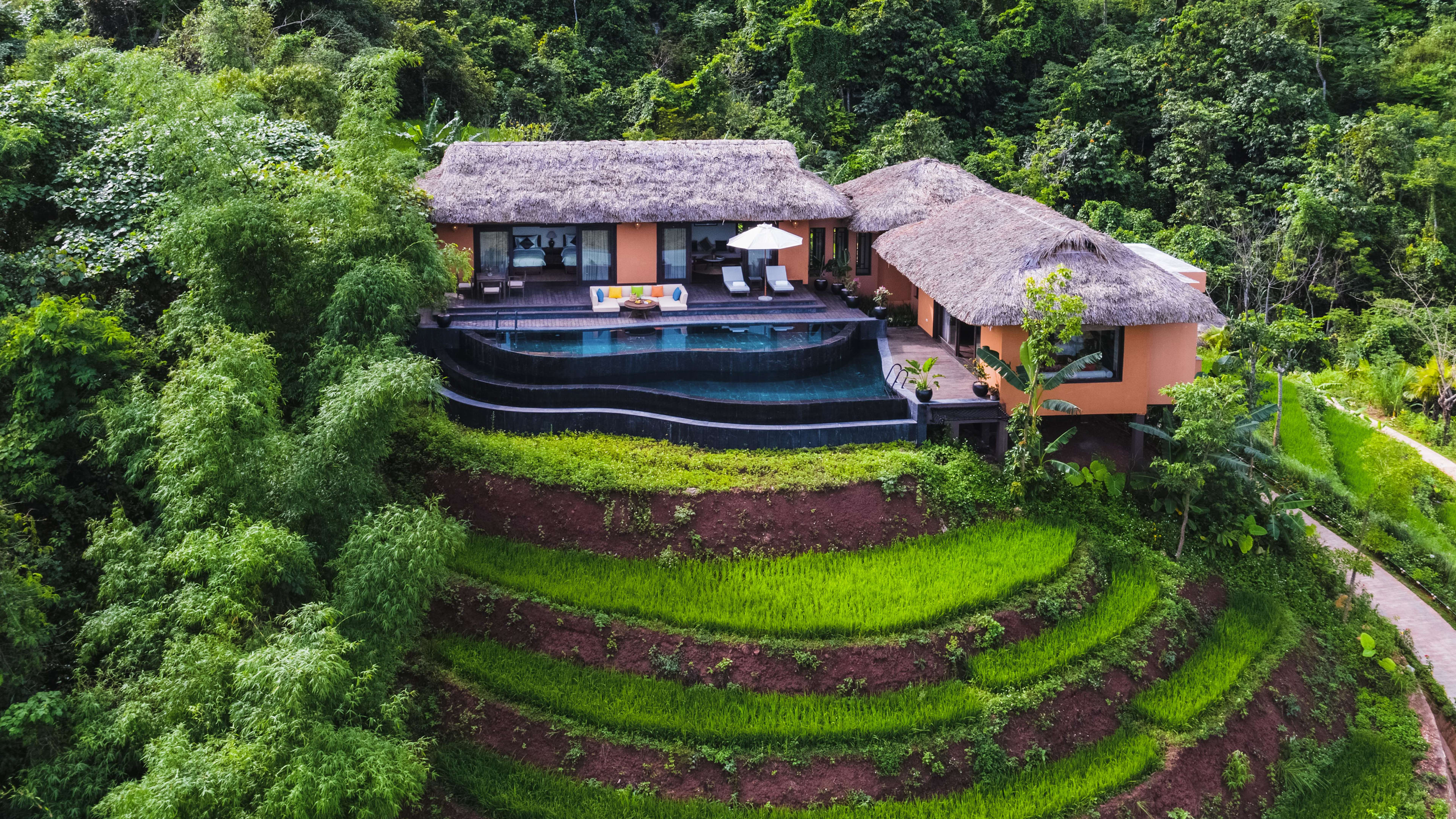
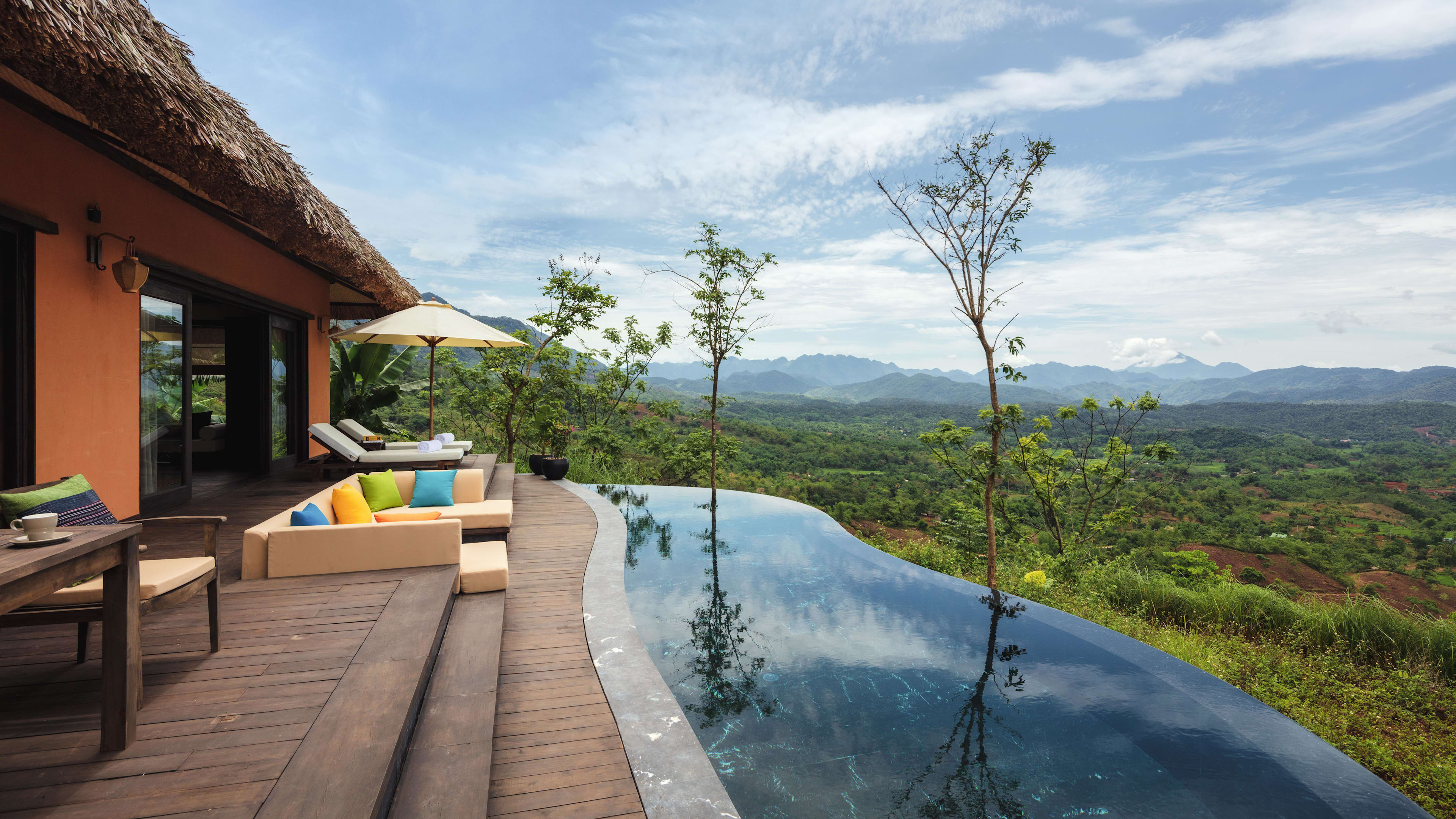
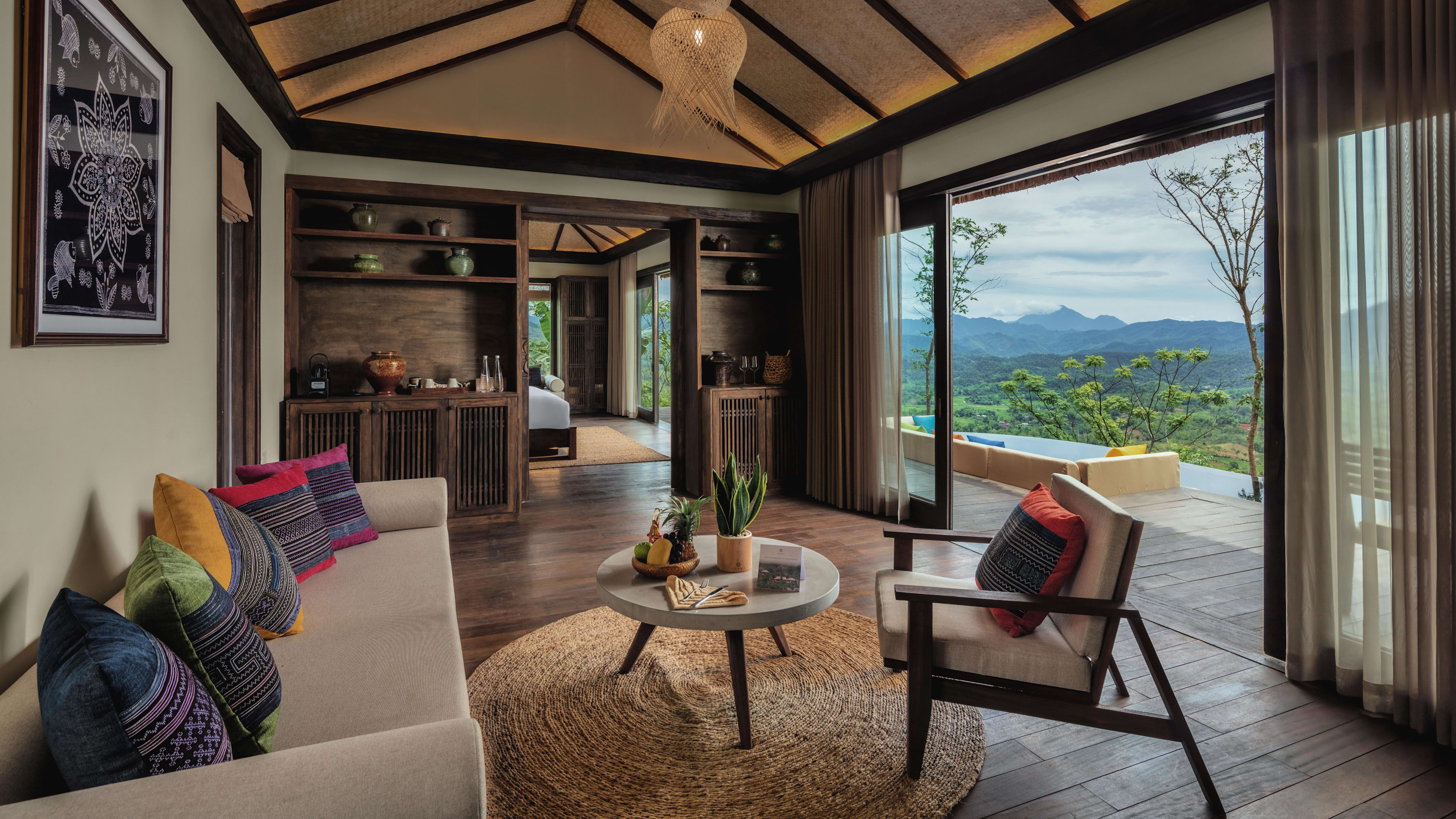
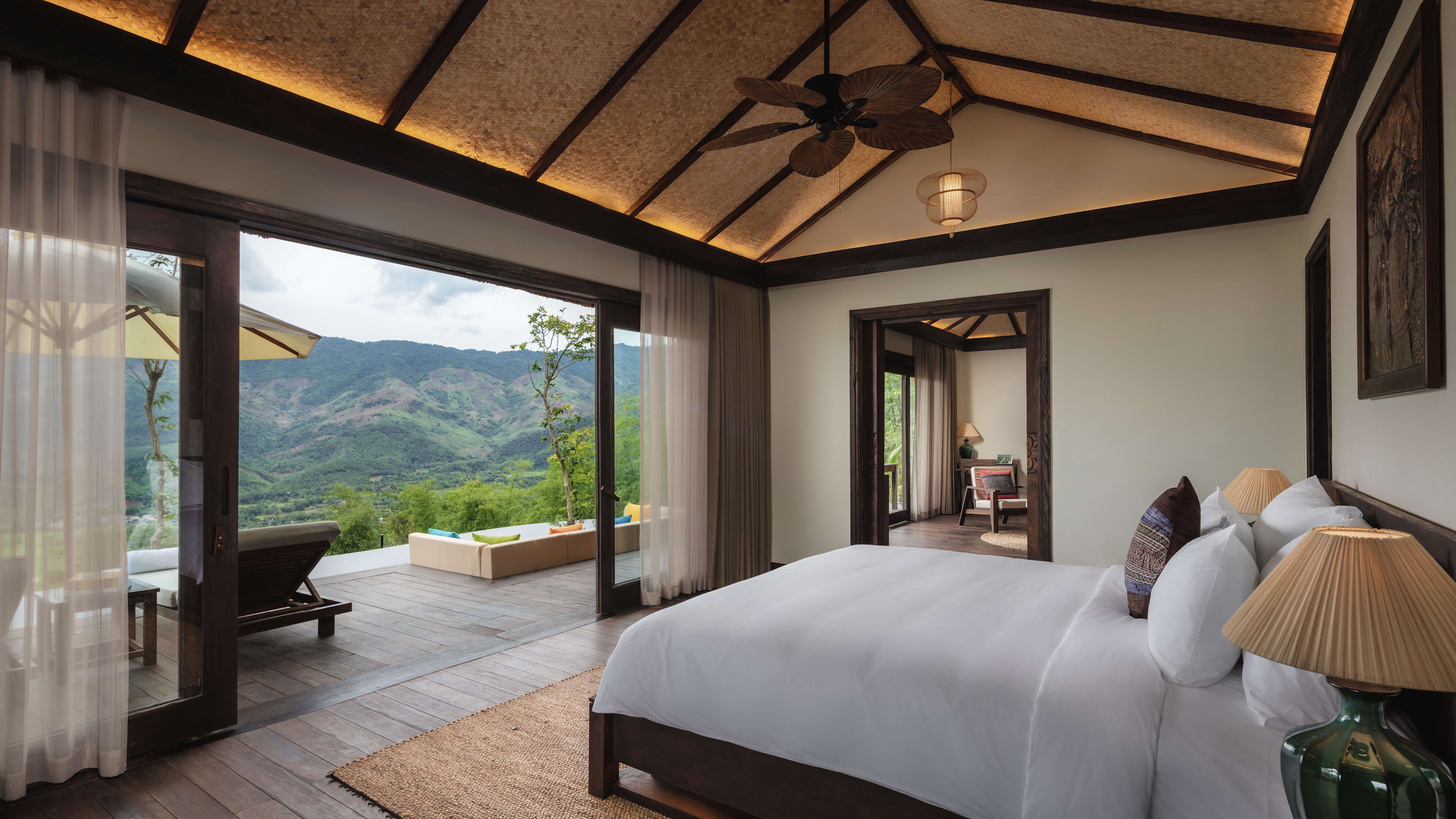
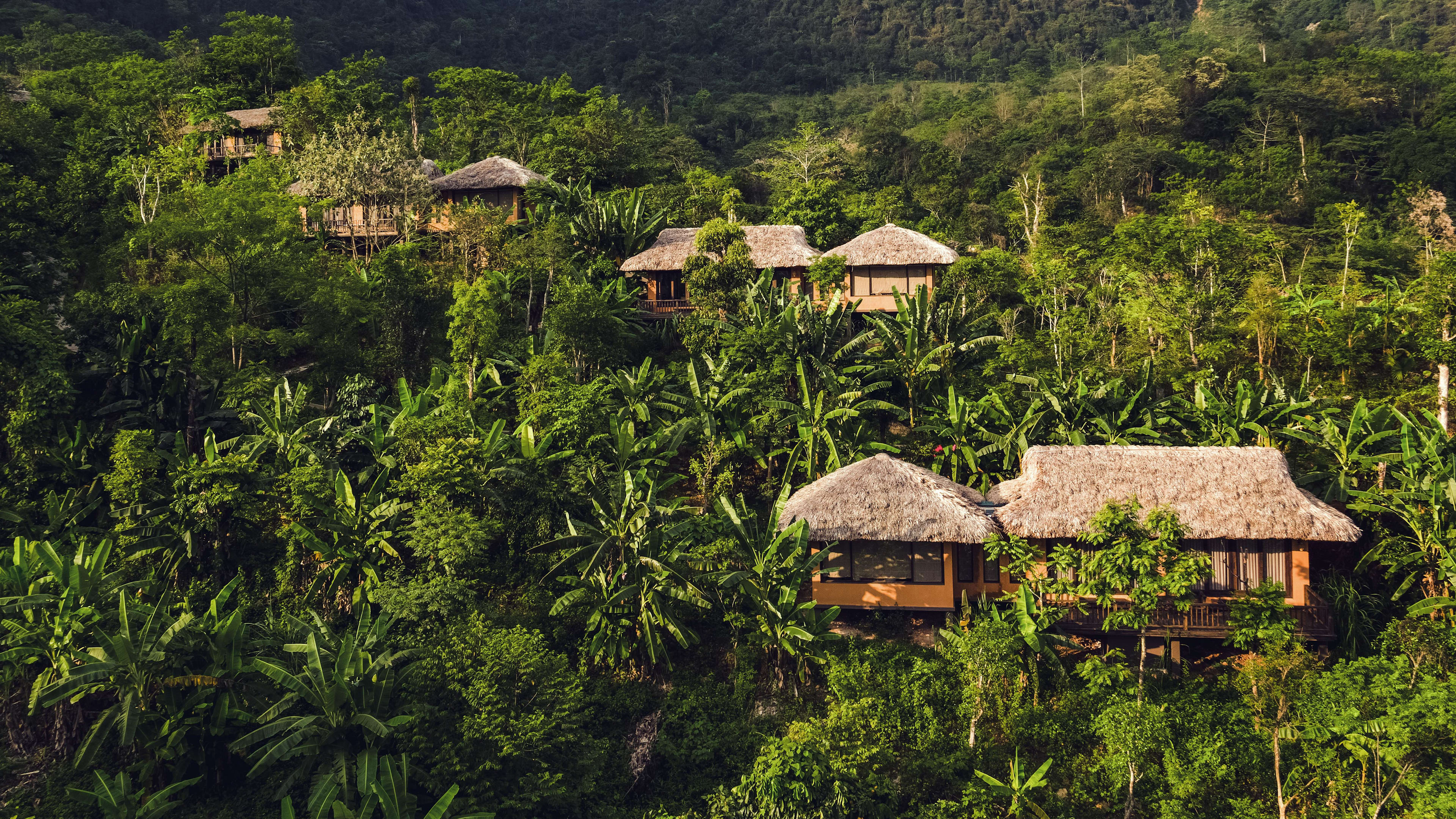
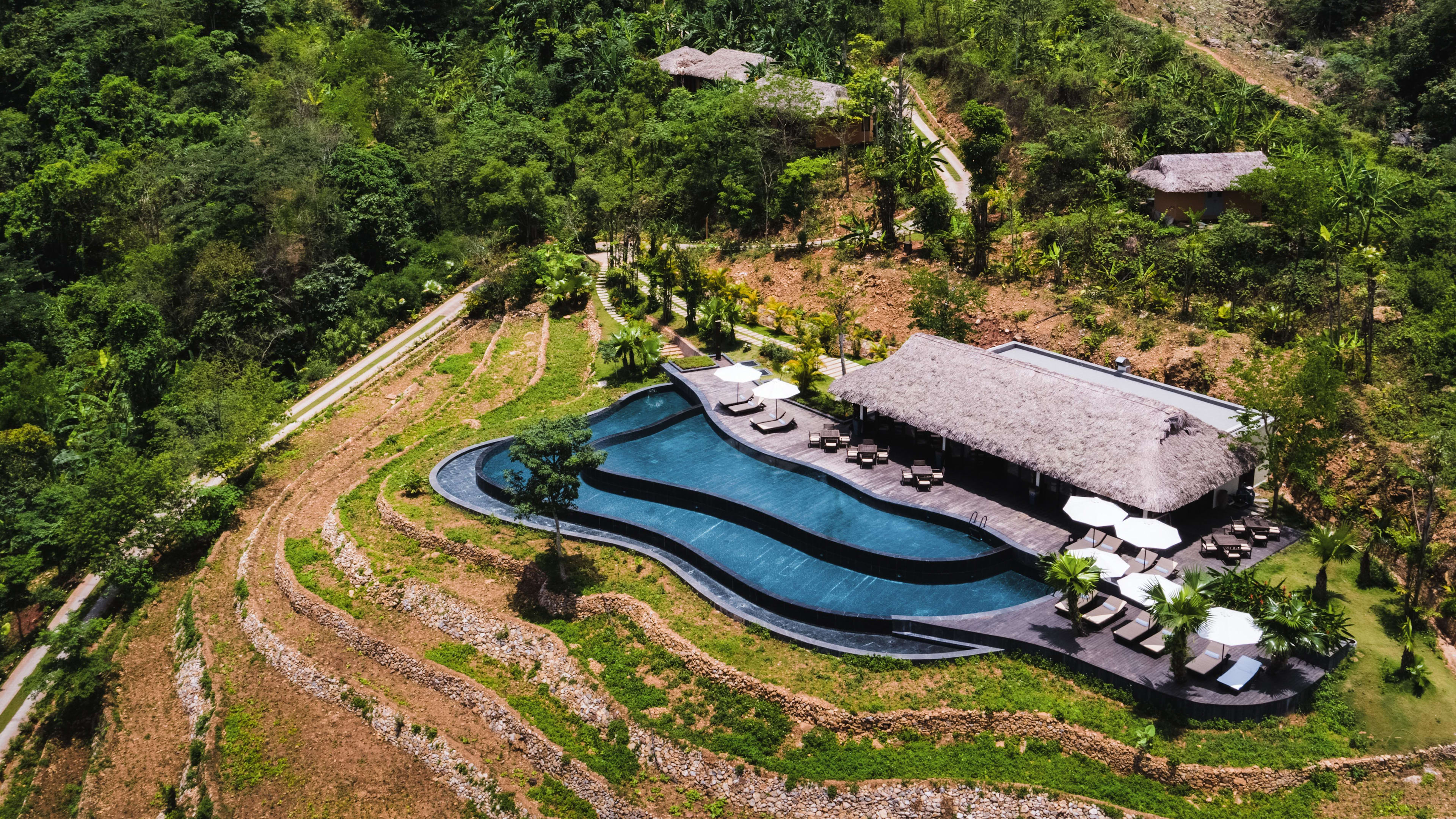
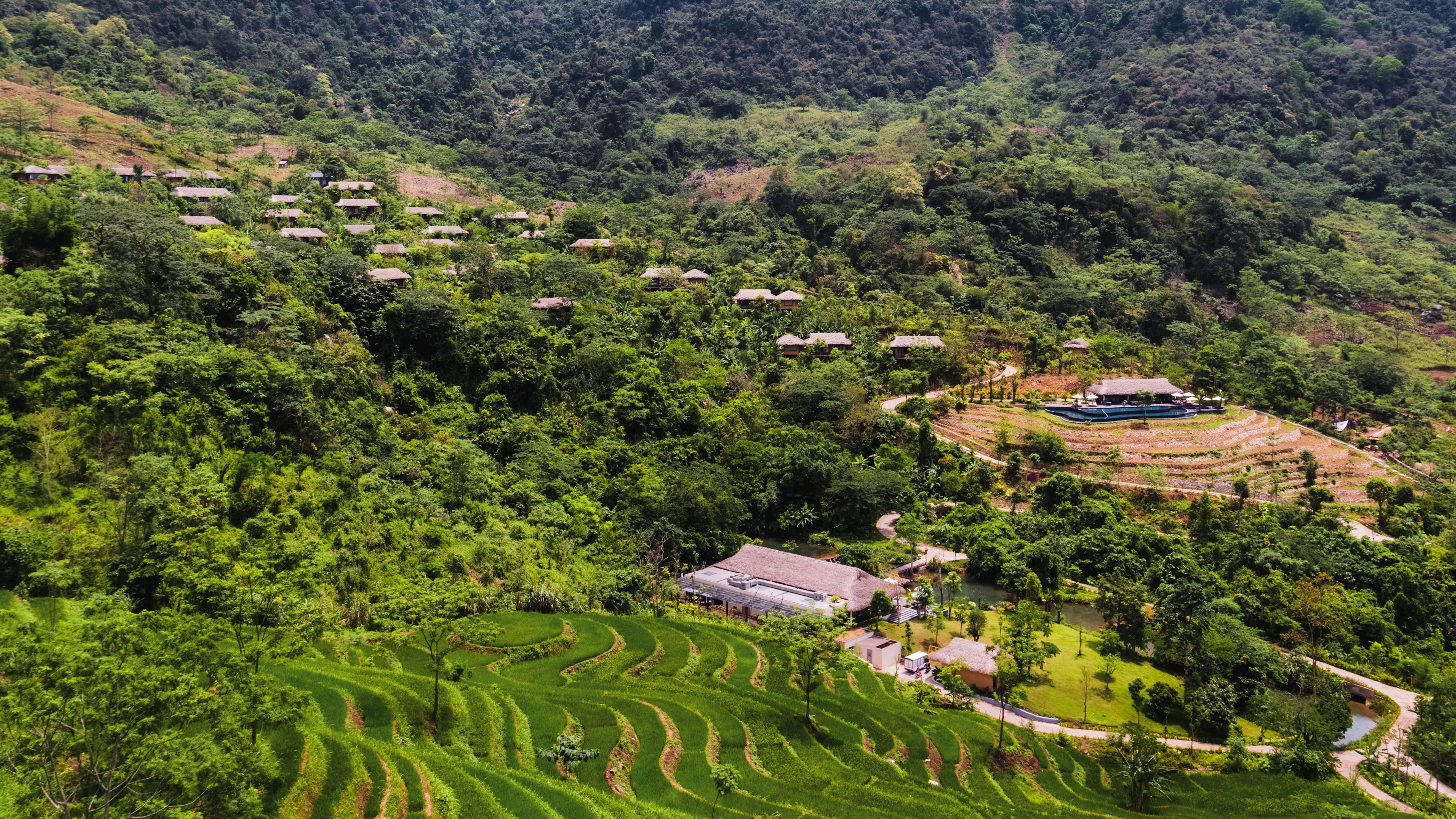
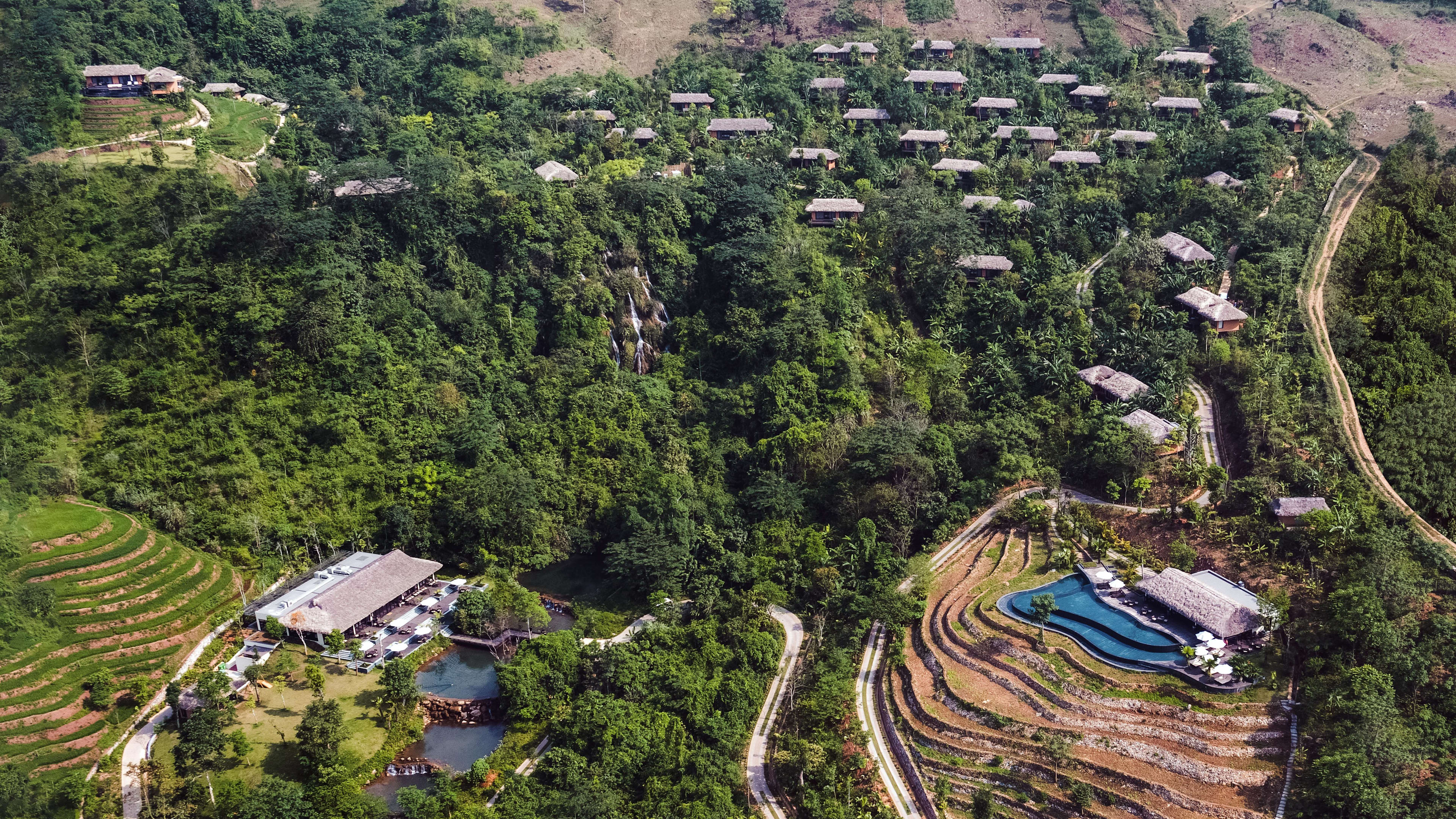
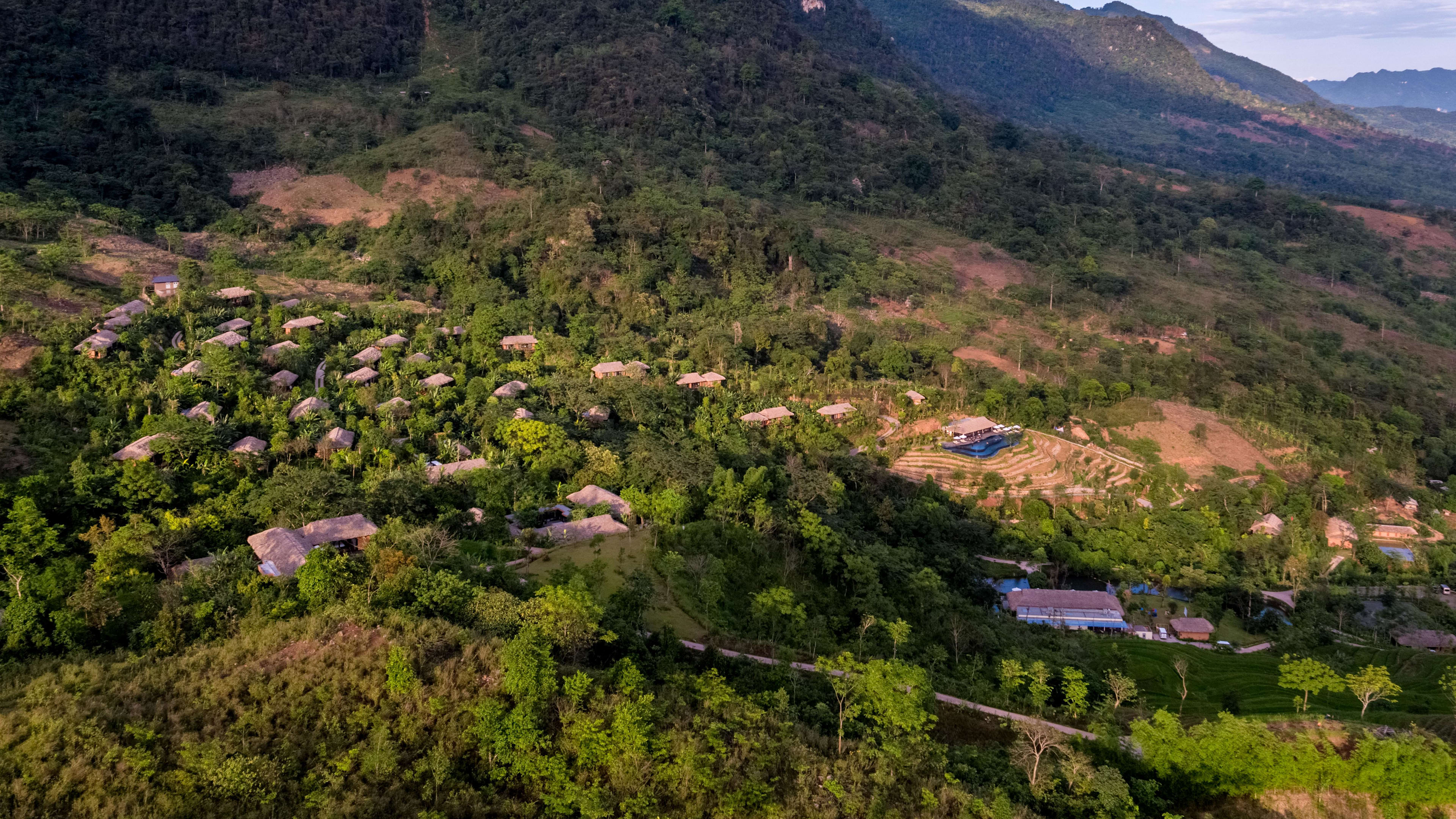
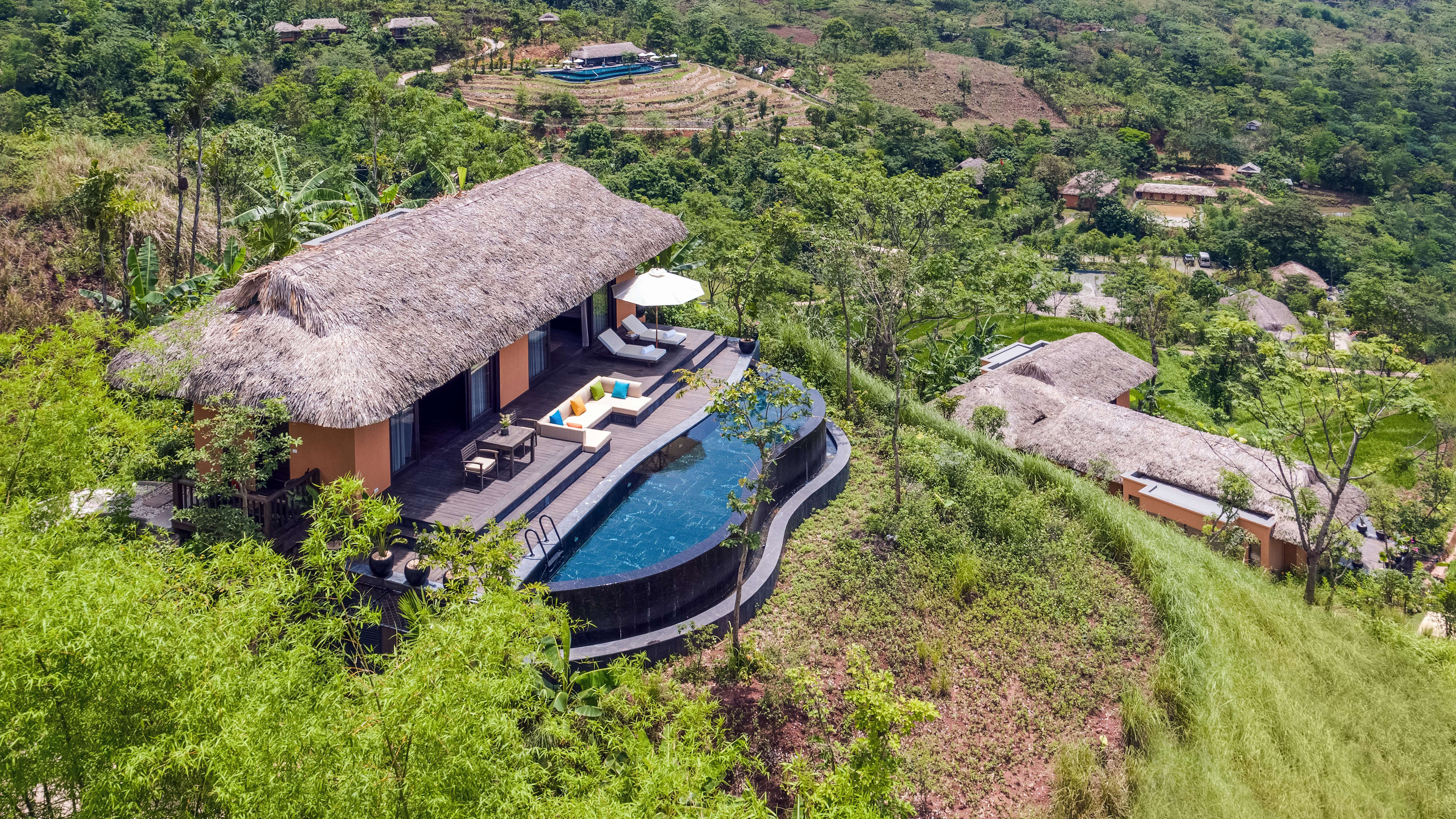
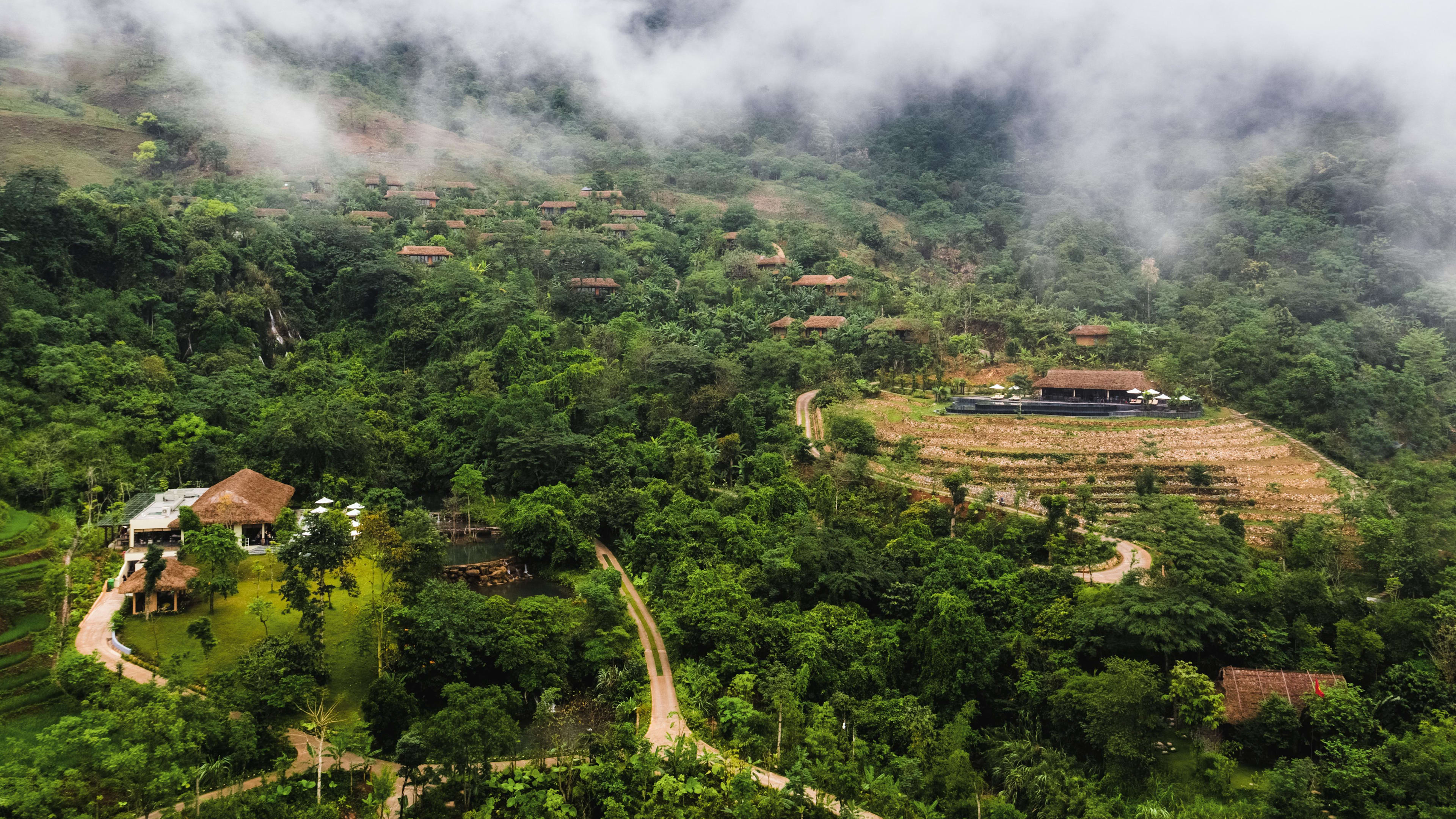
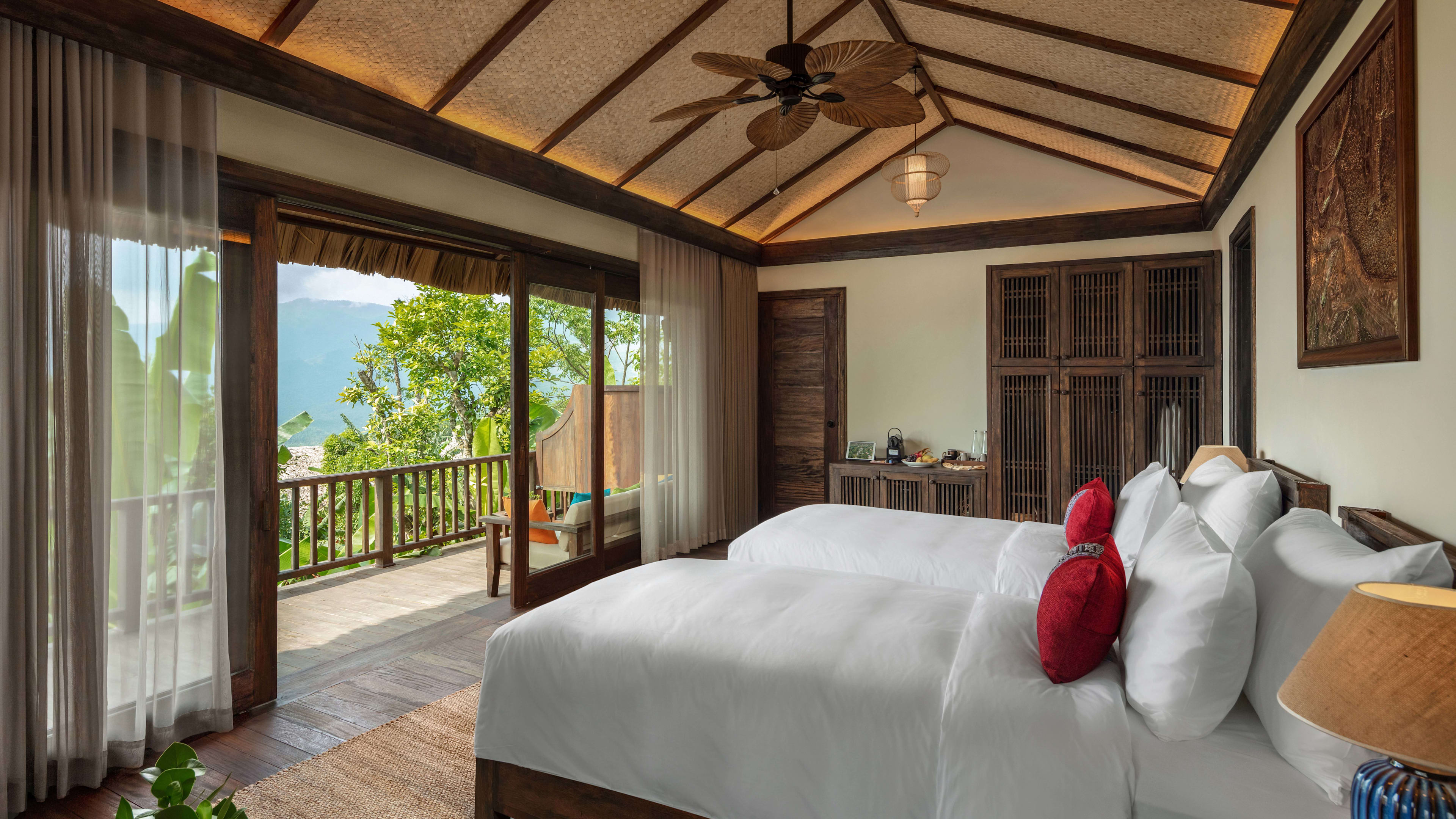
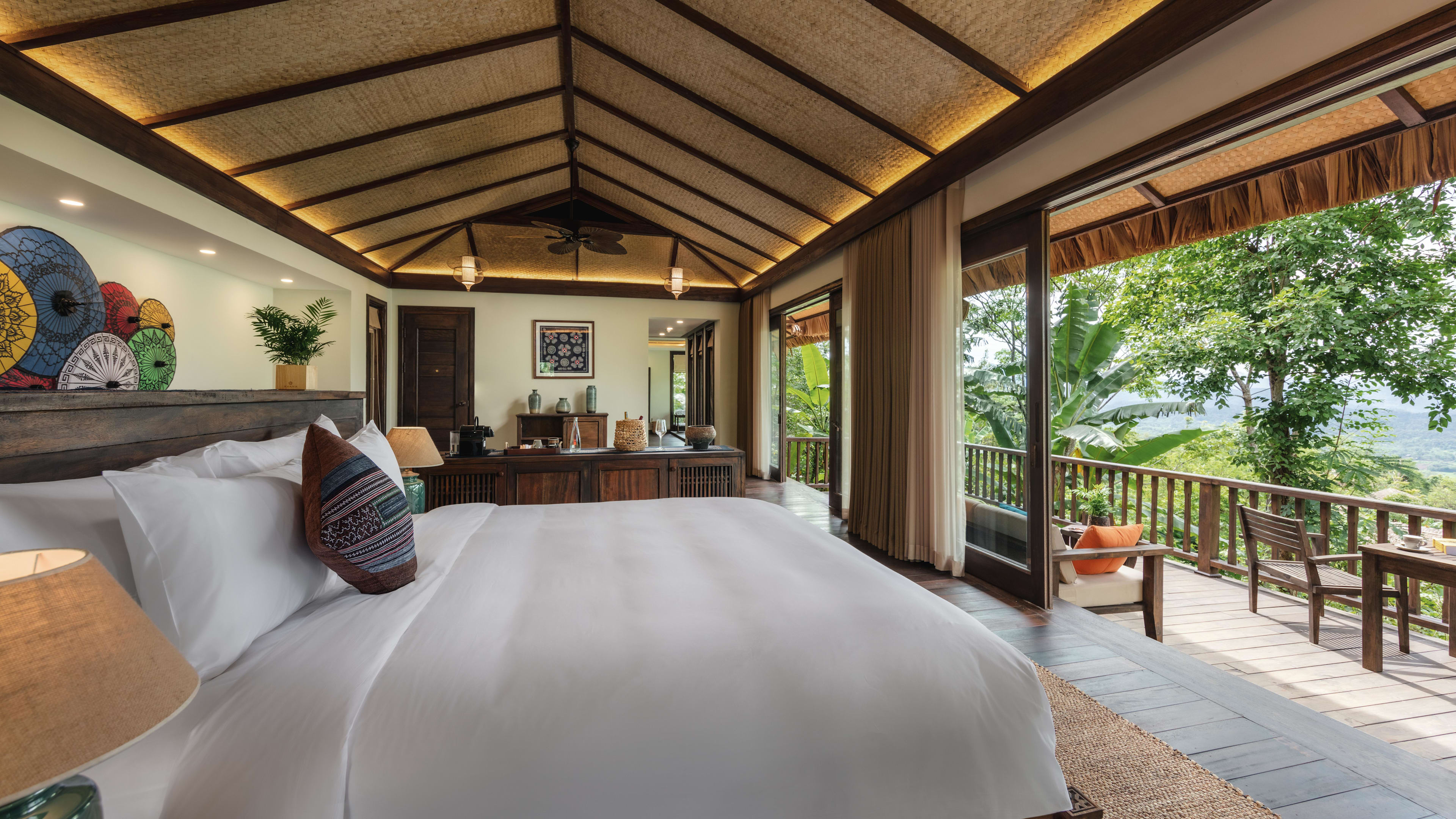
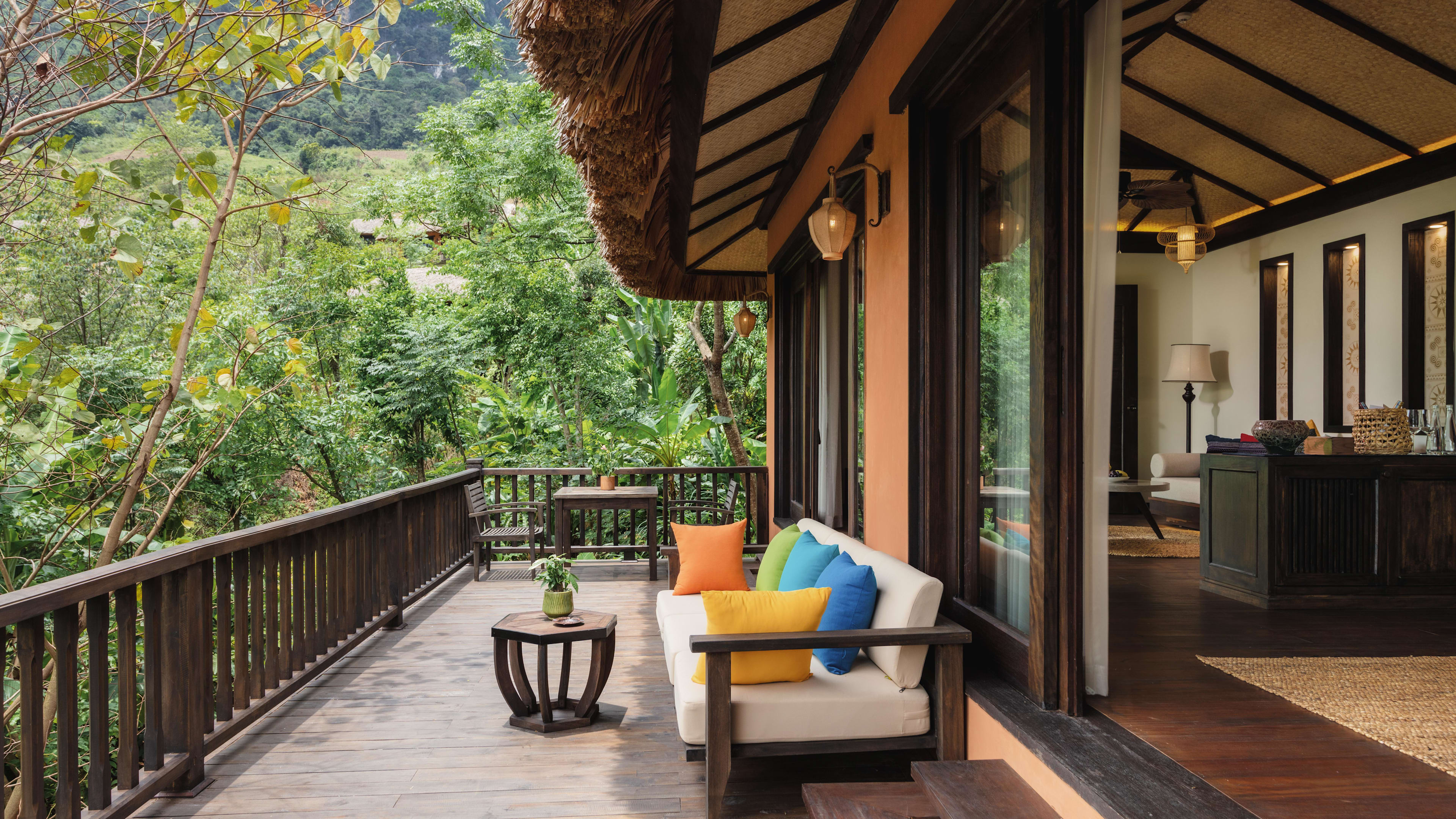
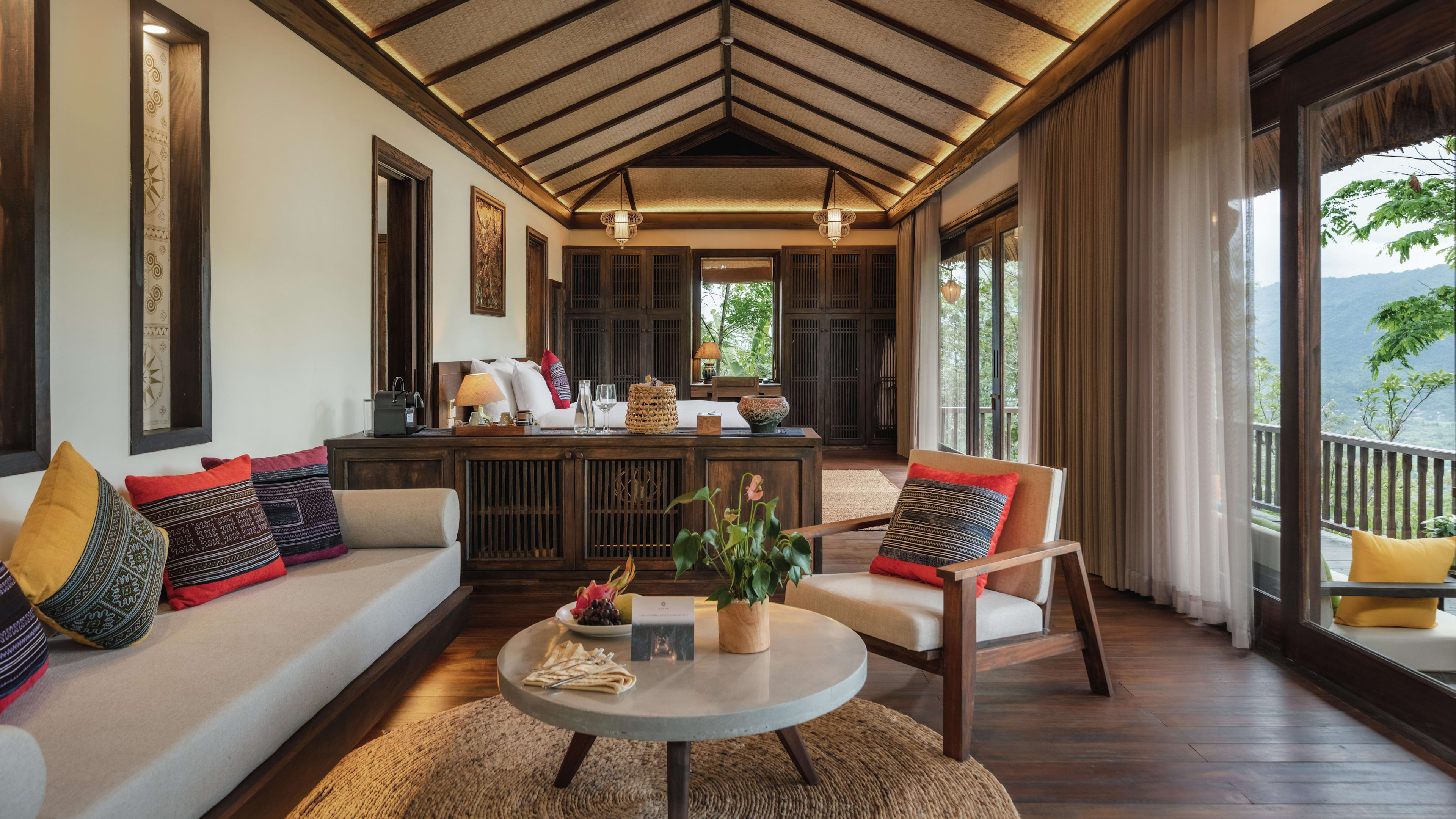
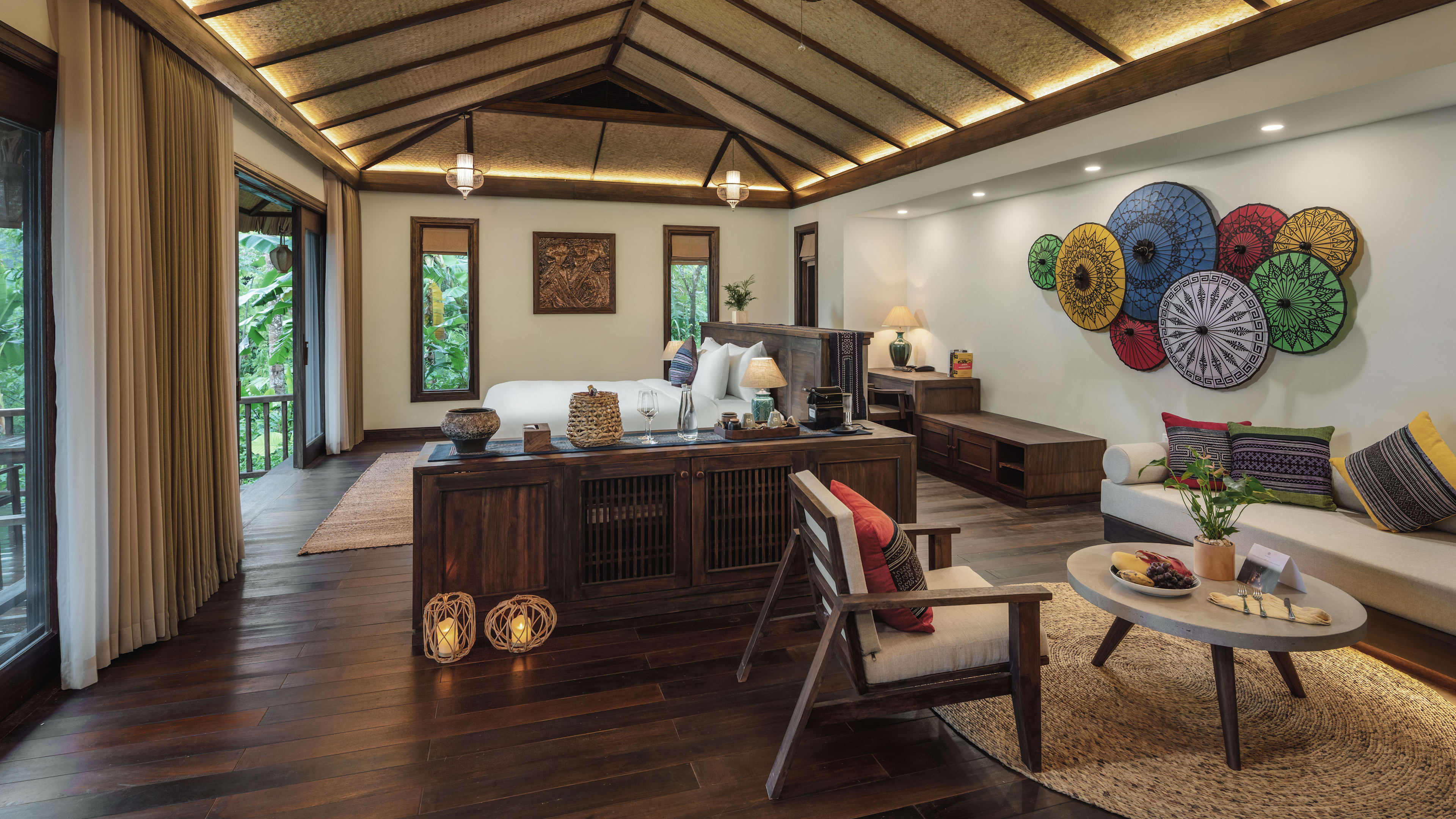
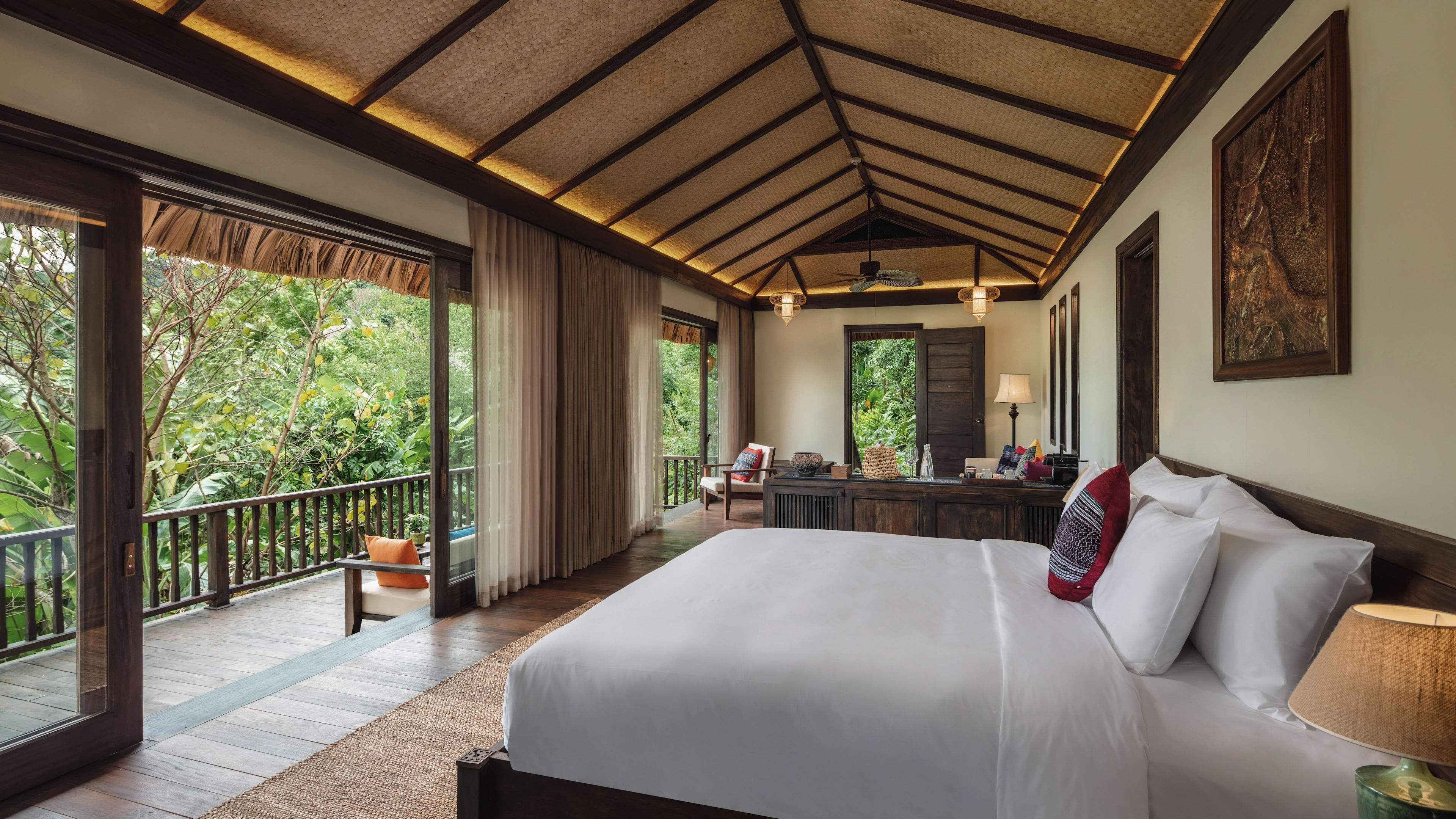
Vietnam’s Avana Retreat is an otherworldly stay in the greener – and maybe more fantastical – Emerald City, a lush rural region of Mai Chau: all deep leafy valleys, flower-dotted peaks and the kind of picturesque clouds you’d expect angelic hosts to hang out on. It’s luxurious, with a three-tiered pool, happy hours that lose track of time, a whole enclave dedicated to spa healing, and flavoursome bowls of pho. But it also has more layers than its terraced paddies, celebrating Thai, Hmong and Muong cultures with a museum in a traditional stilted hut, village visits and free craft sessions. A richly immersive stay all round.
Planes
The closest international airport is Hanoi’s Noi Bai, around a four-hour drive away; transfers can be arranged for VND500,000 a seat, one-way, with pick-ups at Hanoi Opera House (from 7.30am) and Big C Tran Duy Hung (from 8am to 8.15am). And domestic arrivals can touch down at Cat Bi, a five-hour drive away, which also has some direct connections to China.
Automobiles
Avana Retreat’s serene green location is largely due to it being sequestered away in Mai Chau’s mountains. Once onsite you won’t really need to leave, but wheels will be essential in ferrying you there and back. You’re a two-hour drive from Pu Luong, Thanh Hoa and Moc Chau; a four-hour drive from Hanoi or Ninh Binh; and a six-hour drive from Ha Long. There’s free parking when you arrive.
Worth Getting Out of Bed For
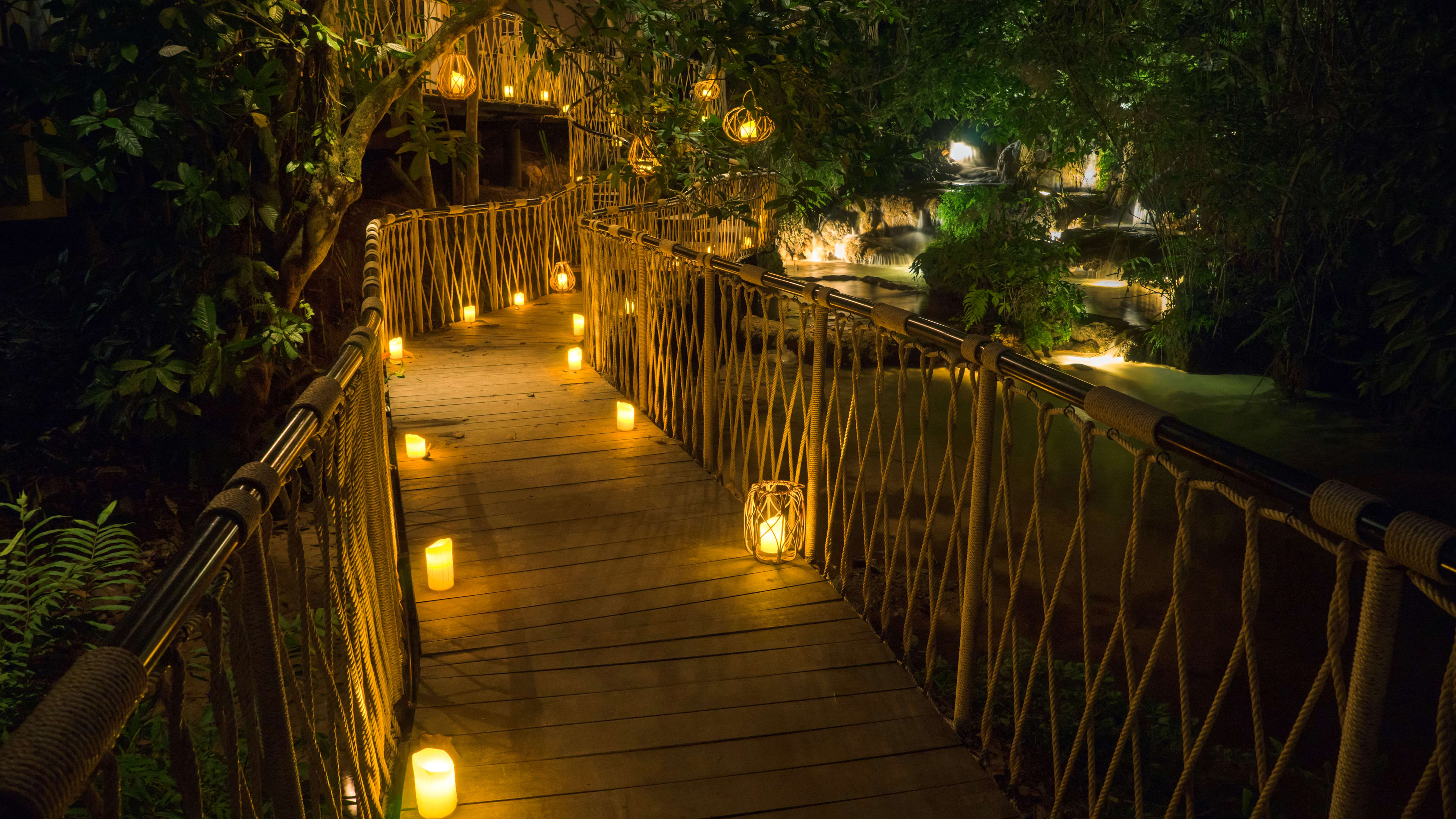
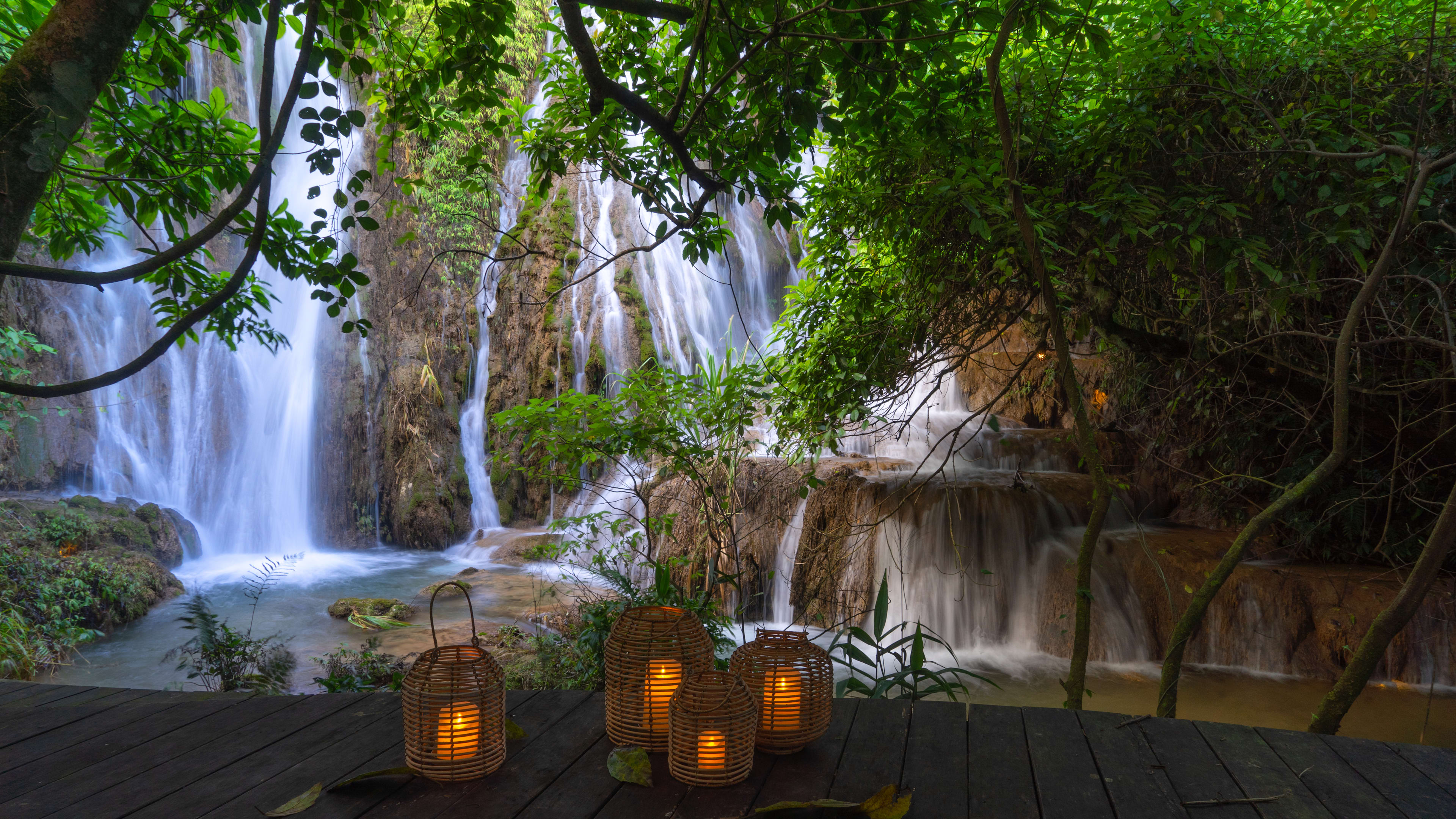
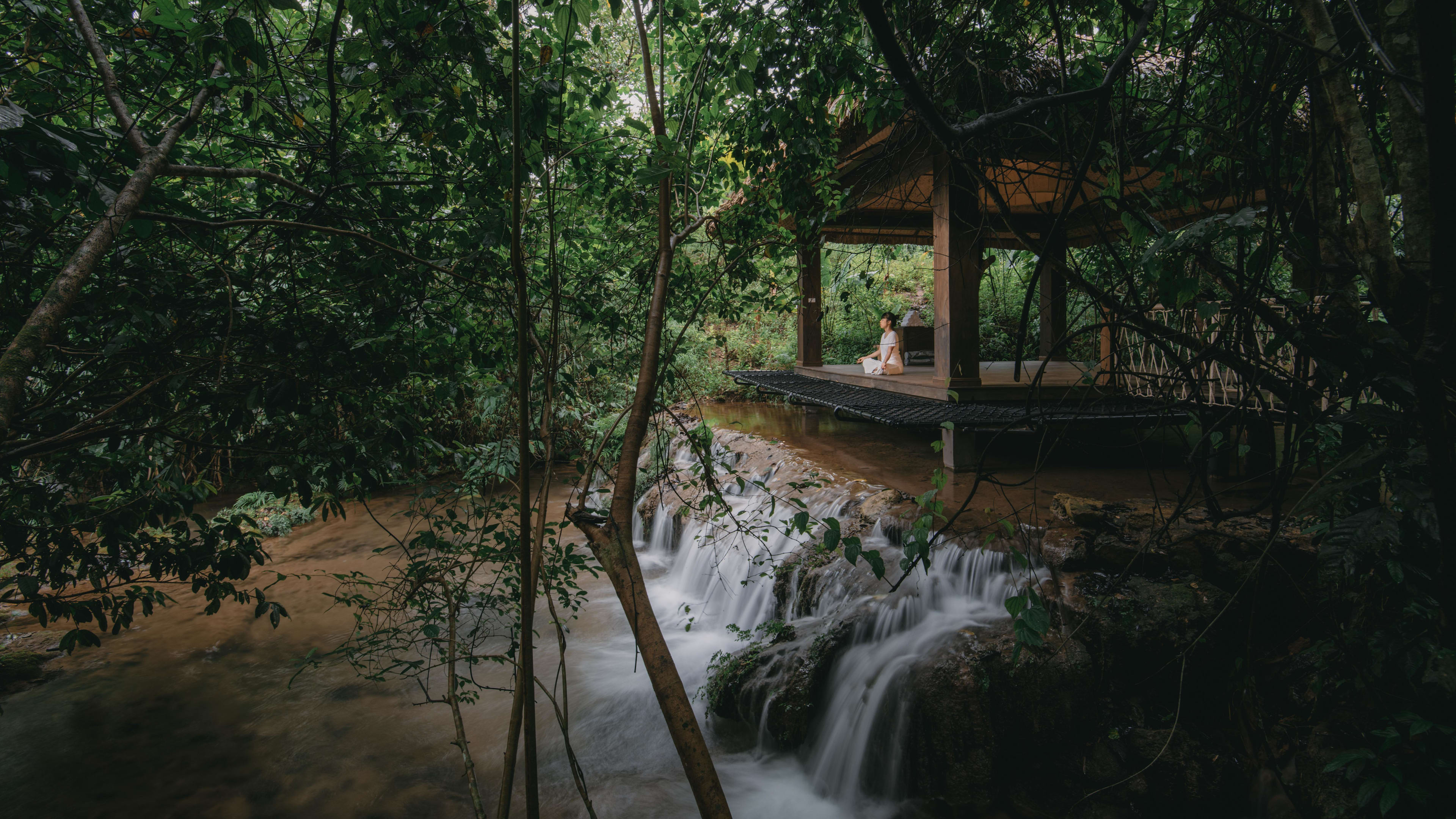
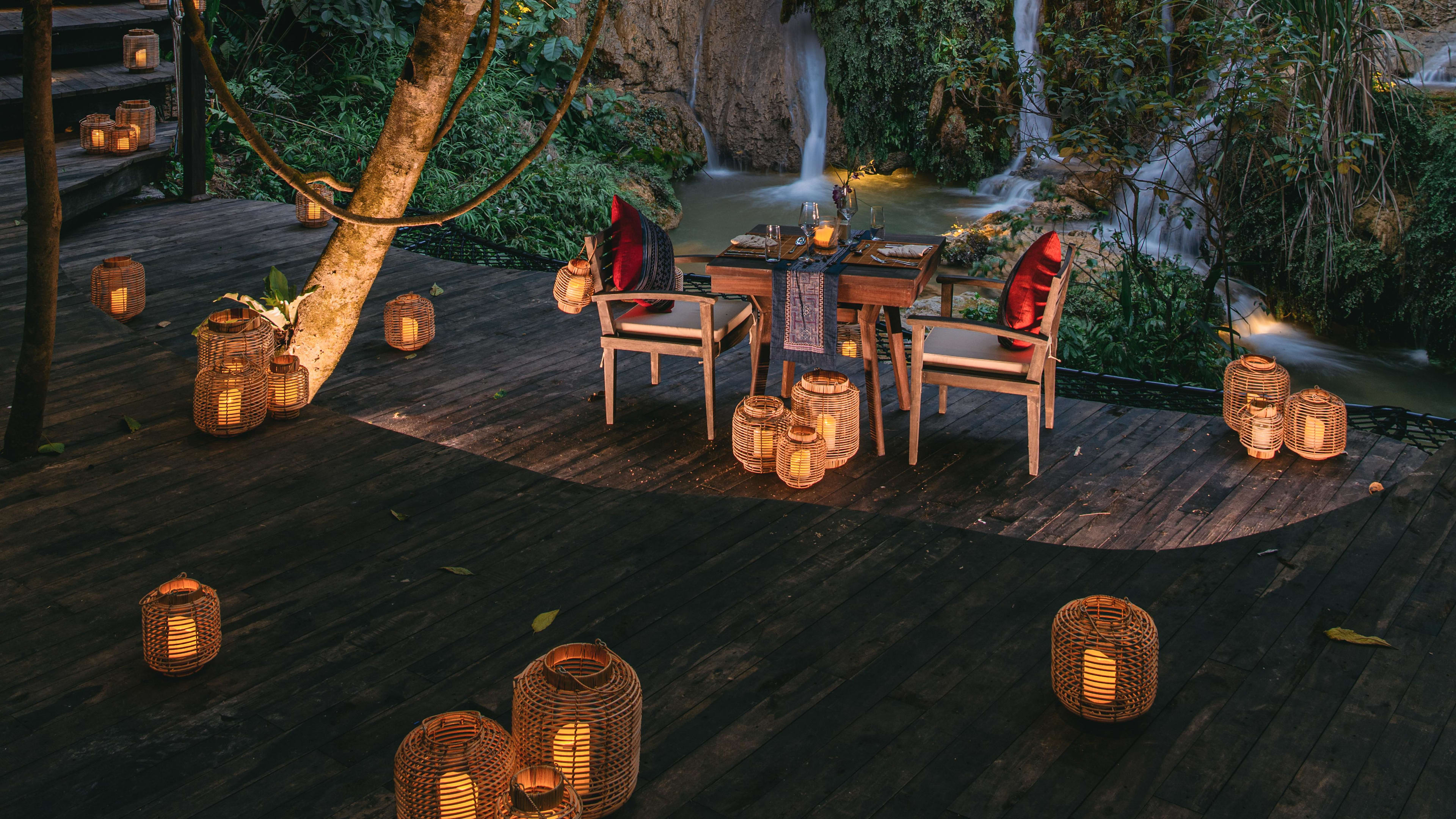
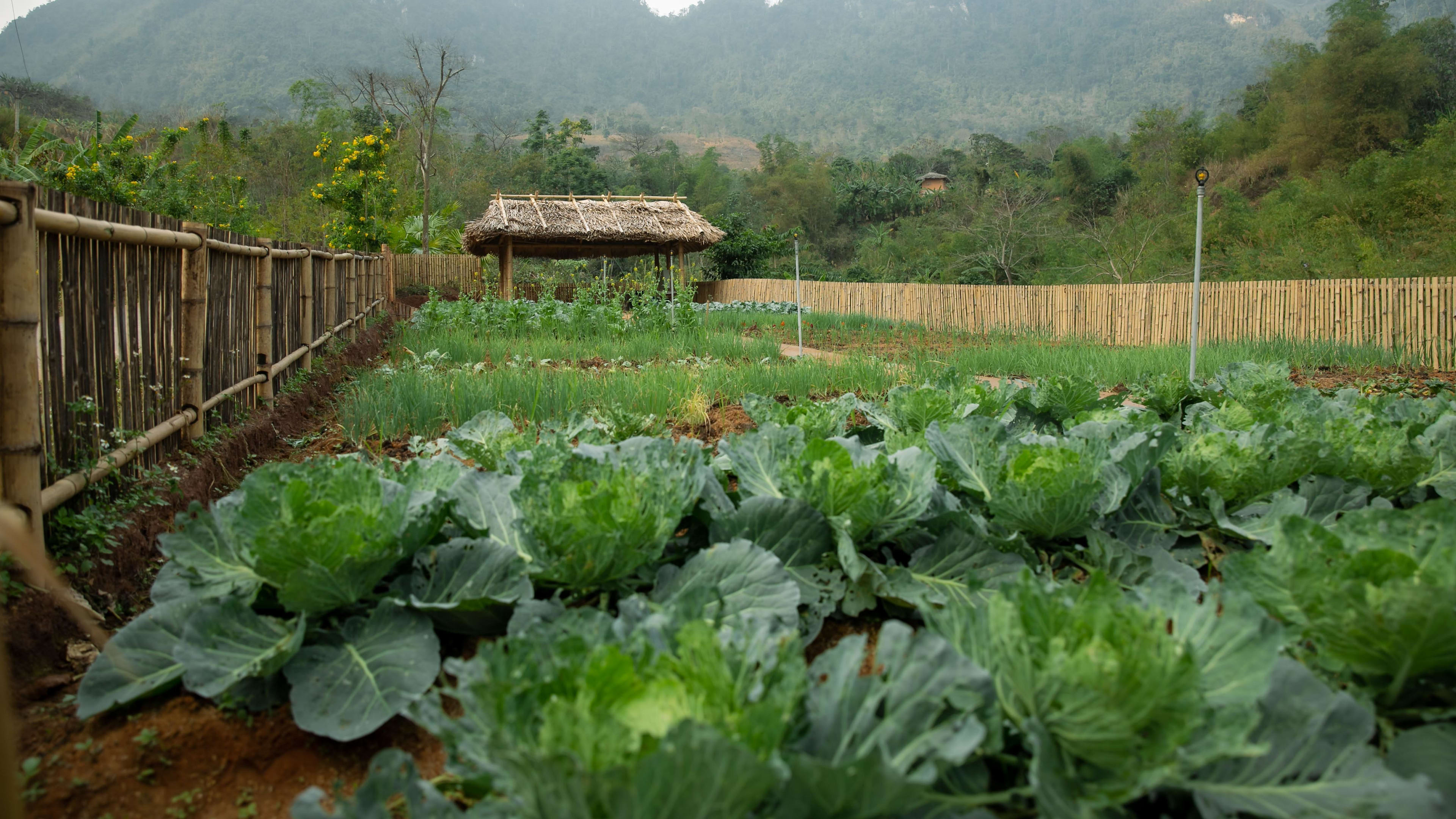
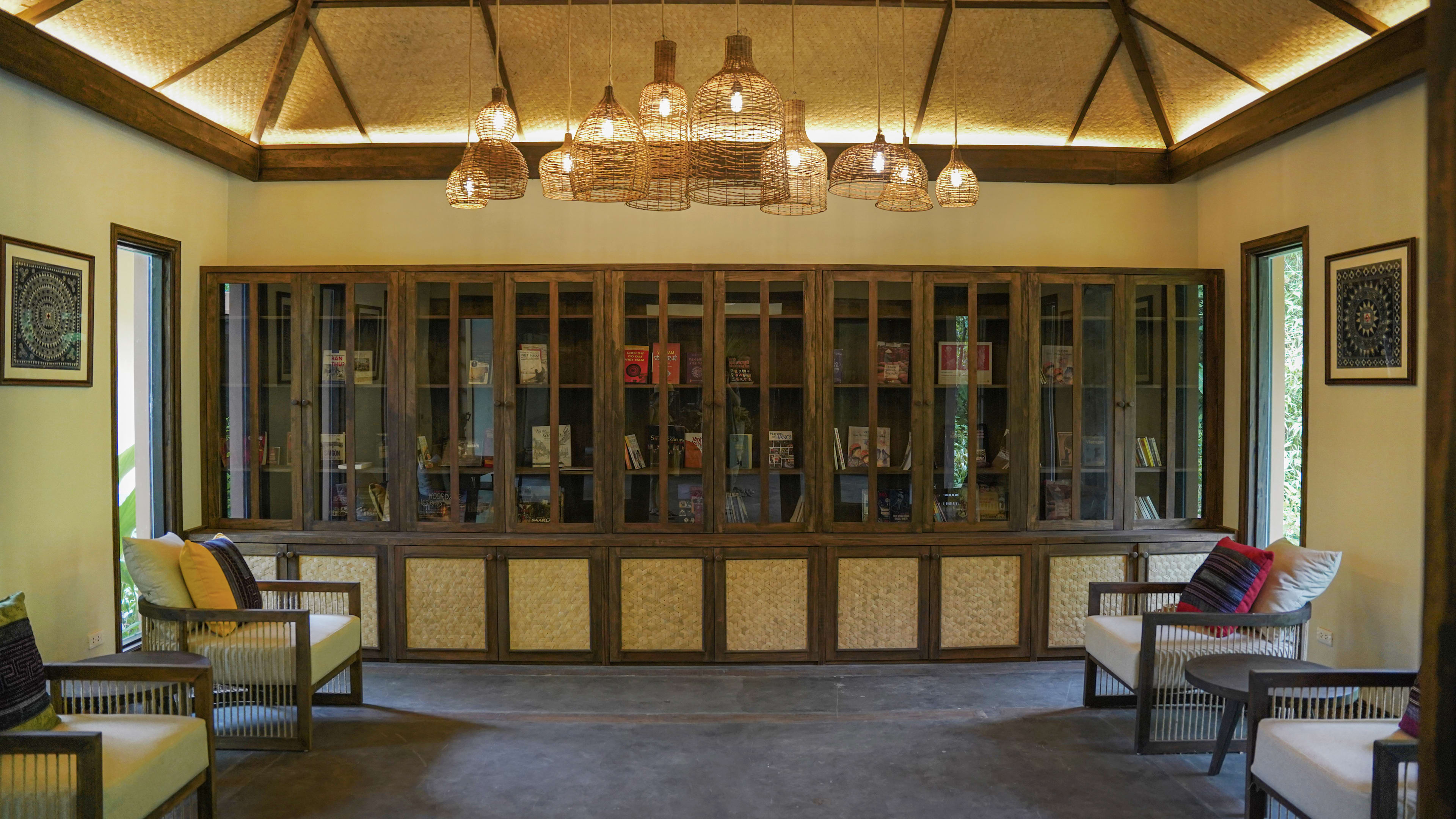
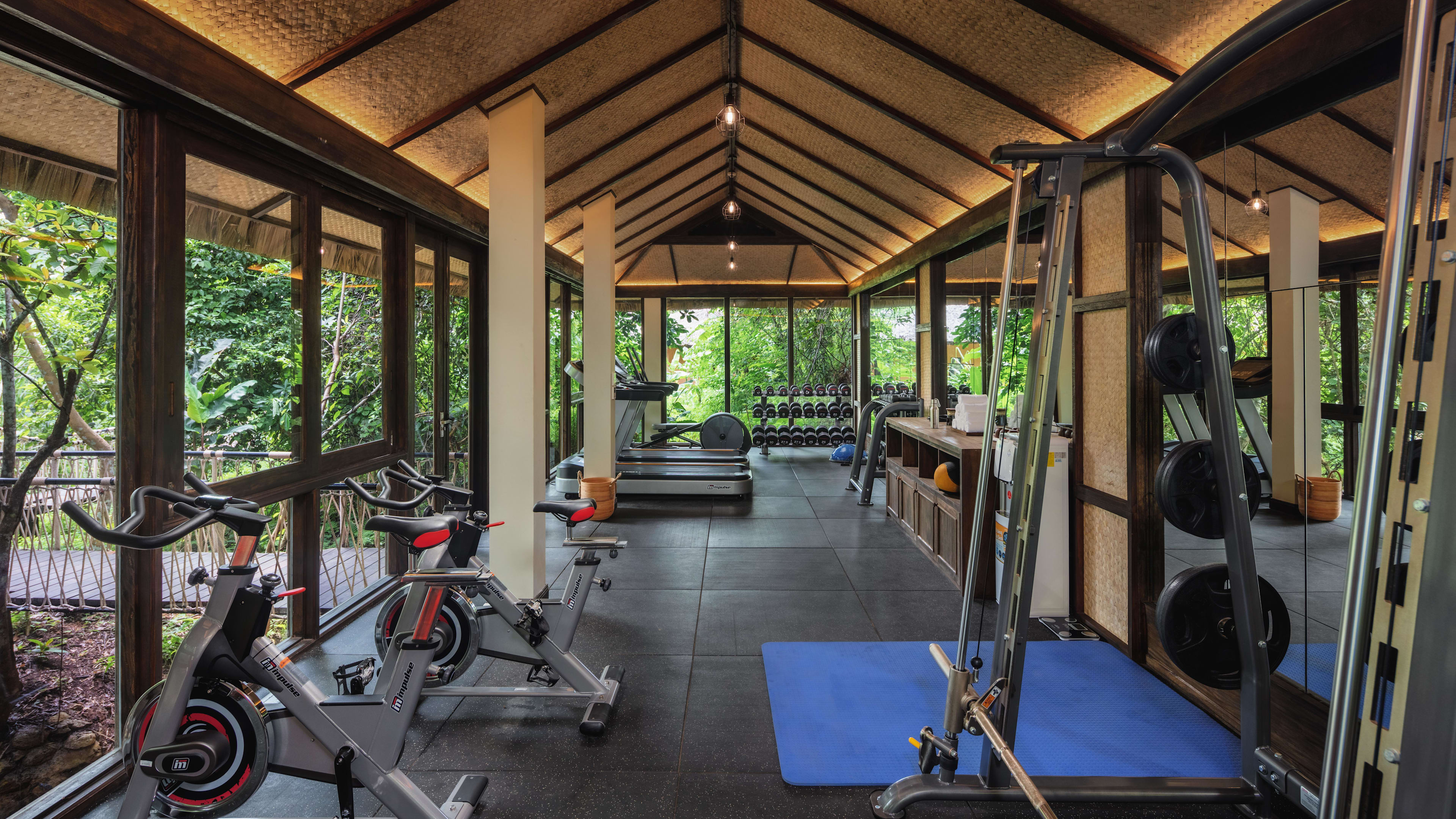
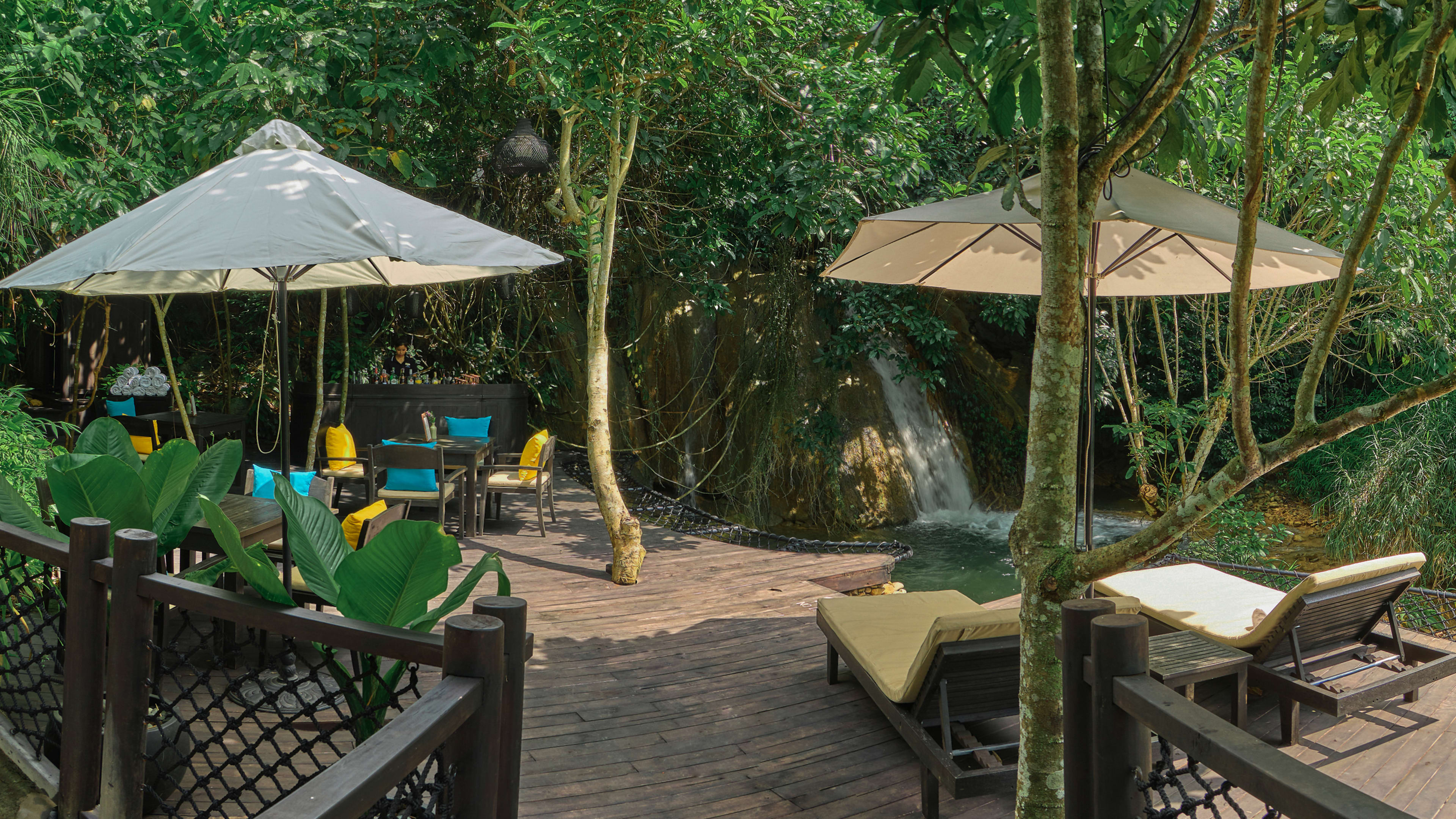
For a pottering-about-in-paradise kind of stay, Avana Retreat keeps the curious and culture-seeking very busy. After all there’s the natural Pung waterfall (set at the heart of the estate) to marvel at, lush lagoons and primaeval forest to explore, and ethnic villages, each with their own traditions and rituals to discover. Many activities are included in your room rate: you can meet the chickens on the cage-free farm and collect their eggs, feed the ducks or meditate by the spa’s koi pond; craft a candle with a signature scent in free sessions at the herbal room; cast a line into the fishing pond; learn Vietnamese at the Hmong Cottage; flip through the library’s tomes; meditate, contort with different yoga styles or zone out to singing bowls; and express yourself through batik painting (Monday, Wednesday and Friday from 1pm or 2.30pm). Take a tour of the onsite stilted museum (2.30pm to 3pm daily), a dwelling built in time-honoured fashion, housing jewellery, costumes, musical instruments and more from the region’s three native groups: the Thai, Muong, and Hmong peoples; followed by a brocade- and rattan-basket-weaving lesson from the lady manning the loom outside (Tuesday, Wednesday, Saturday and Sunday from 2pm to 4pm), and roasting corn and sweet potatoes over a fire (every Friday during winter). Hop in the hotel’s Jeep for a jaunt through the rice-field terraces, or give your camera something spectacular to capture, going ‘cloud hunting’ from the hotel’s viewpoint (the best time is around October). Trek through the forest to the Hmong village of Cang with a native guide or Thai village Buoc to hear resident Mr Nhieu’s tales of the past and maybe catch a Xòe dance performance; and tag along with the chef to Bao La market, where silkworms, stink bugs and ant eggs for sale let you give insect protein a go. For an extra charge, you could gently kayak through the water-lily fields of Ba Khan Lake in the foothills of the Thung Khe Pass; roam Pu Luong Nature Reserve and spy butterflies in Cuc Phuong National Park; kitesurf along the coast in Phan Rang; pay your respects at Po Long Garai’s temple complex; zip through the Ha Giang loop on motorbike; and see extinct volcano Ham Rong Lake’s coating of Da Quy blossoms throughout October and November.