Wildhive Callow Hall
Hall of the wild
Peak District panorama
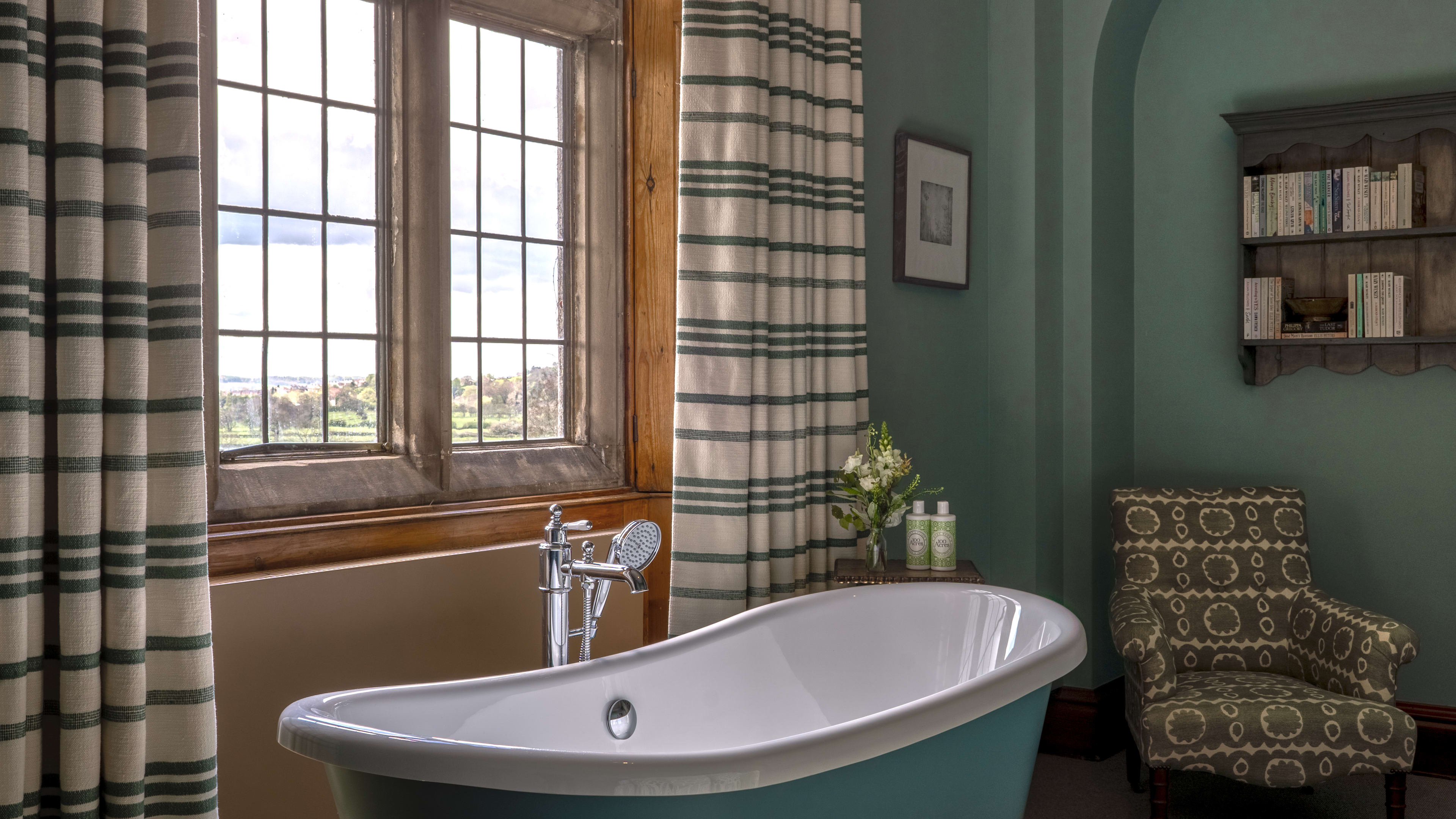
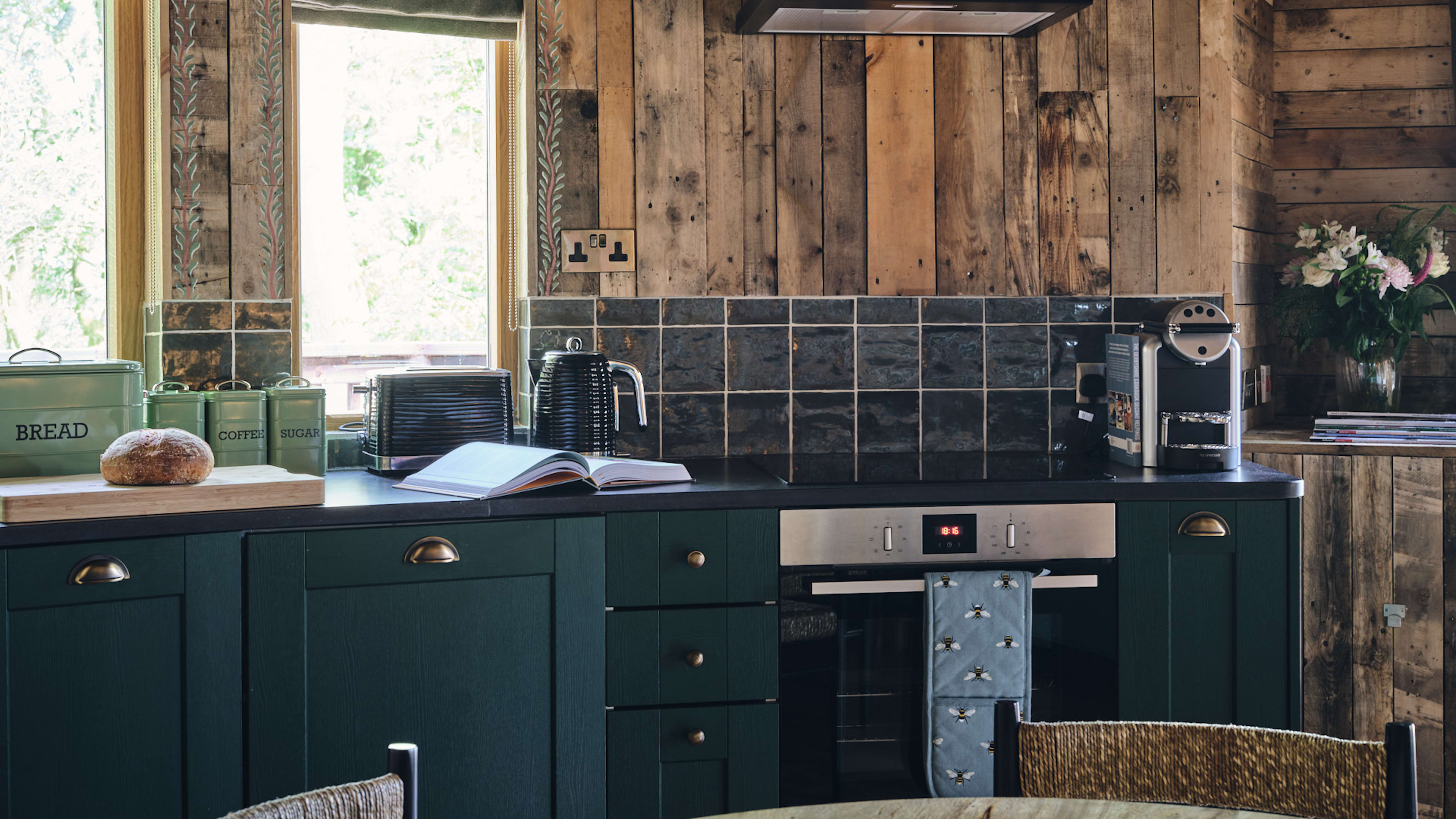
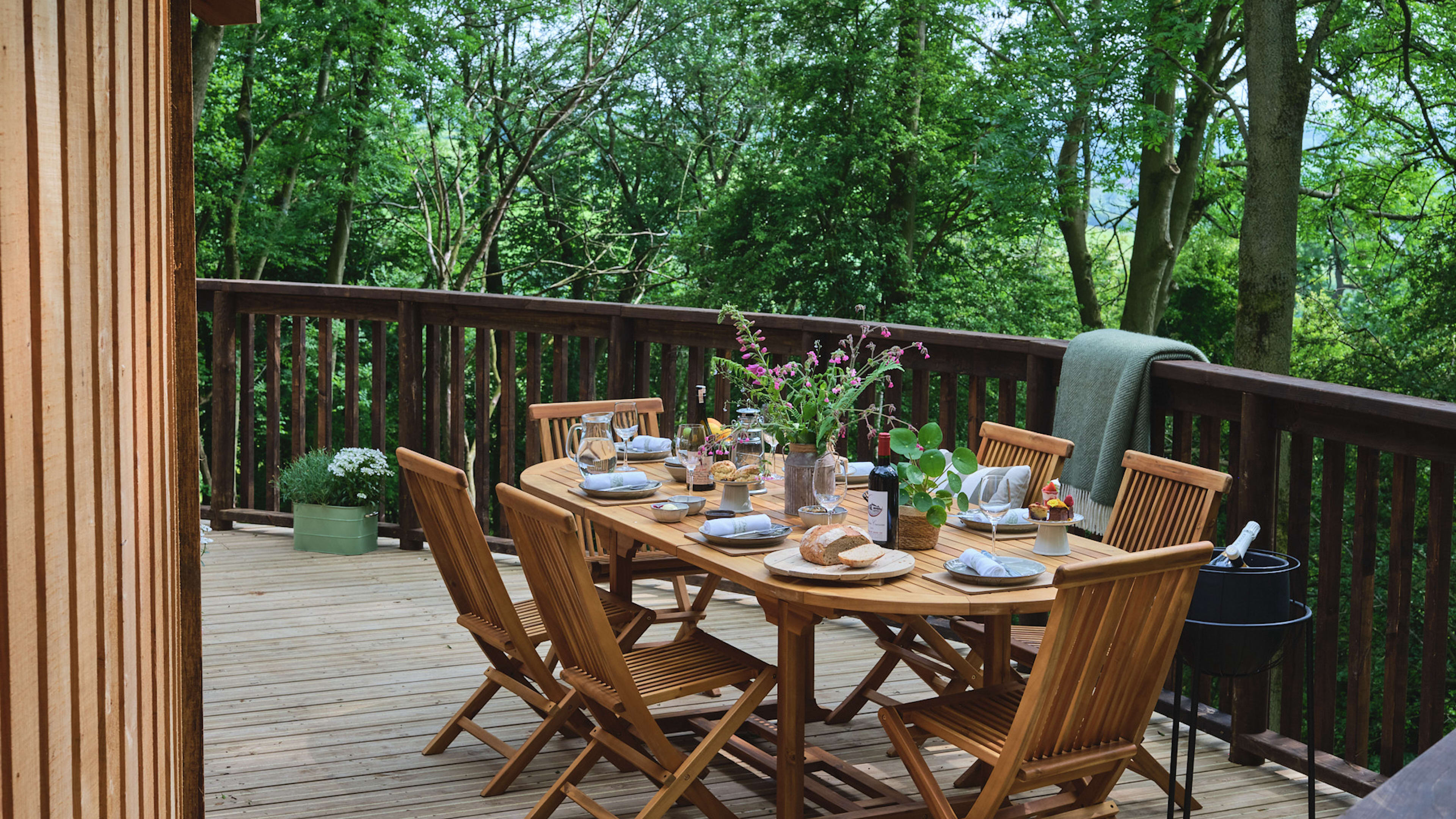
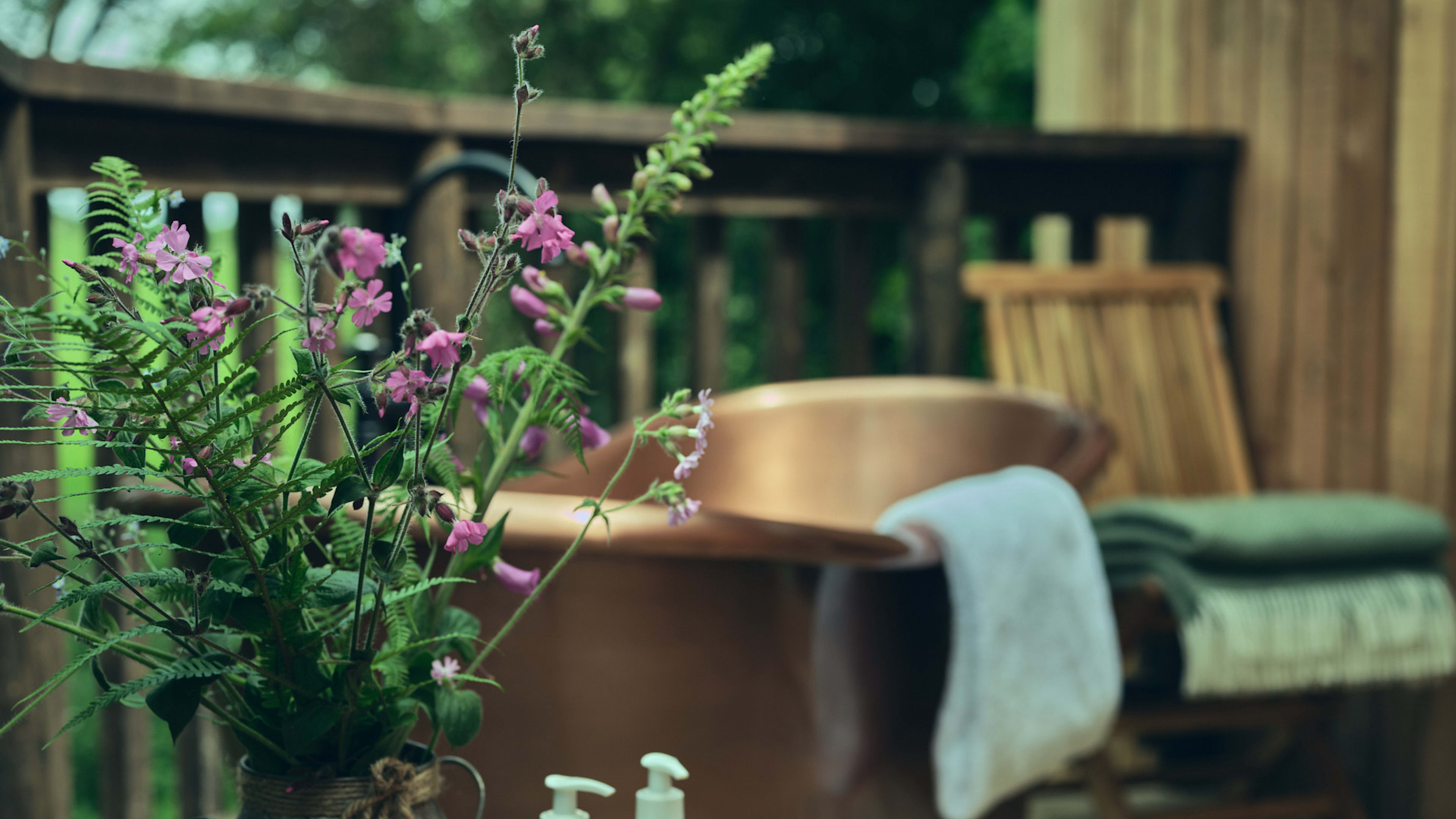
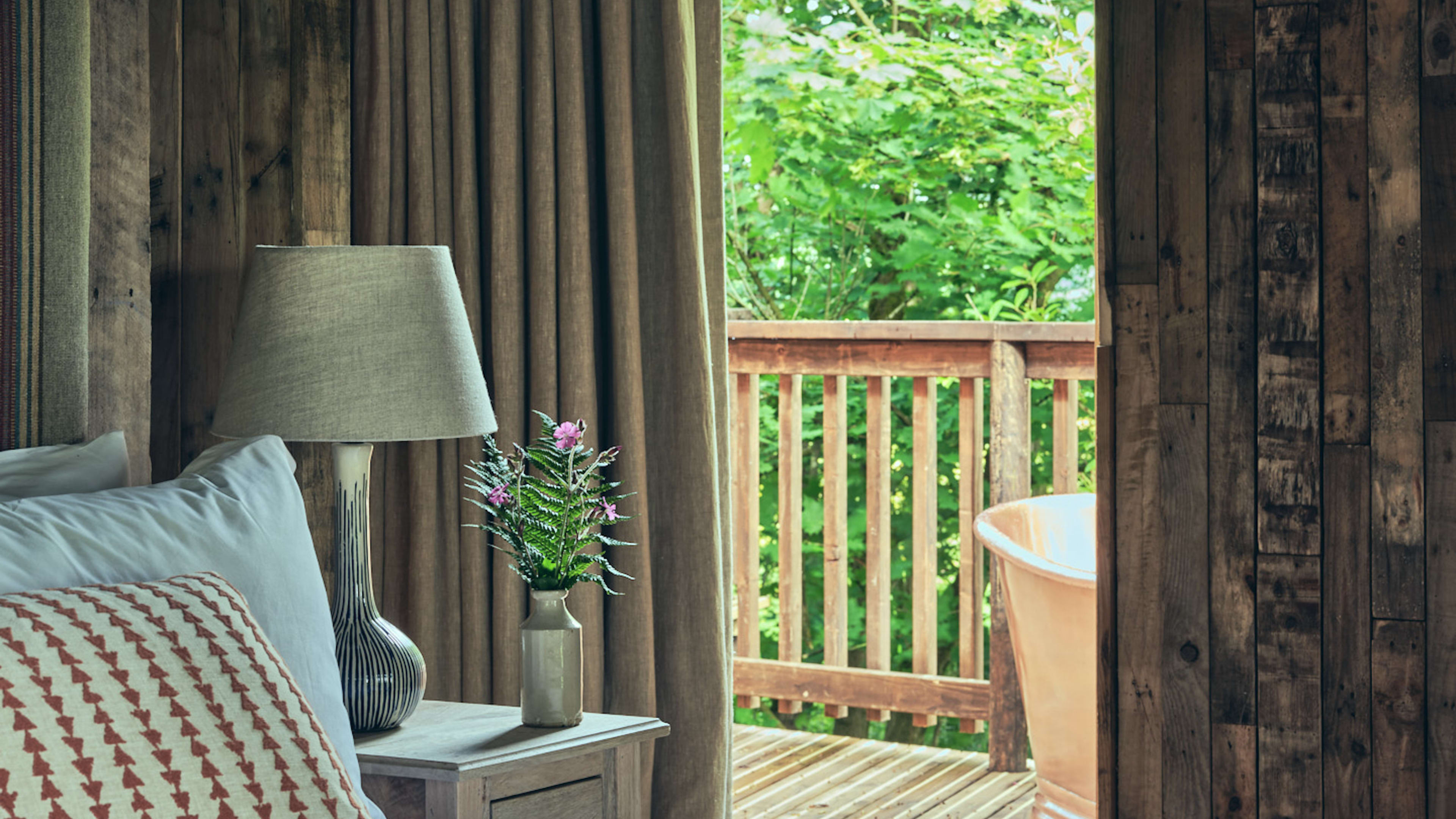
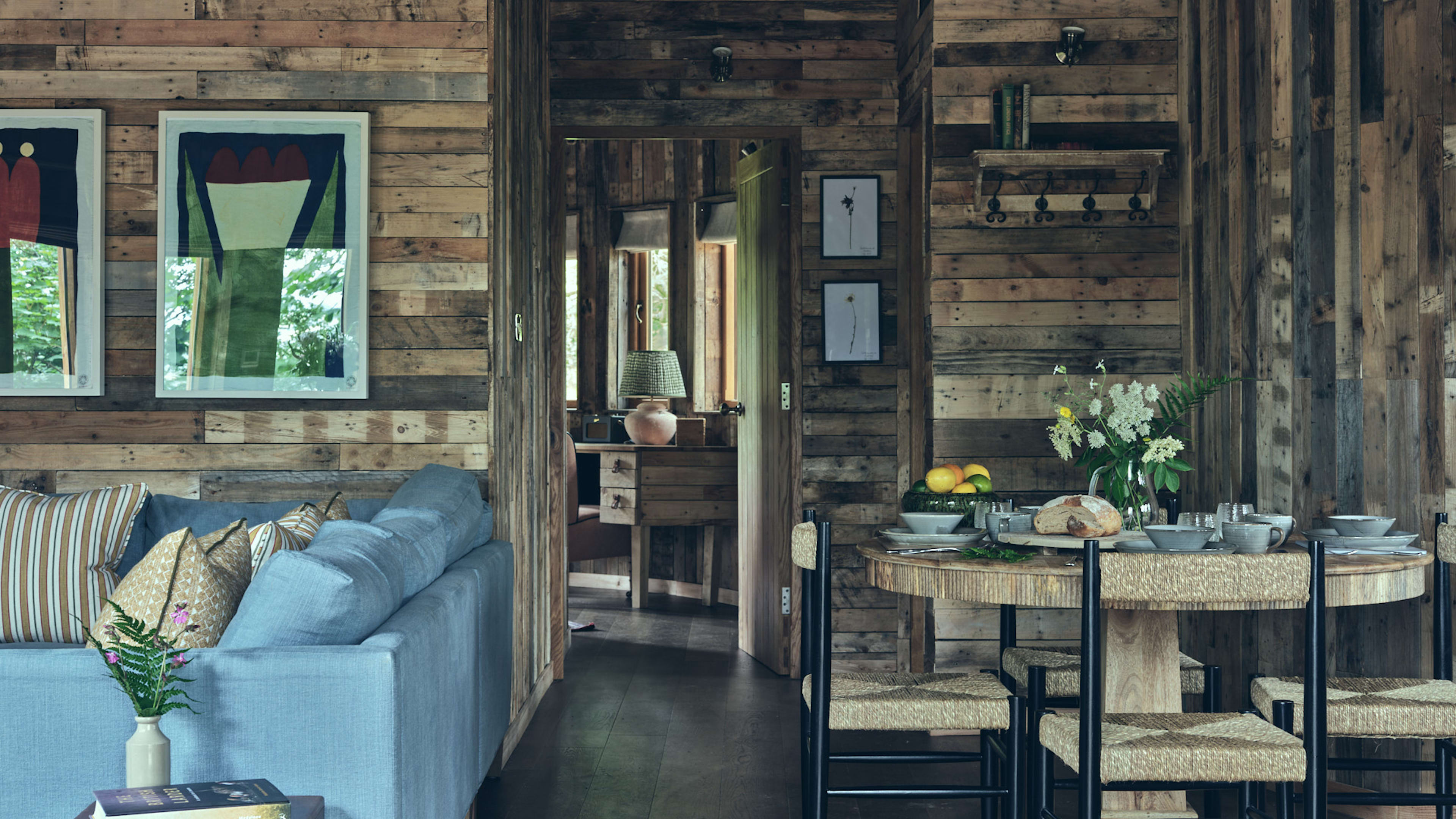
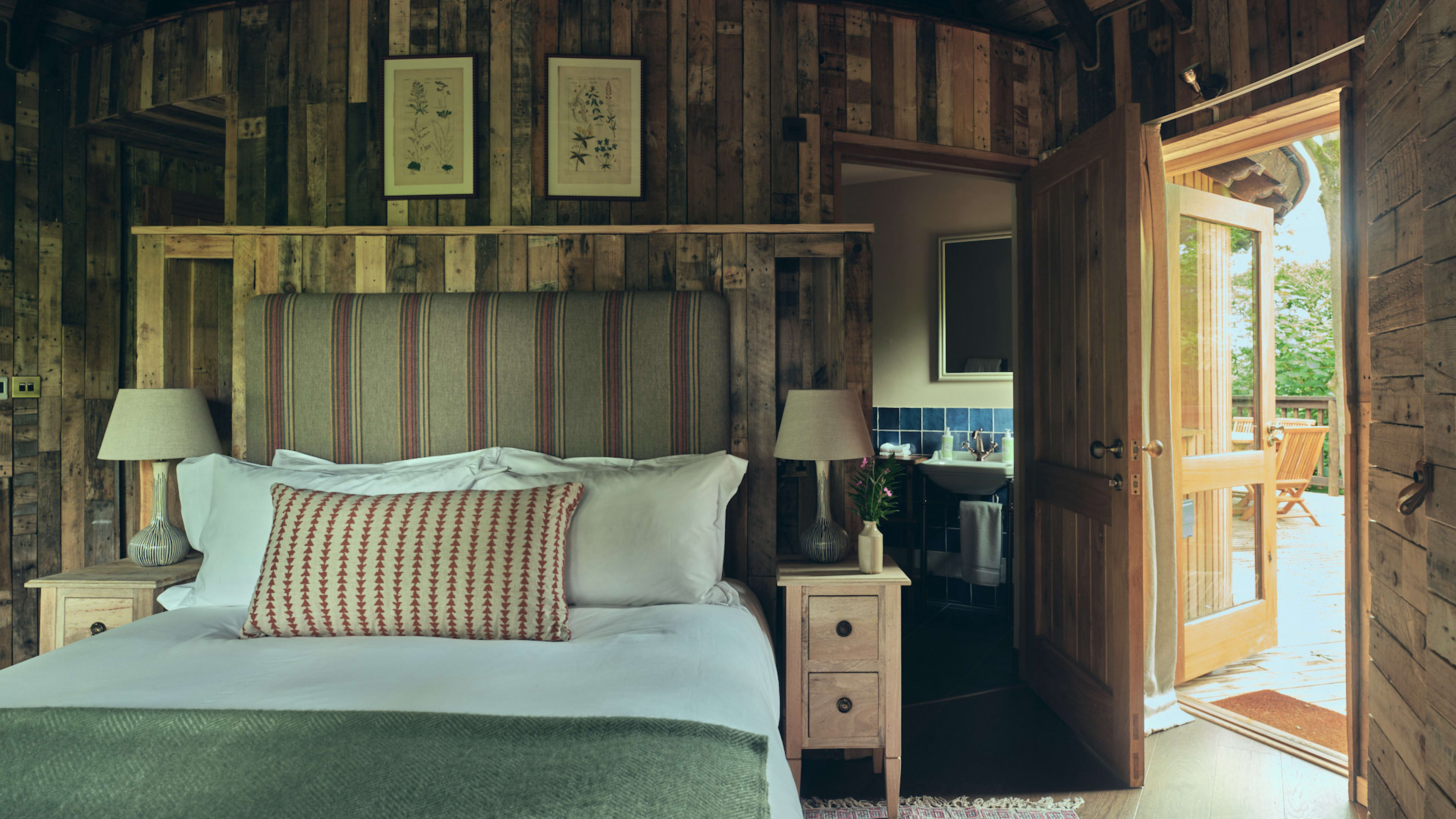
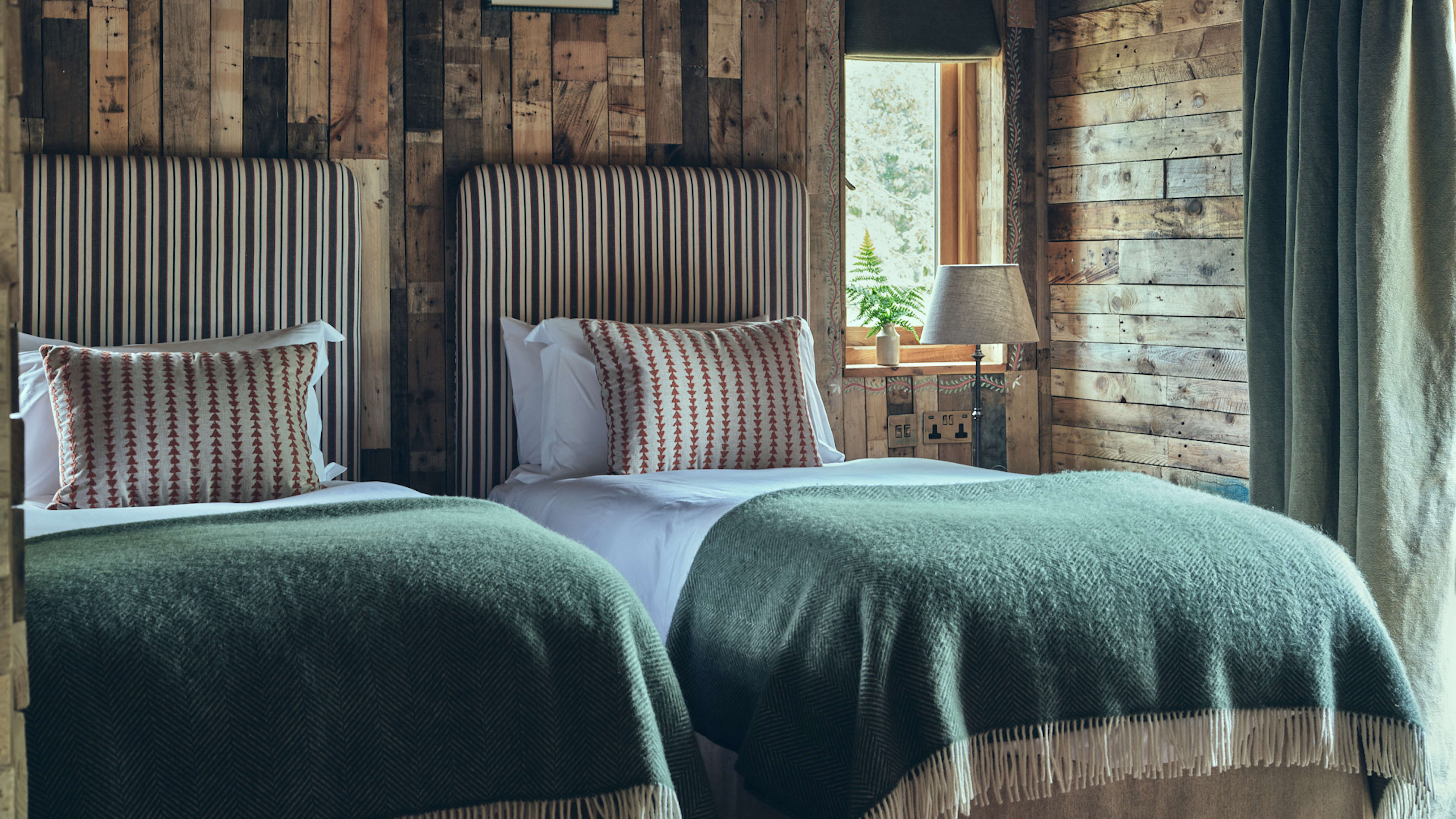
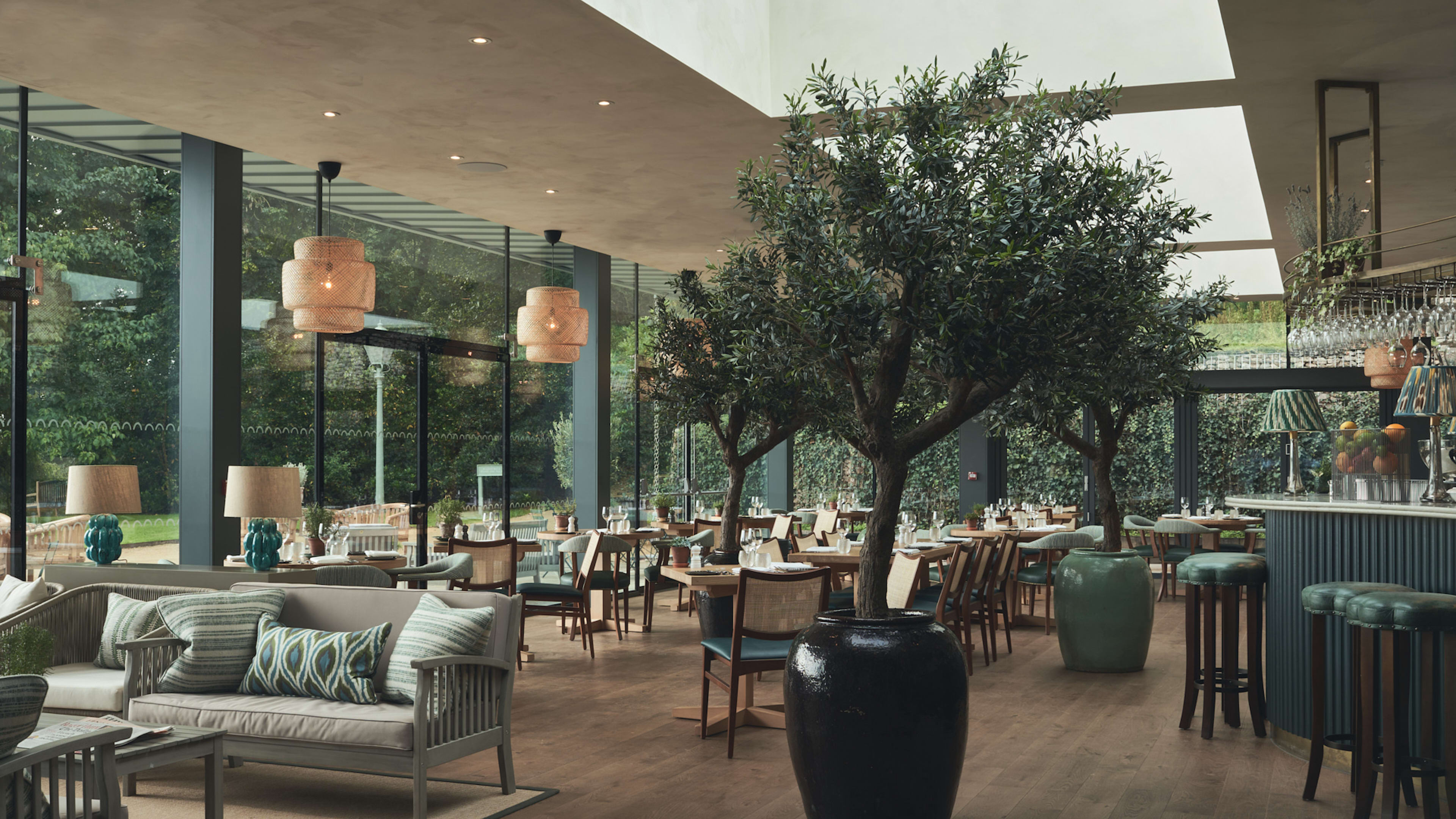
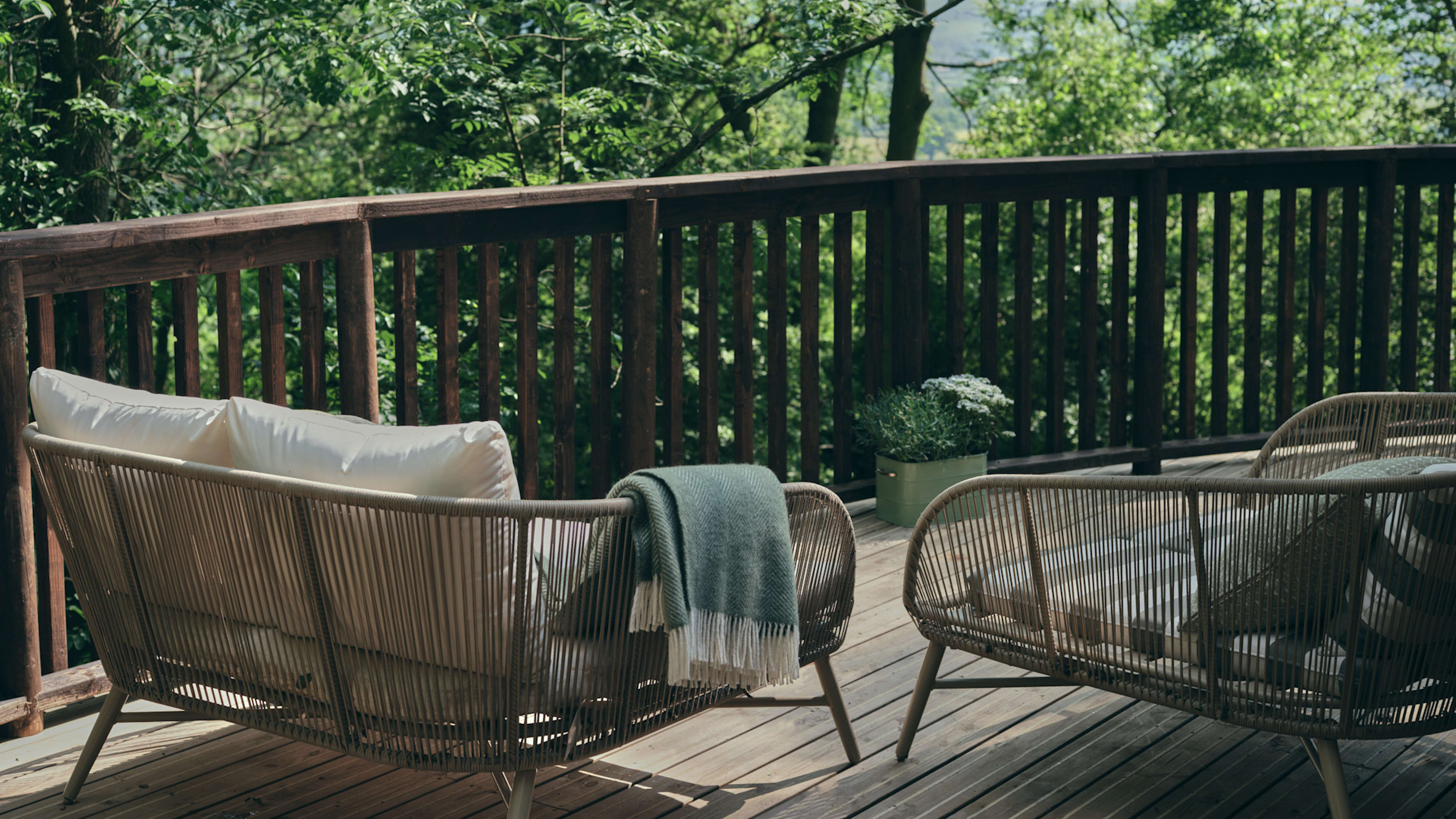
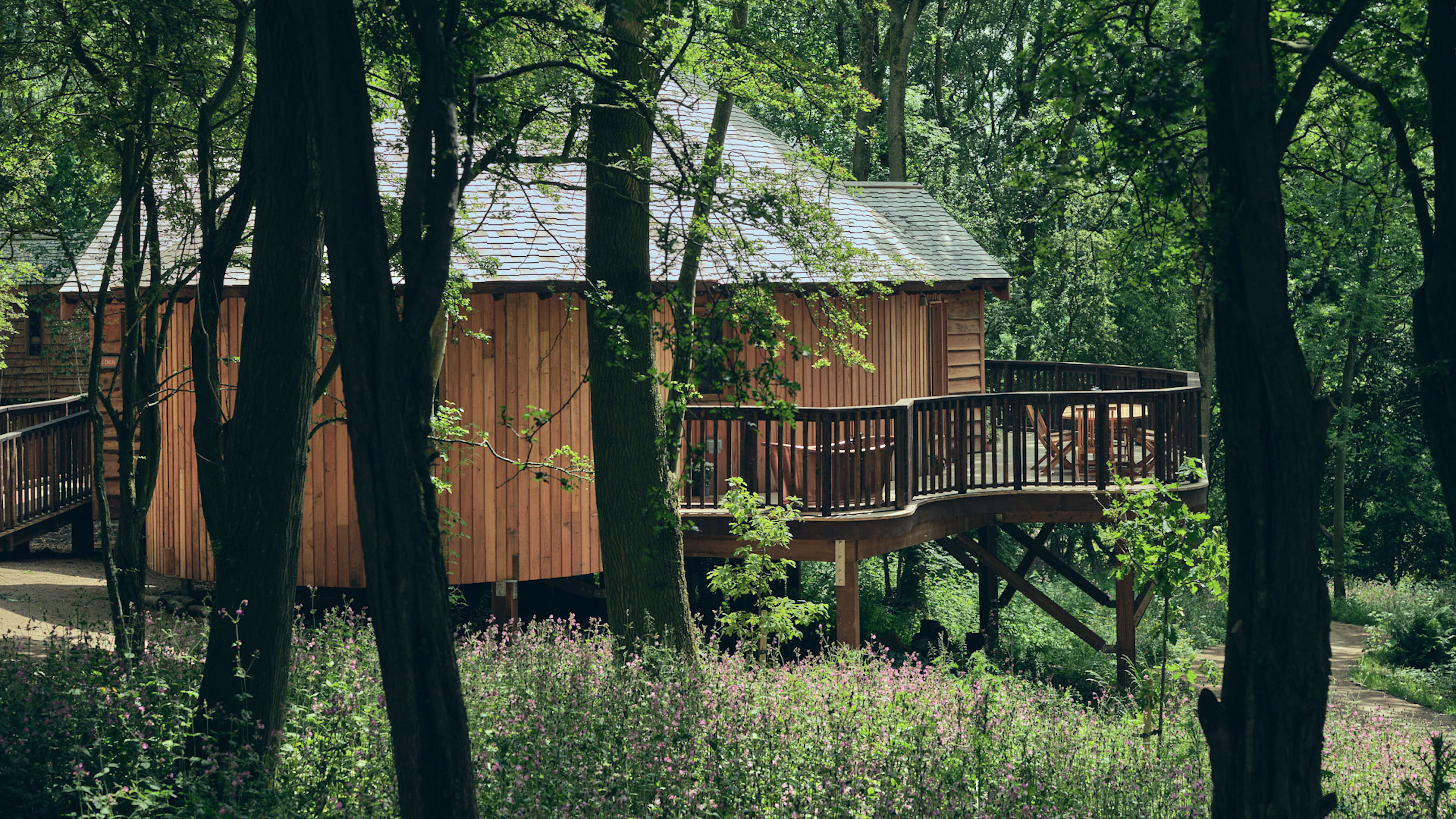
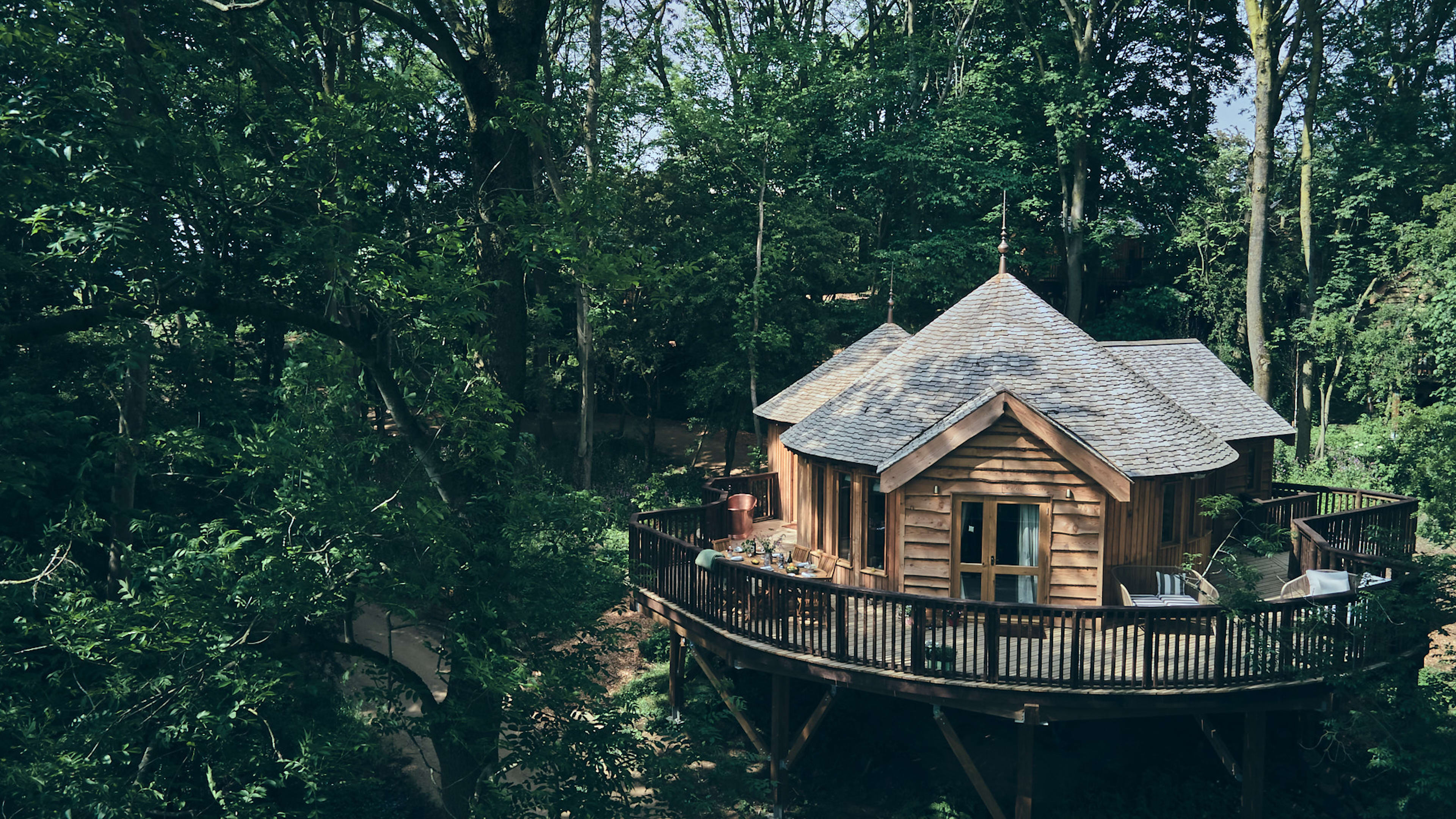
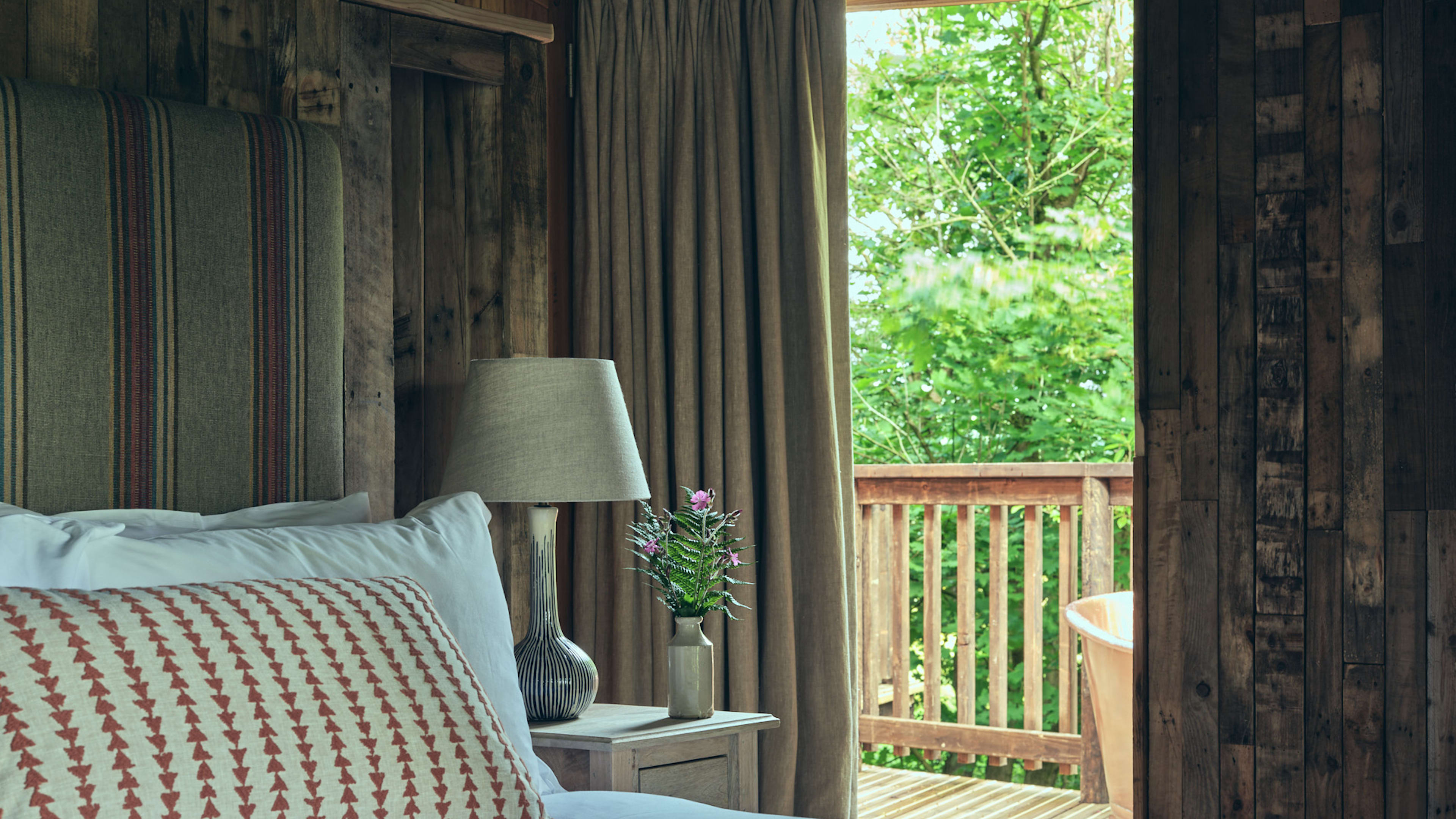
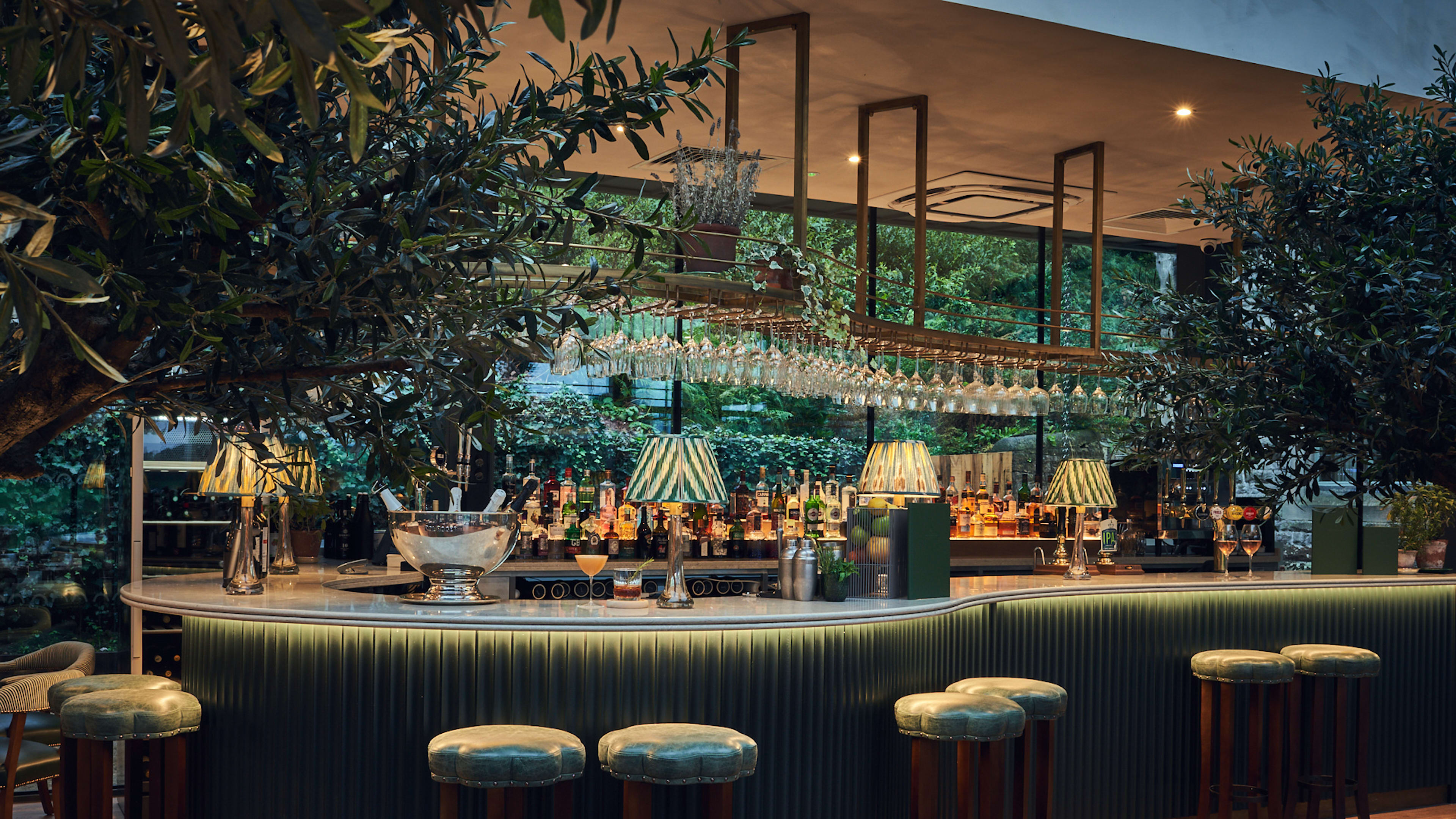
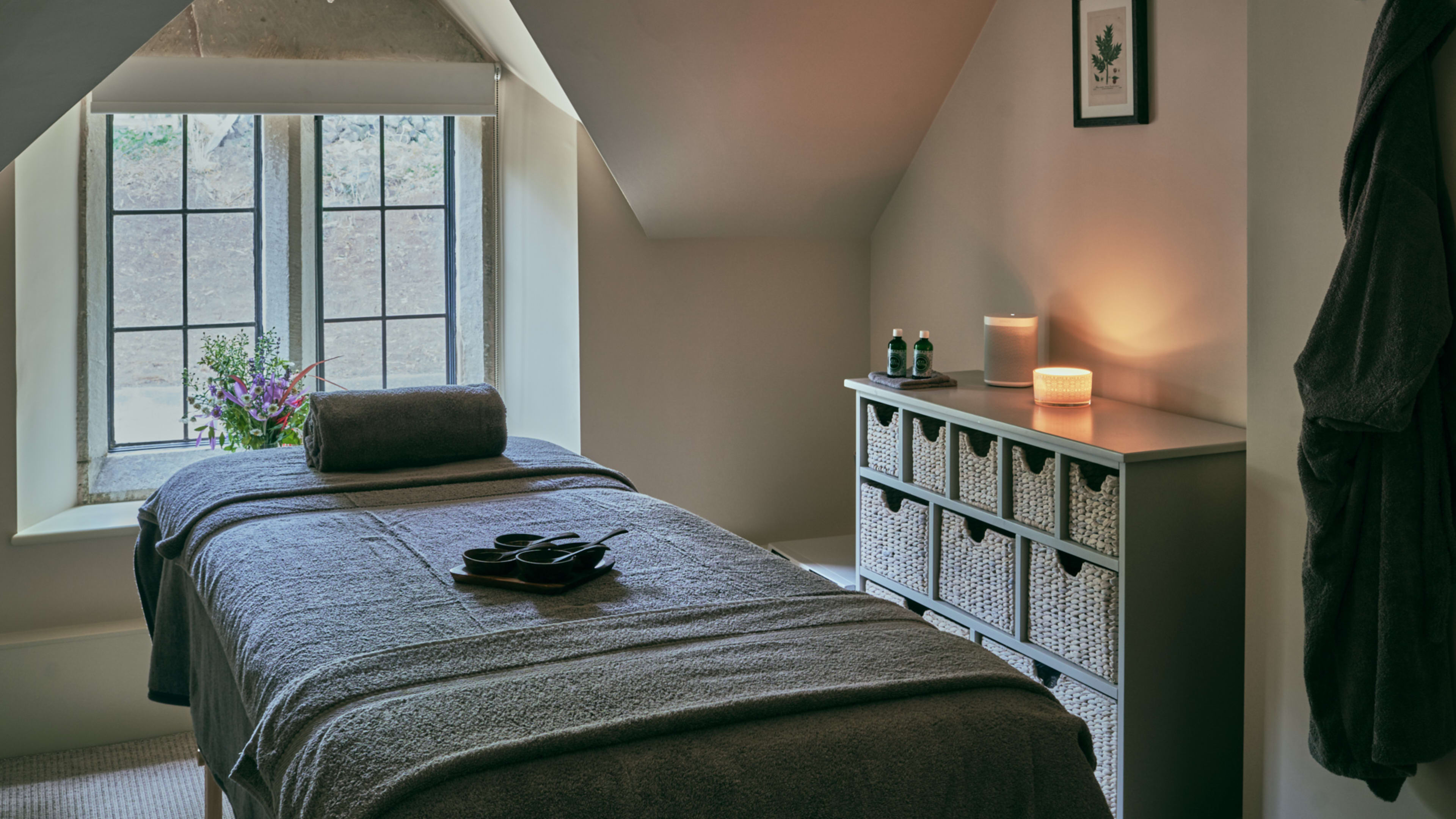
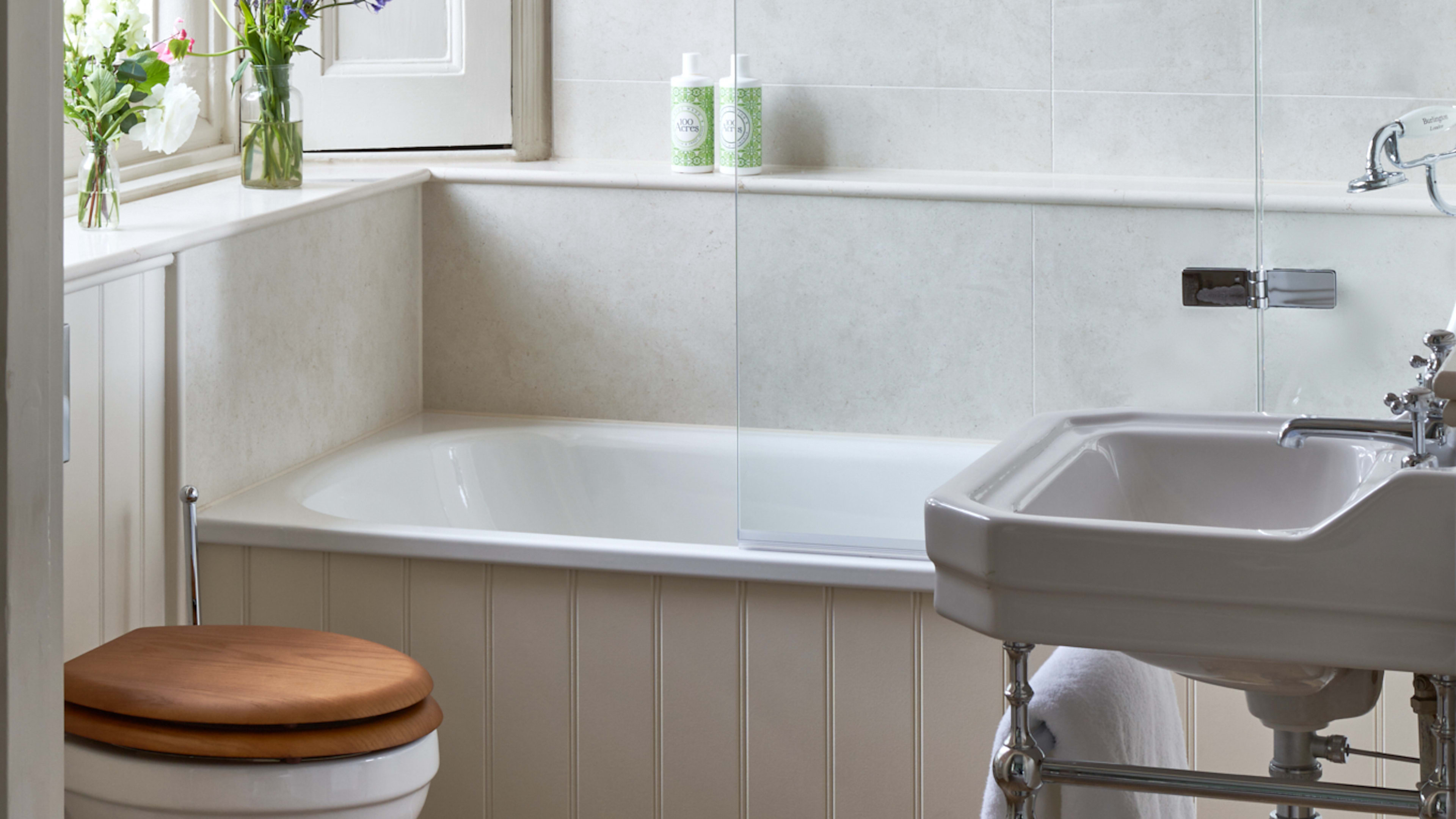
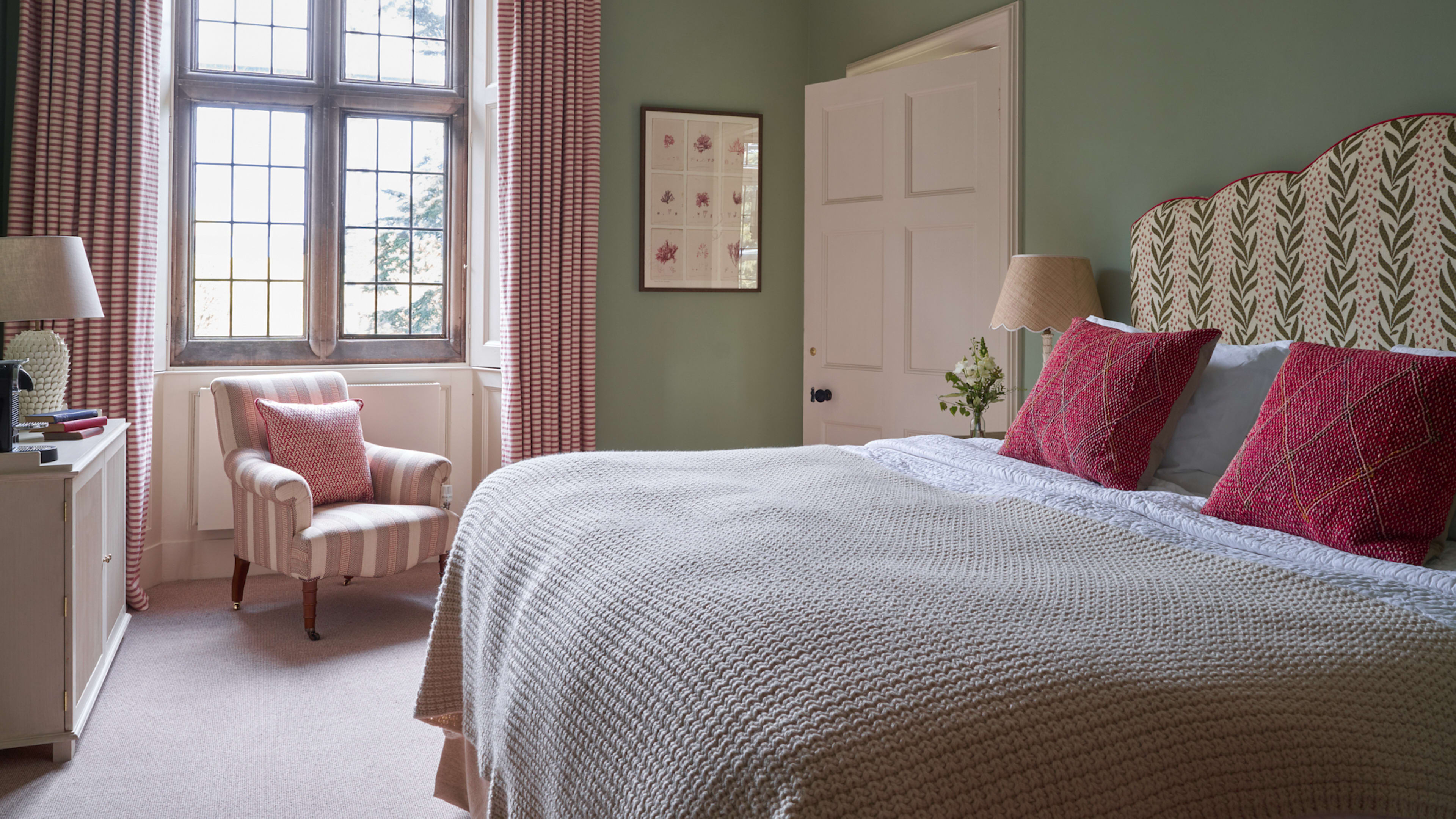
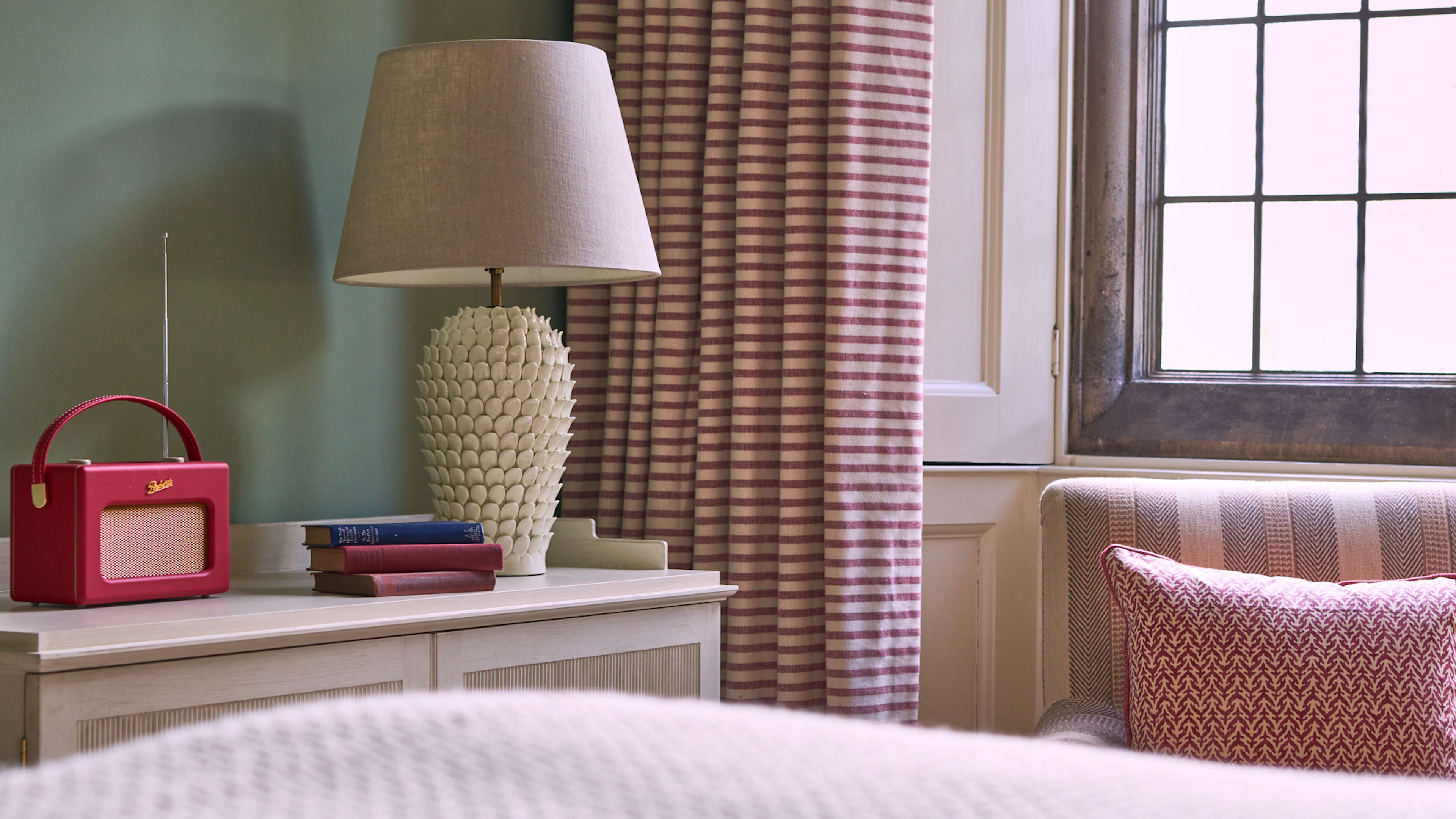
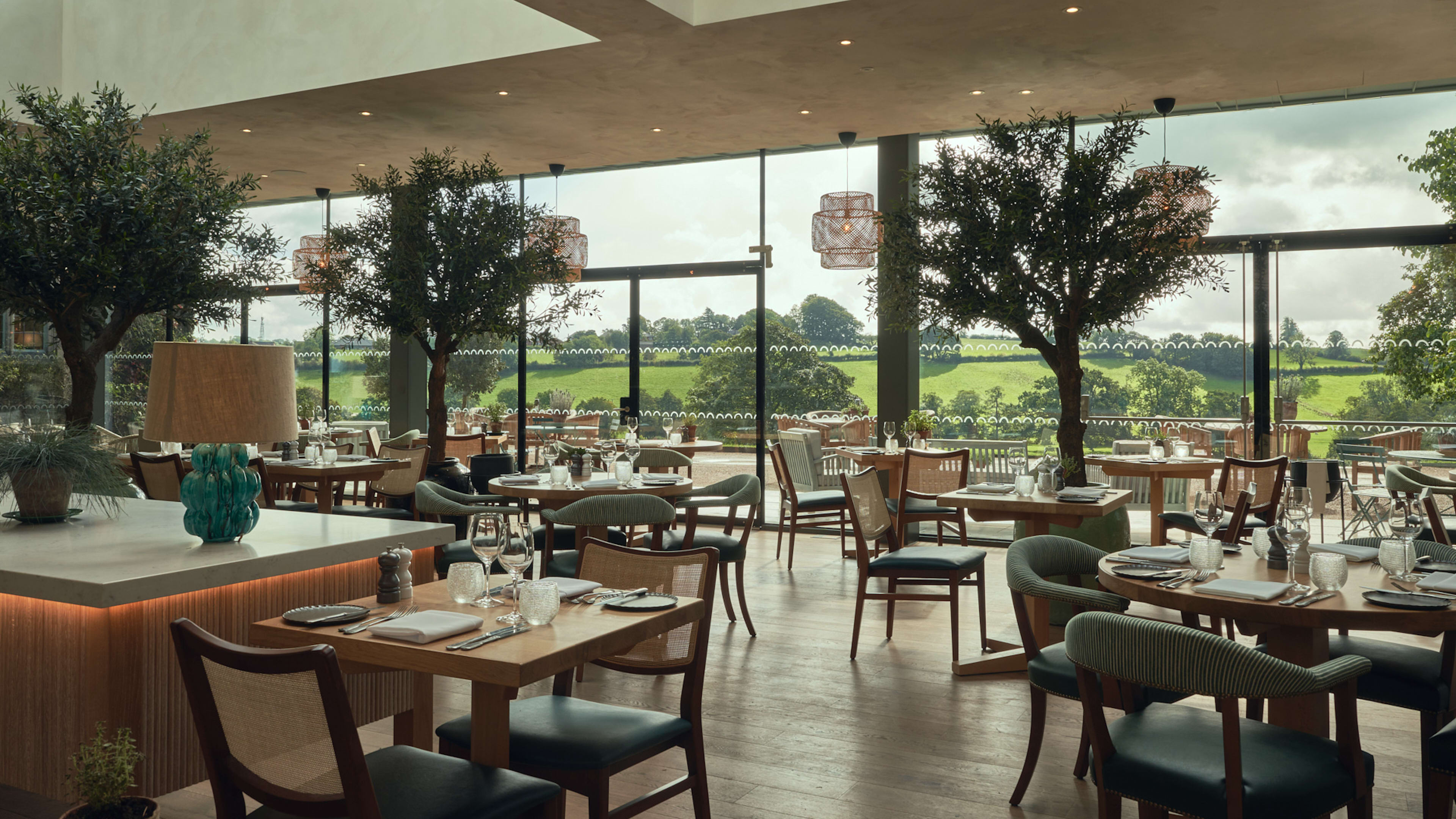
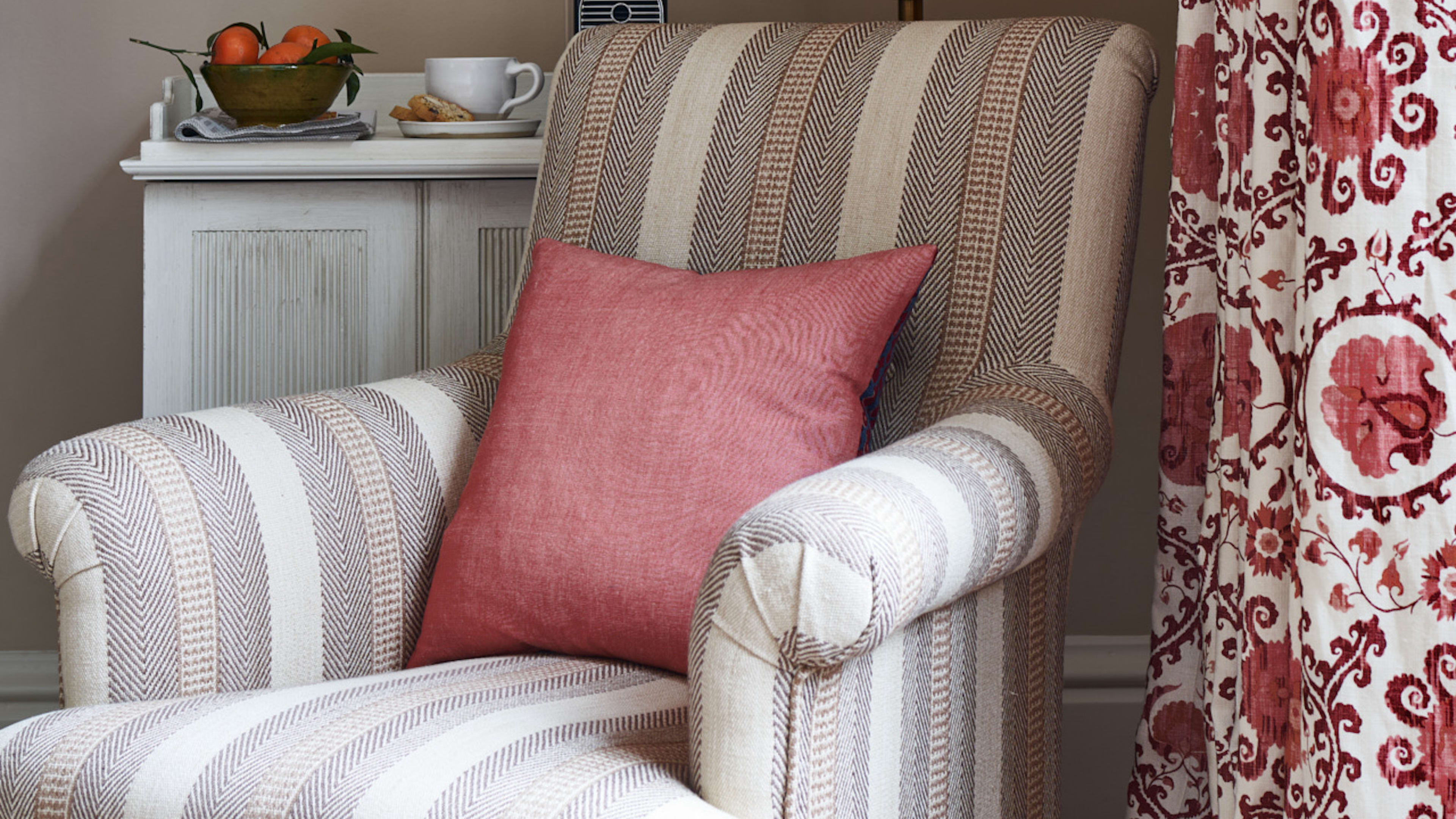
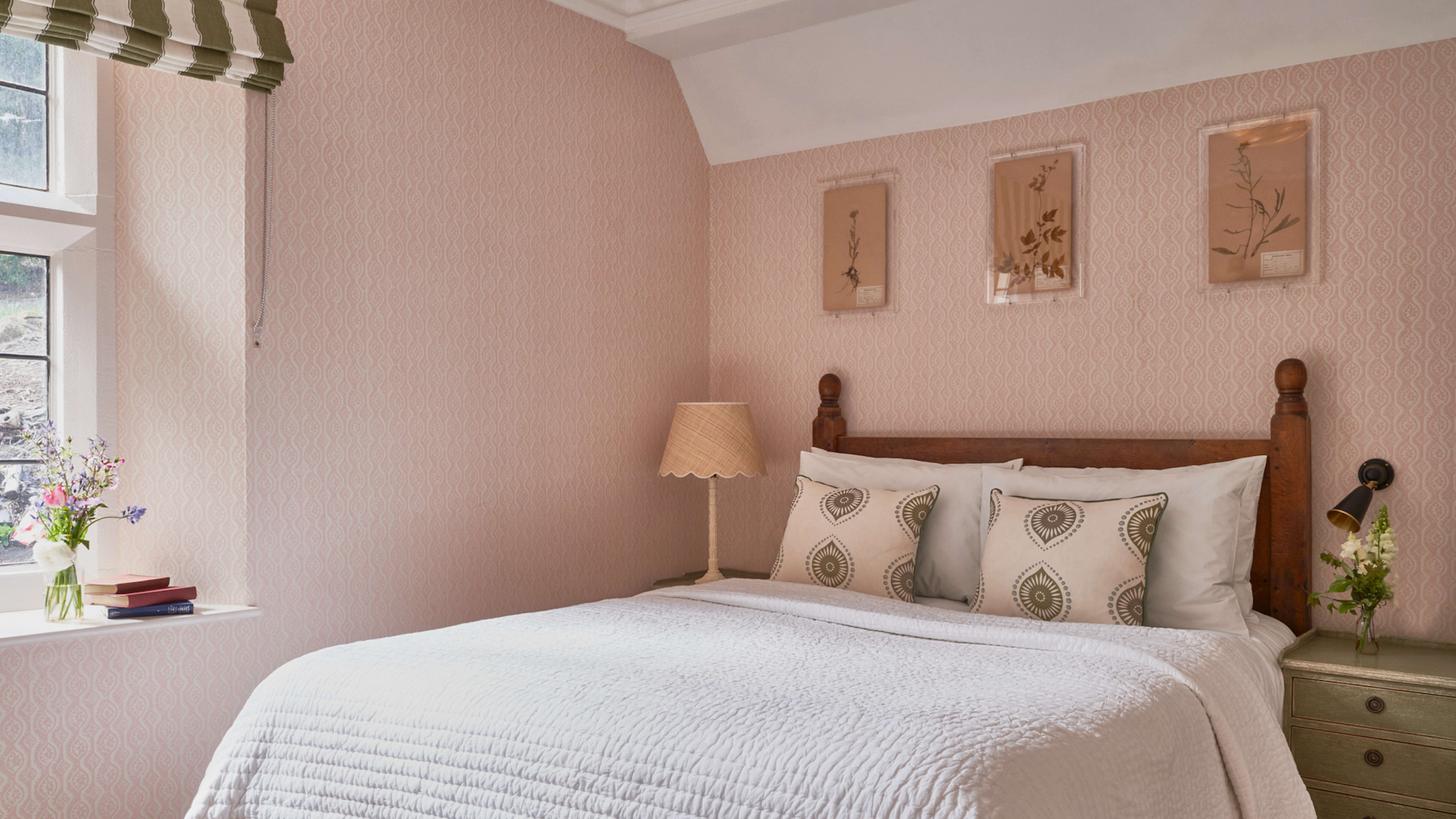
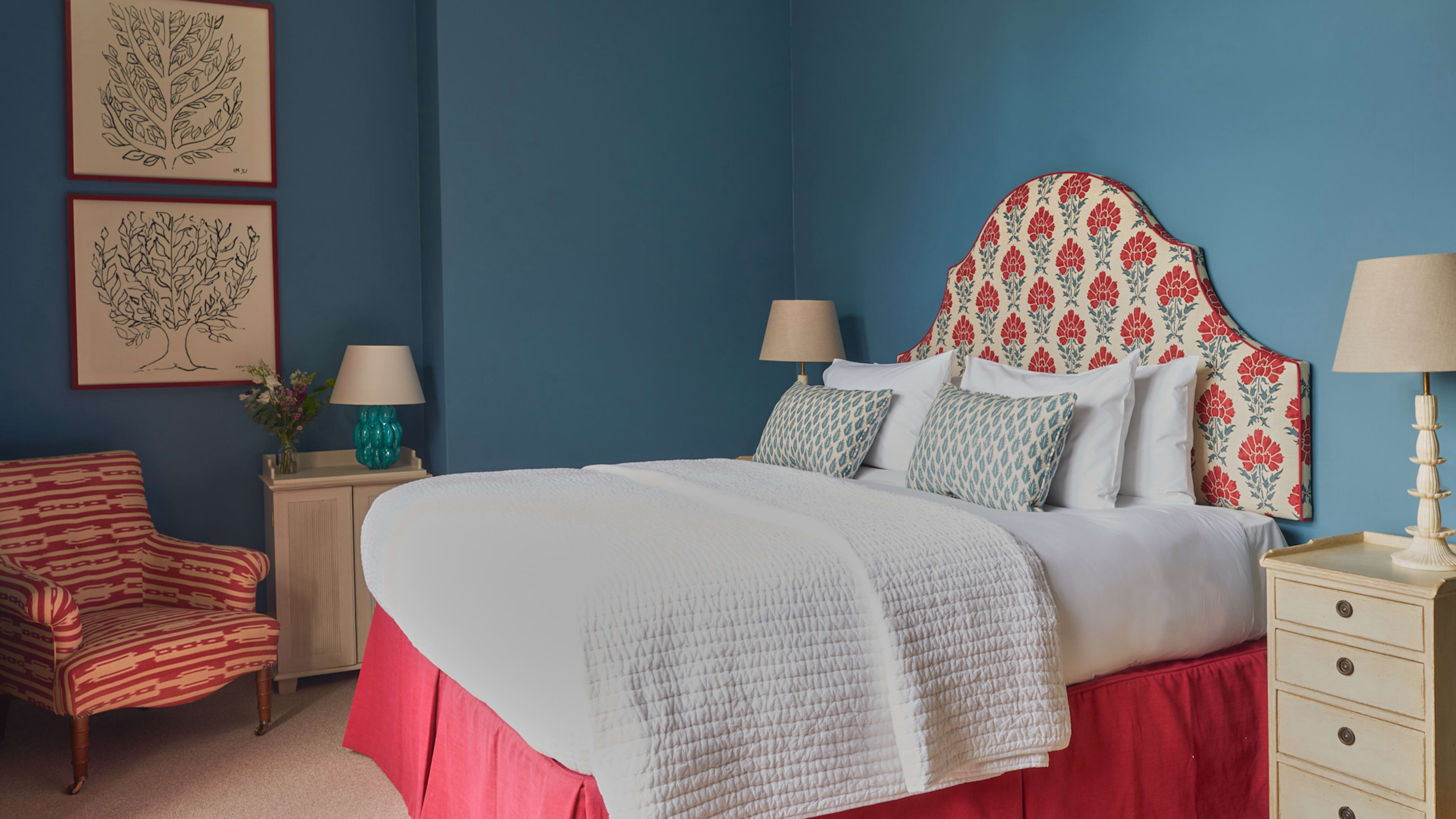
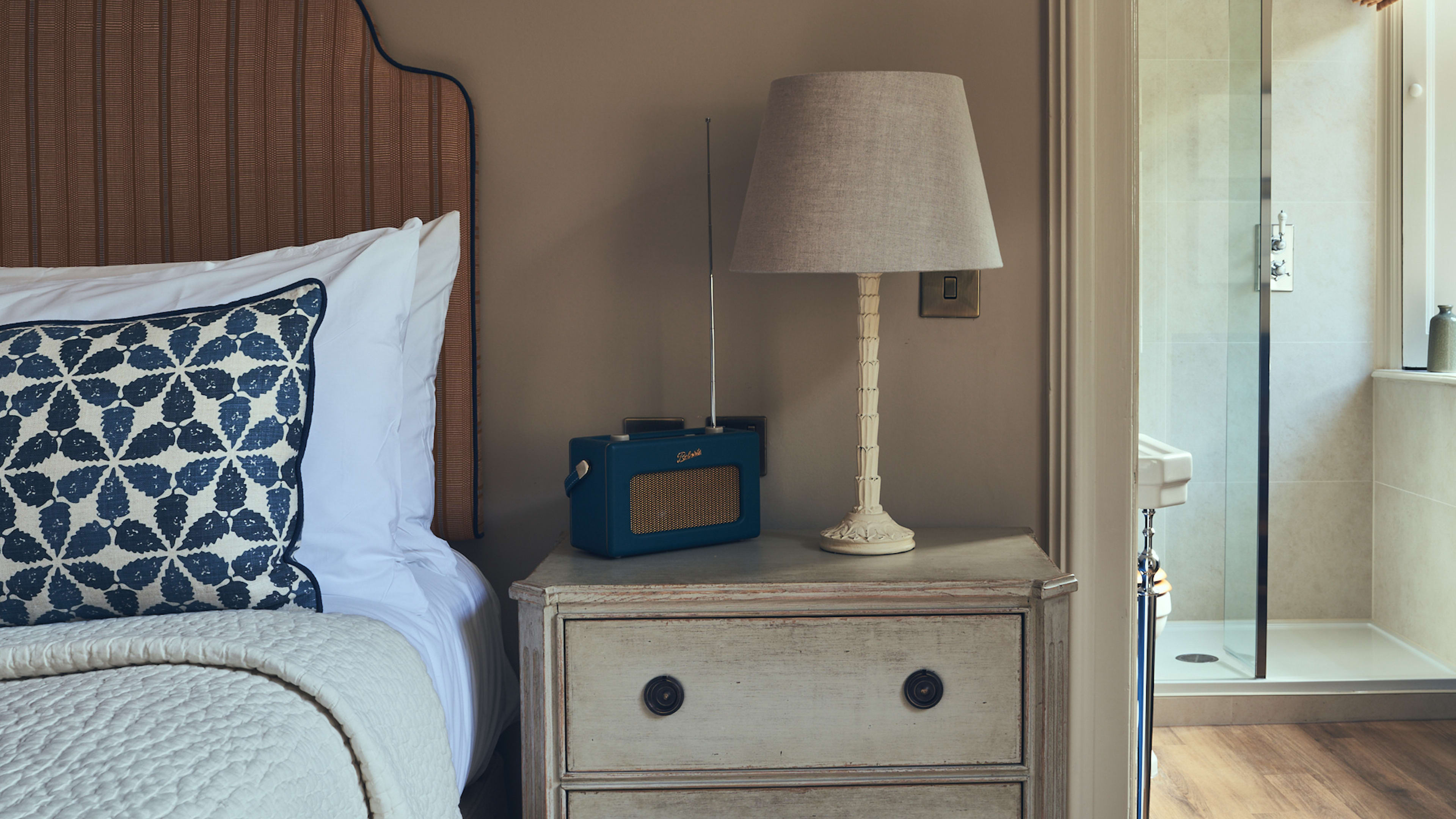
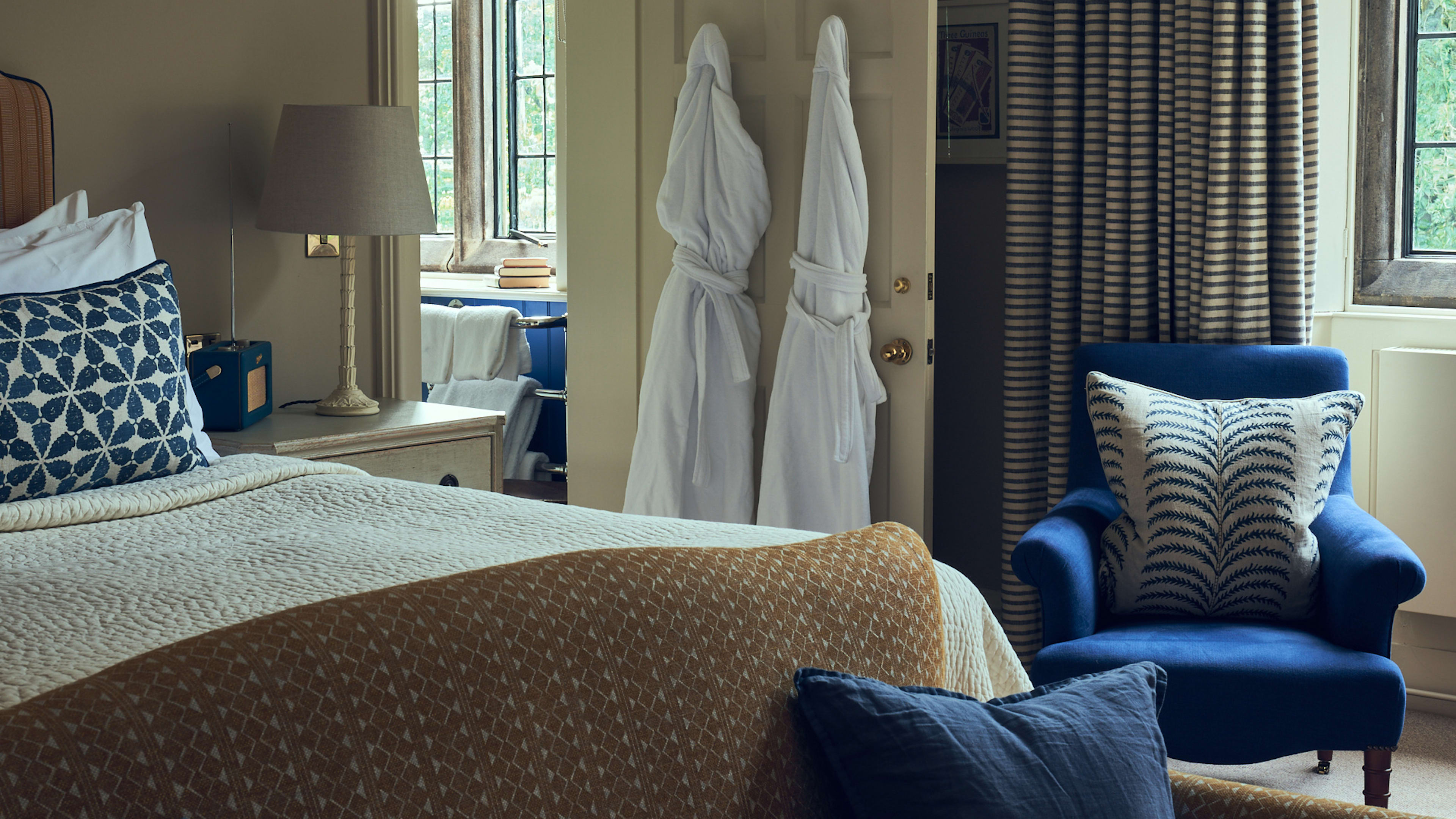
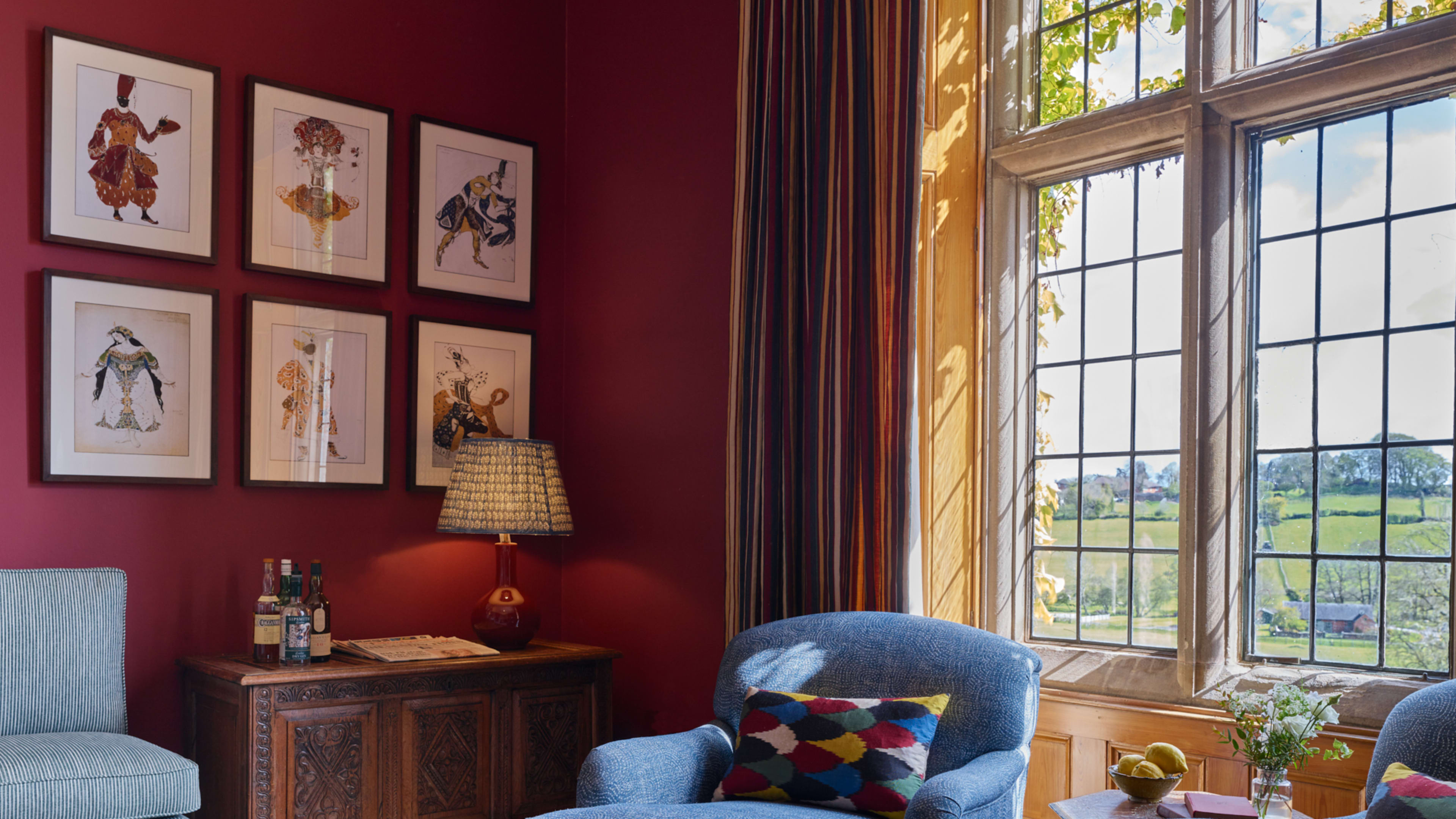
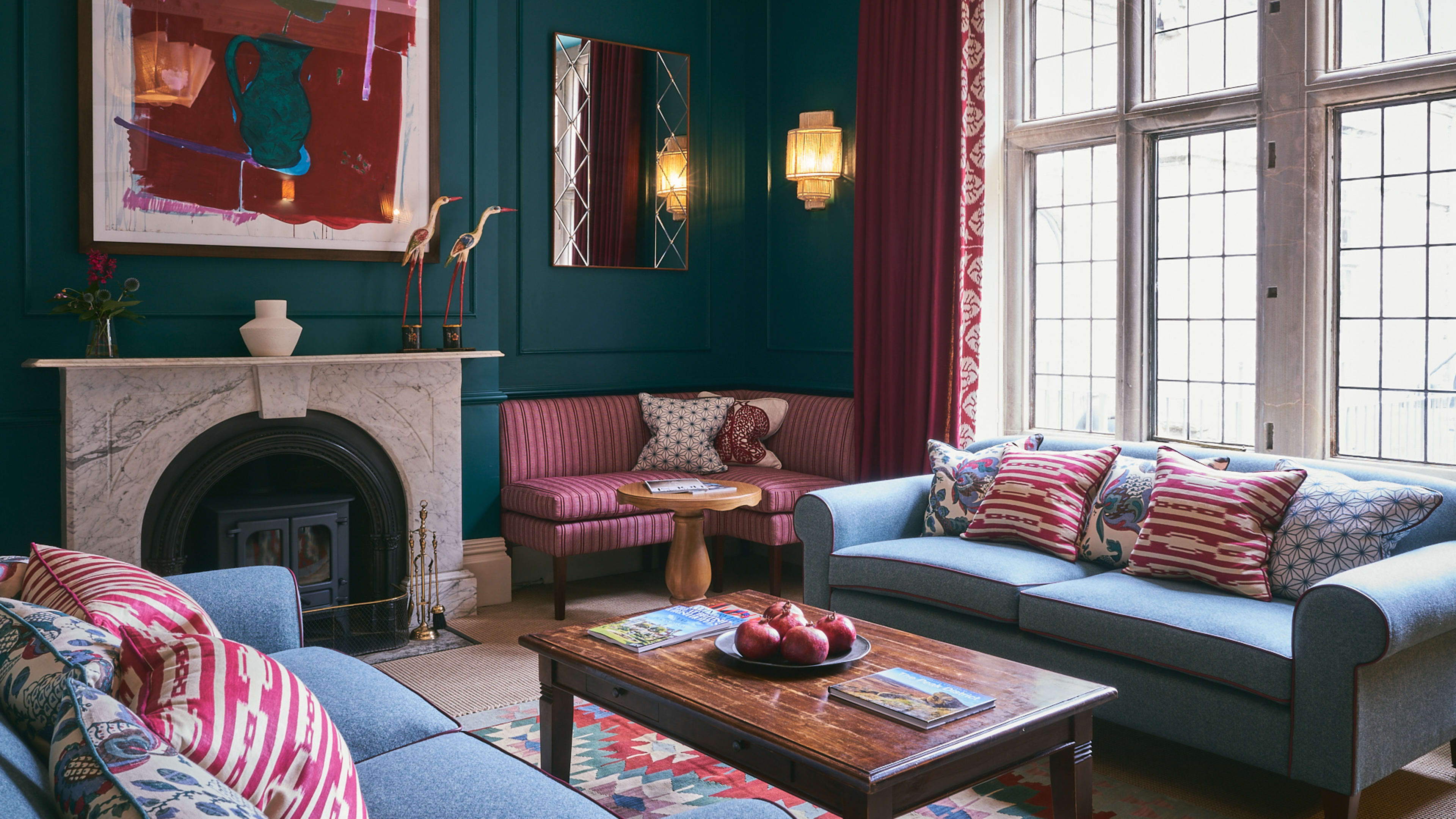
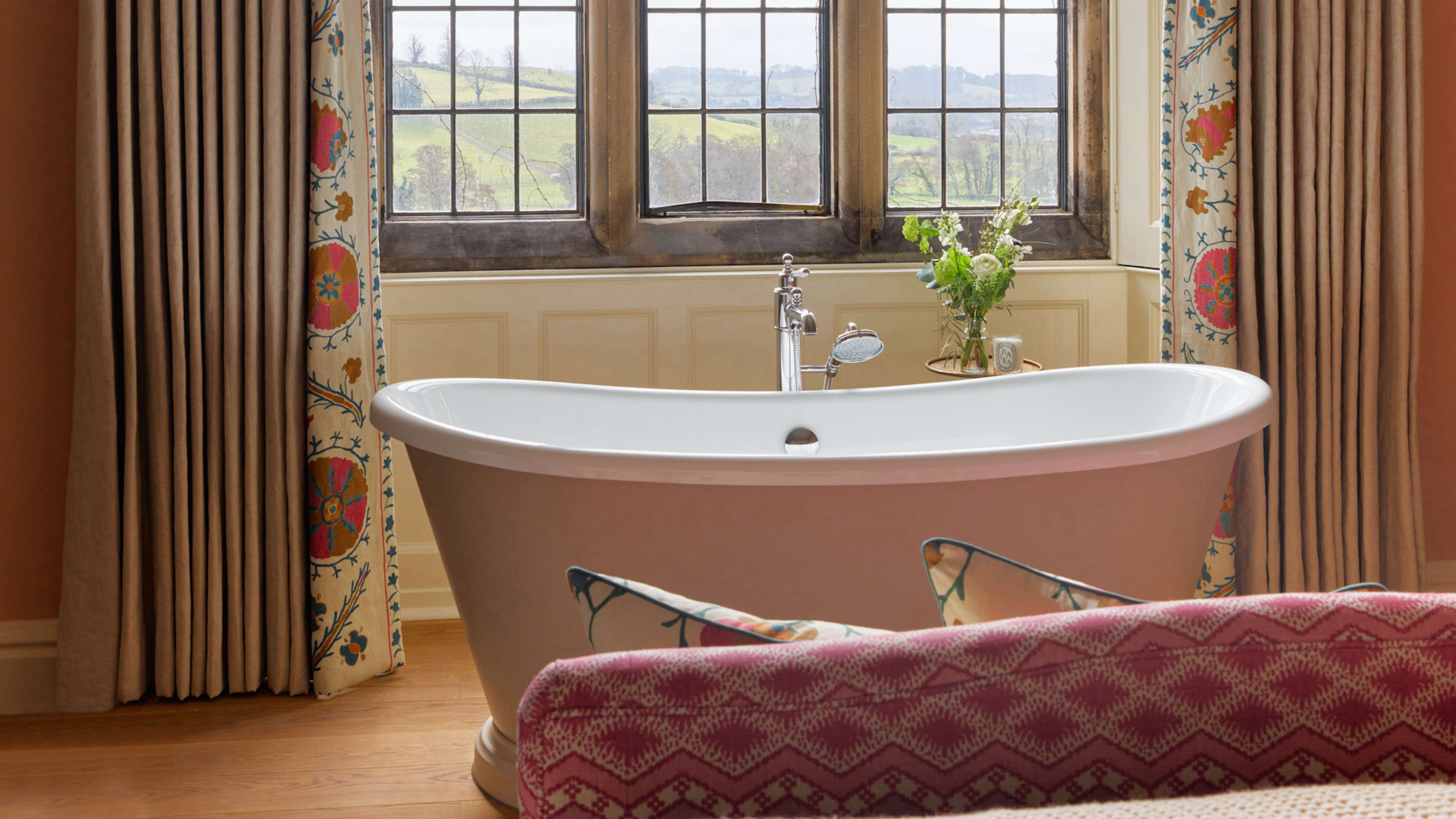
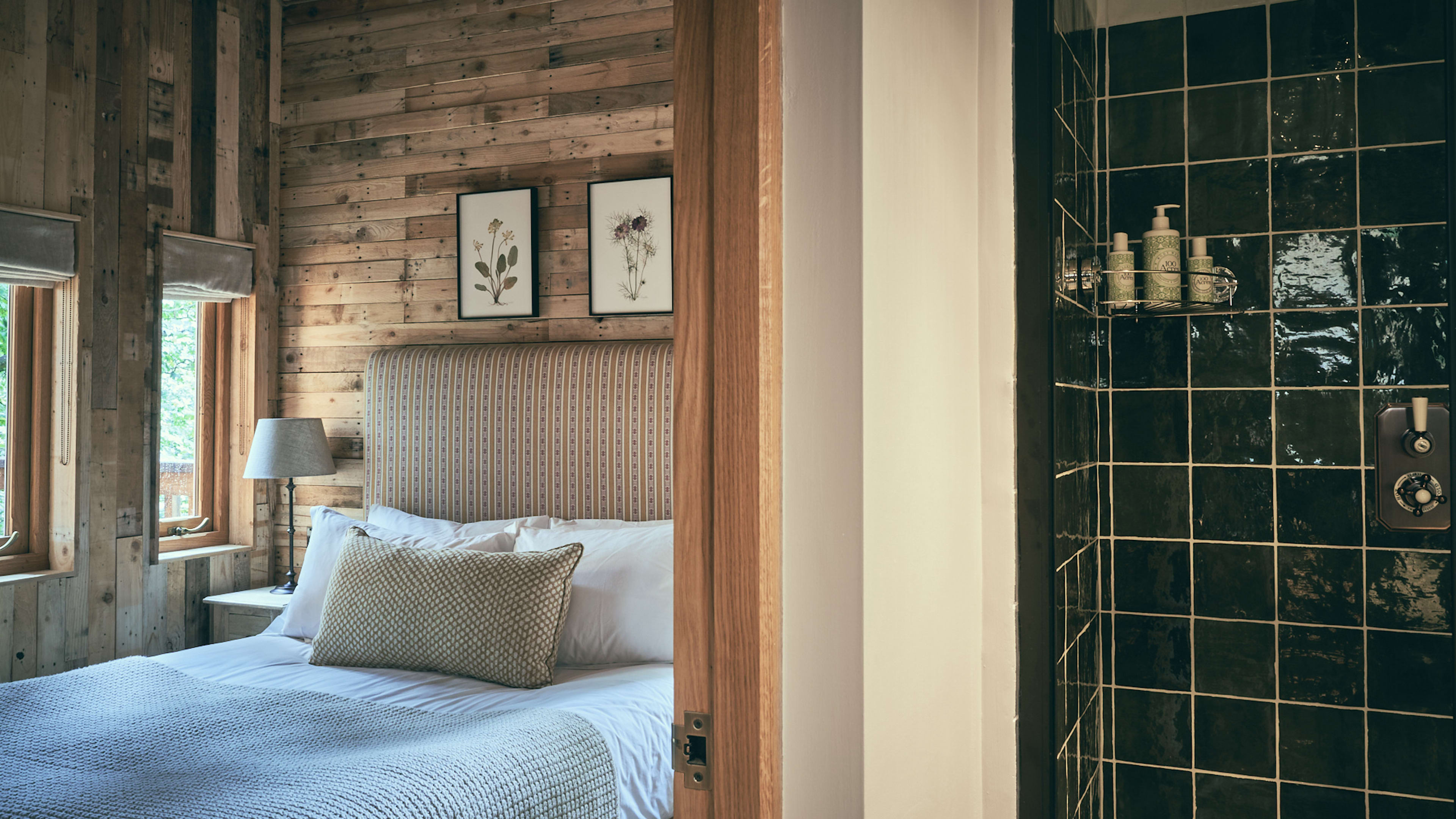
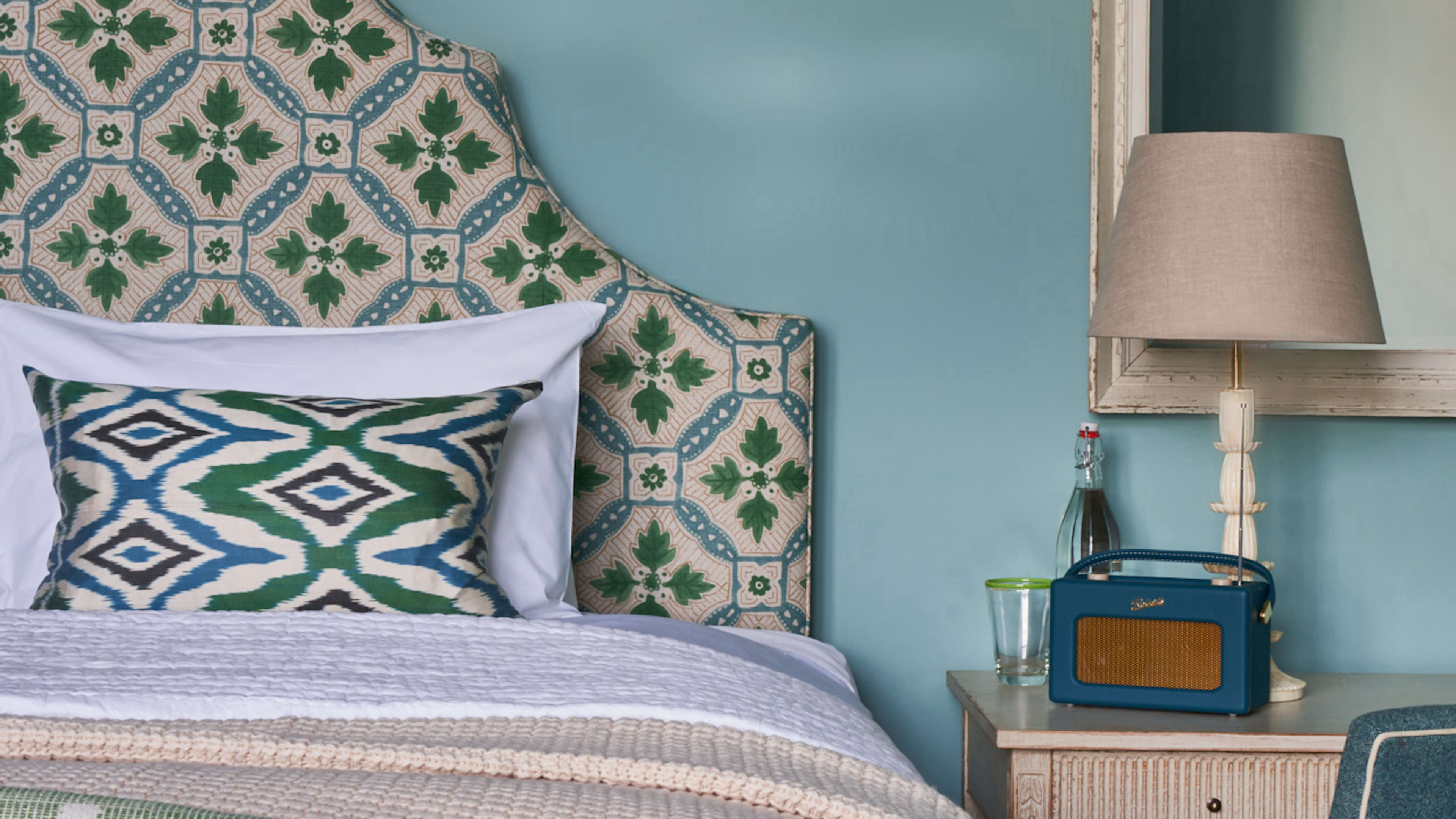
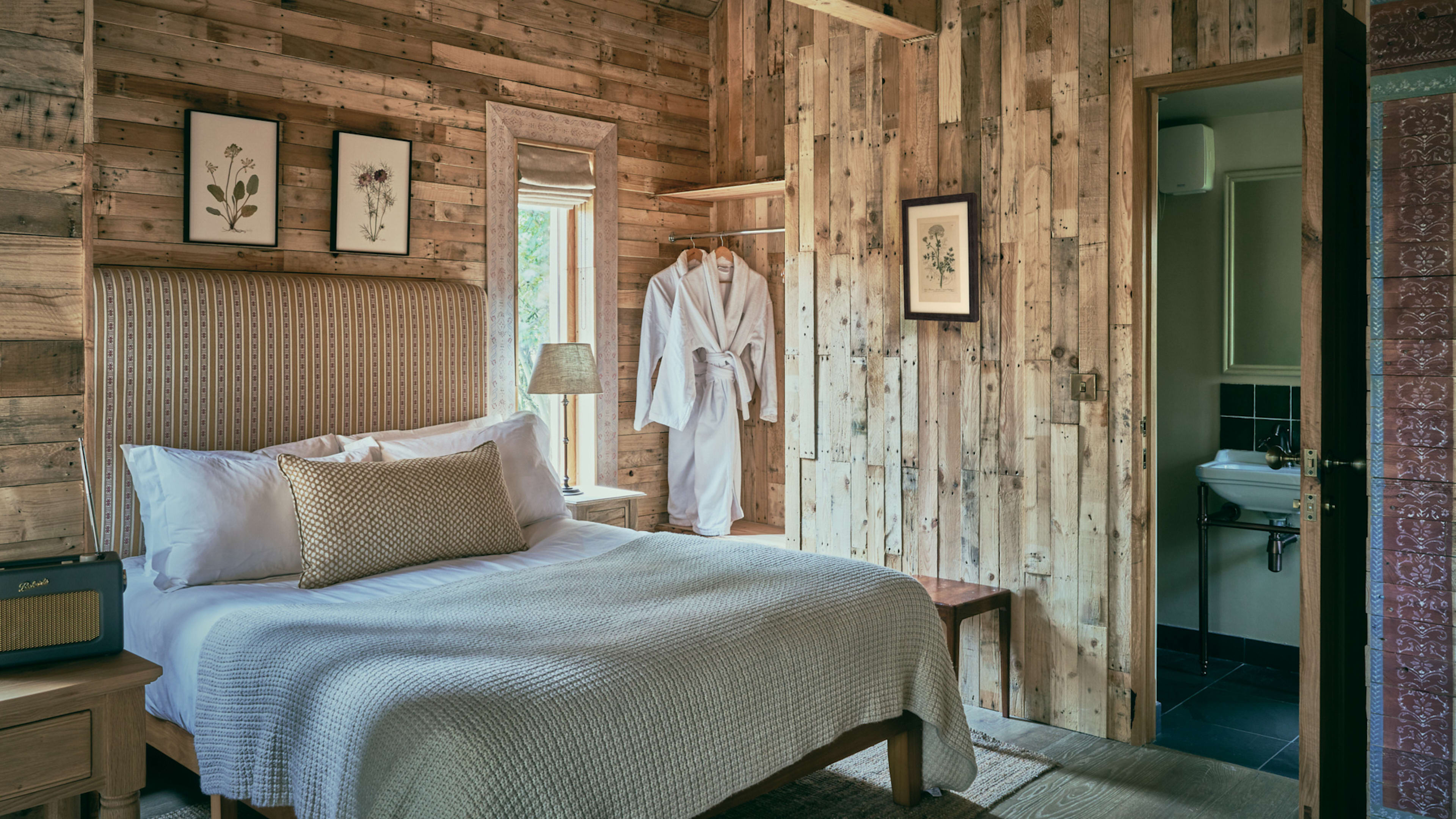
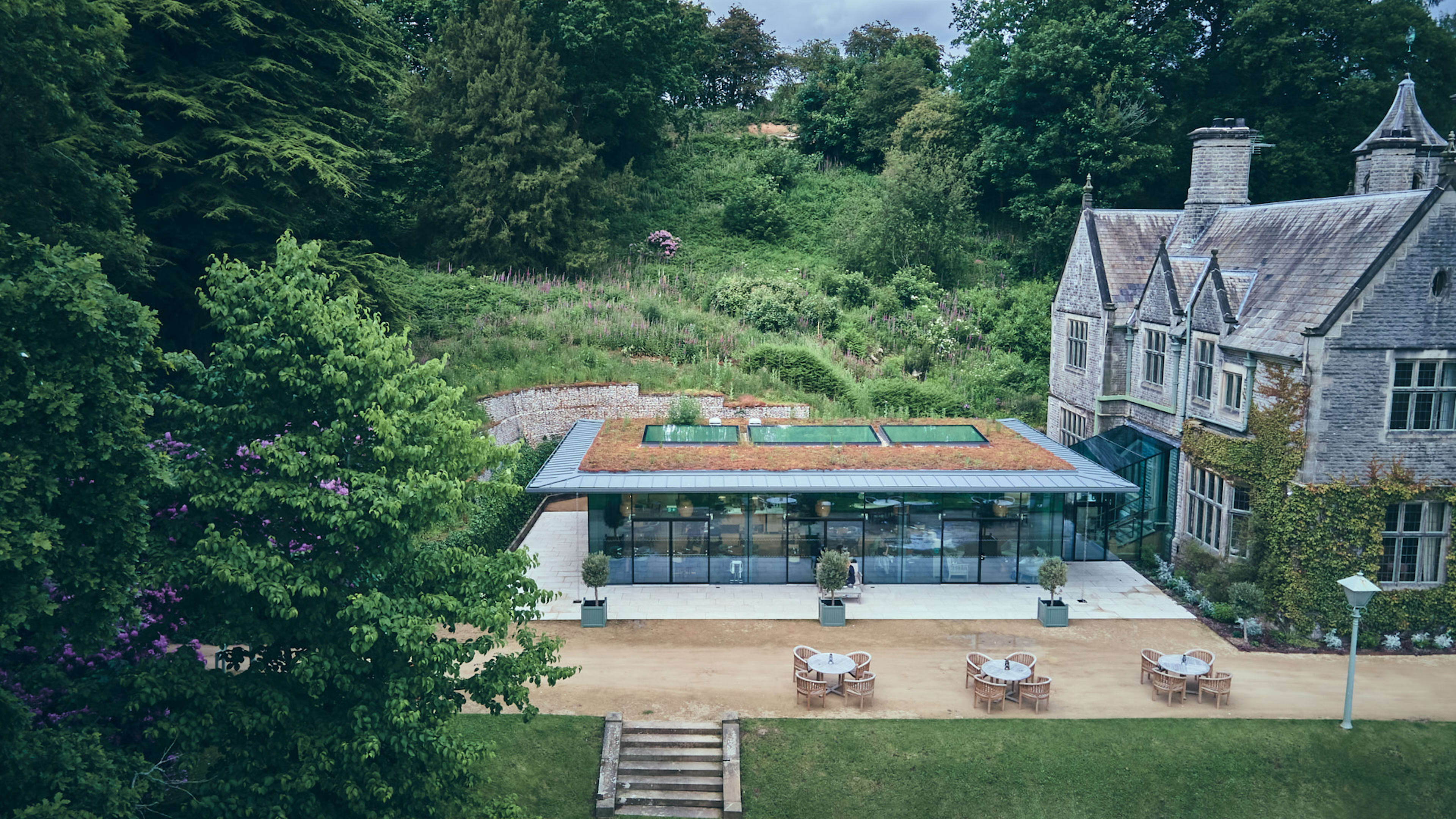
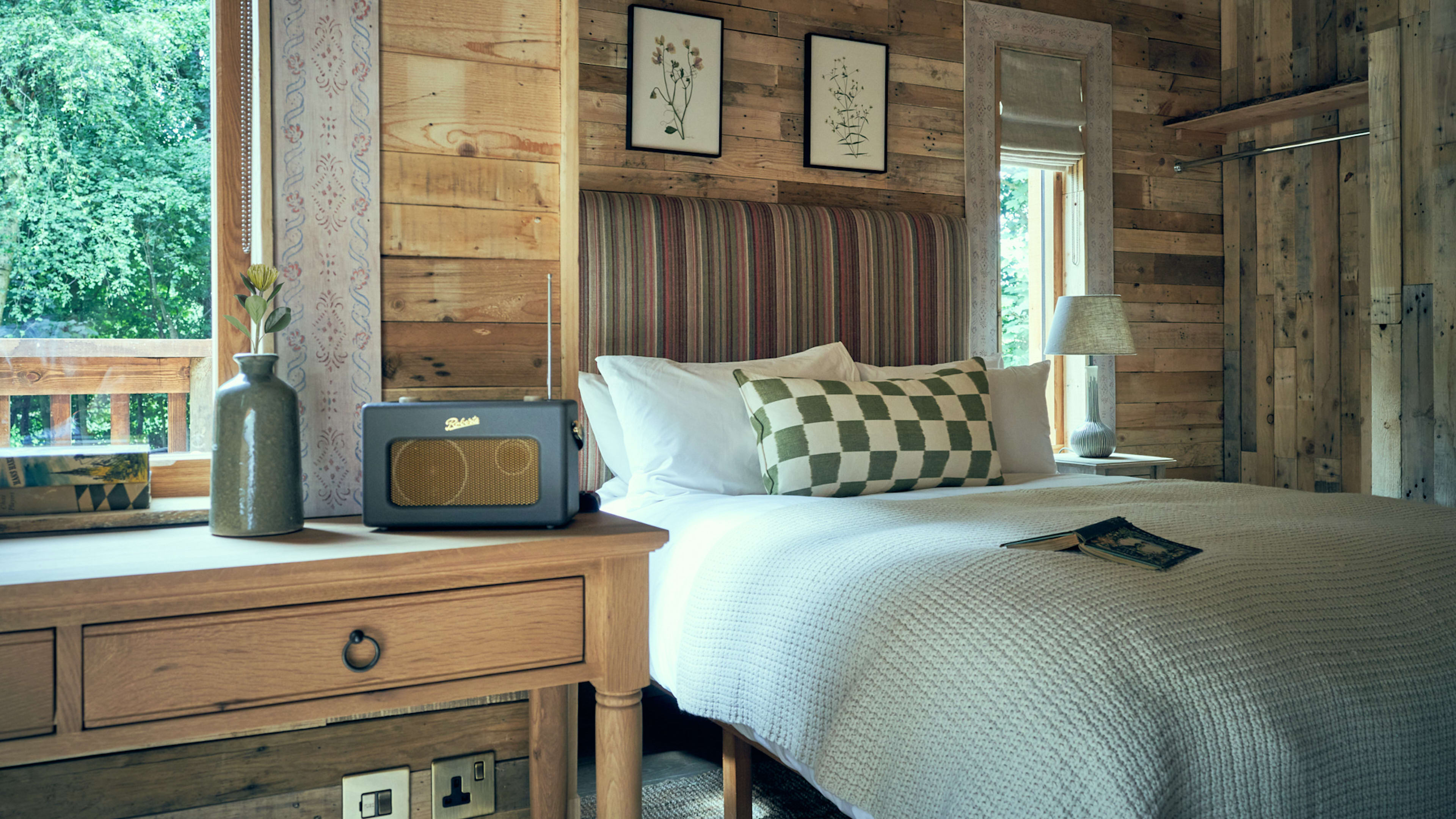
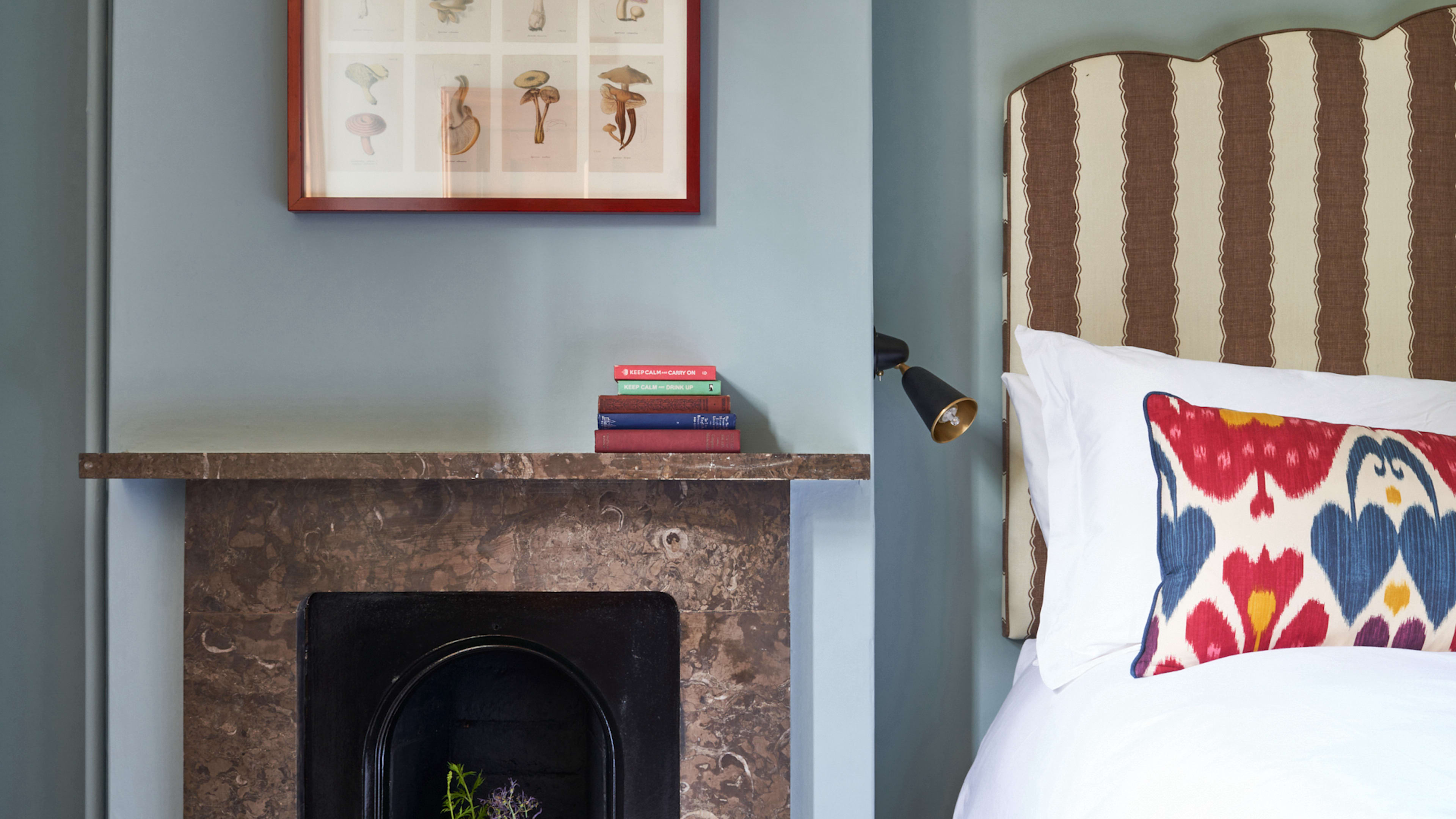
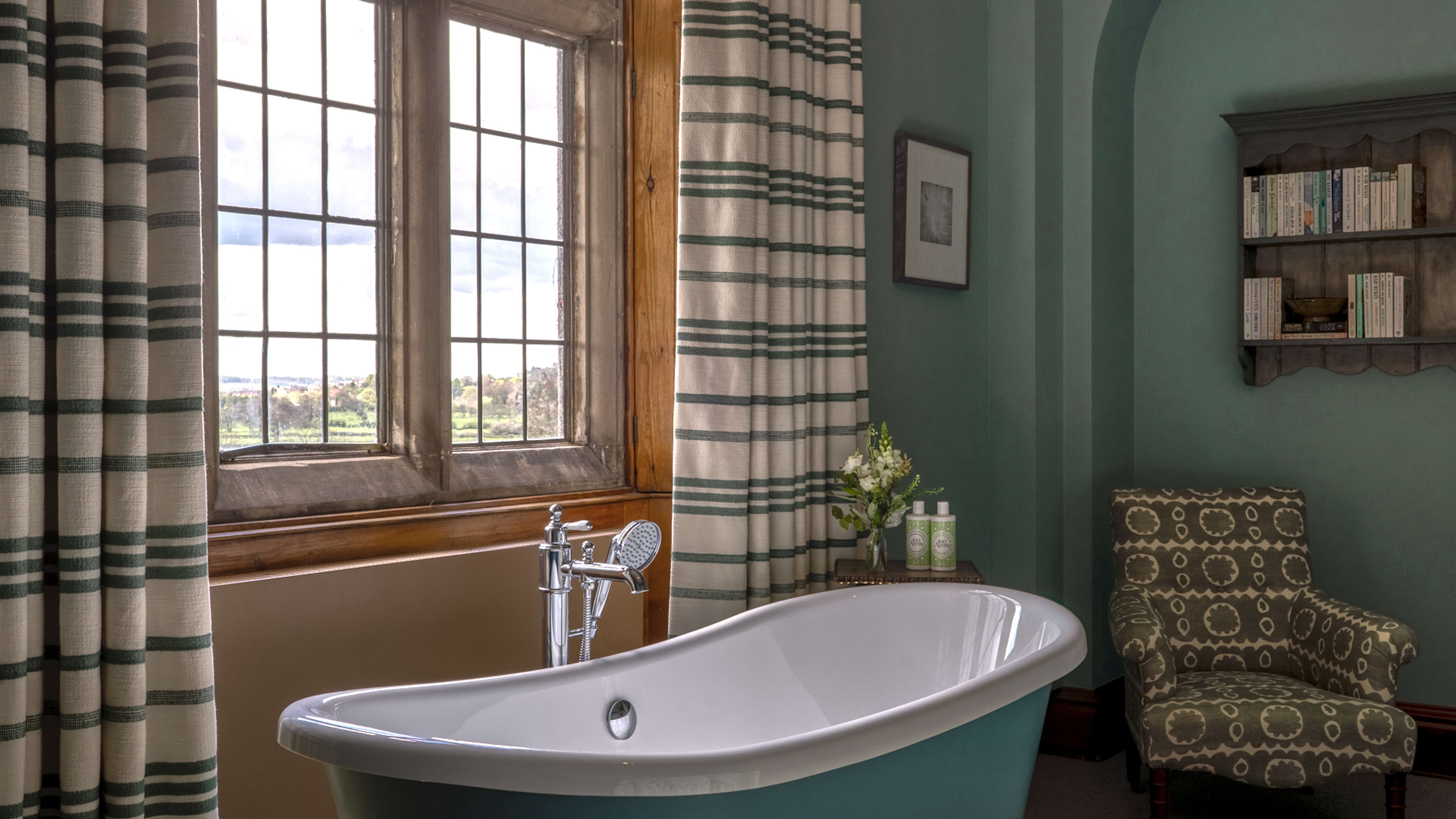
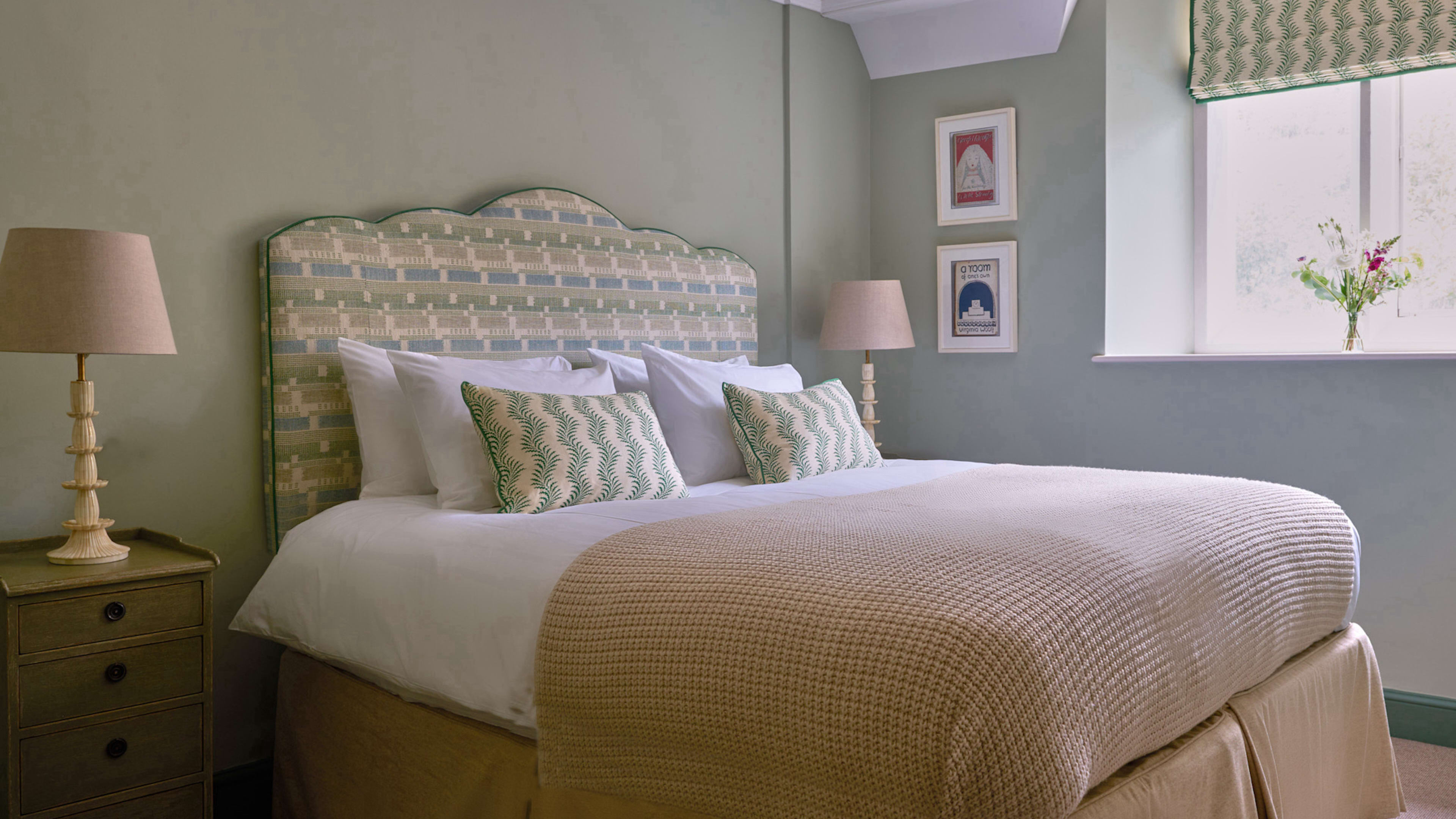
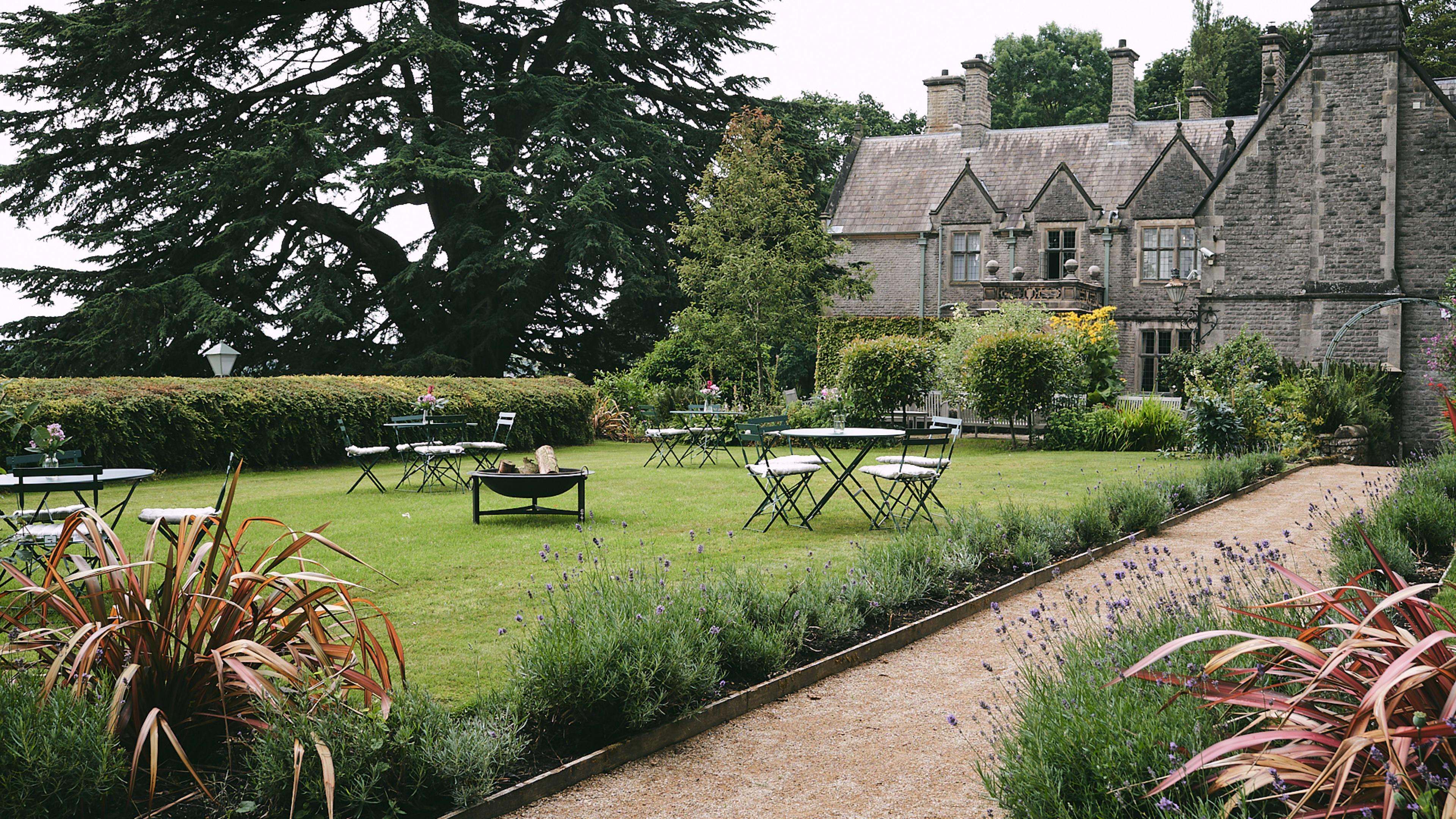
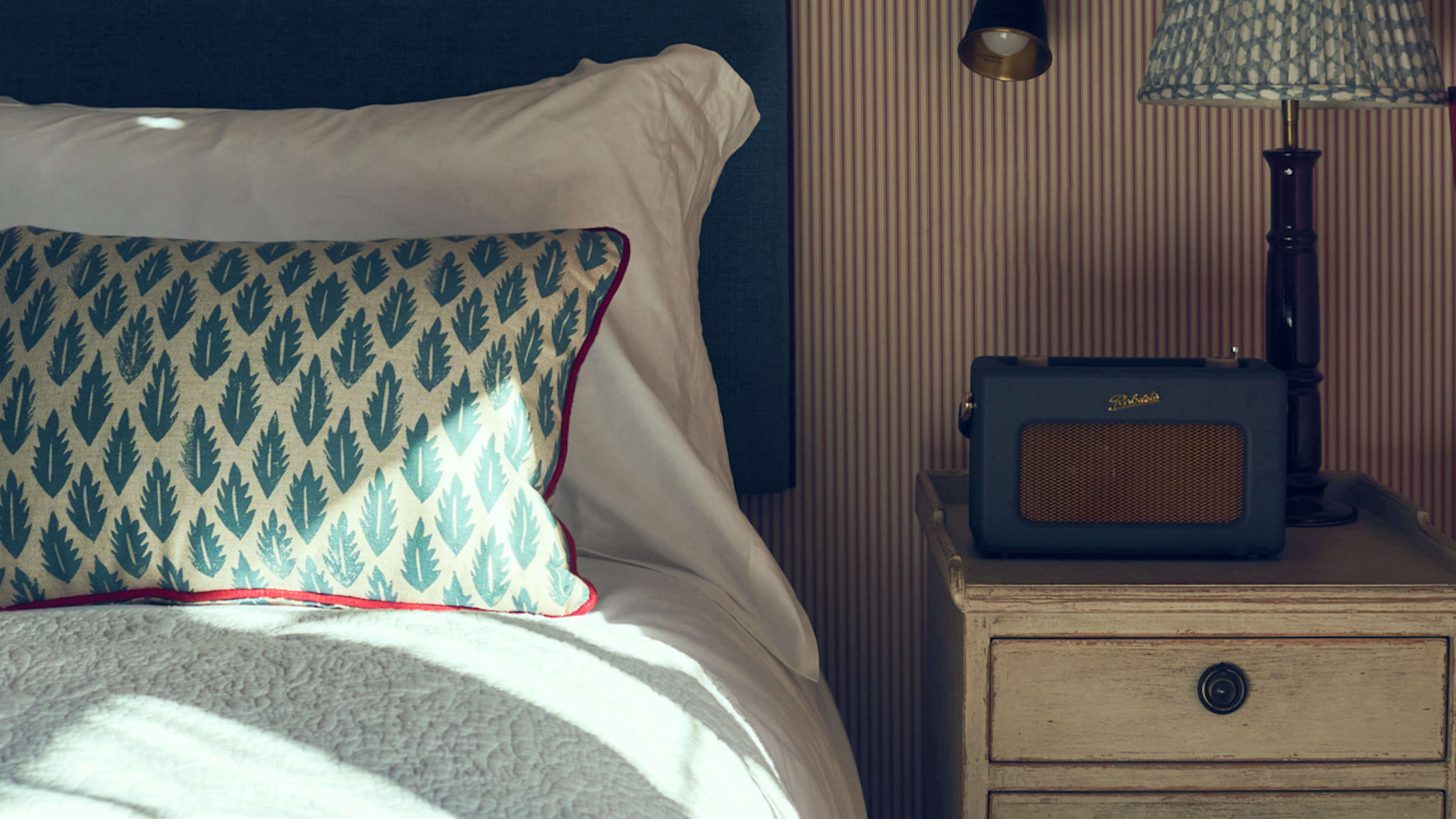
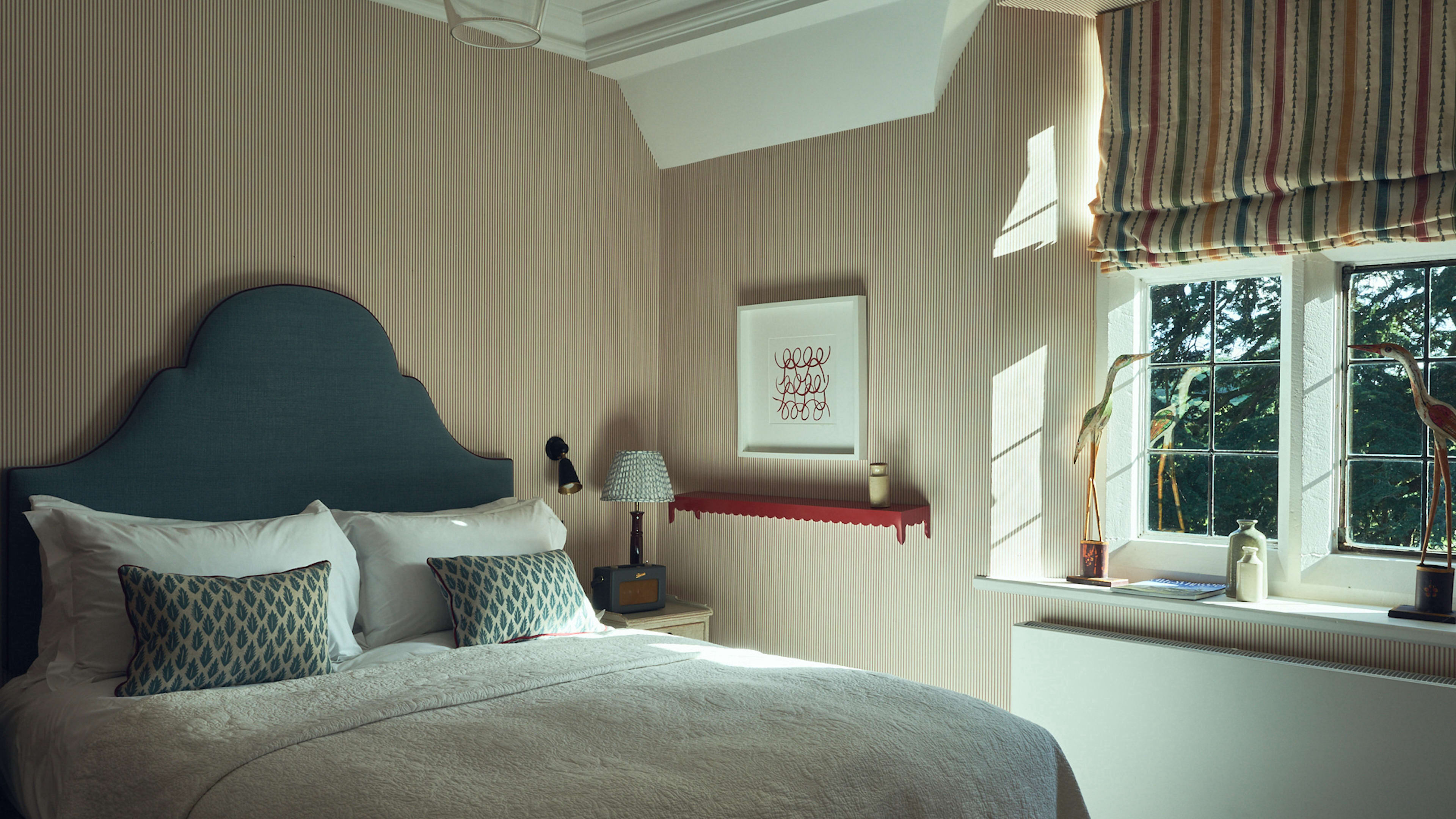
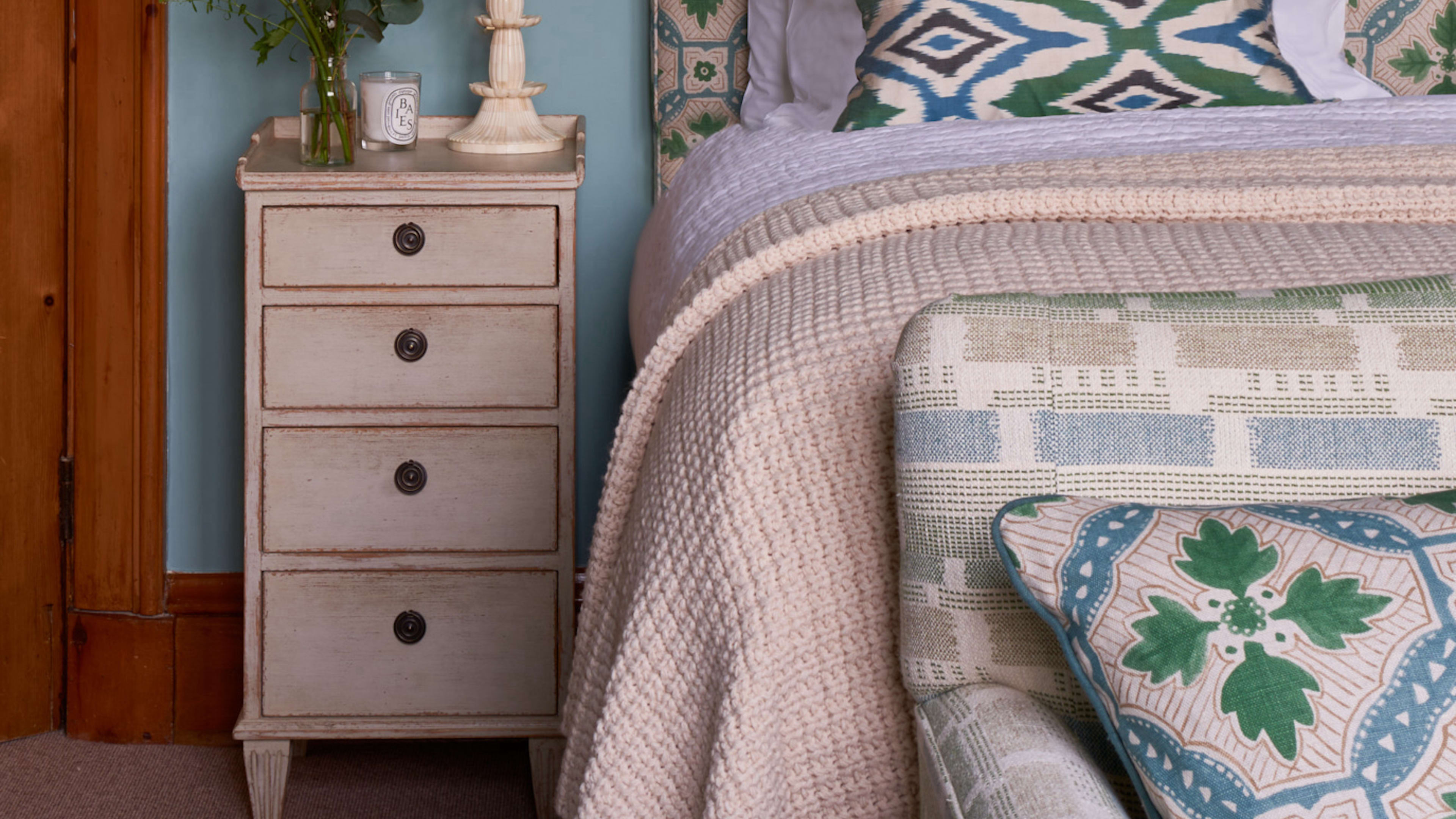
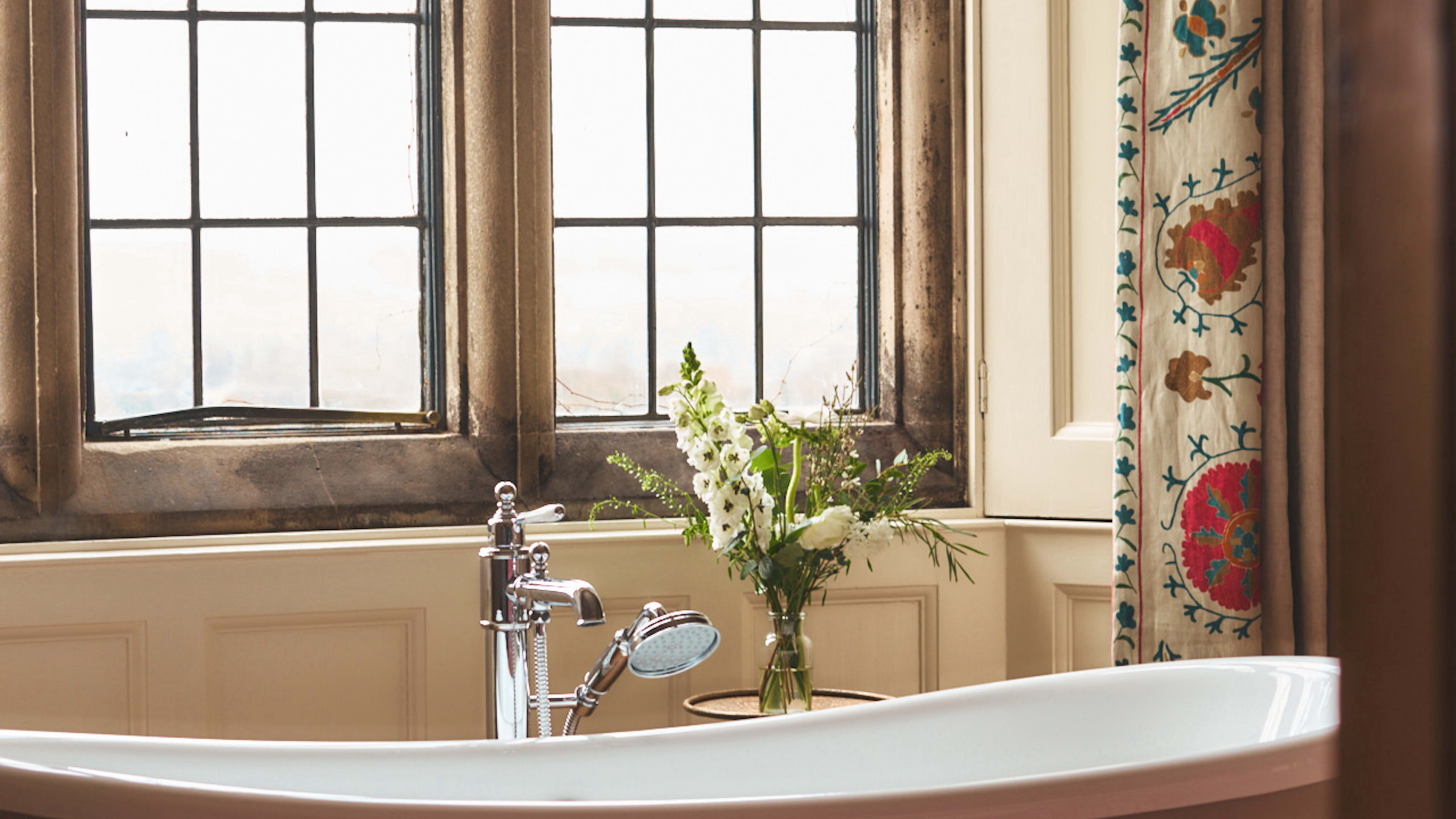
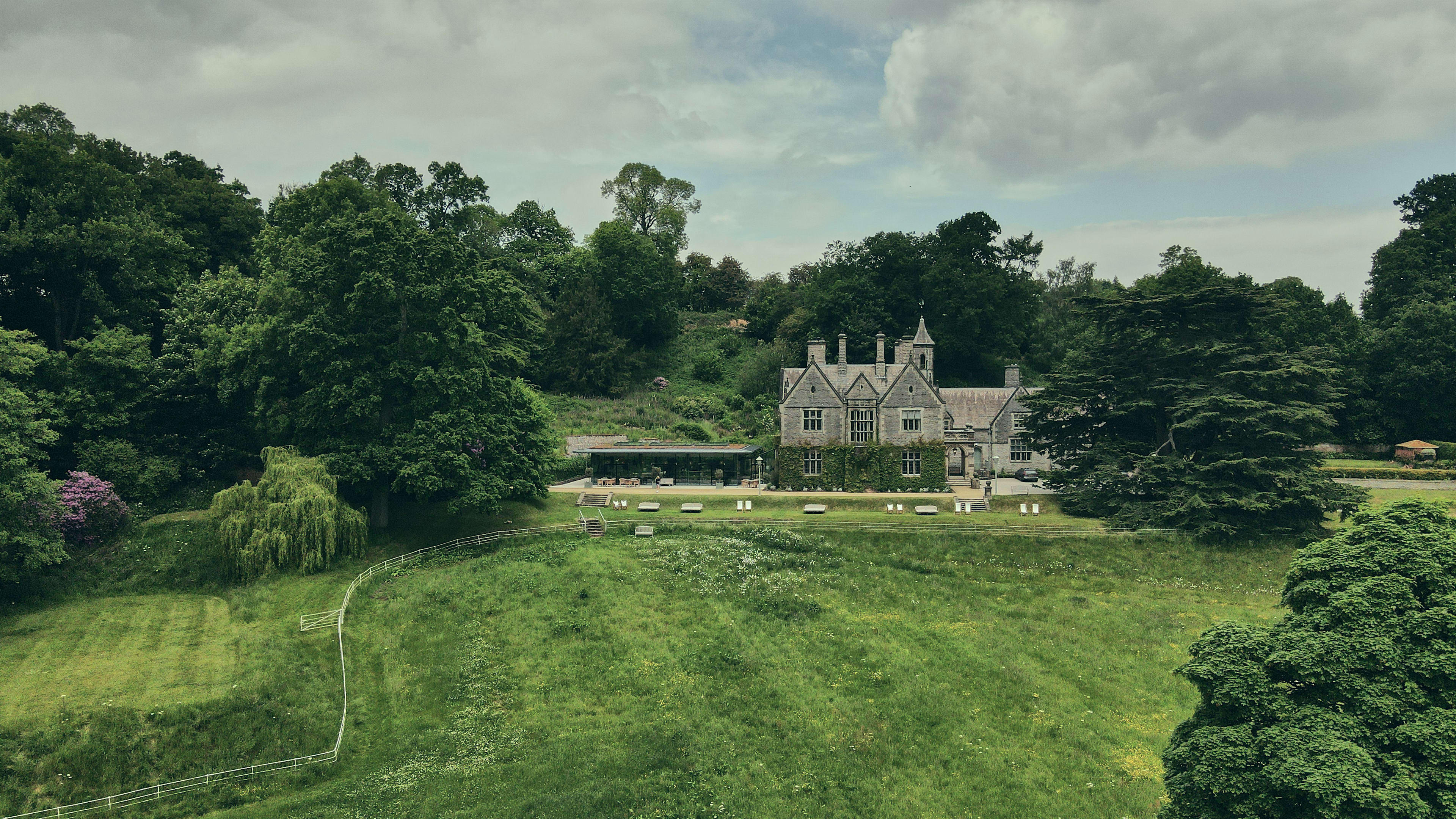
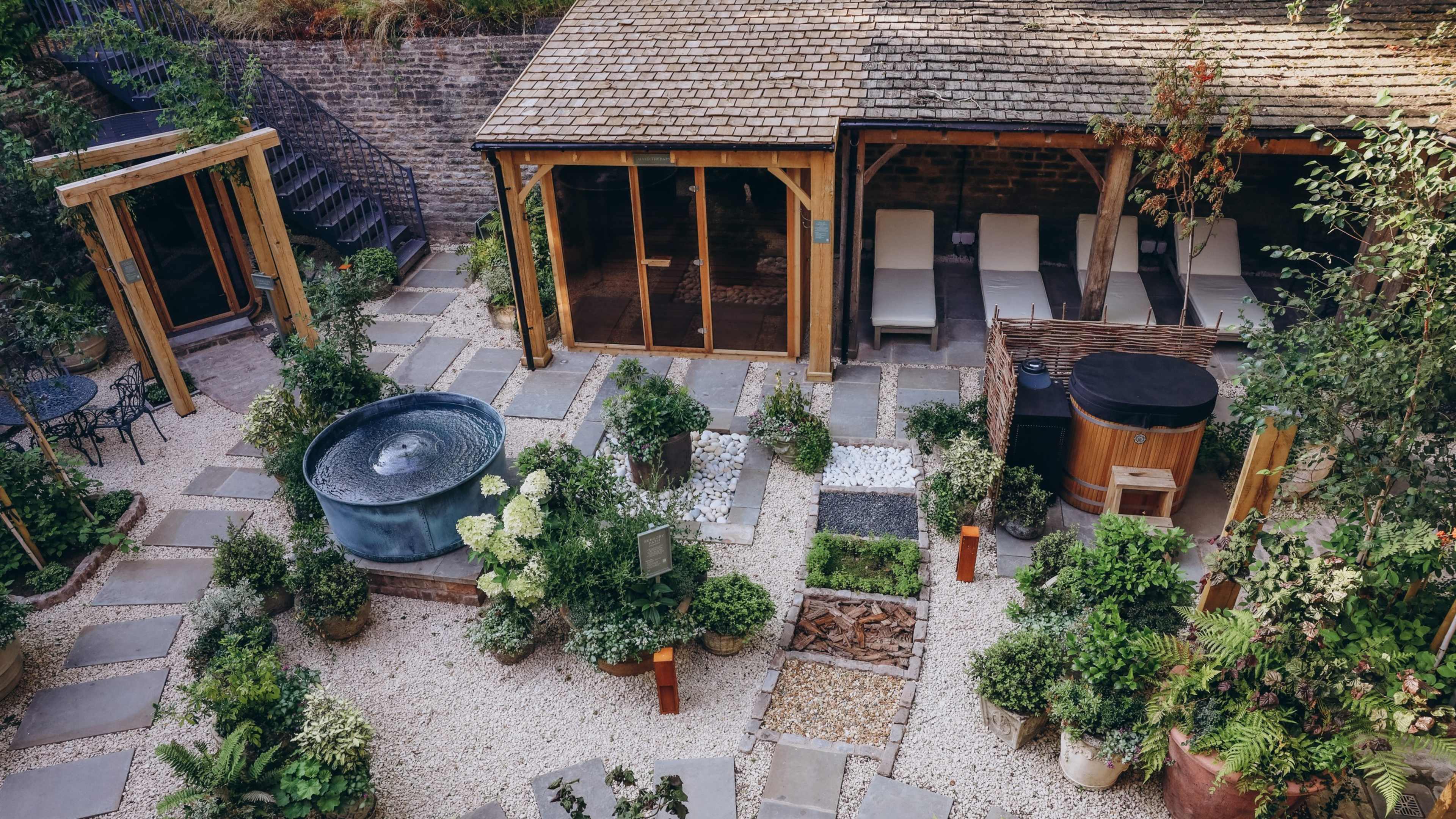
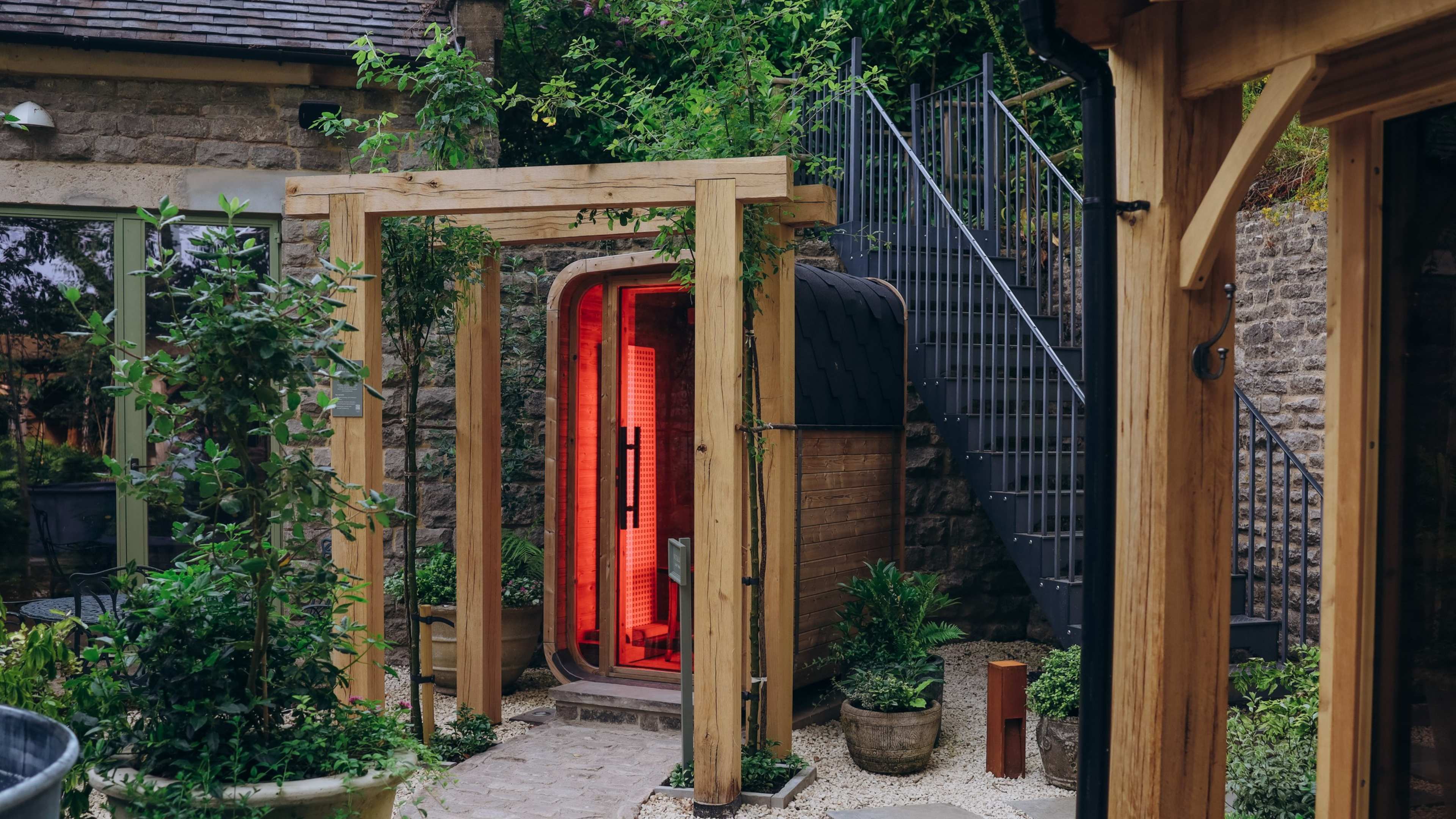
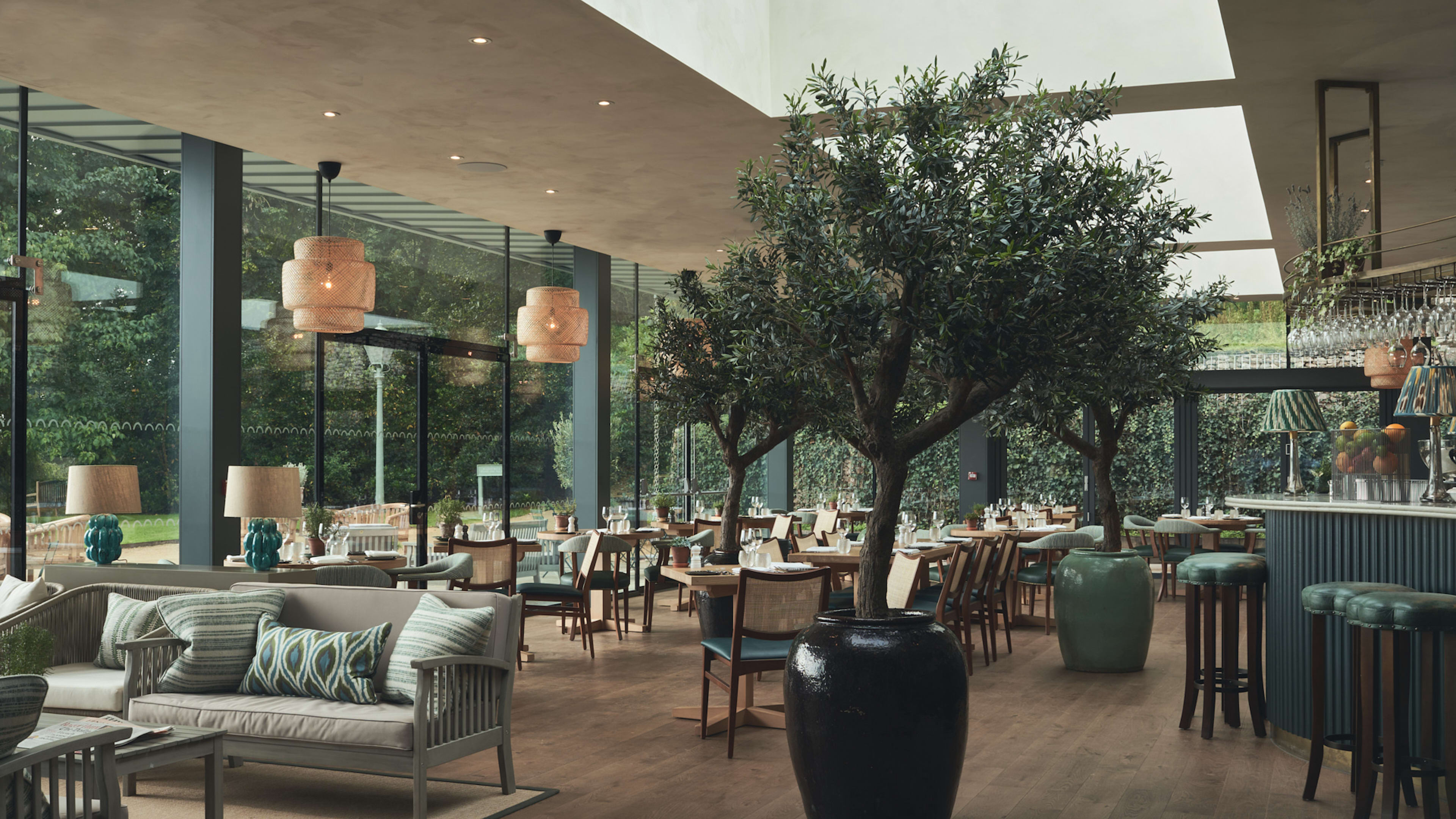
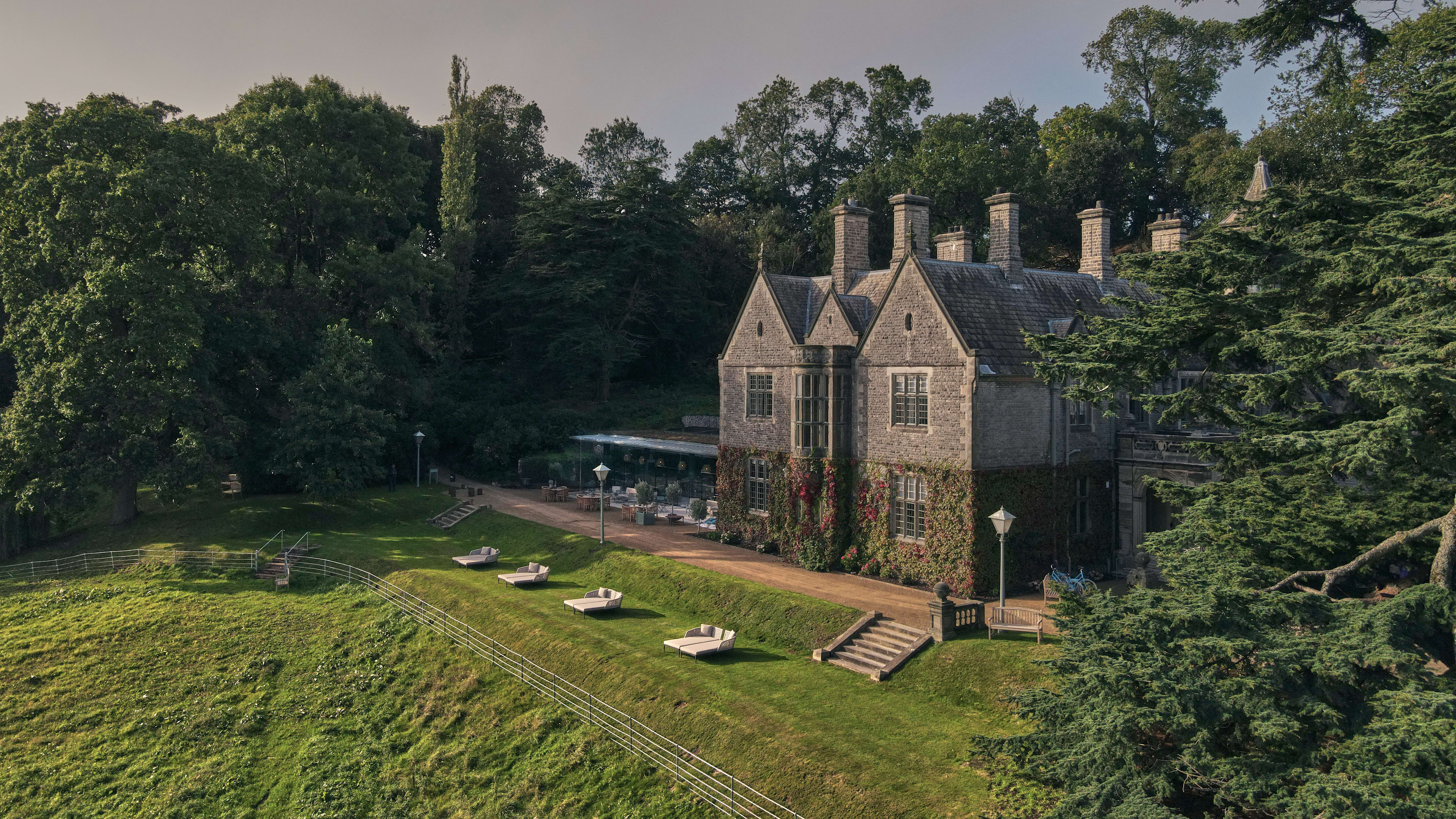
Wildhive Callow Hall, a Victorian Gothic manor set amid blustery wildness at the tippy-toe of the Peak District National Park, is a joy. It has treehouses from which you could badger-watch as you bathe on your deck and an Isabella Worsley makeover has brought colour and pattern to rooms. There’s serious outdoorsiness to be had, but when you return, you’ll be greeted with best of British fare, green-goddess views and many cosy nooks to curl up in.
Planes
The closest travel hubs are Manchester and Birmingham airports, just over an hour’s drive away. Or land at Leeds Bradford, about a two-hour drive away. Transfers can be arranged (from £50 to £100 one-way). If you’re making the drive from London, Heathrow, Luton and Stansted, they’re all about a two-and-a-half-hour journey away.
Trains
Derby train station is just a 30-minute drive away and is very well-connected, with a direct link to London St Pancras and Sheffield for starting points further north.
Automobiles
When you’re not using your legs, a car will come in handy for hopping from stately home to village. There’s a free-to-use car park a short walk from the main building, and charging points for electric cars. If you're driving from London, it's straight up the M1 for most of the way, until turning onto the A50 for the final stretch.
Worth Getting Out of Bed For
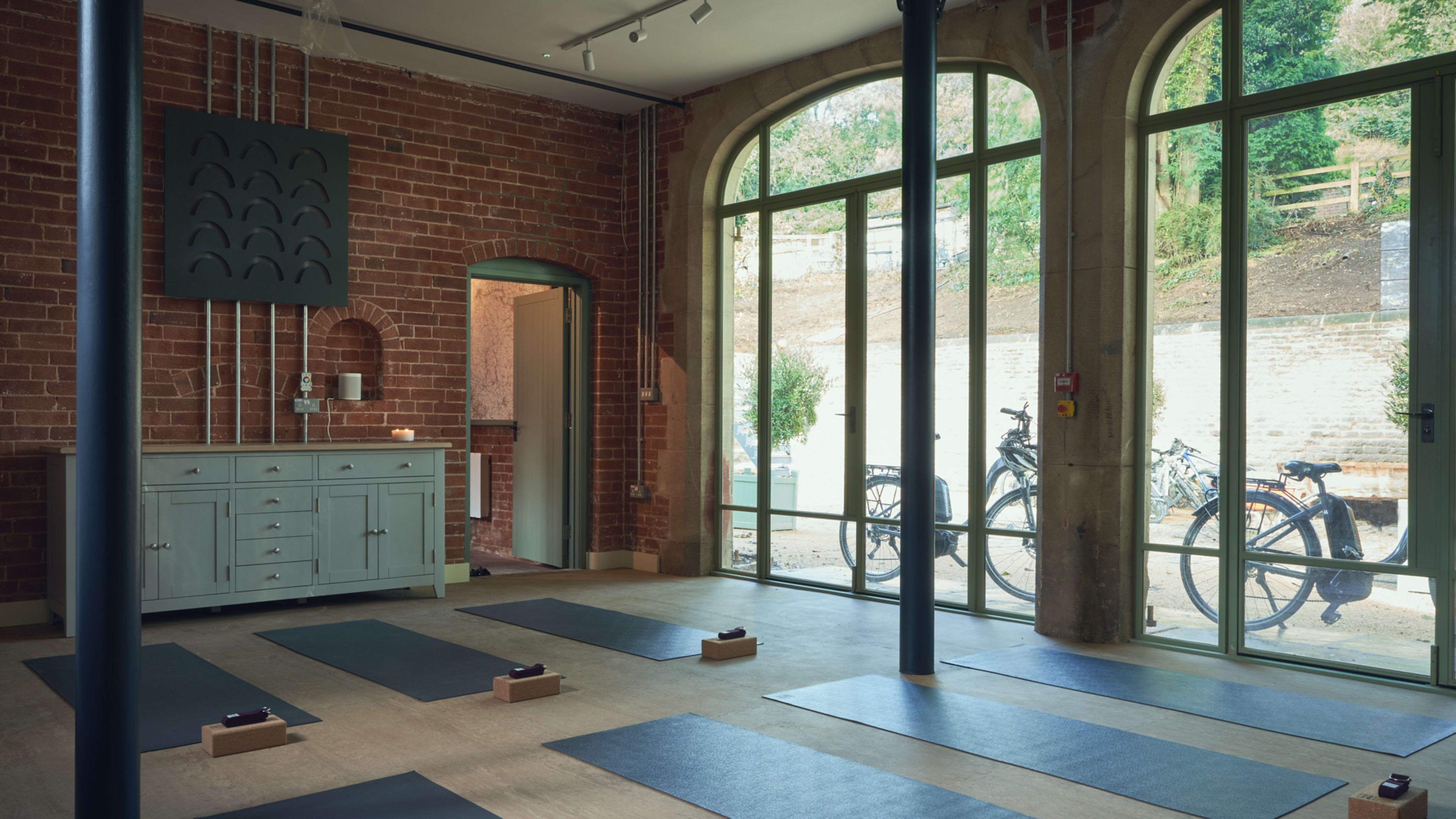
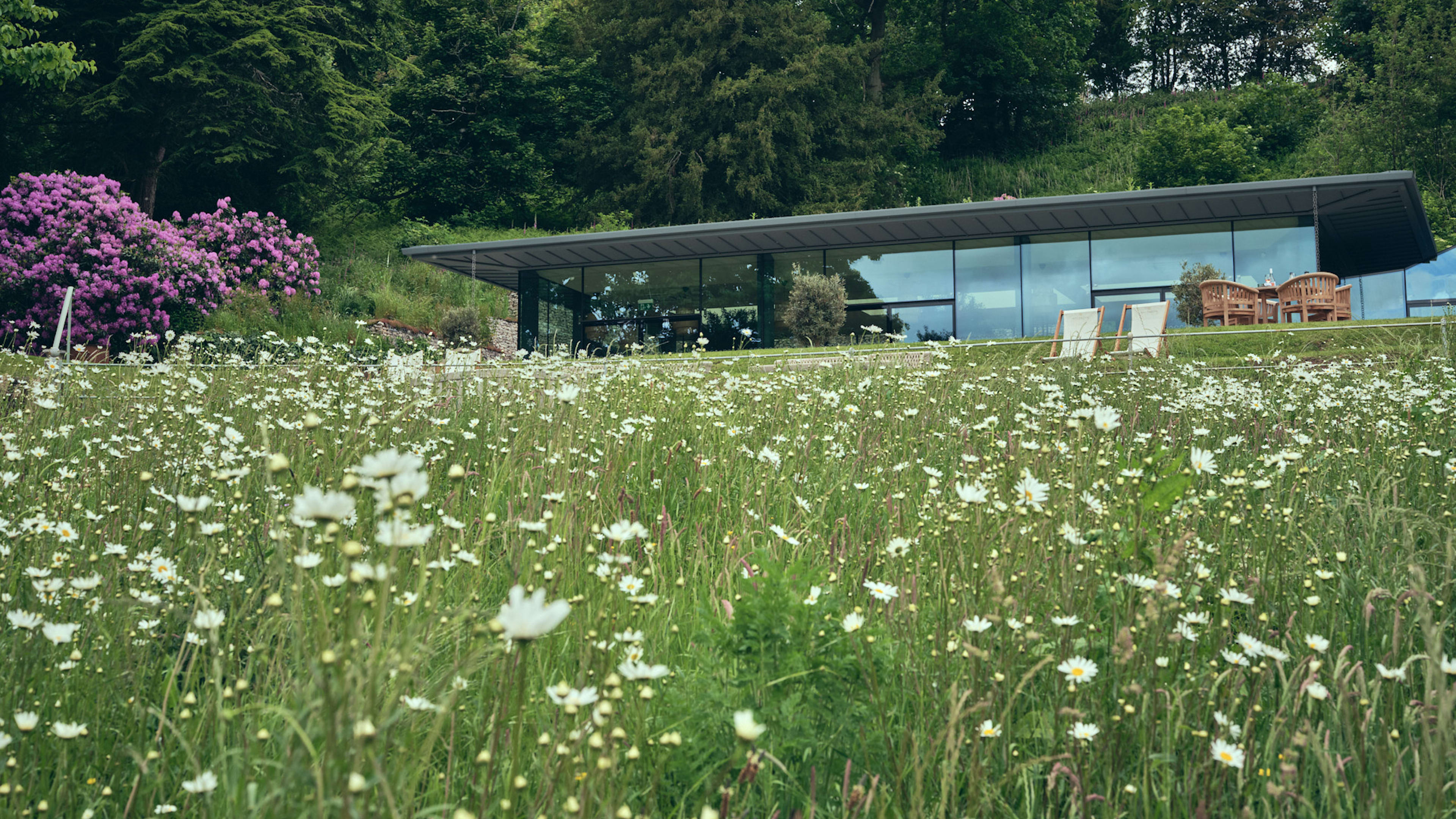
It’s time to go walkies… No seriously, there’s a lot of walking to be done in the Peak District National Park and the surrounding countryside. So much so that the hotel has a dedicated ‘map room’, which launches many adventures (don’t worry, along-the-way pubs are pointed out too), and for more guidance staff recommend the Komoot App. The grounds themselves – 35 acres of gardens, woodland and wild meadows – call to romantic roamers too, and if you have any questions along the way, the keepers are friendly to chat to. They’re home to deer, badgers, rabbits and many bird species; the kitchen gardens are ripe for scrumping (it’s allowed), and lawns are set for genteel croquet matches. Beyond, you could skip over the Dovedale stepping stones, clamber over Thorpe Cloud Hill and Dovedale Valley’s notorious Dragon’s Back, gently amble by the Dove River (it allegedly inspired Handel to compose the Messiah, so you never know…), or get those calf muscles pumping and accompanying dogs sniffing across the limestone dales and purple-patched high moorland of the national park. Perhaps walking Limestone Way (a 46-mile swathe of the Trans-Pennine trail, which stretches all the way to the Turkish border), or the Boundary Walk, which goes all the way around (it’s 188 miles has been apportioned into manageable walks for novices). And the Mam Tour Walk offers iconic views. If that sounds exhausting, or your legs can’t carry you fast enough, the hotel has bikes to borrow for free (and e-bikes and mountain bikes for a charge); again, there are routes galore to follow, all revealing more of the park’s natural splendour, but we like the Tissington Trail, a gentle 13-mile pedal, which passes the Tissington Hall Estate – a manor born for afternoon-tea stops, and ends at Parsley Hay, a dark-sky reserve which sparkles after dark.
However, poor Tissington Hall can’t compete with the stupendously grand Chatsworth House, home to the Devonshires for 16 generations. In the grounds, there’s an arboretum, fountains, sculptures, a farm and playground, and within, amid marble flooring, run-riot frescoes and gilding galore, are the many precious artefacts of the Devonshire Collection (dazzling jewels, old masters, rare books, curios). On a smaller scale, the area’s villages are story-book settings of duck ponds, tearooms, small churches and dinky shops. Ashbourne, in the Derbyshire Dales is famous for its more than 200 listed buildings, and seems like a delightfully sleepy place, until Shrove Tuesday and Ash Wednesday, when a game of football played to mediaeval rules (i.e. riotous) careens through the streets. Or you could try rock climbing, abseiling, caving or yoga, and the hotel also offers mixology classes, pottery-making at local studio, priority-access golf at Ashbourne Club and a seasonally changing programme of events such as floristry and Pol Roger dinners for those who look at a rock face and say: ‘no’.