A Casa Reale
Upping the antiques
Bastion in Bastia
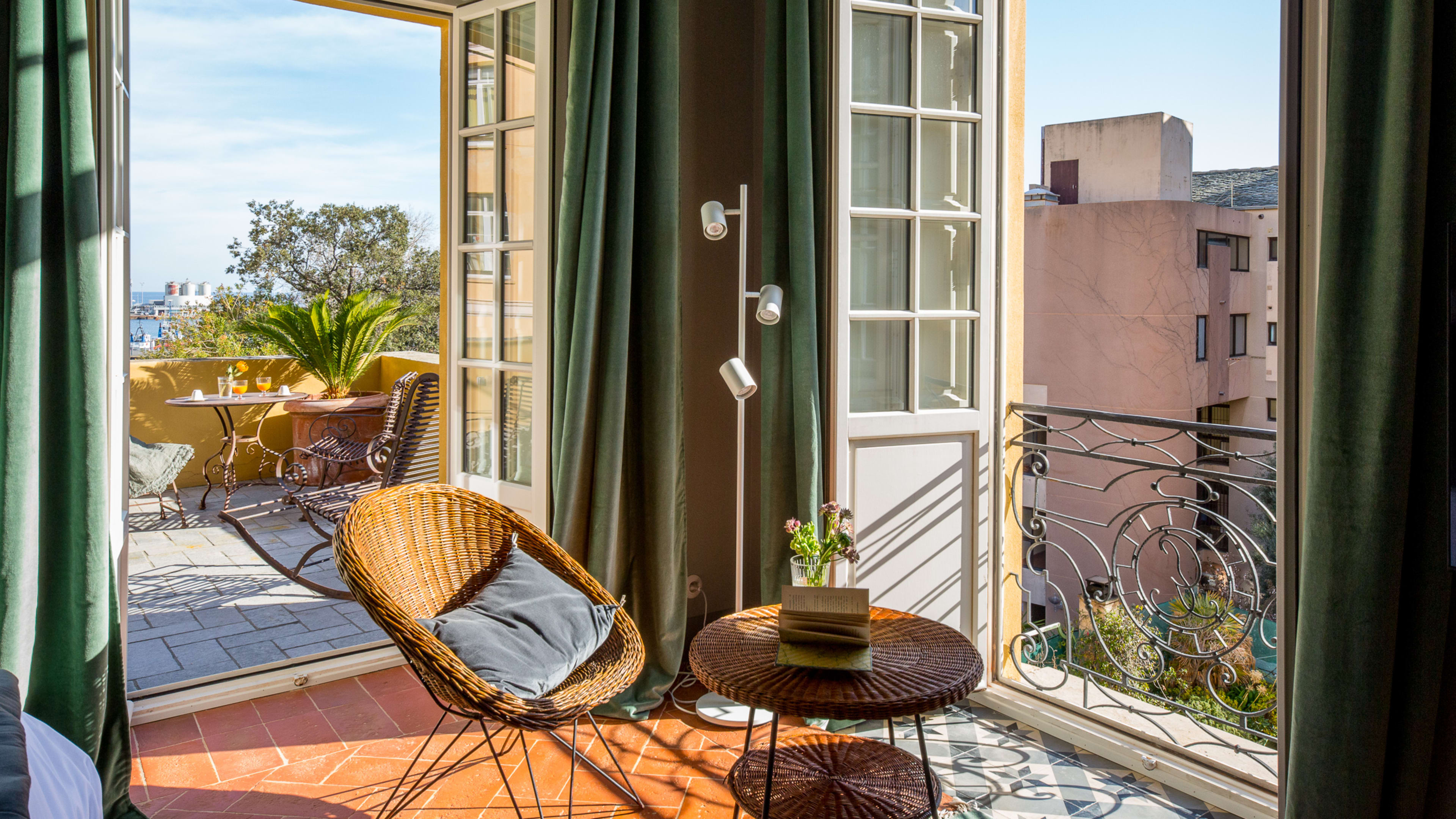
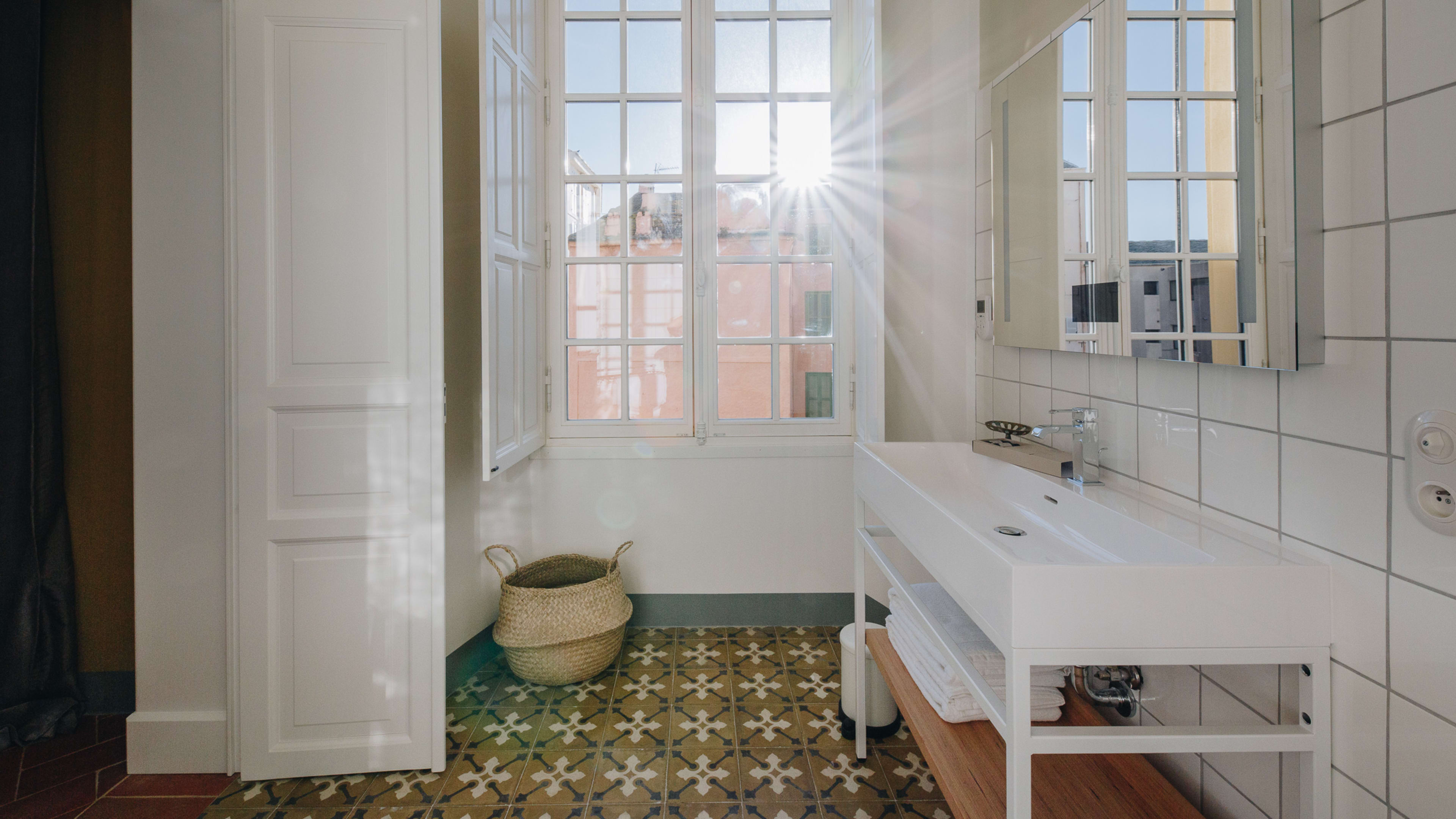
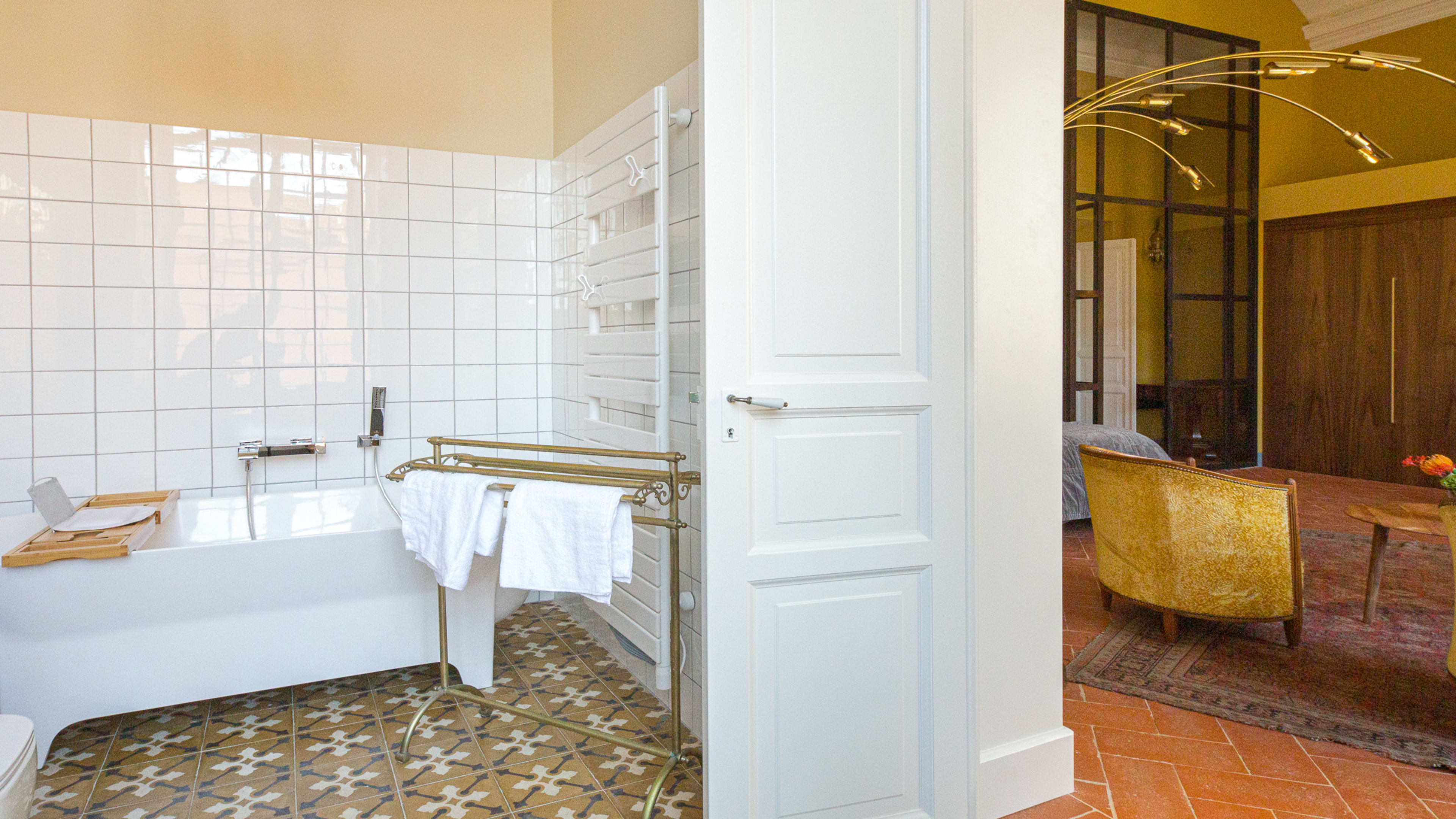
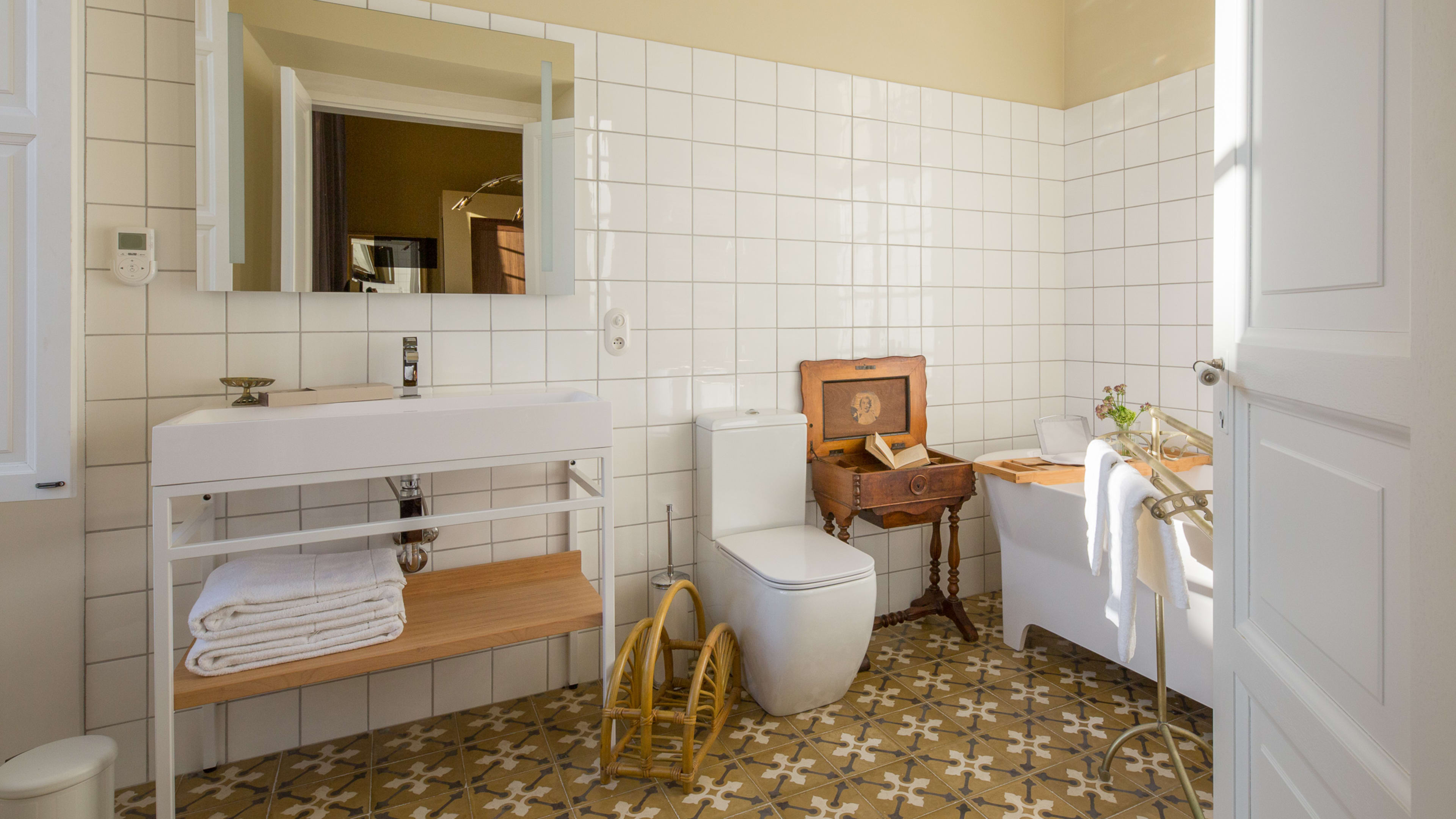
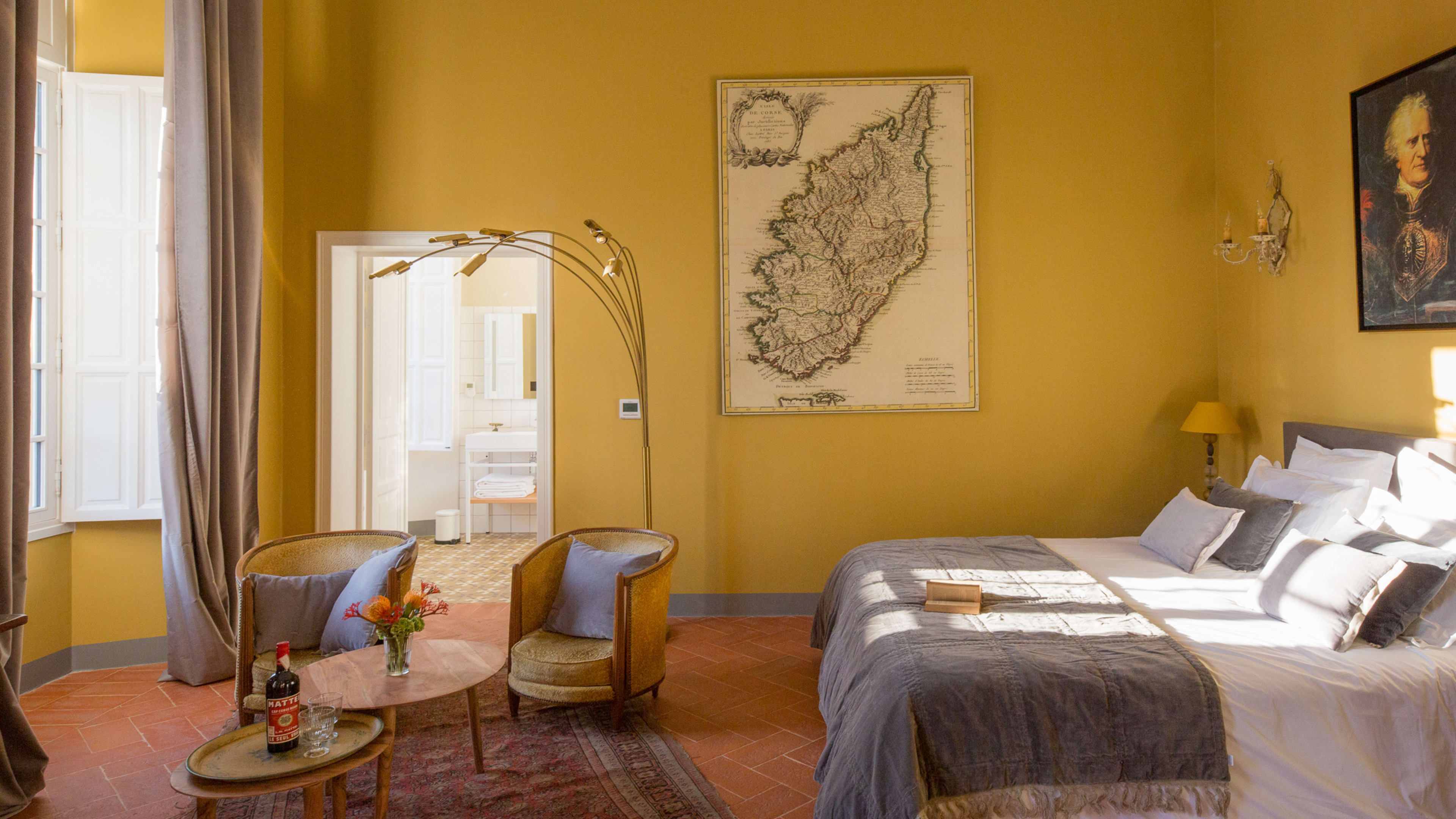
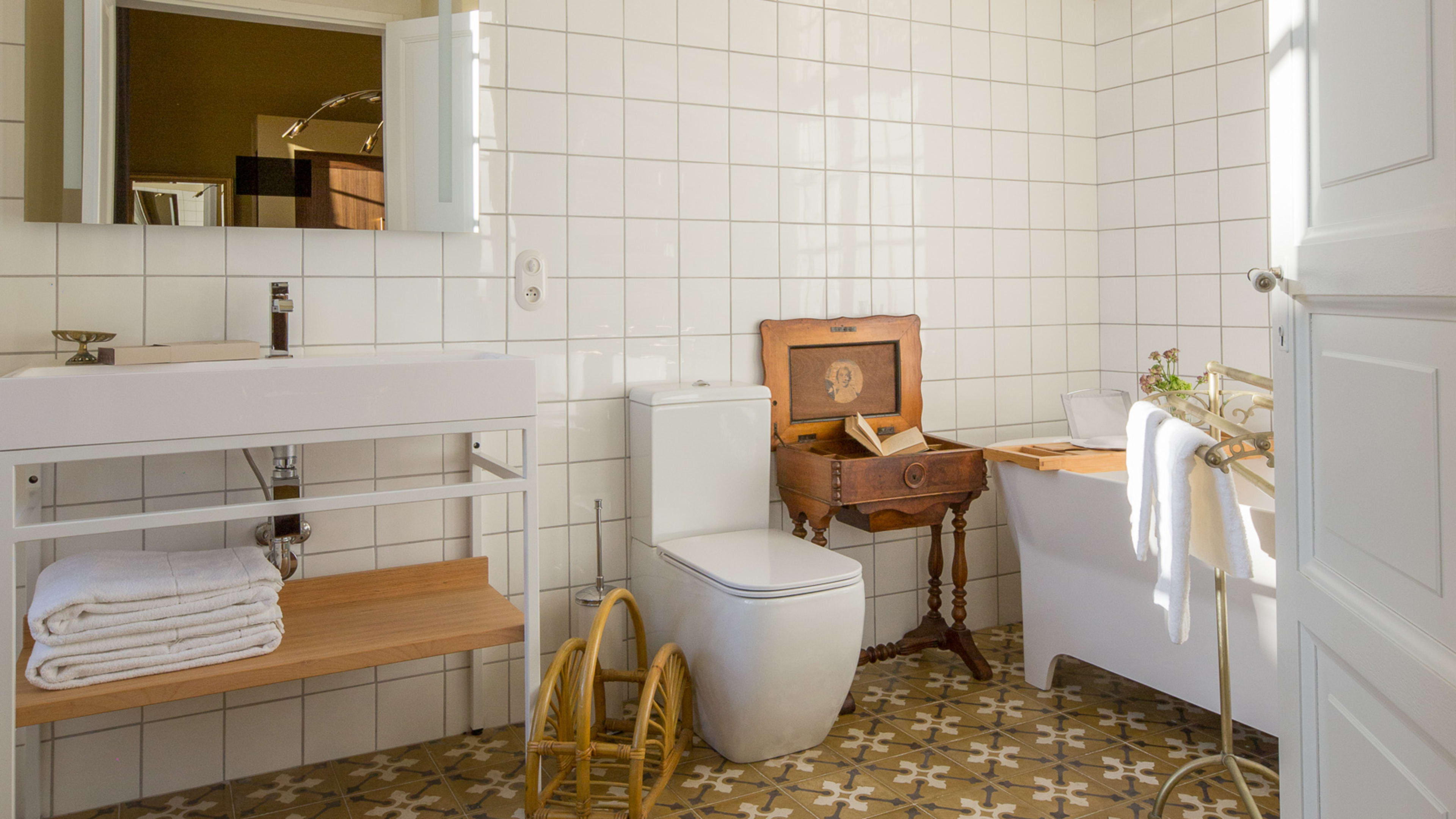
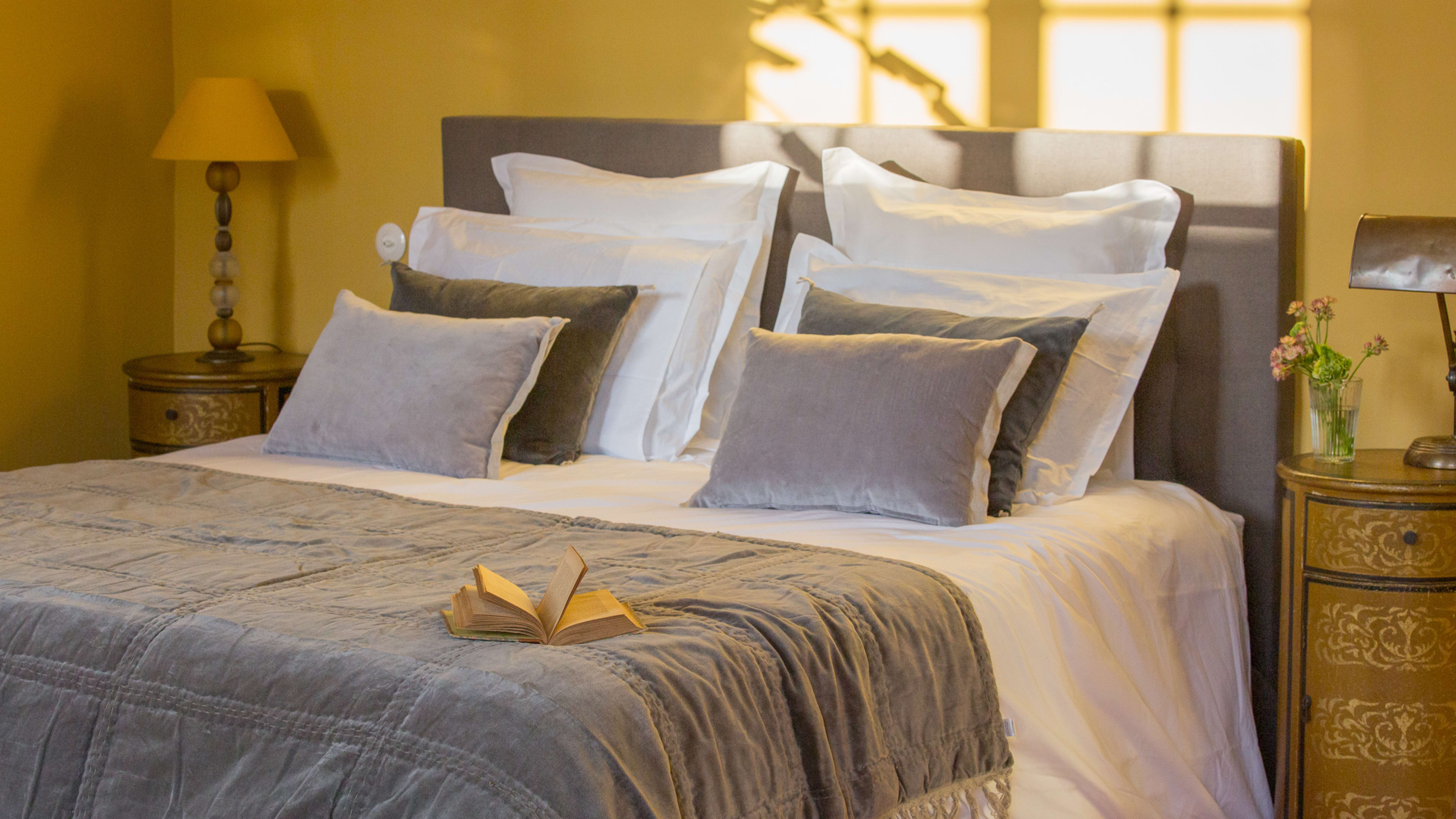
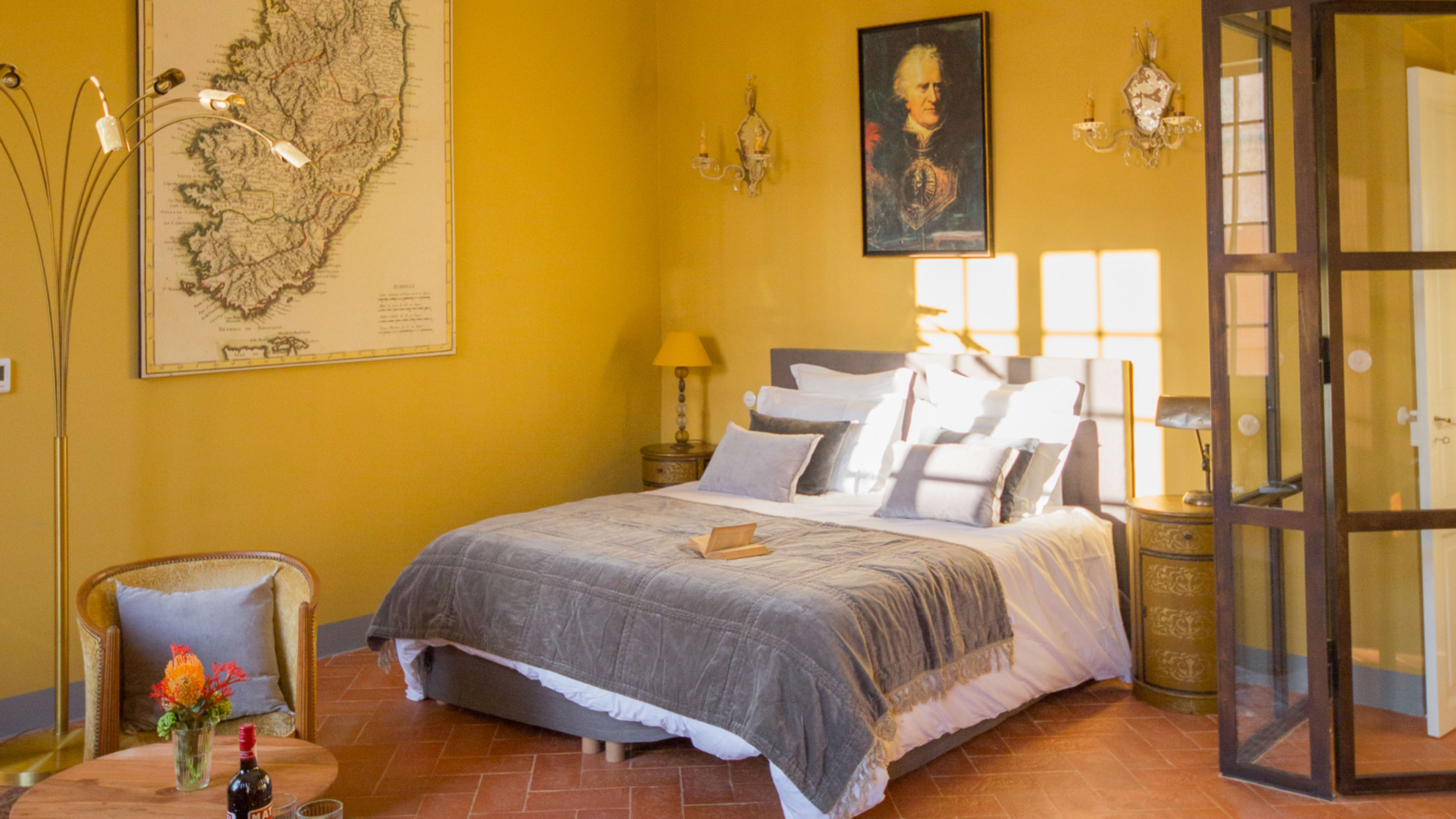
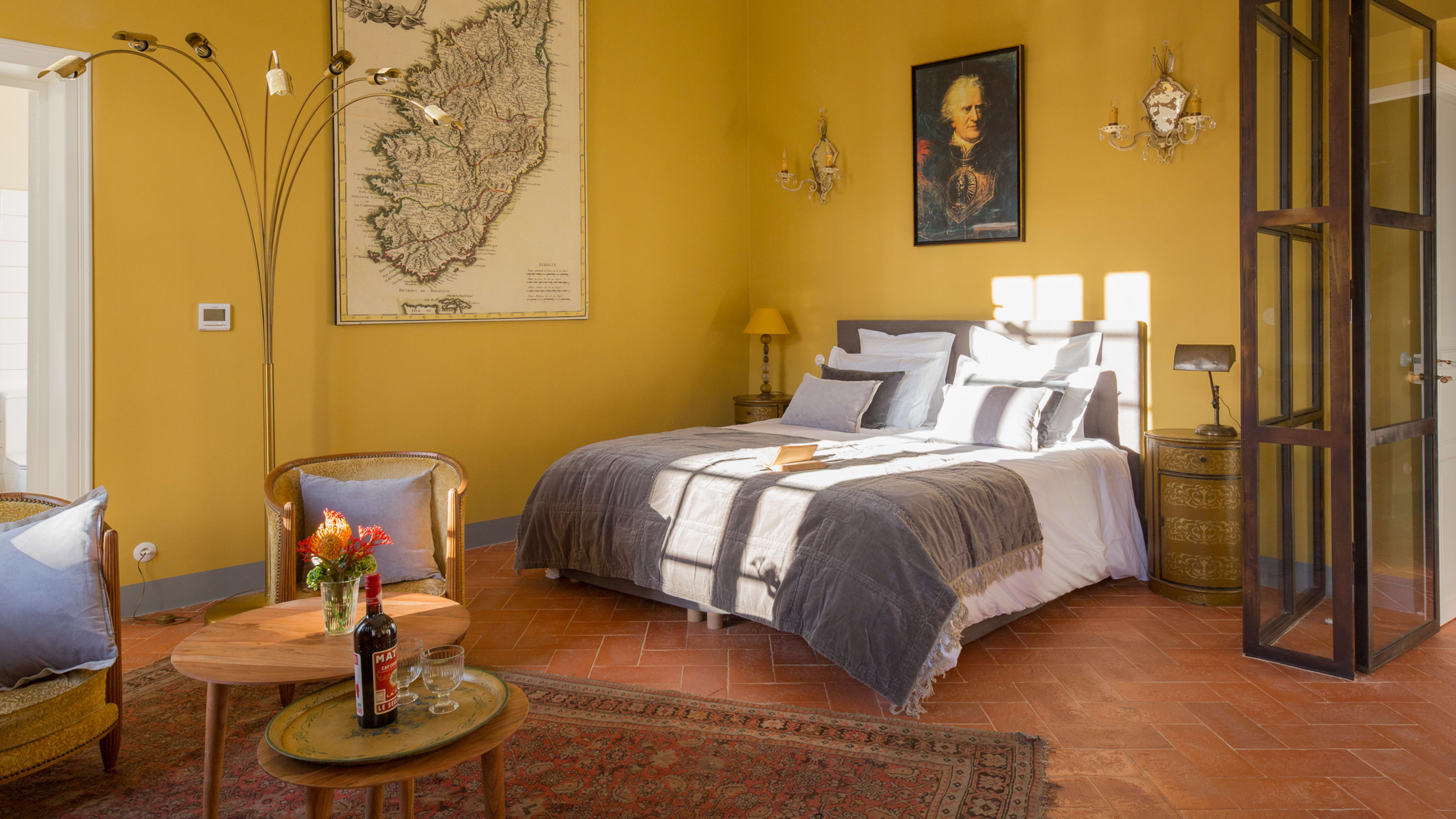
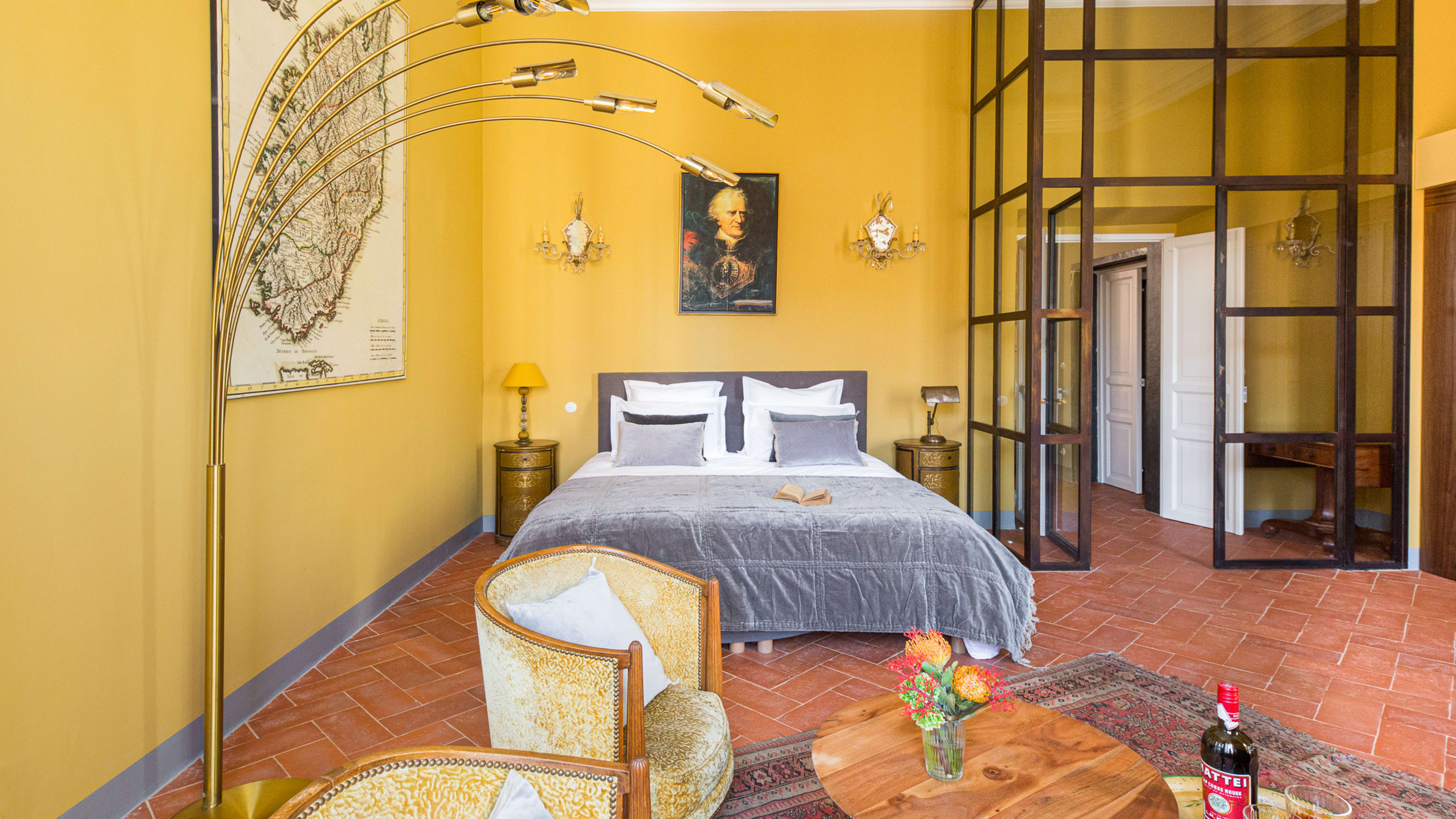
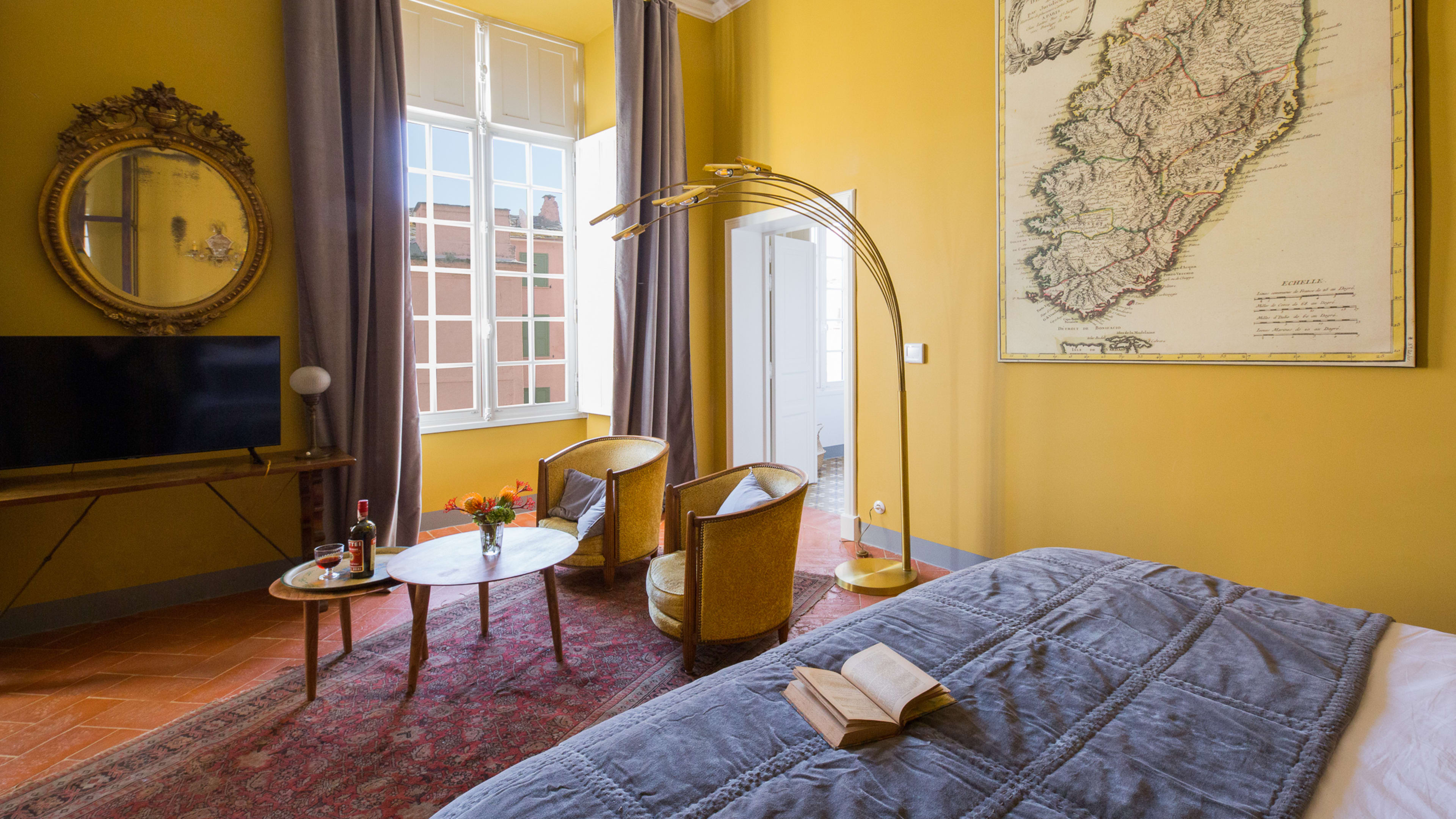
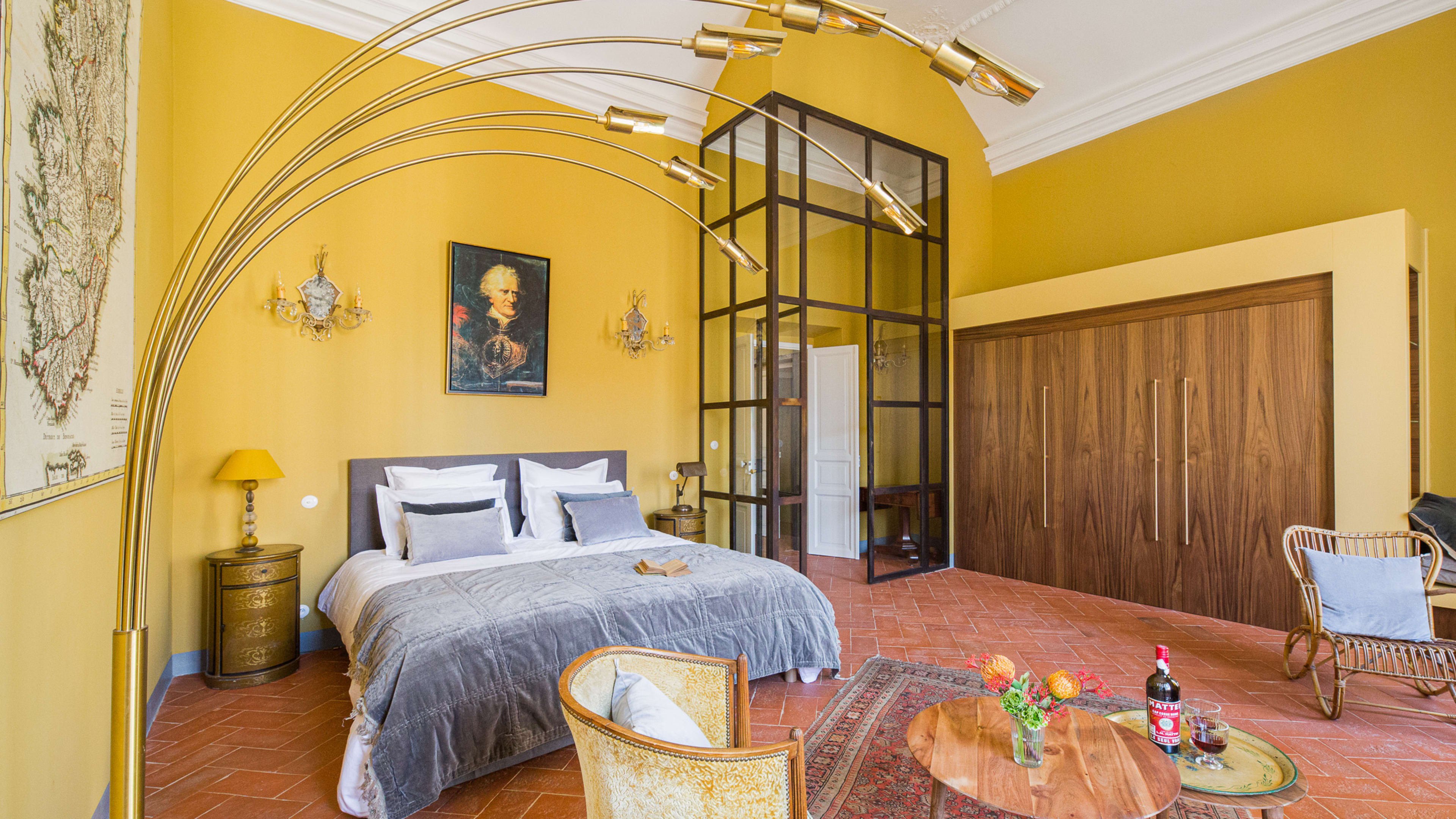
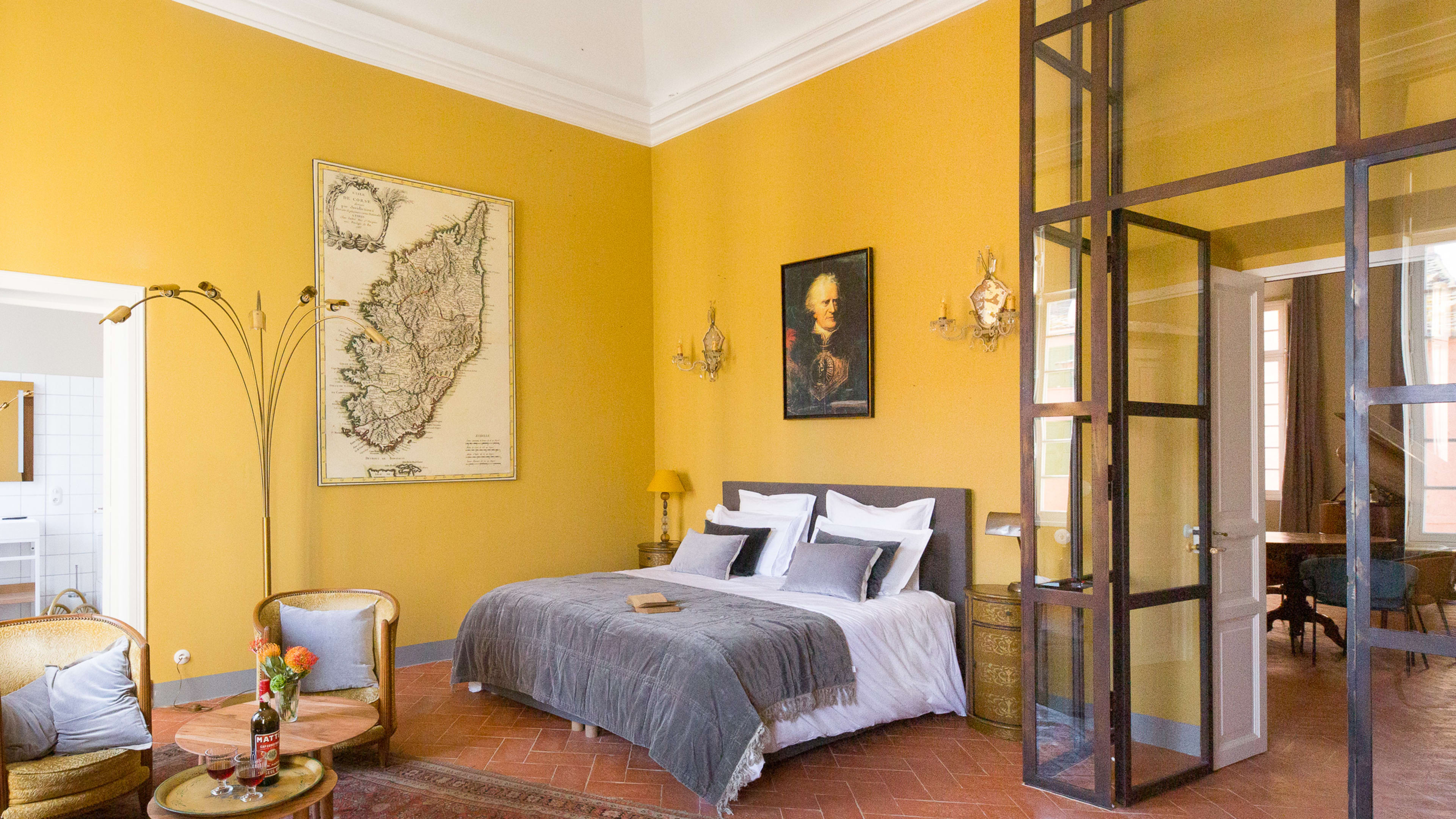
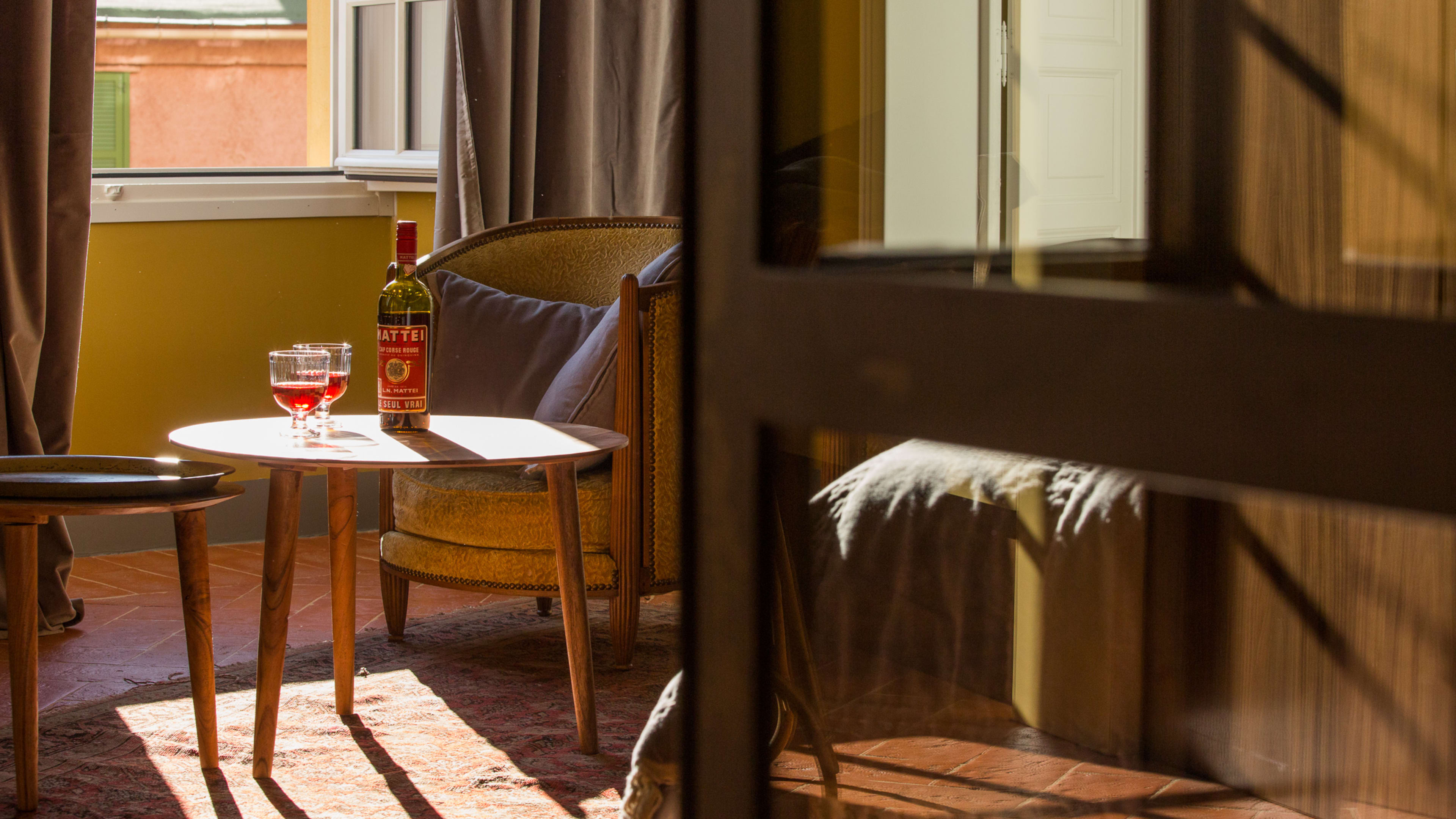
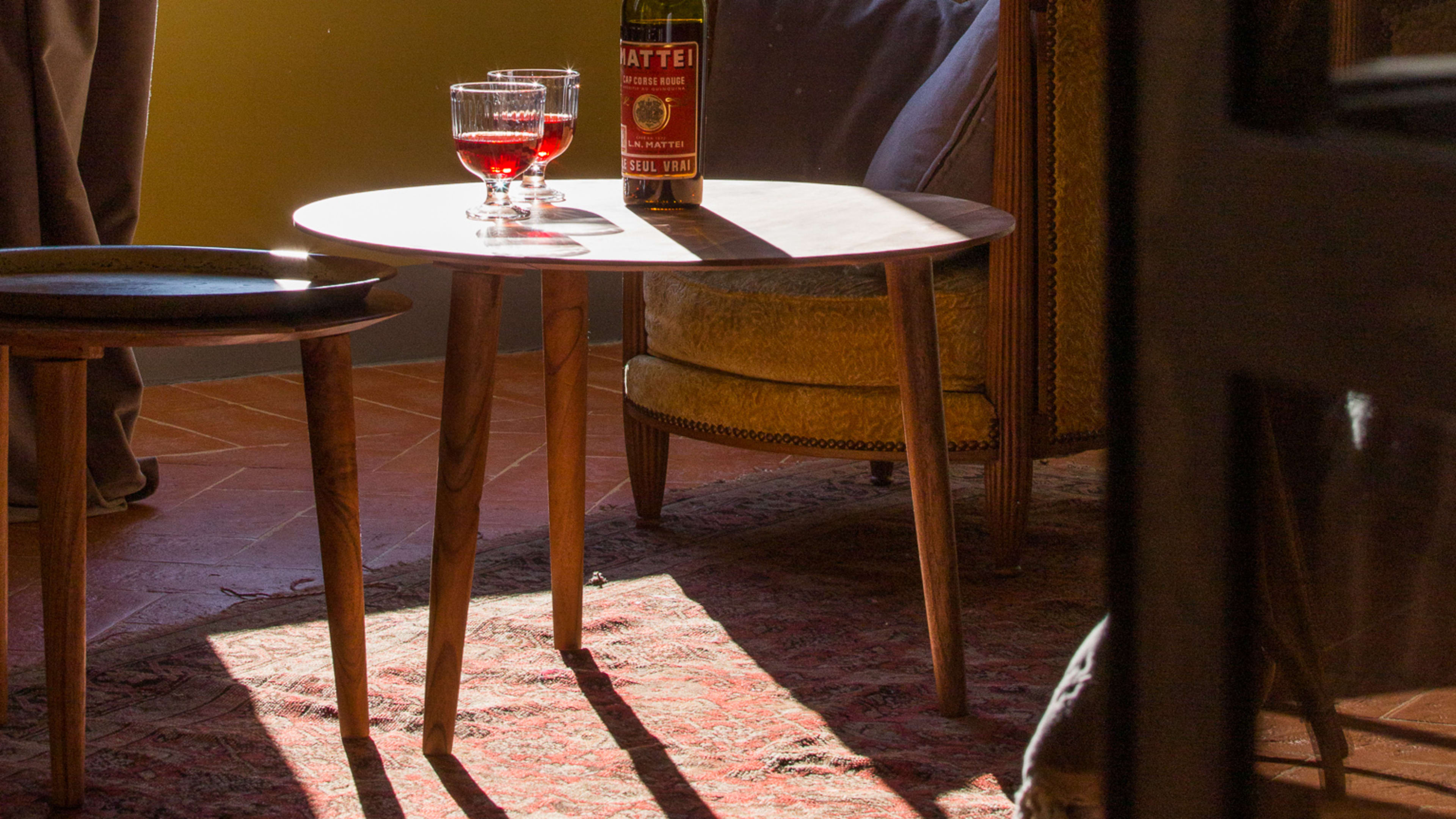
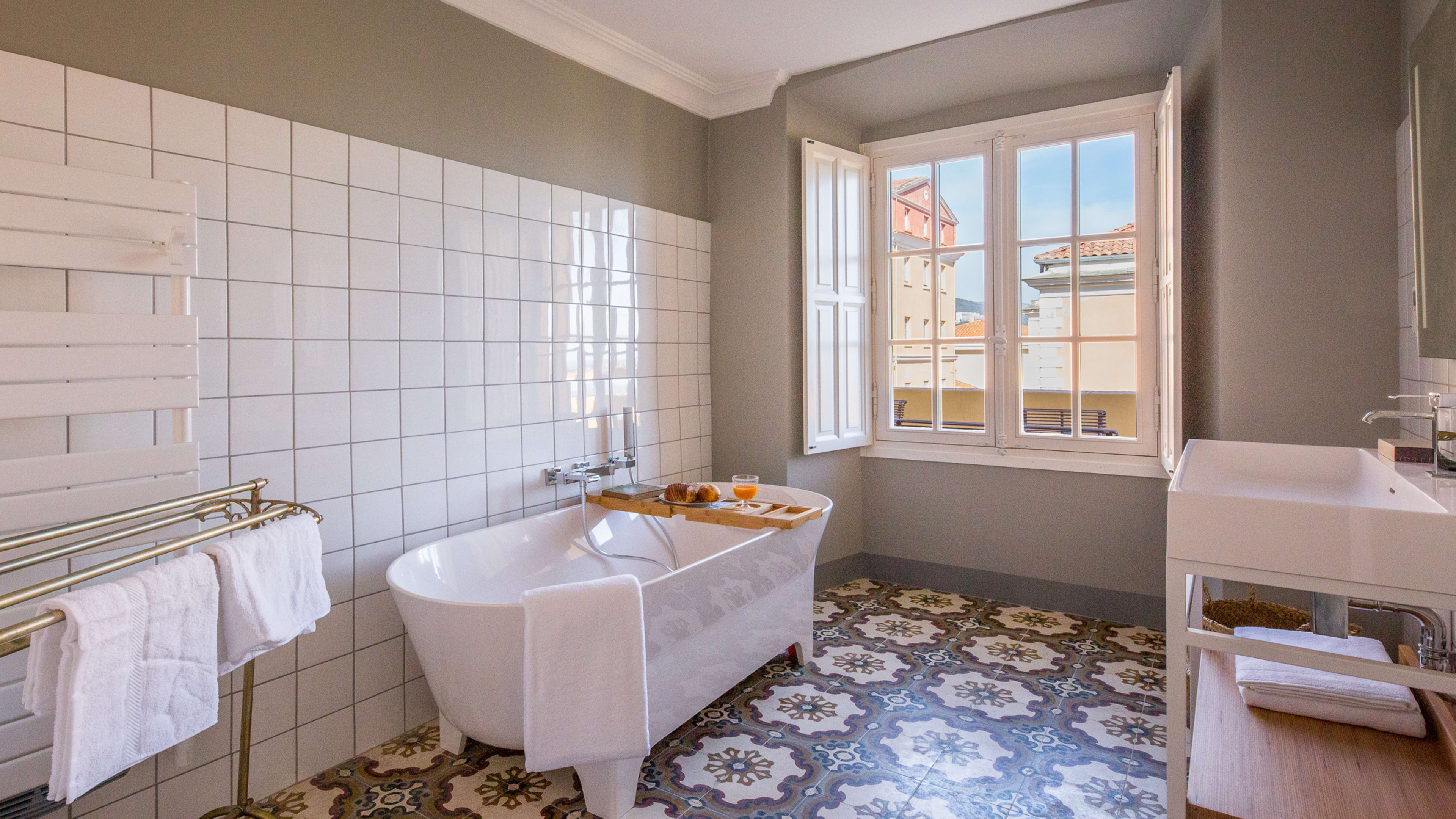
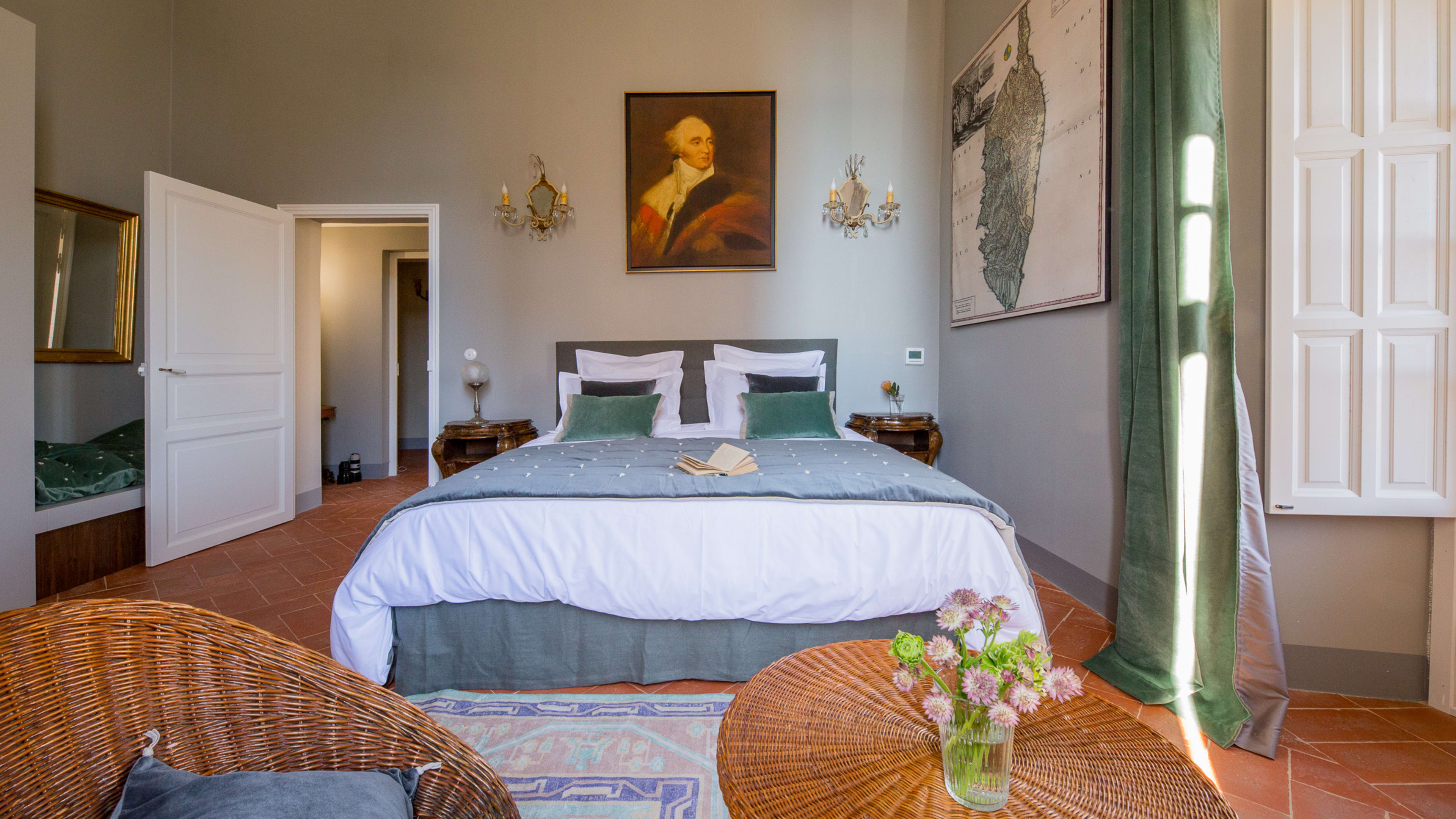
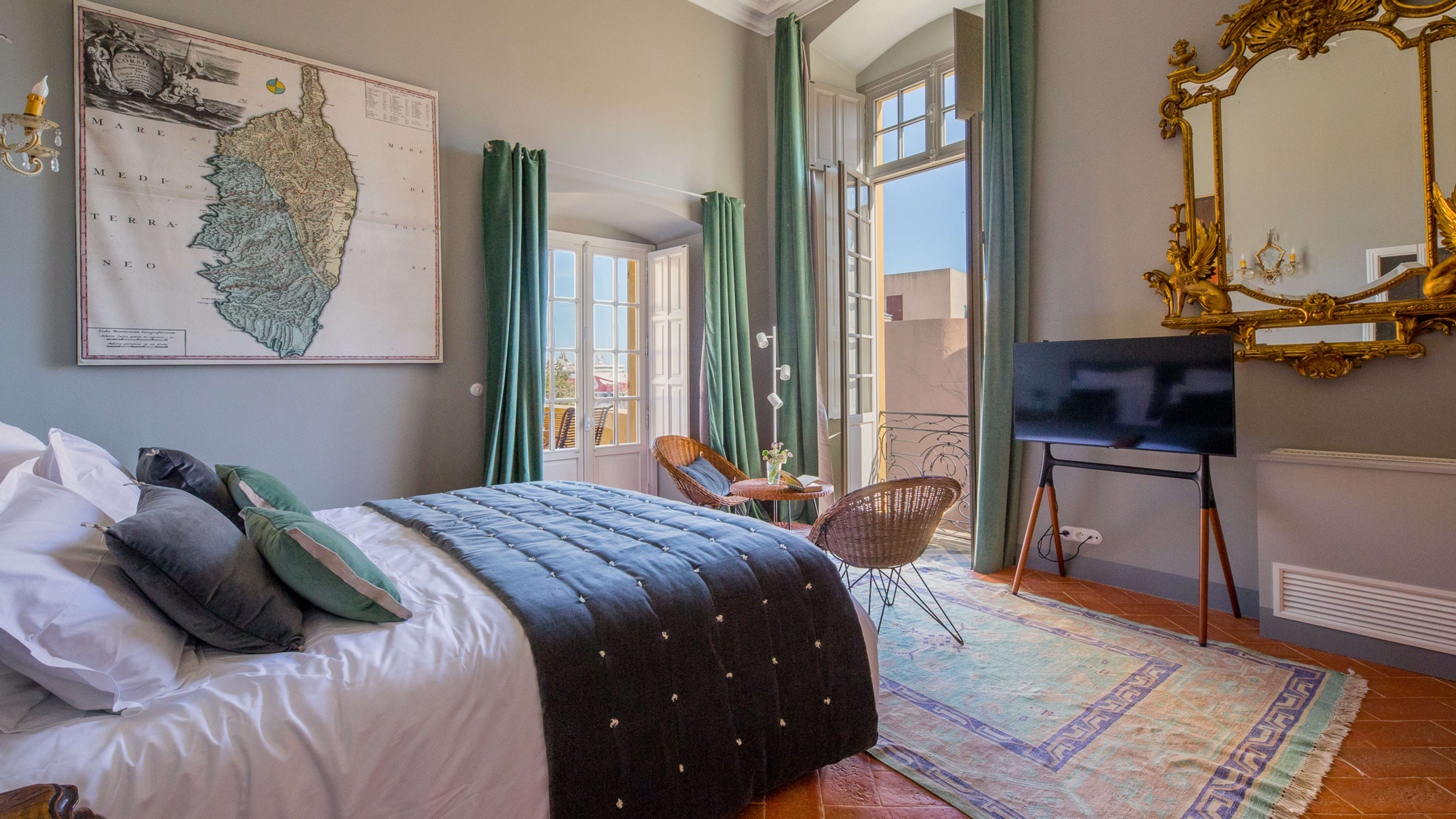
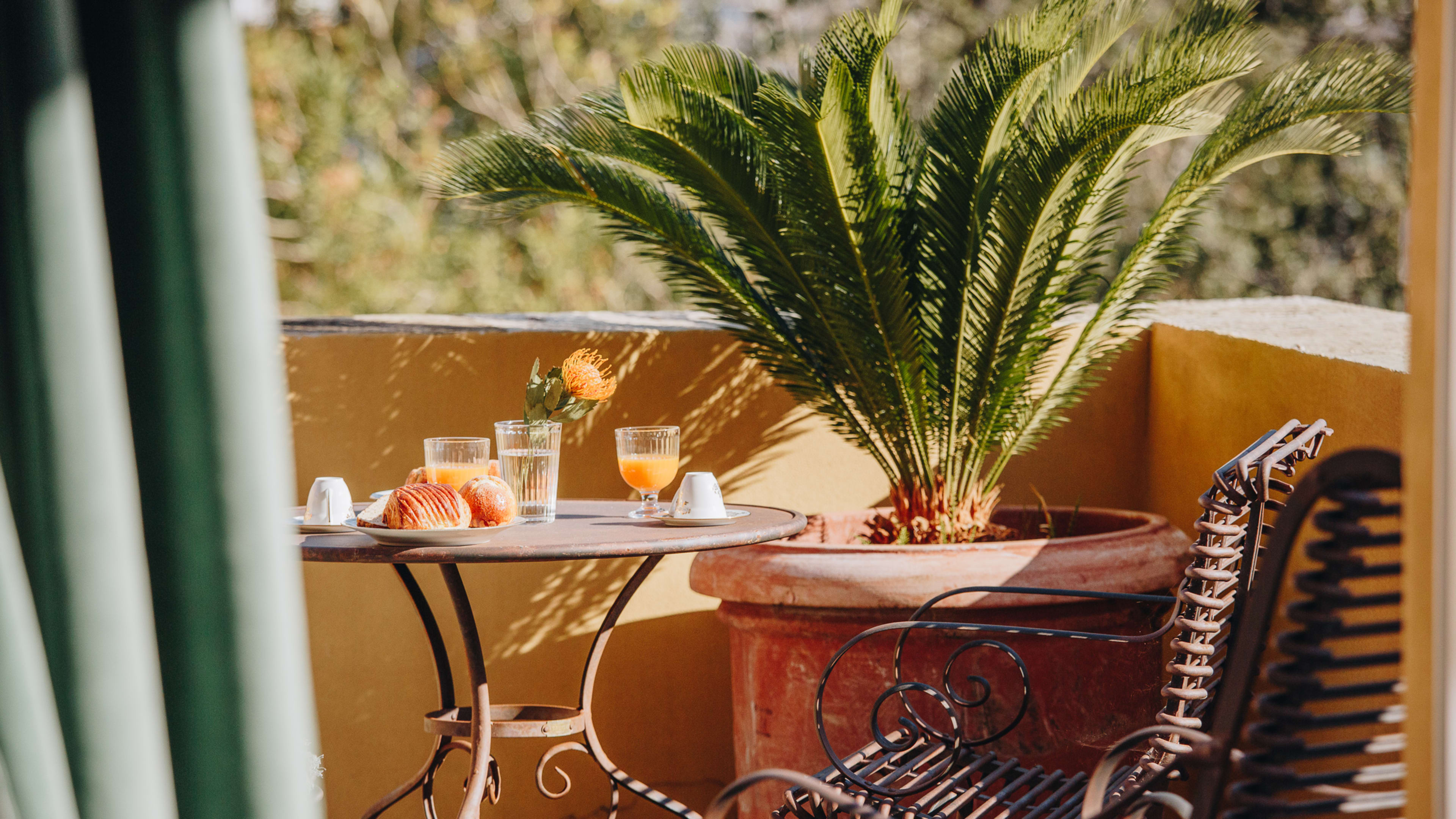
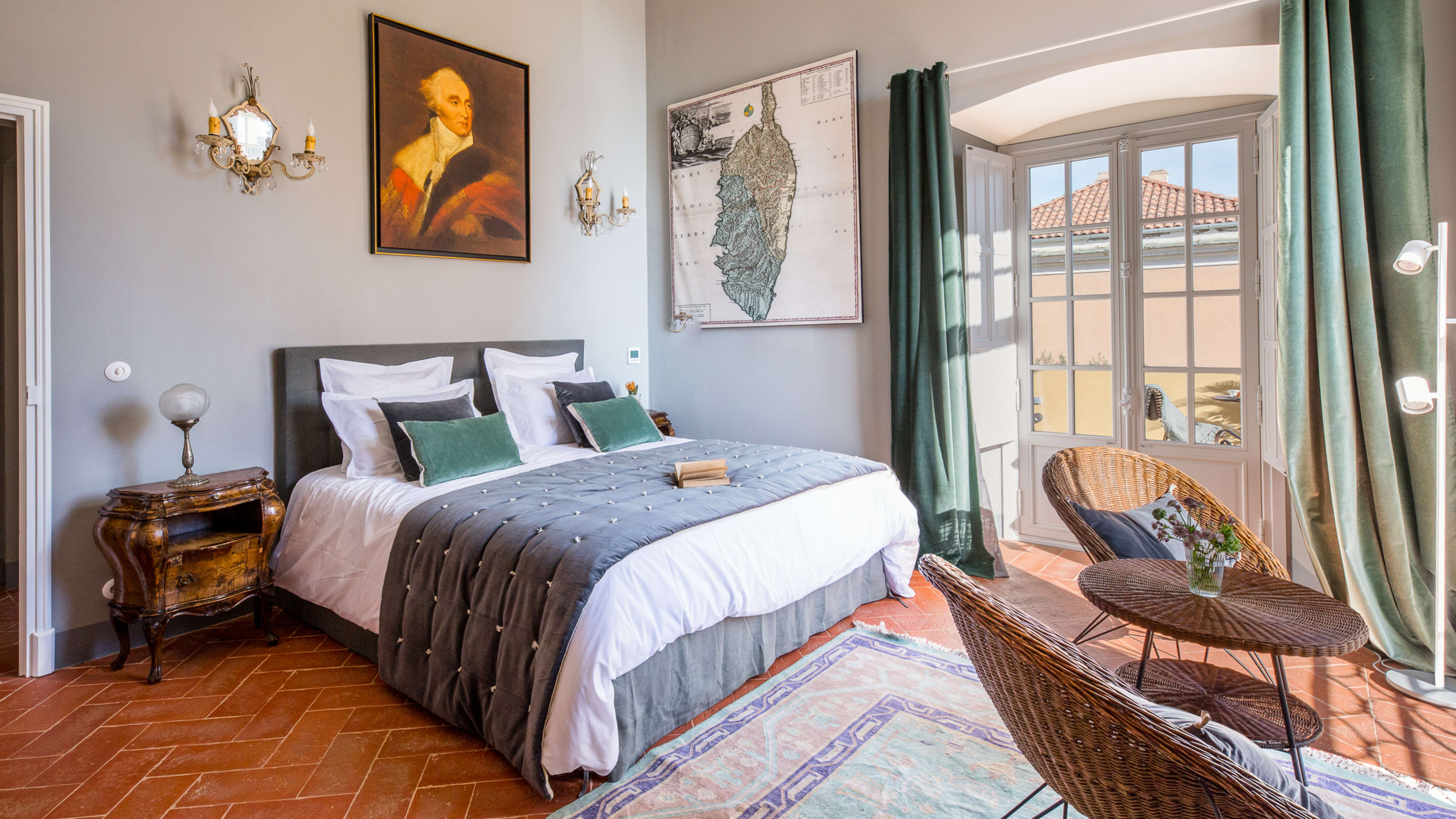
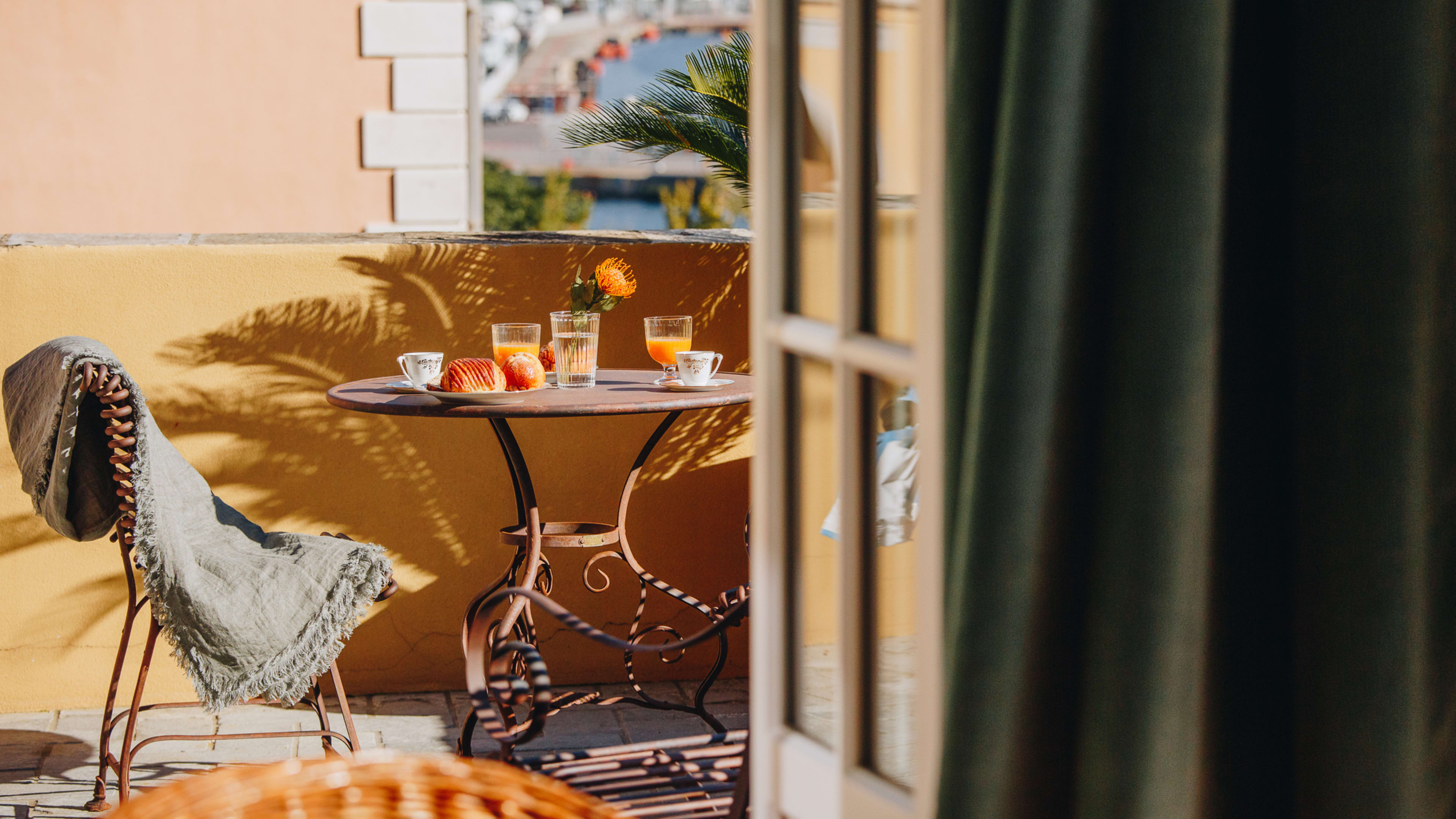
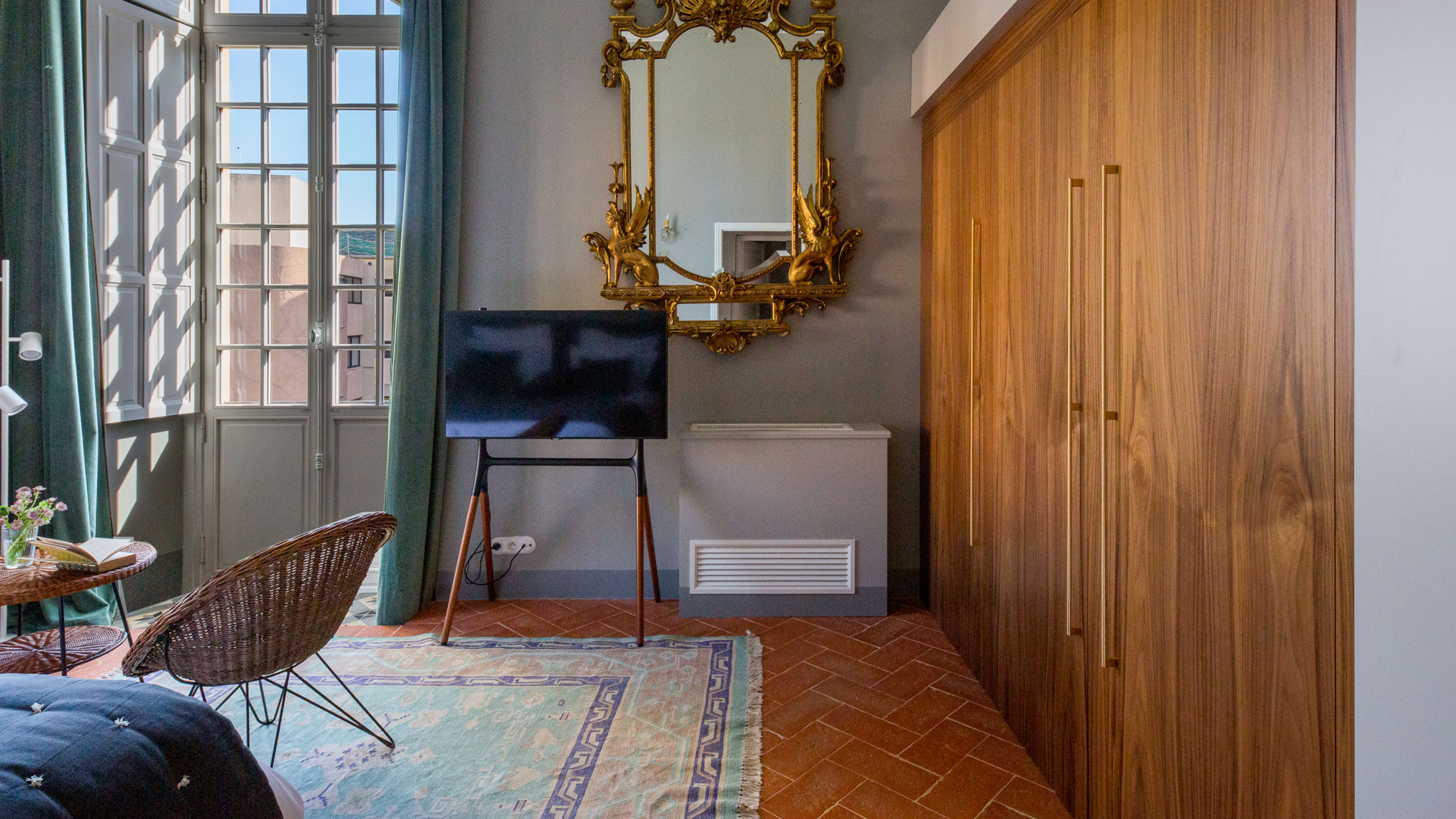
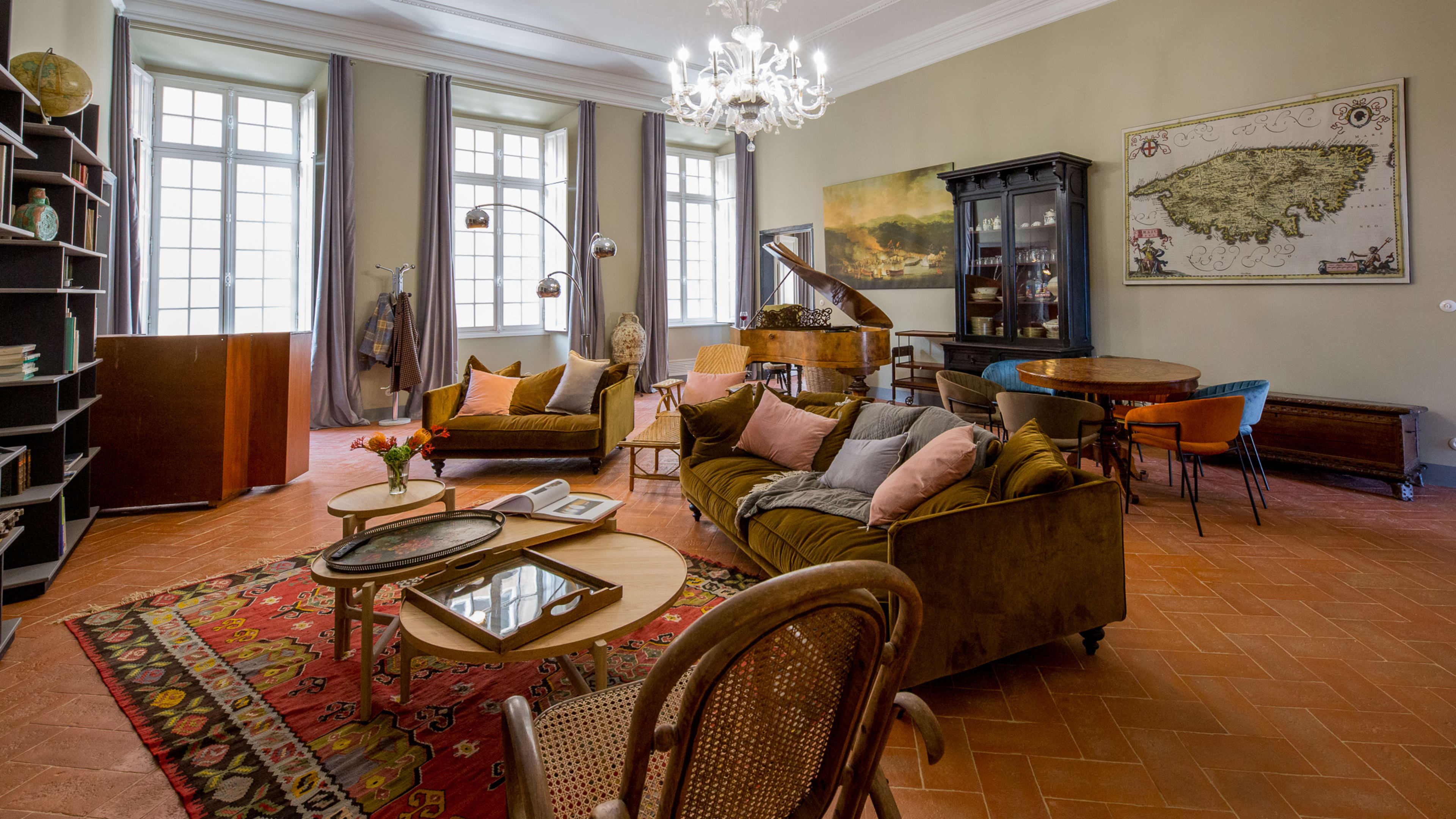
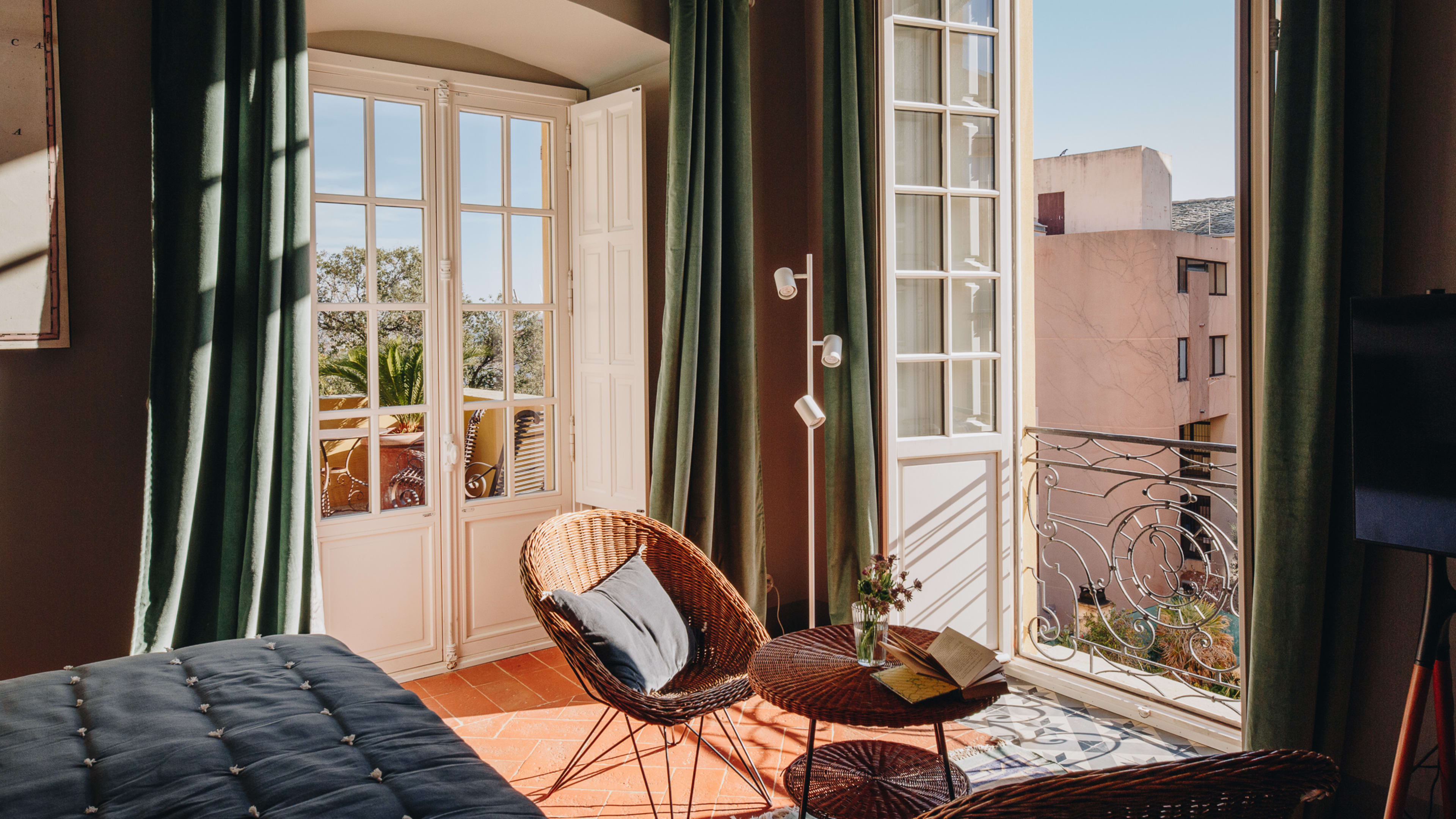
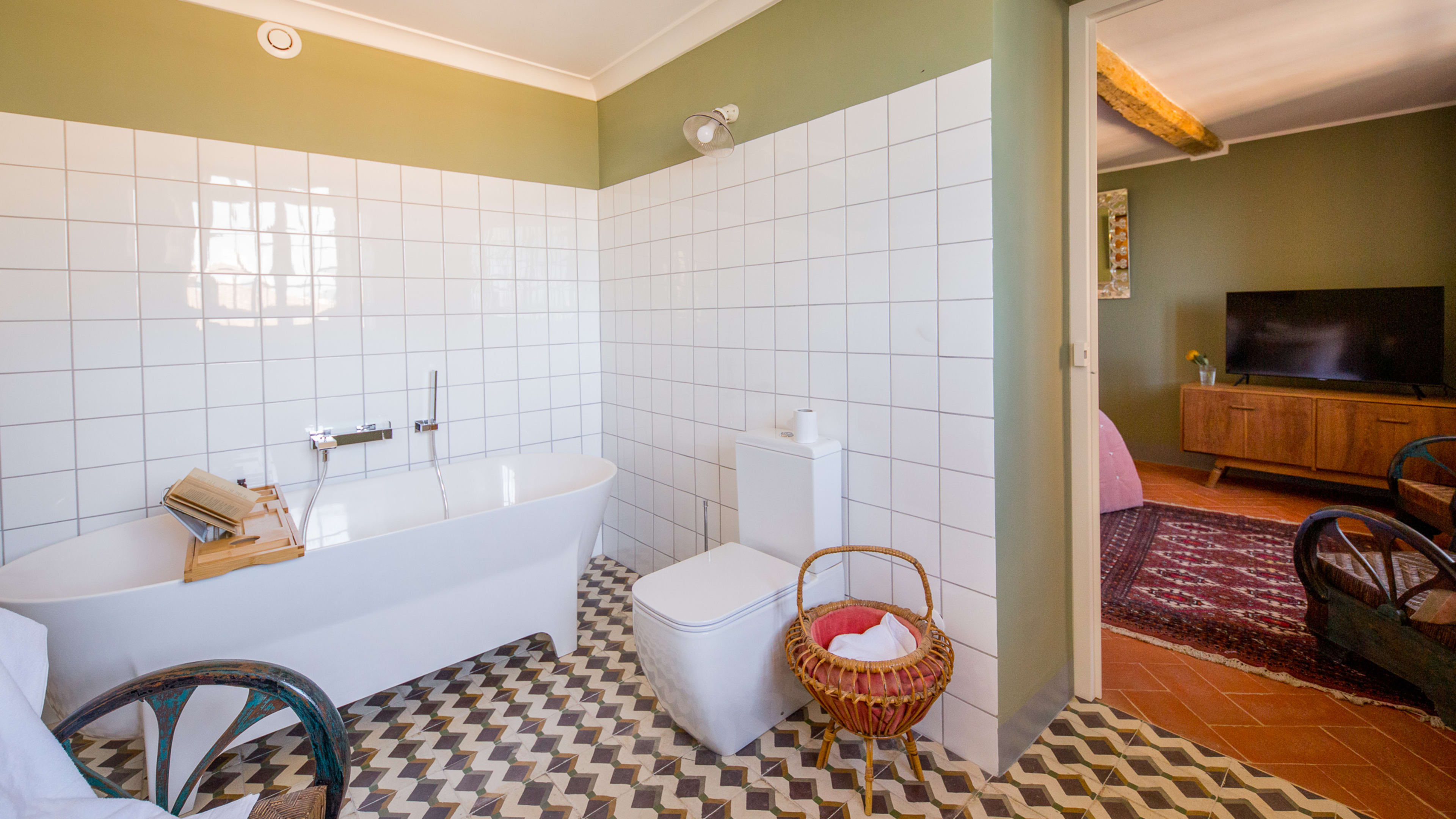
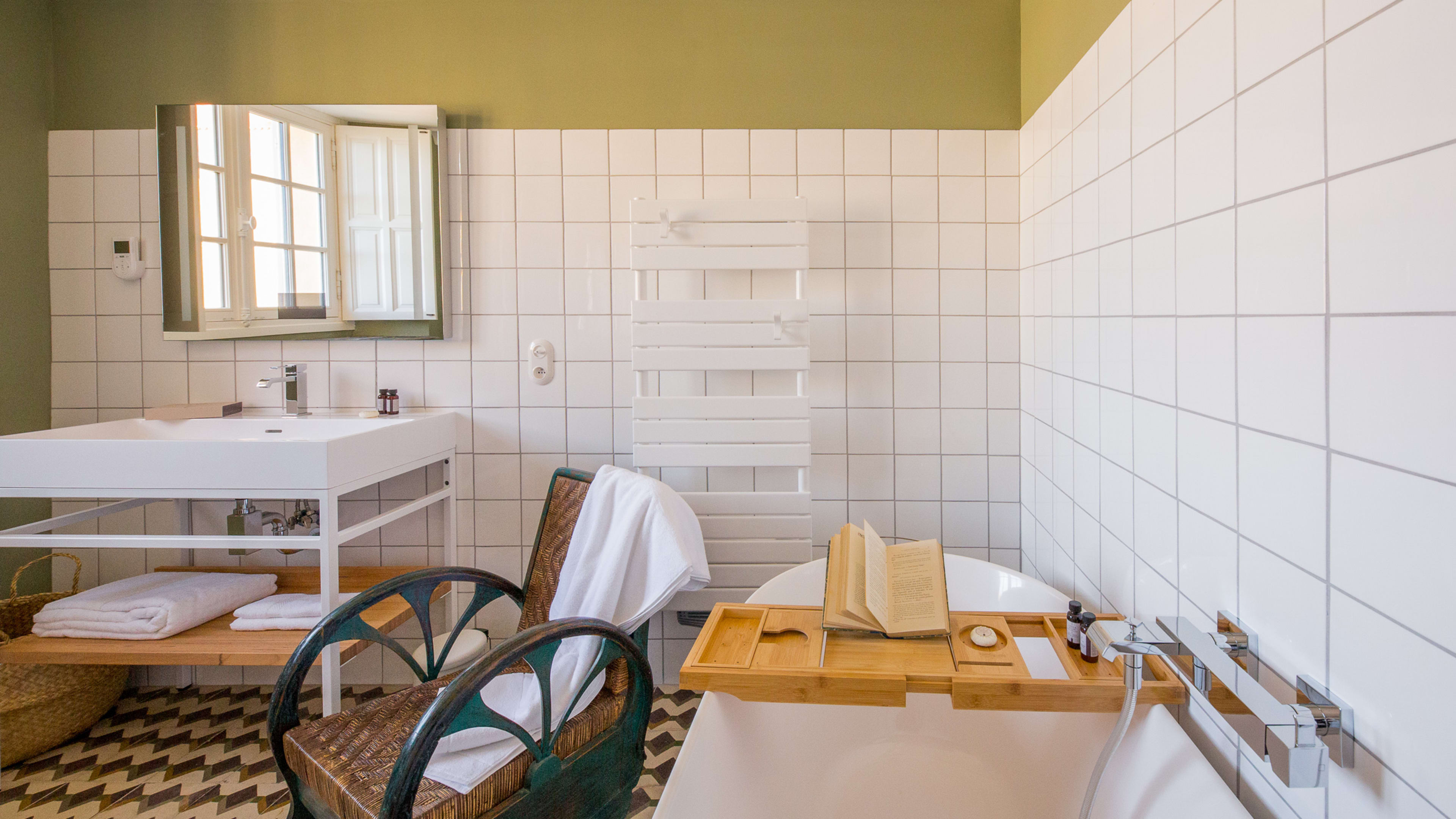
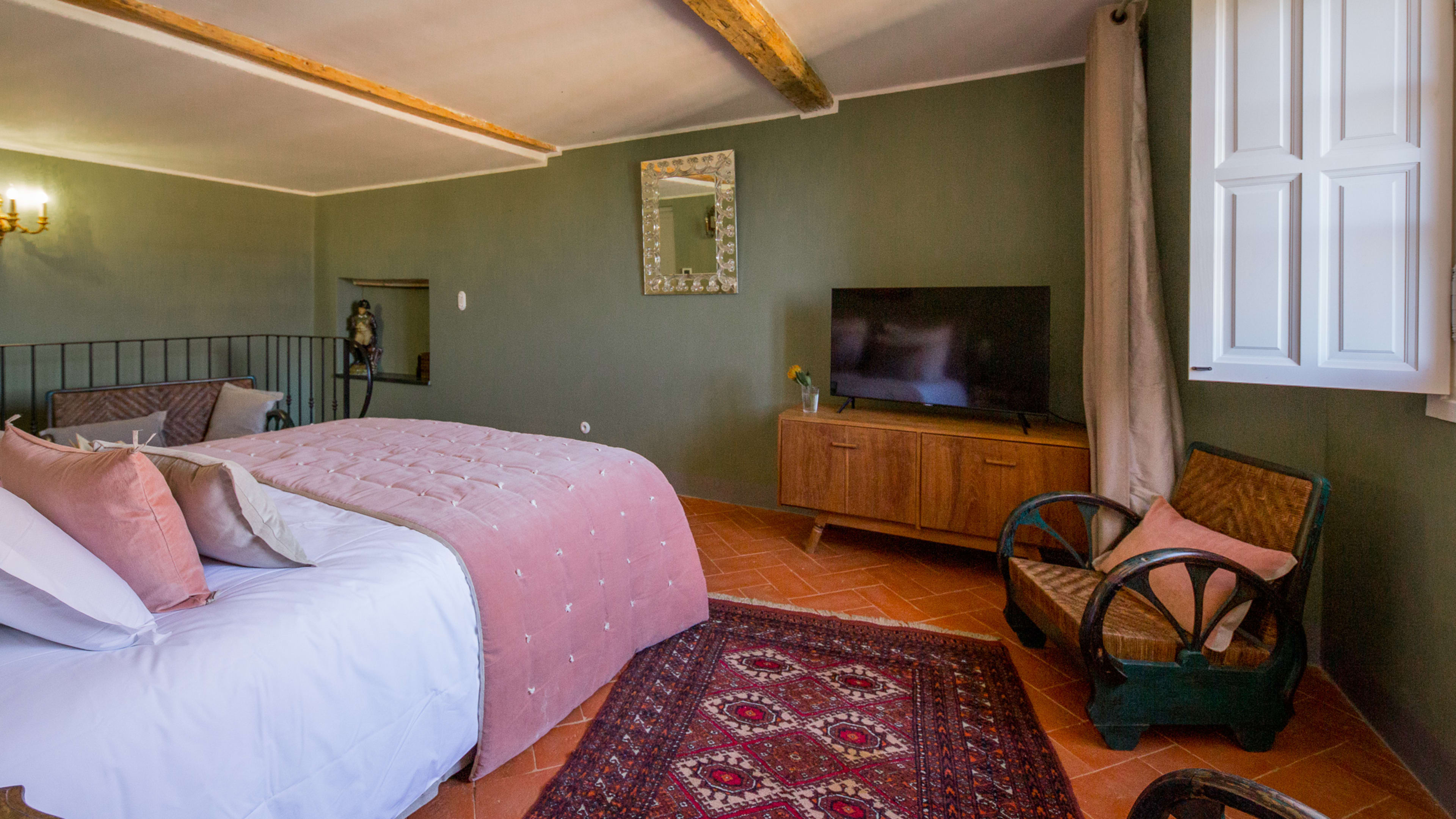
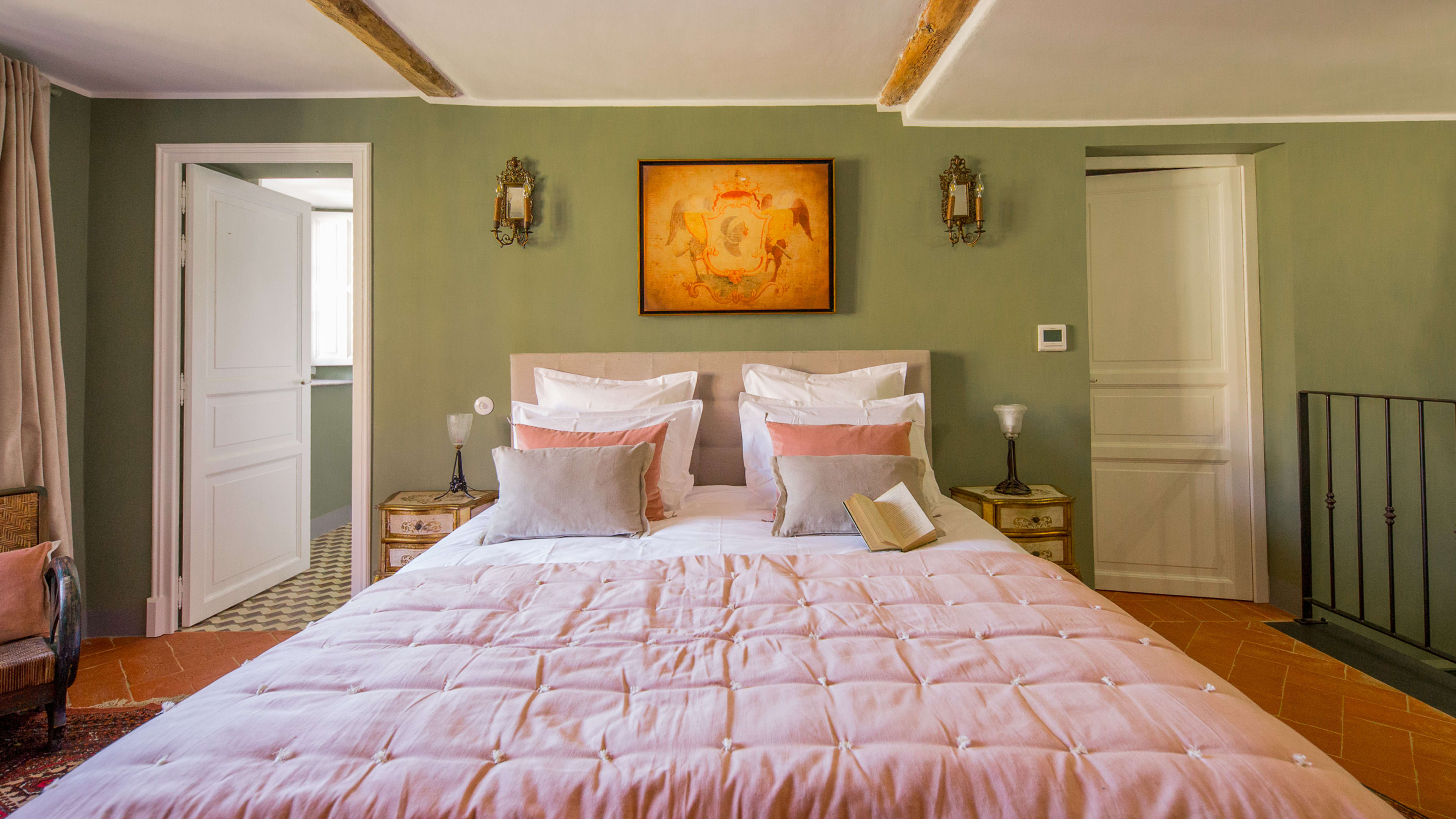
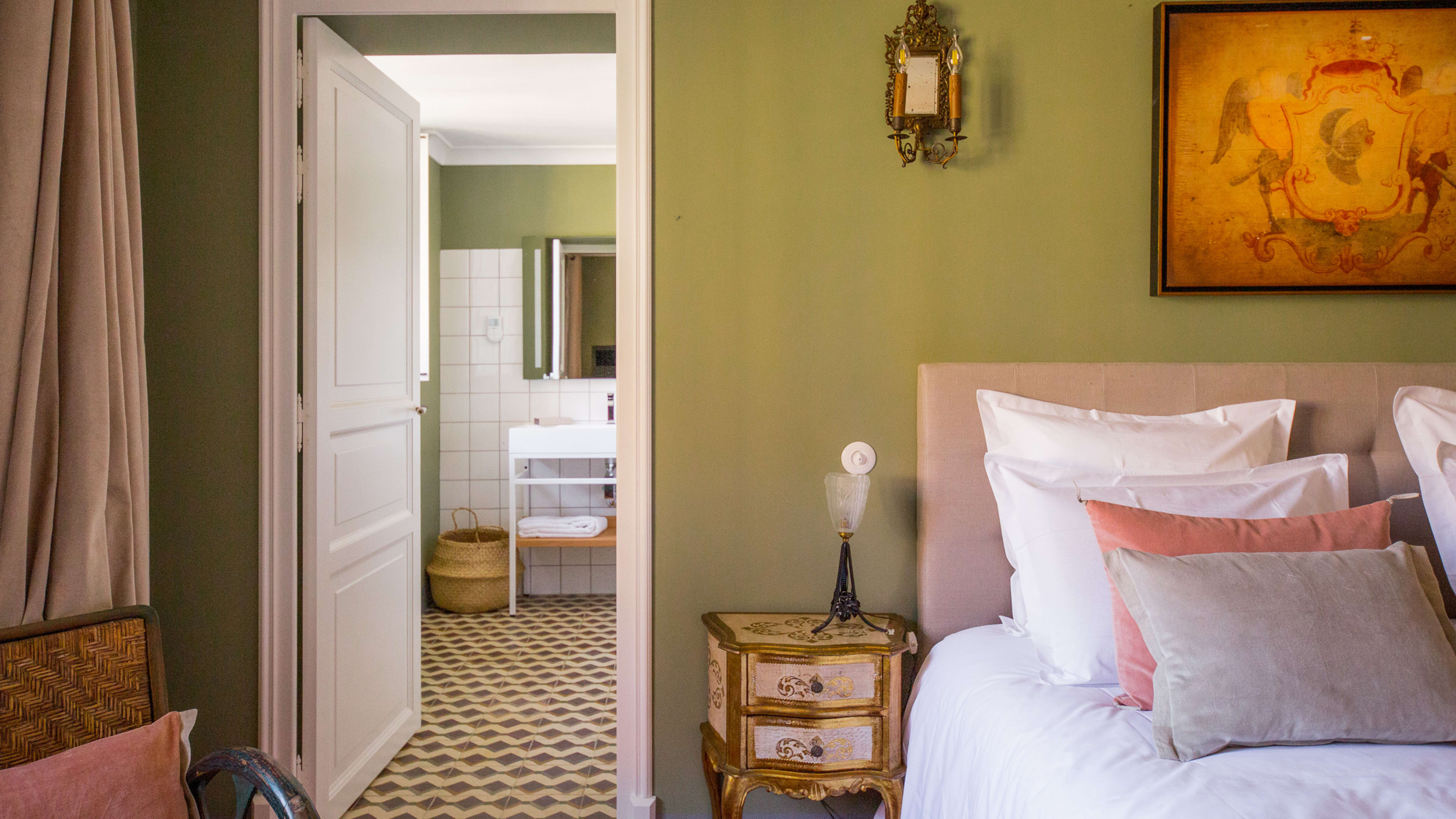
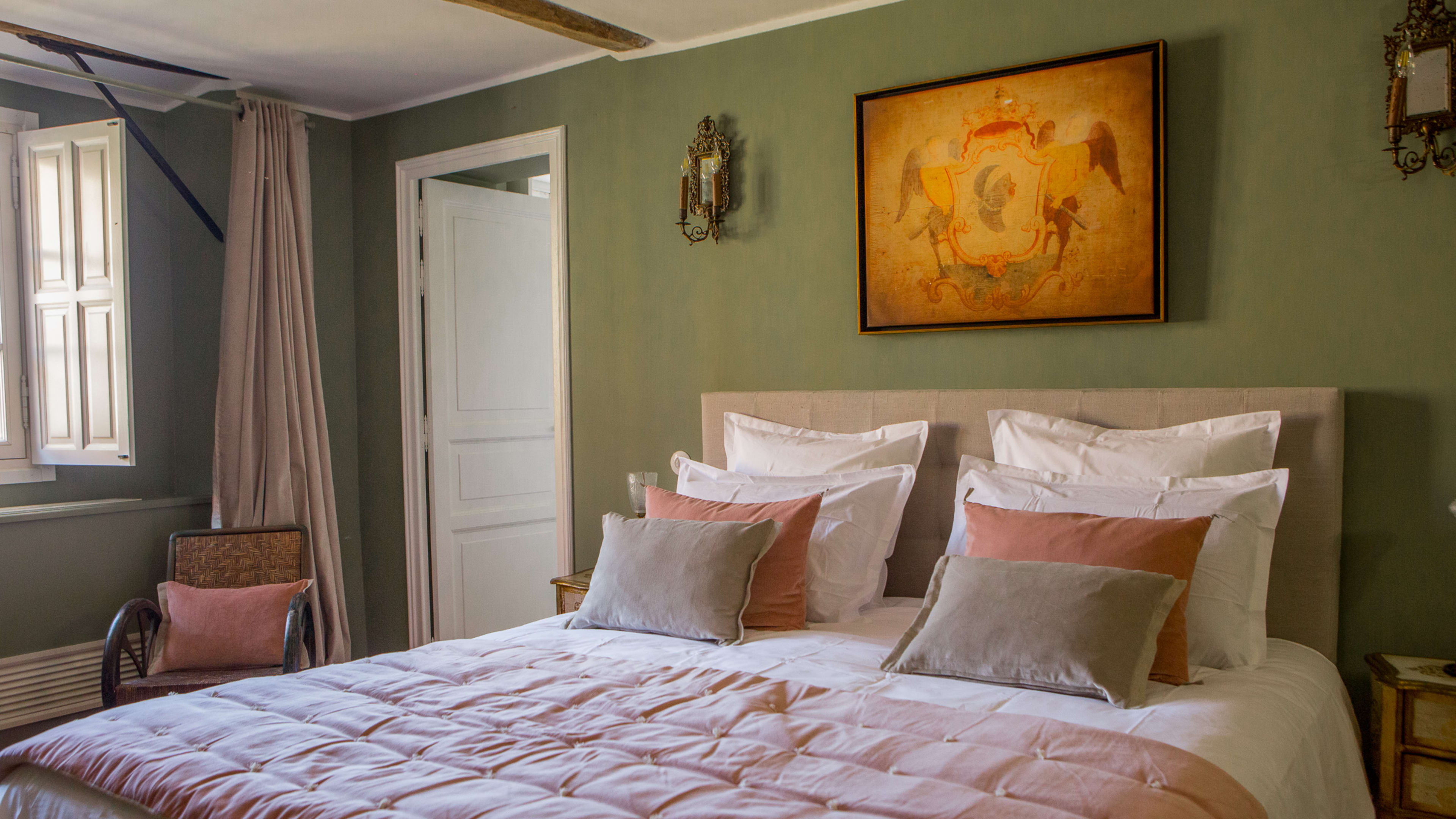
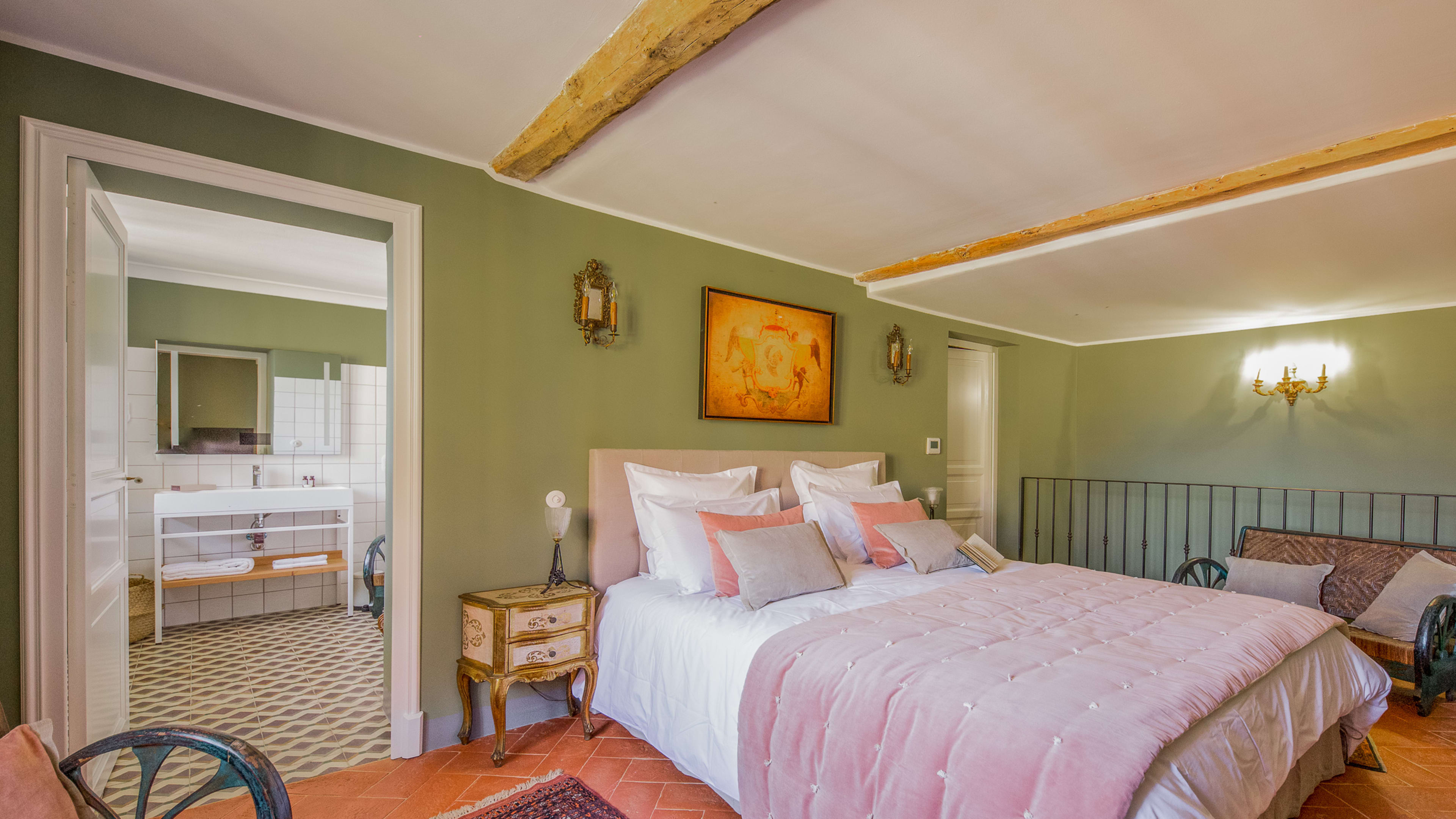
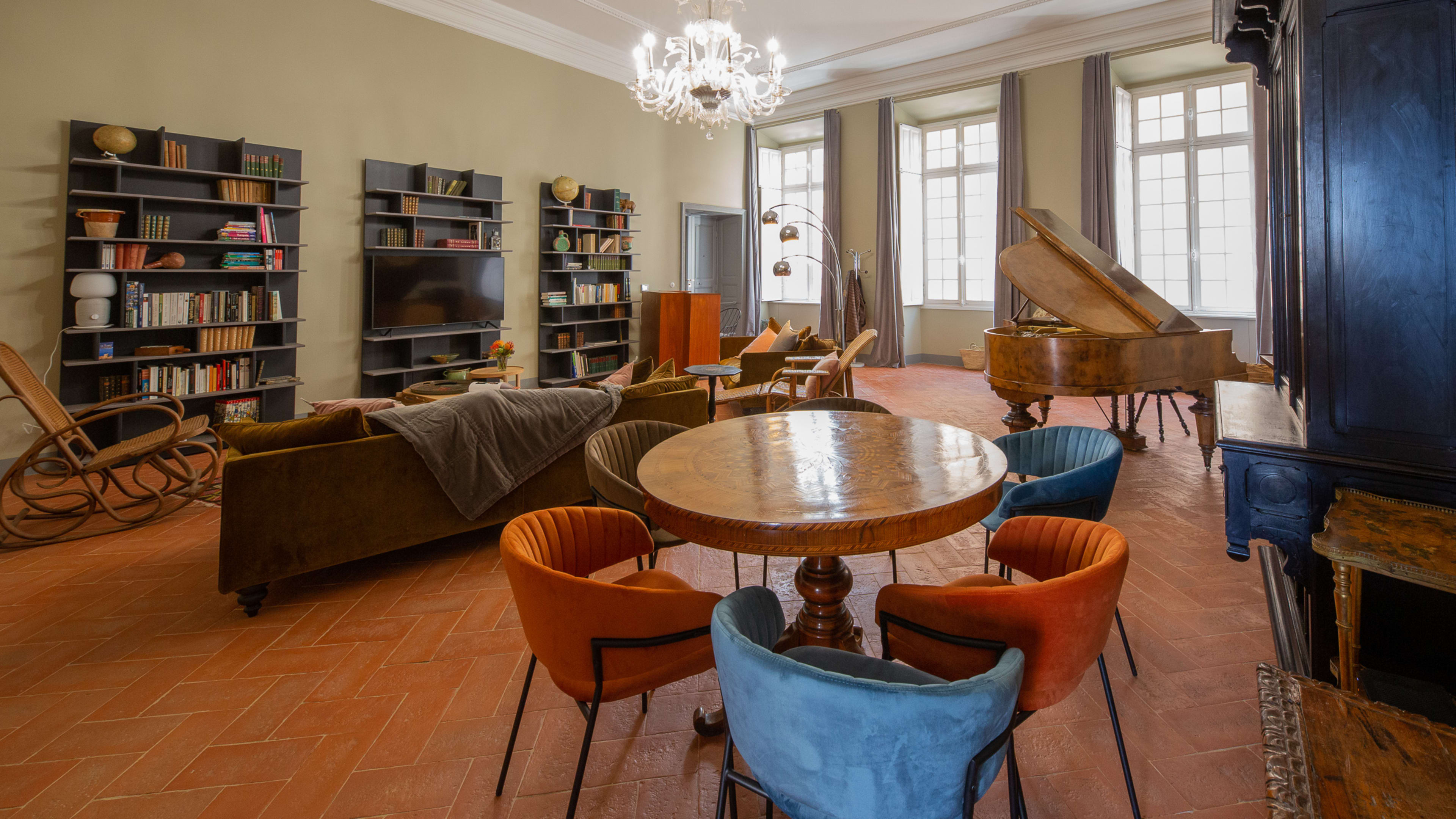
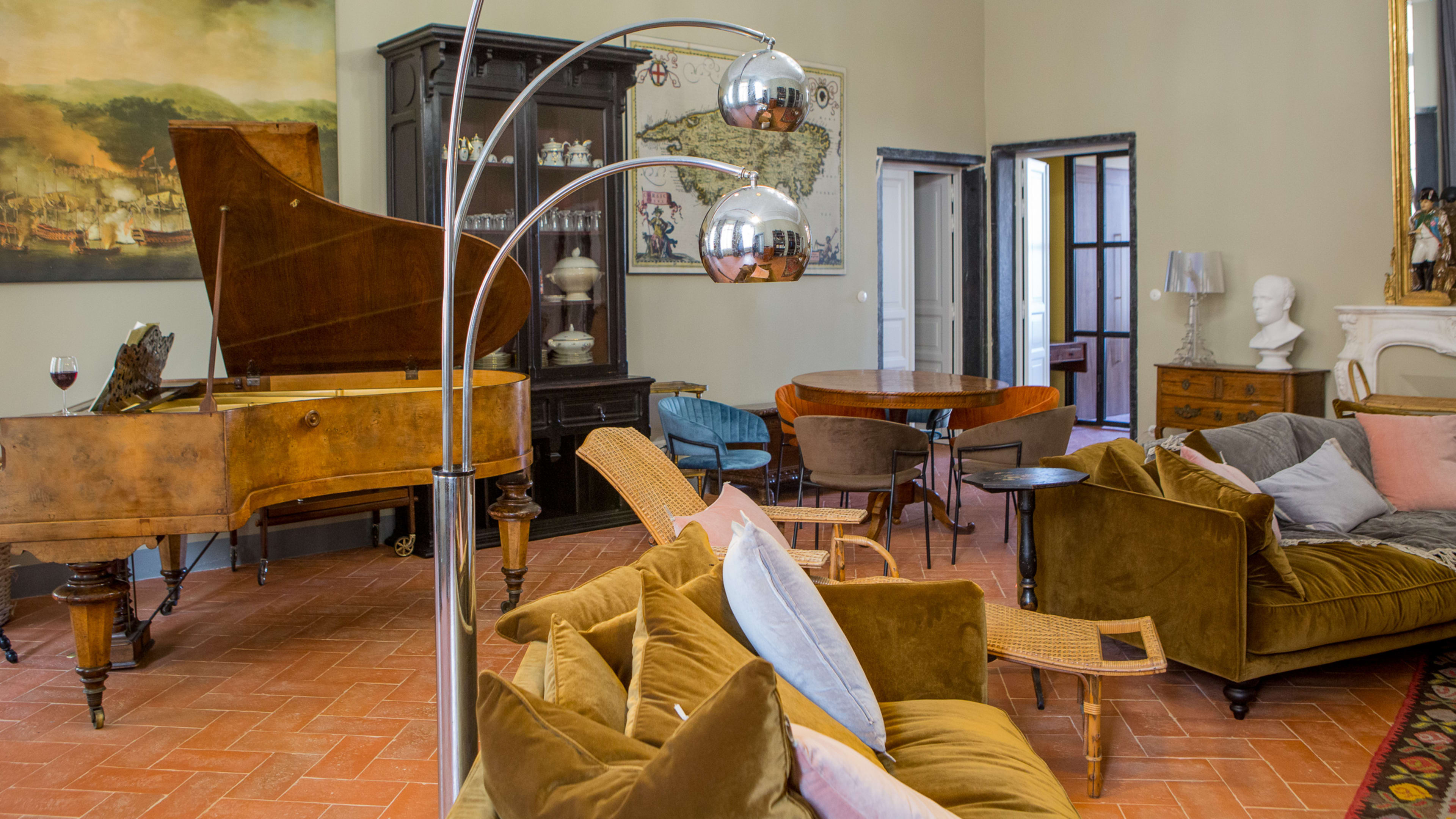
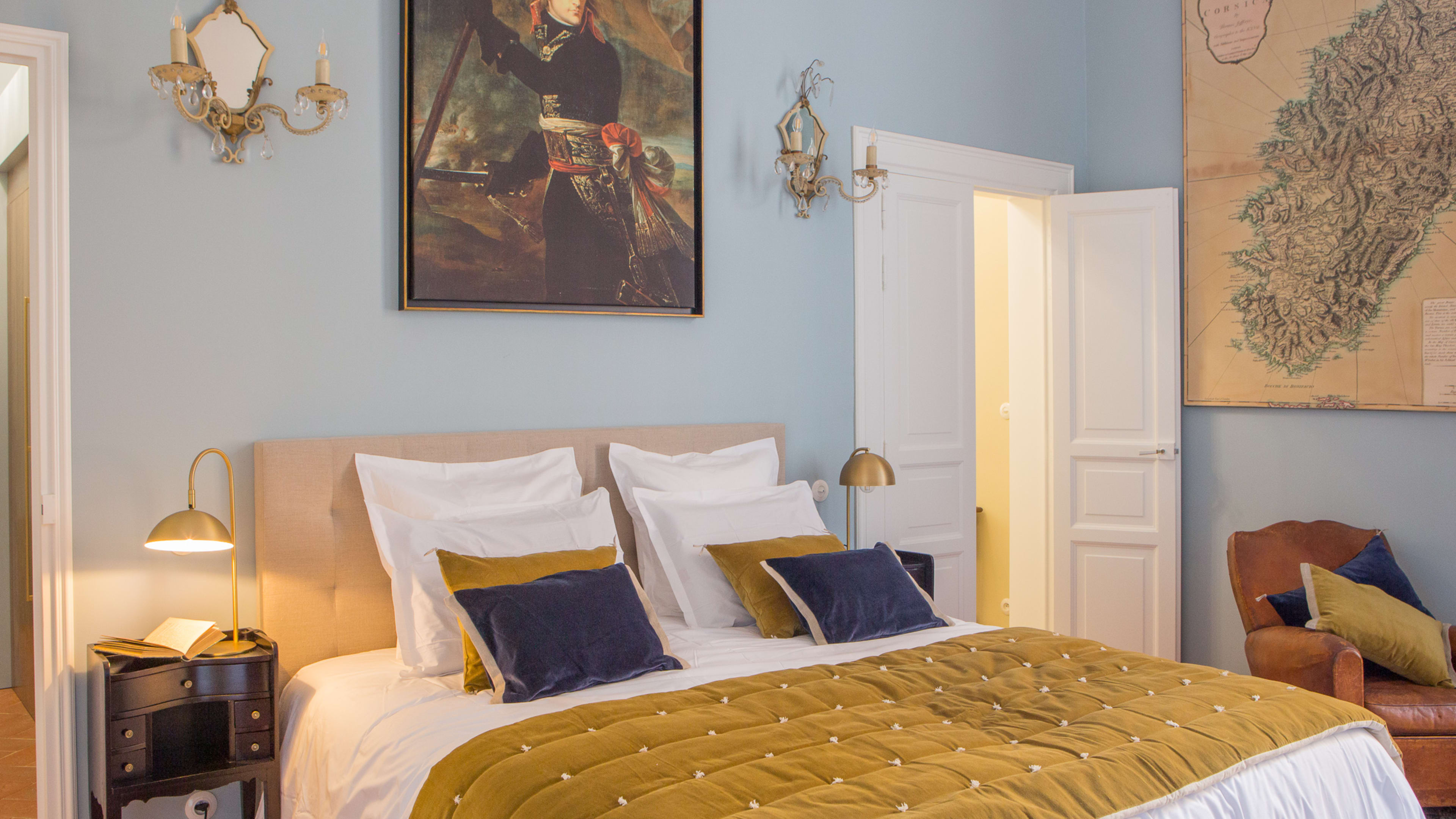
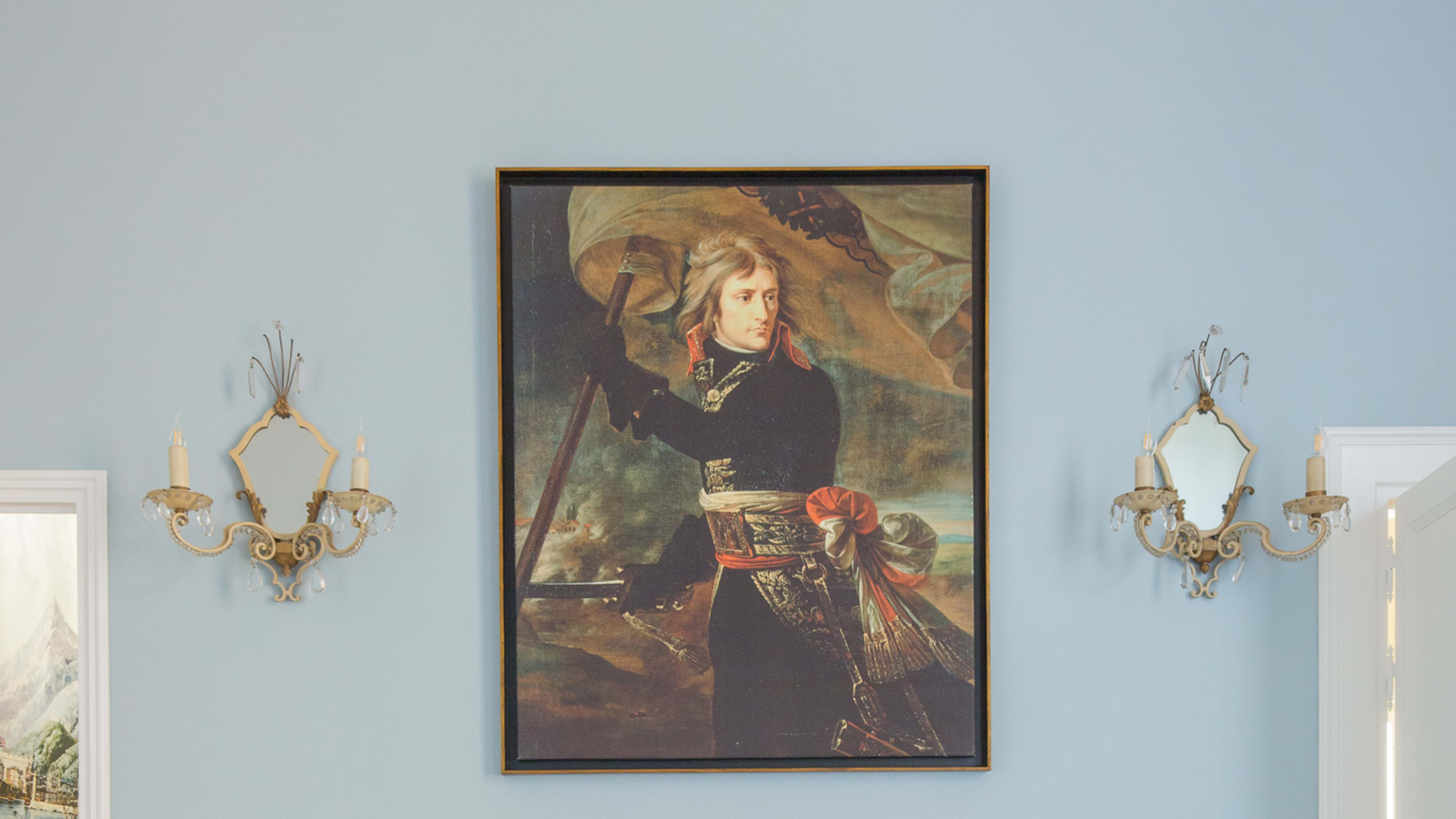
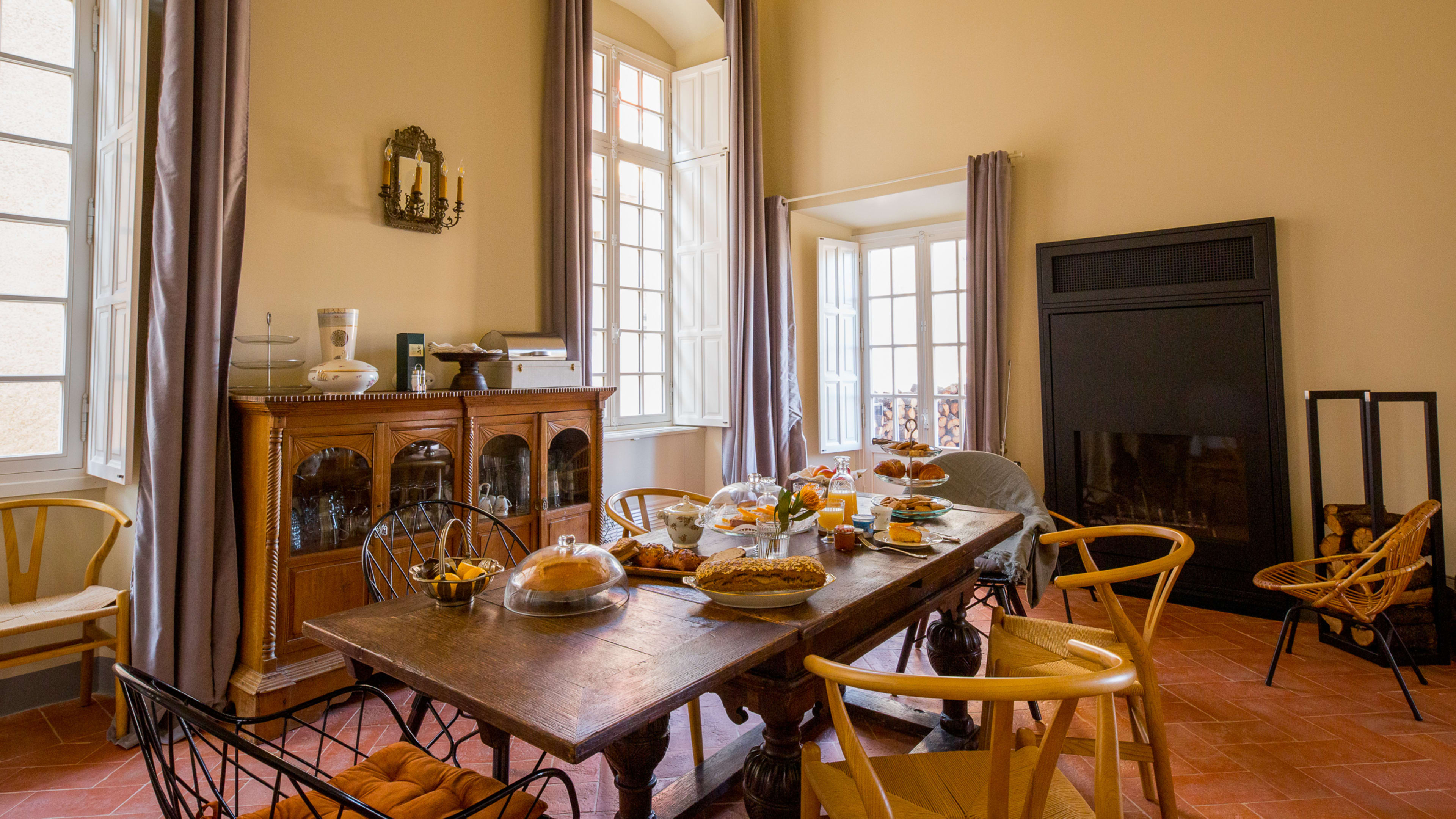
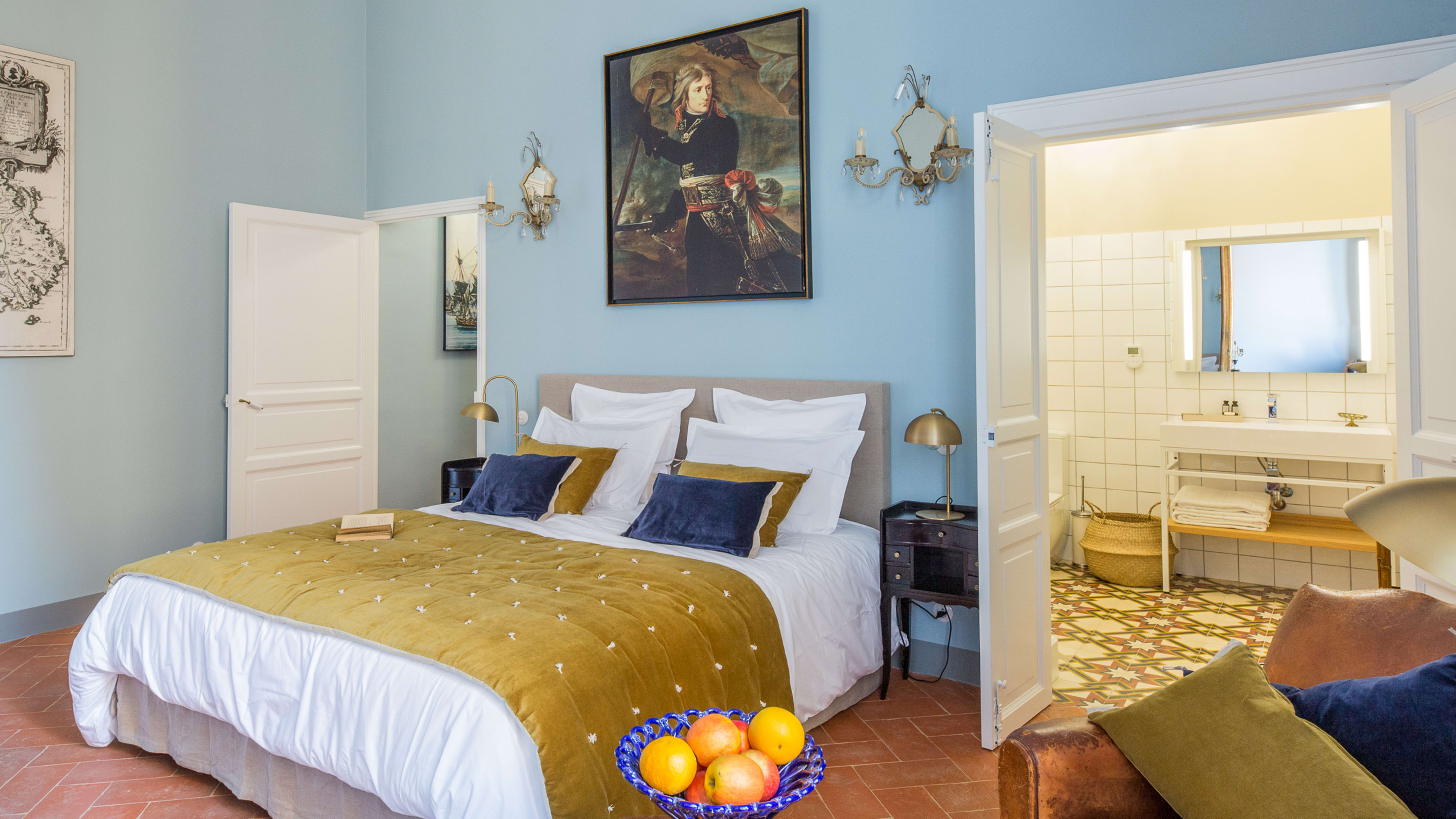
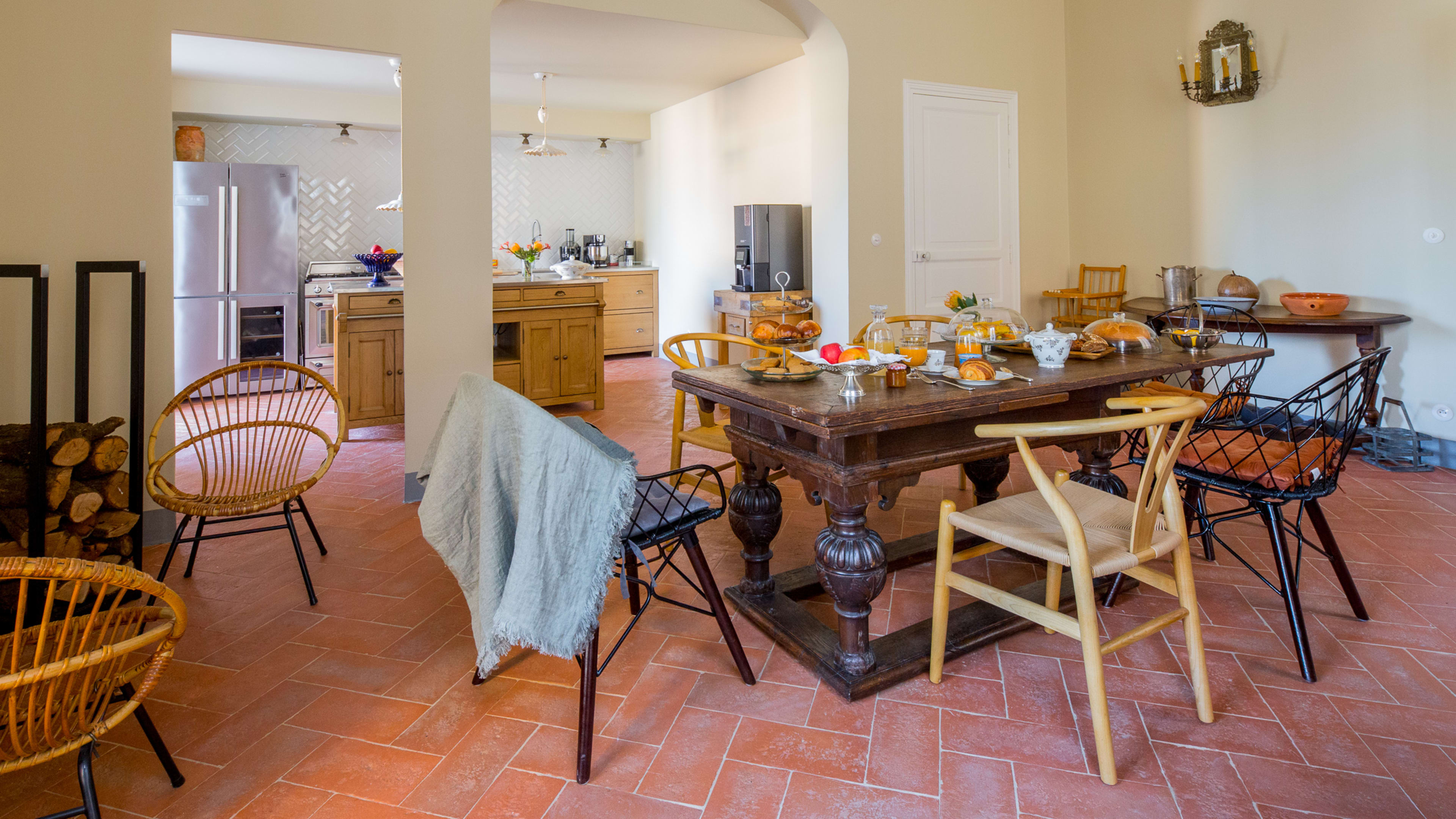
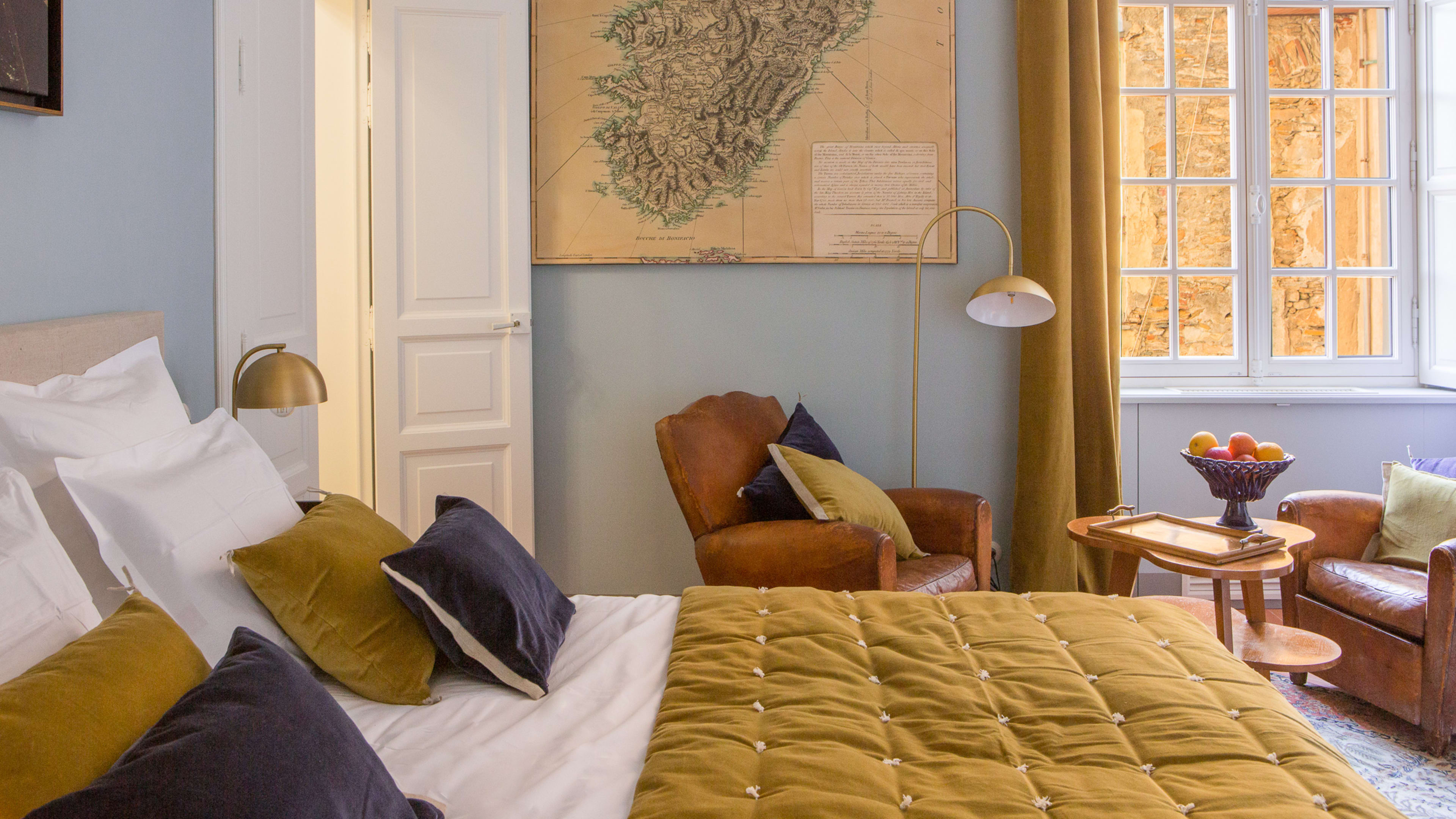
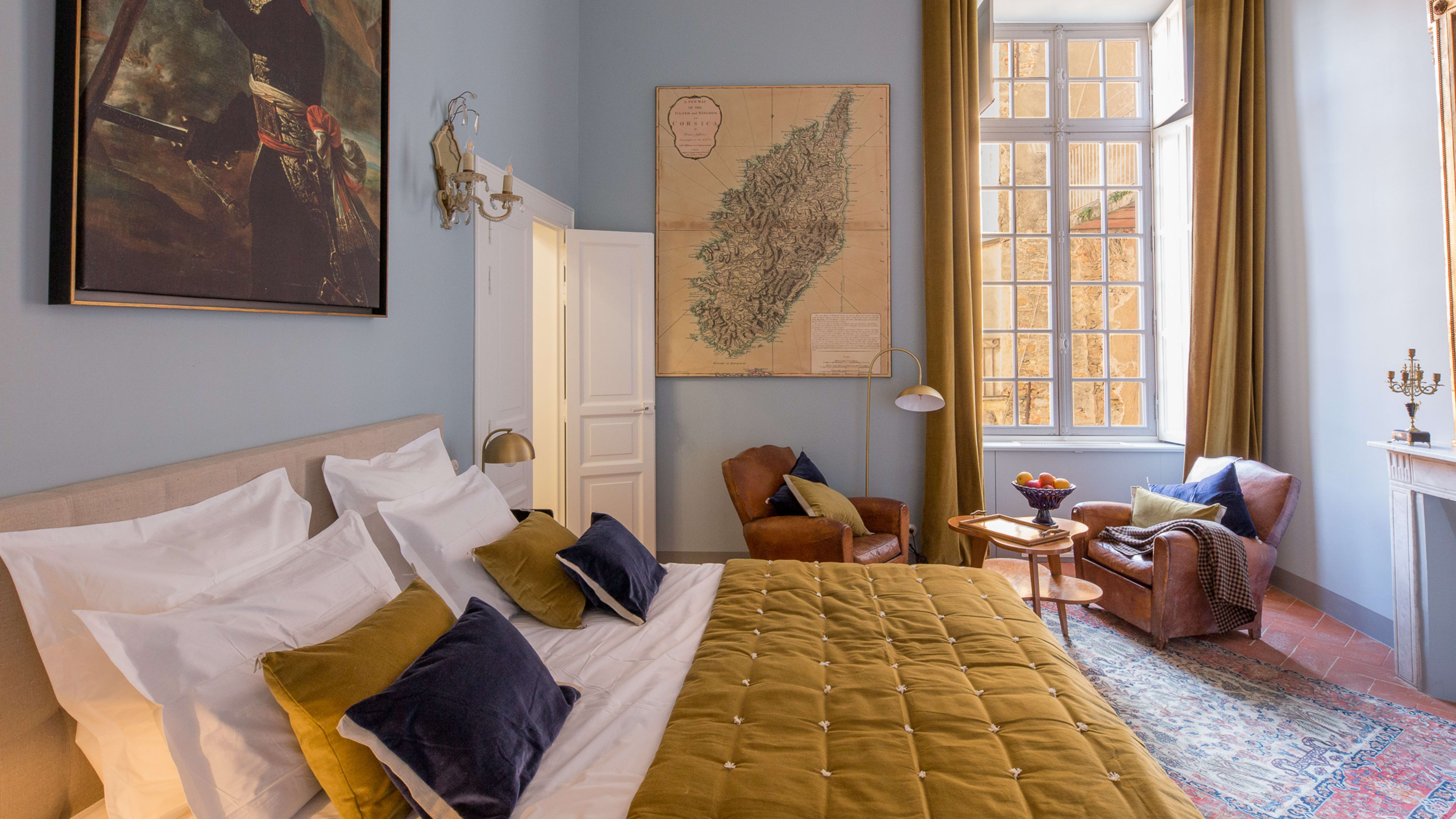
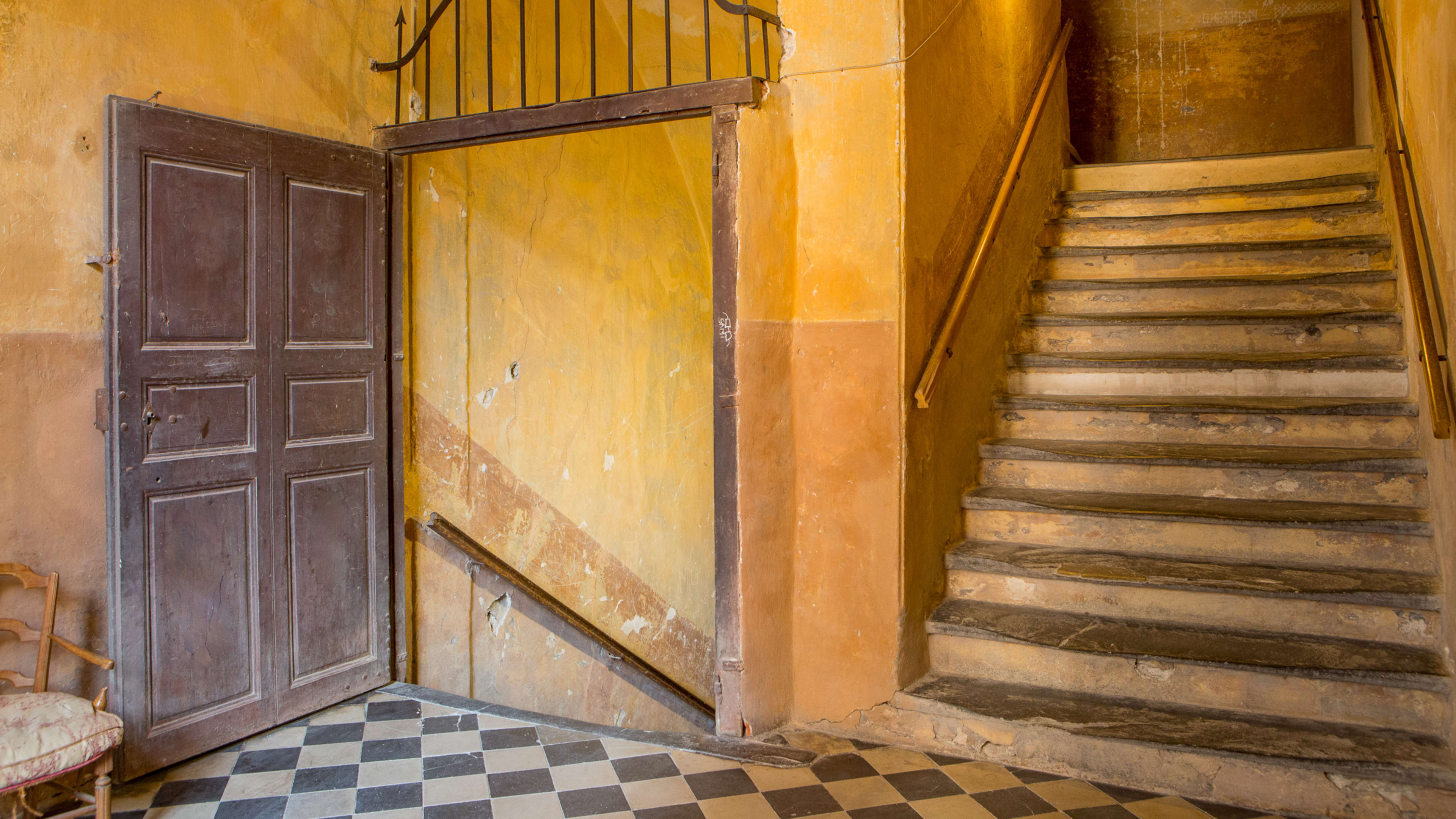
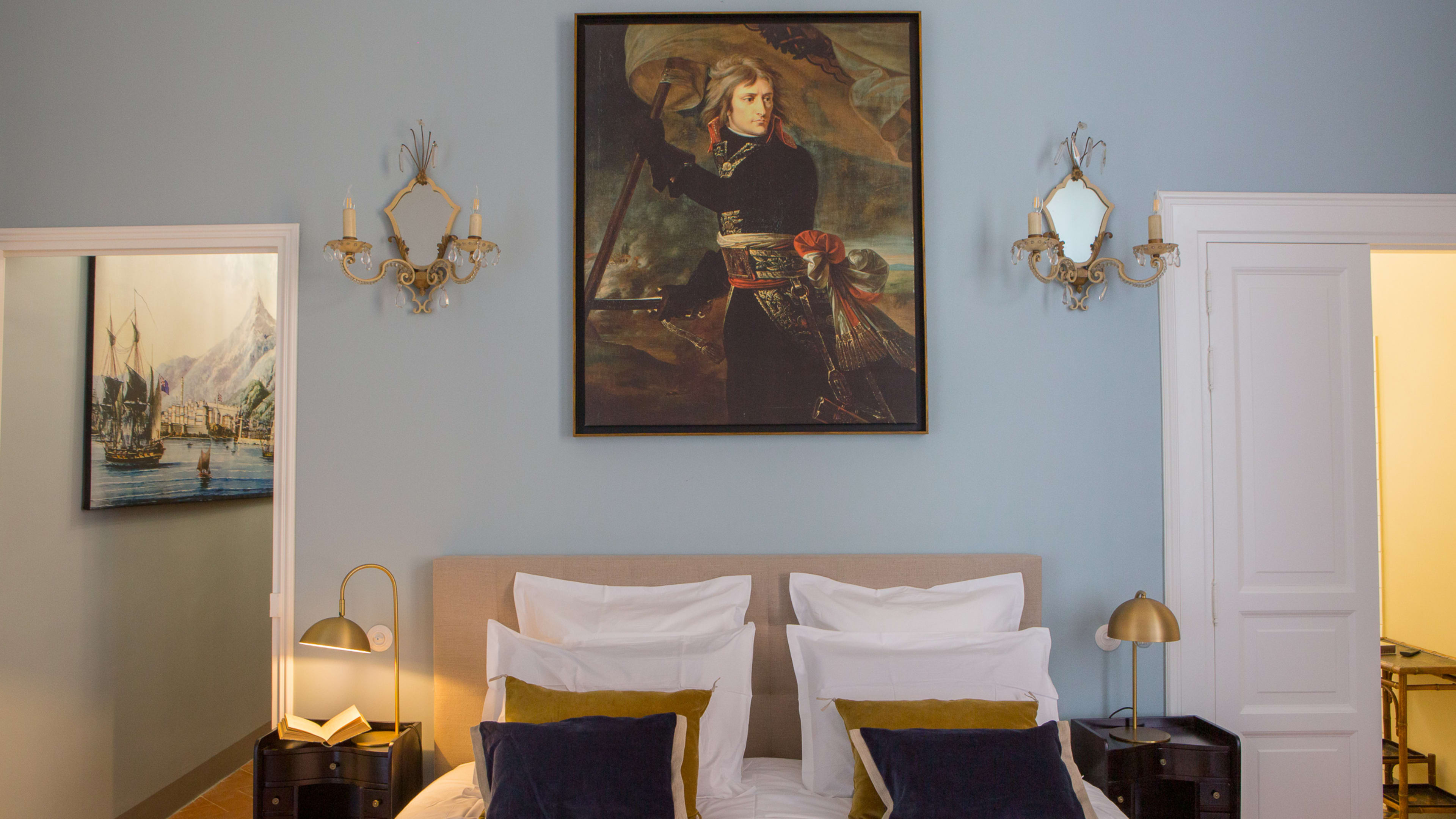
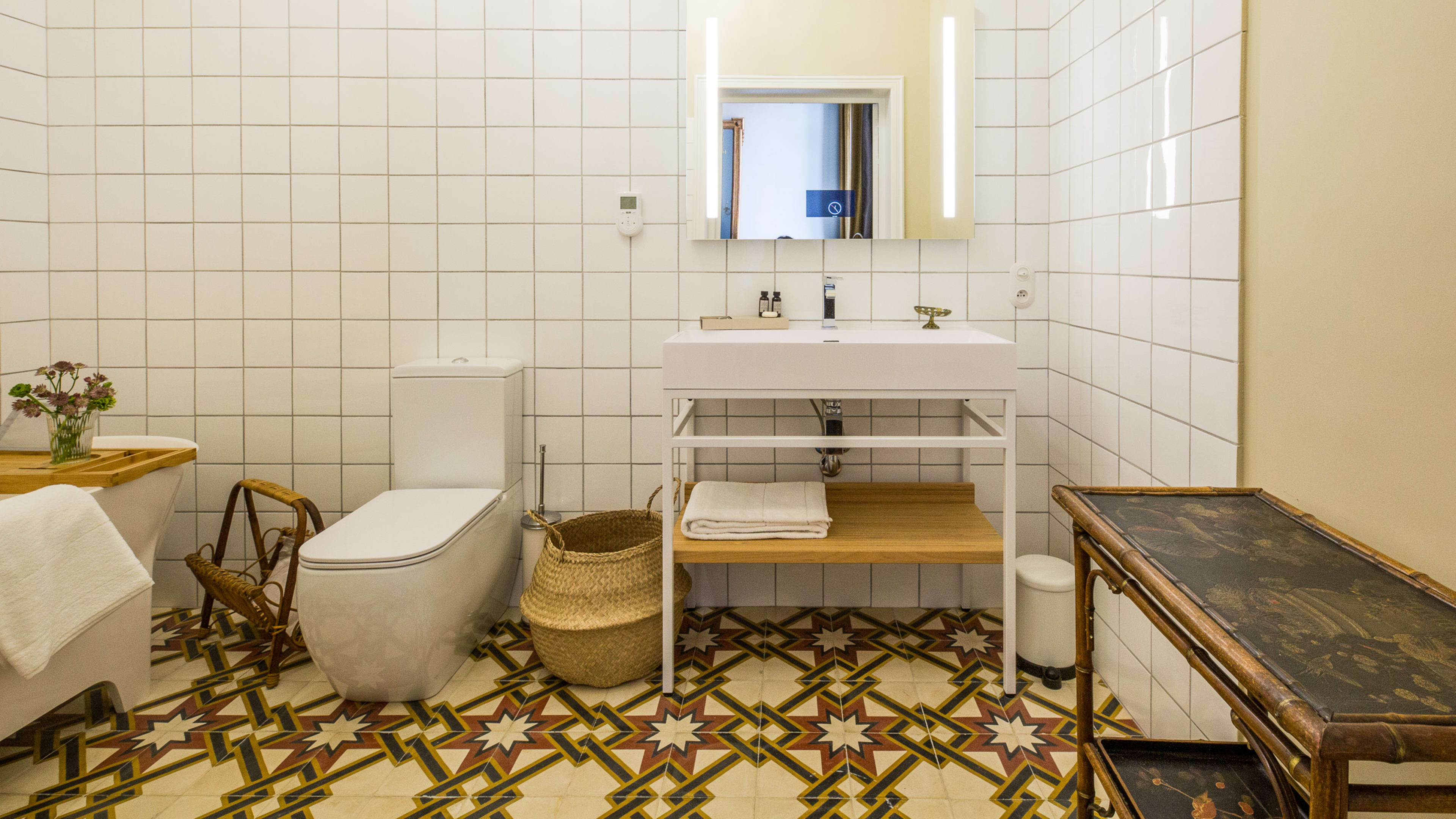
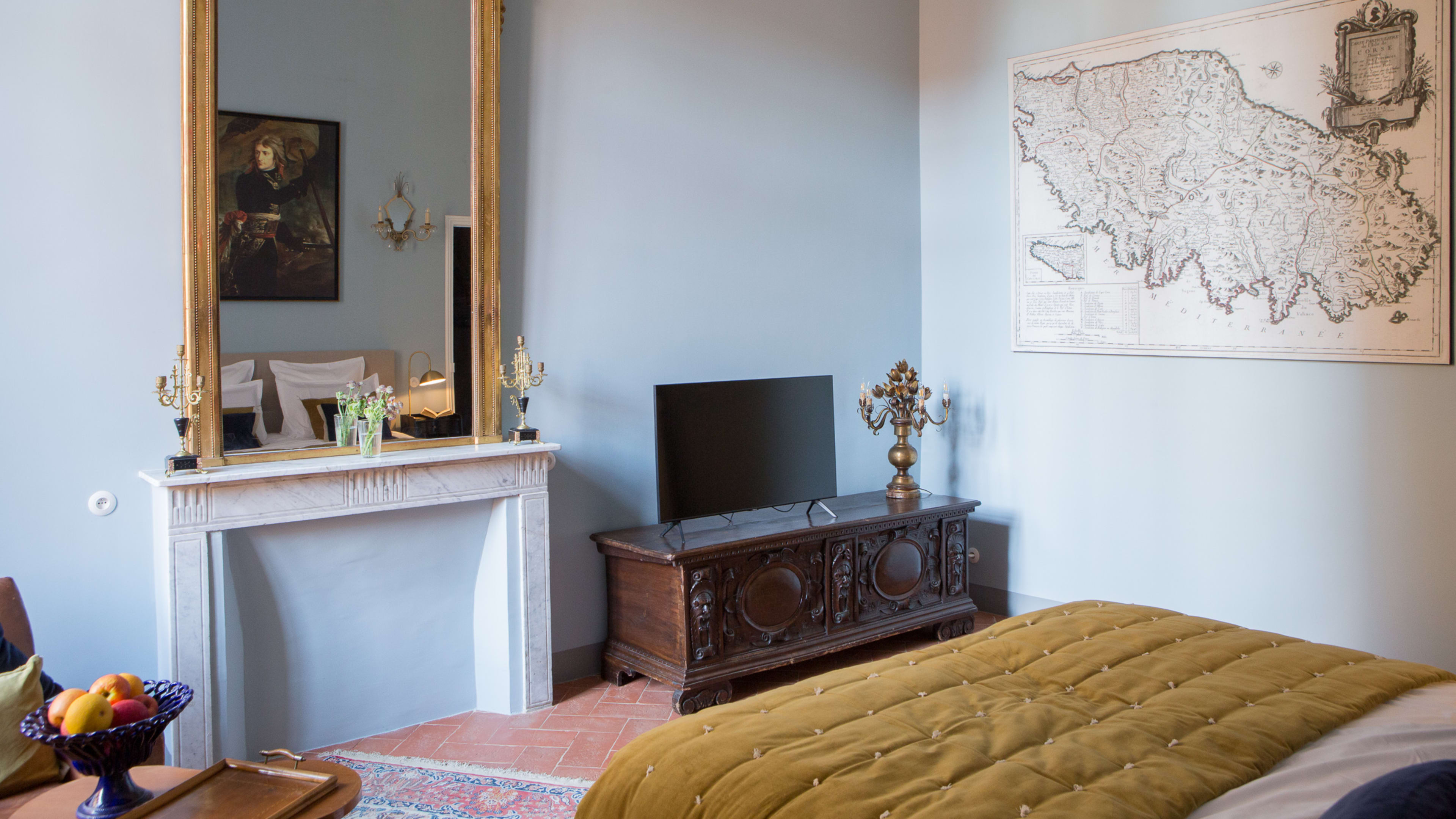
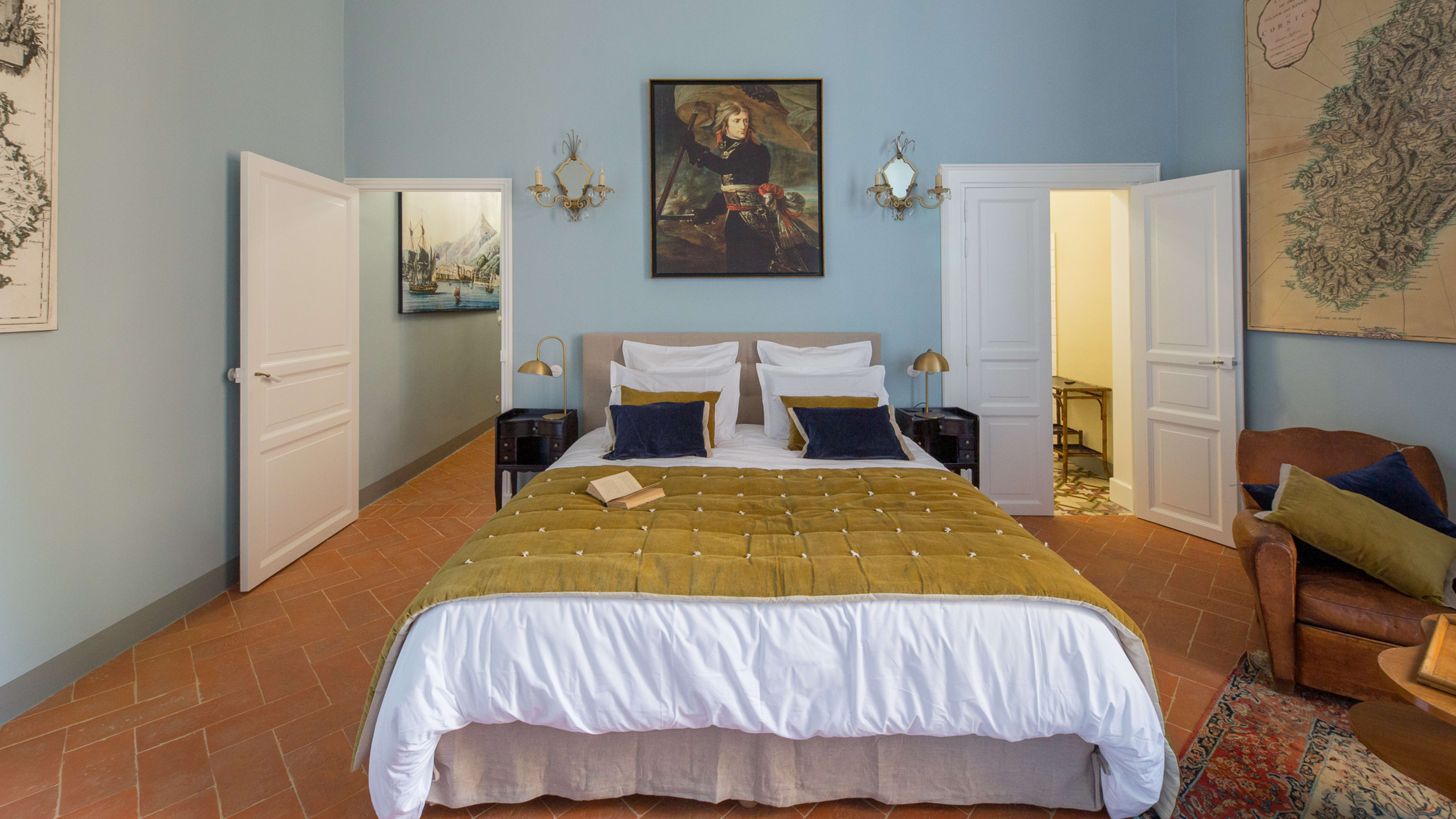
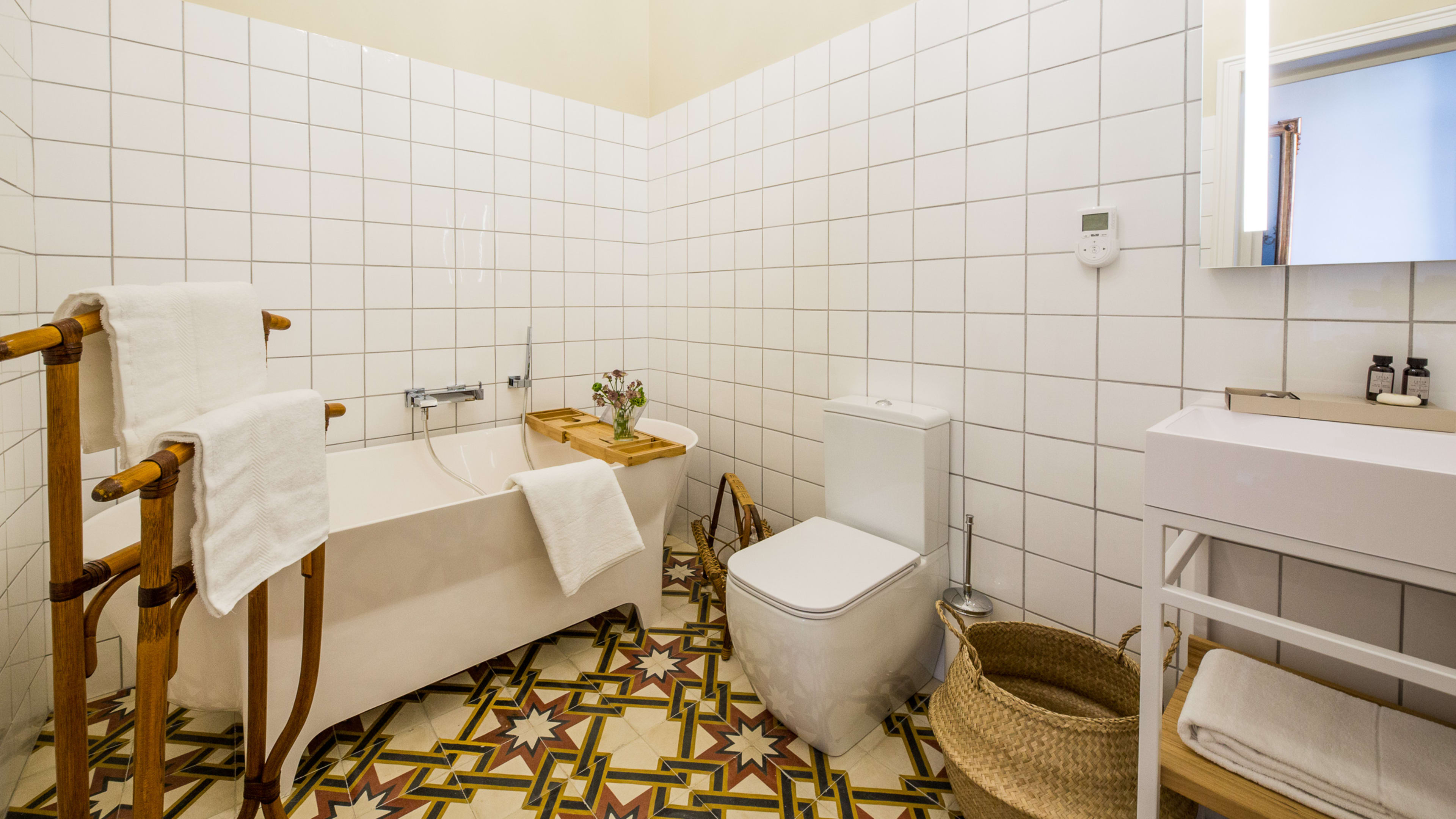
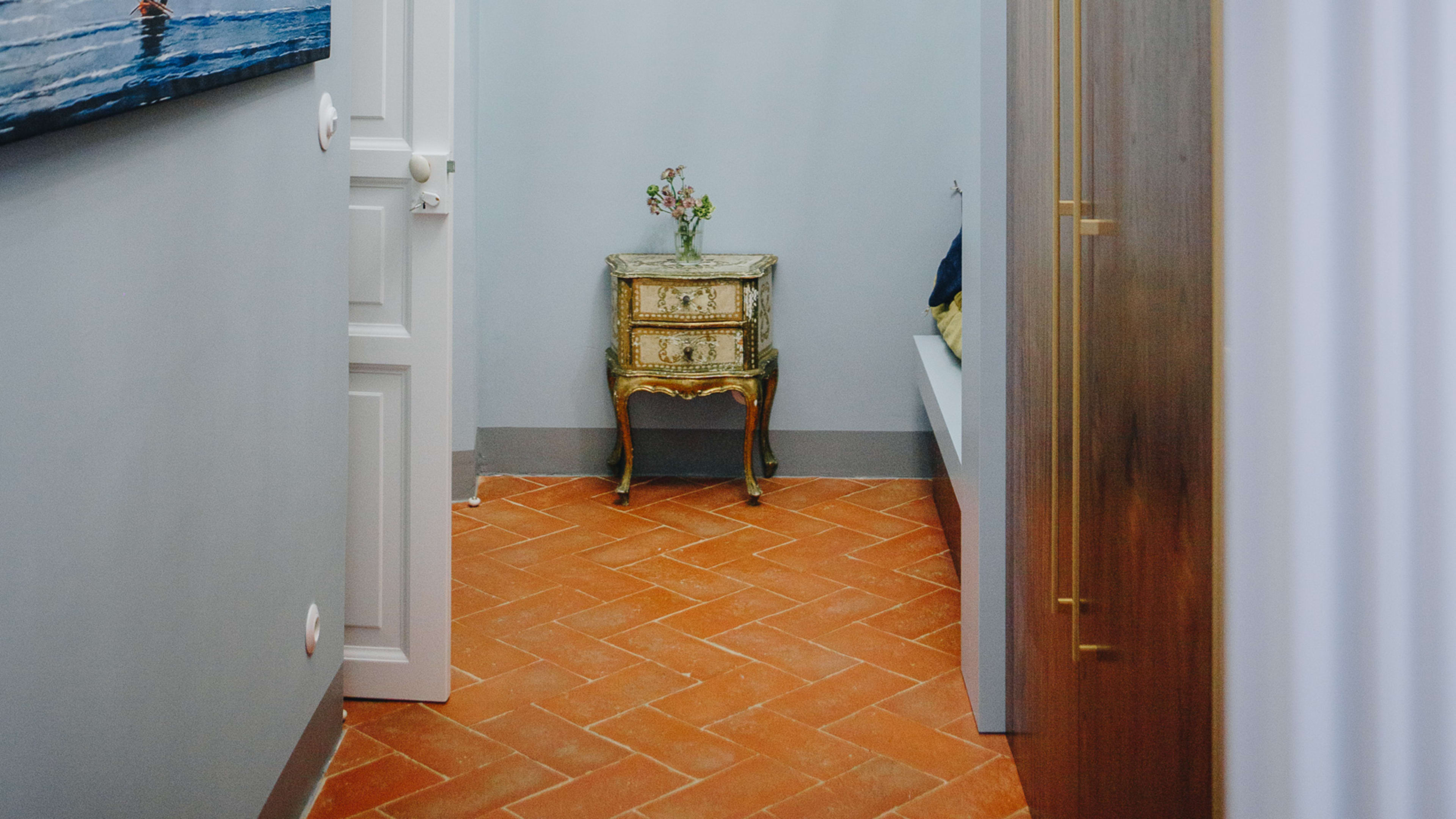
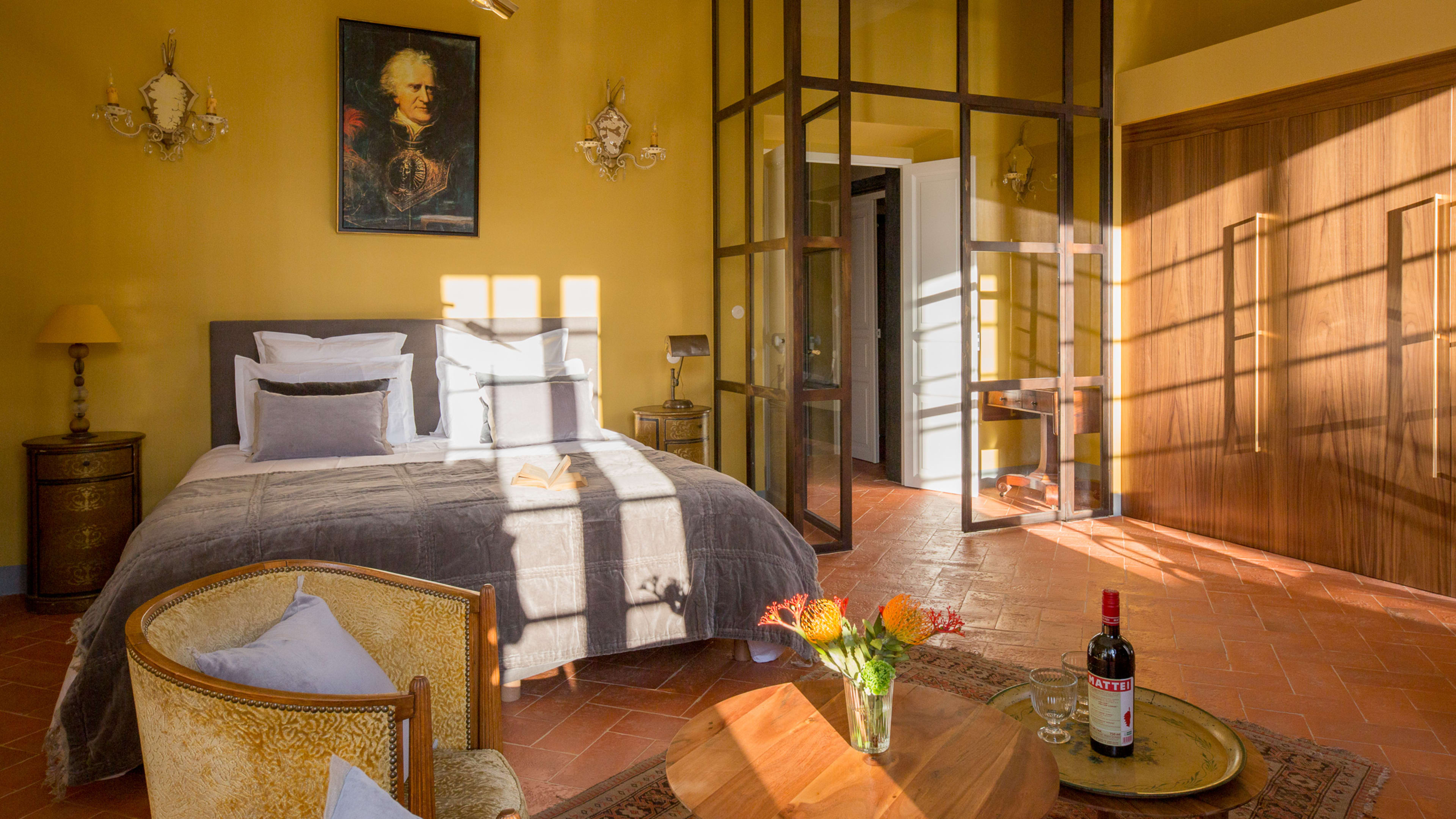
A Casa Reale is comprised of just four rooms, but it’s lived a life of epic proportions, starring Napoleon Bonaparte, Gustave Flaubert, plus a cast of nobles. More recently, this luxuriously lived-in bed and breakfast has been tirelessly restored to peak period charm. Blue-blooded as it is, it's a home, so you can comfortably keep company with its titled and talented past masters, and enjoy the same courtesies, with wine on tap, tailored service and a homemade breakfast spread for the ages.
Planes
Handily, Bastia has its own airport, which is just a 20-minute drive from the hotel, and has good direct connections across Europe and to Morocco (although guests from further afield will need to change). Rose will happily help you to arrange a taxi (usually around €45 one-way).
Trains
Corsica may be an island, but there is a small tangle of train routes. Bastia’s station is just a 10-minute walk from the casa; from there you can ride to fellow port town Calvi, or change for southern hotspots such as Ajaccio or Bonifacio.
Automobiles
Bastia itself is a stroll-by-the-sea kinda place, so you can pump the brakes on hiring a car if you don’t plan to go far. However, the Cap Corse (the island’s little pinky, pointing up to the Ligurian riviera) is best zoomed through, with its dramatic coastal roads, pinnacle villages and under-the-radar beaches. And, you can criss-cross the verdant interior to the cosmopolitan pockets of coast. There's no carpark at the hotel, but street parking and two paid garages nearby.
Worth Getting Out of Bed For
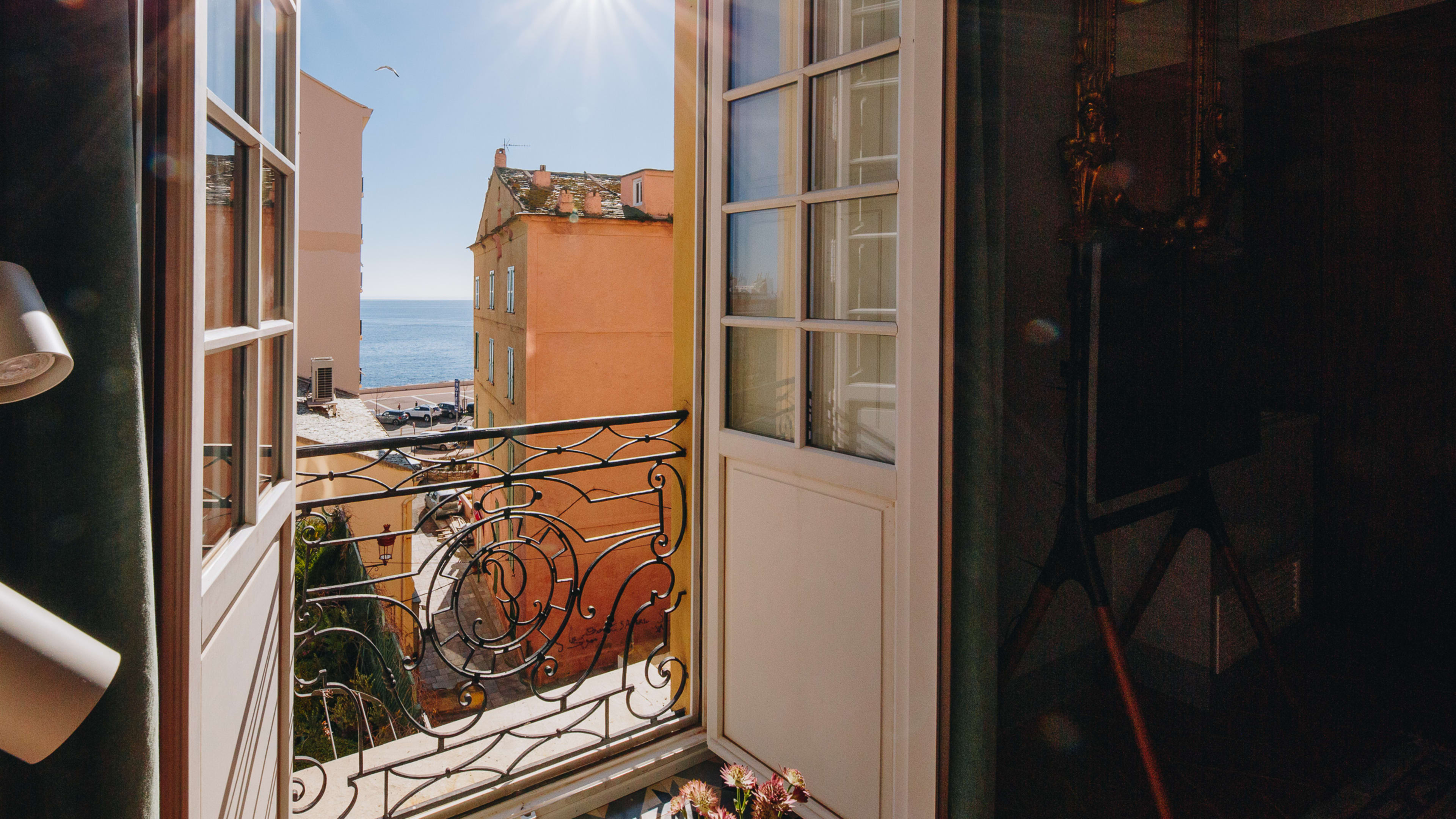
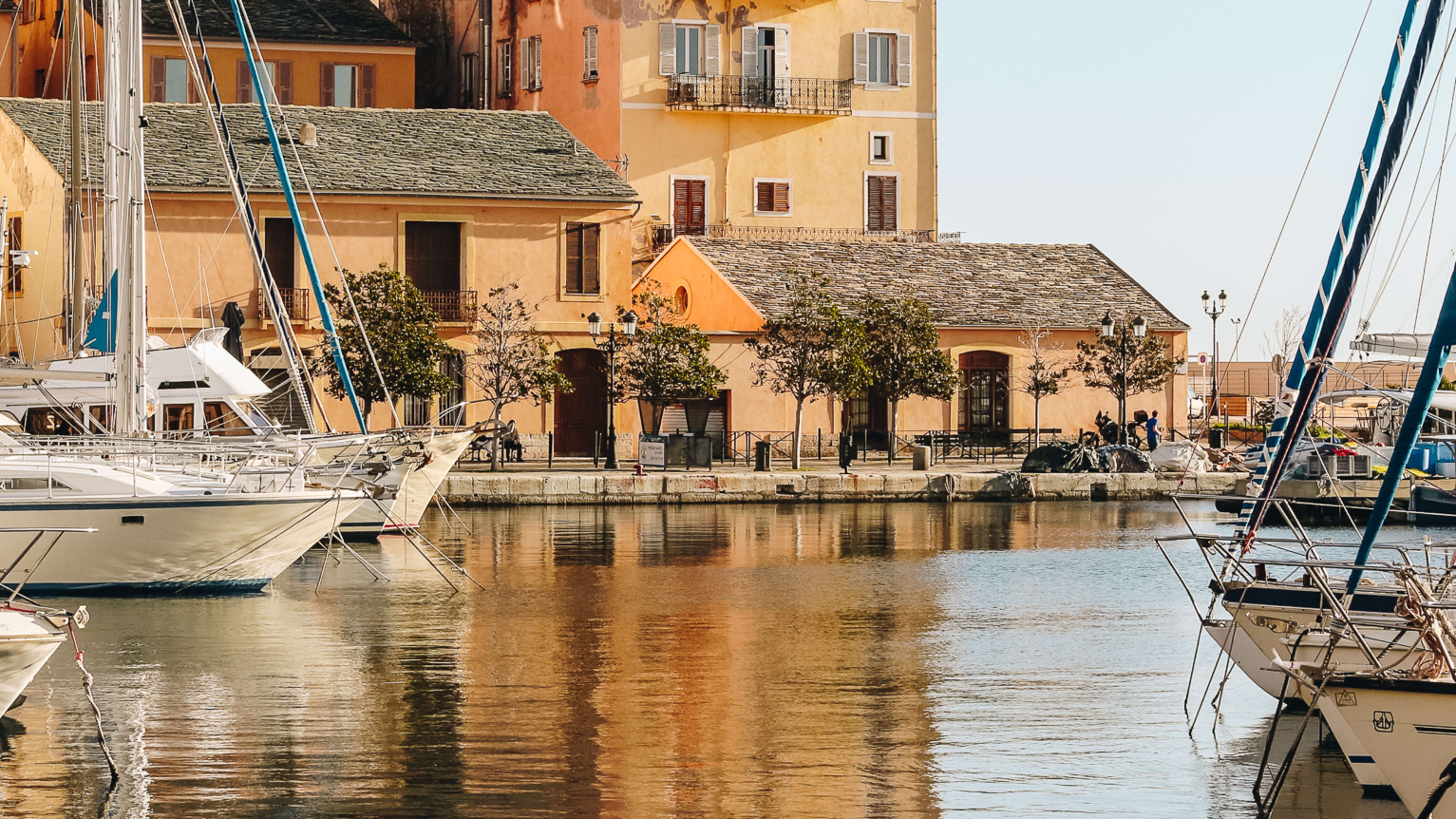
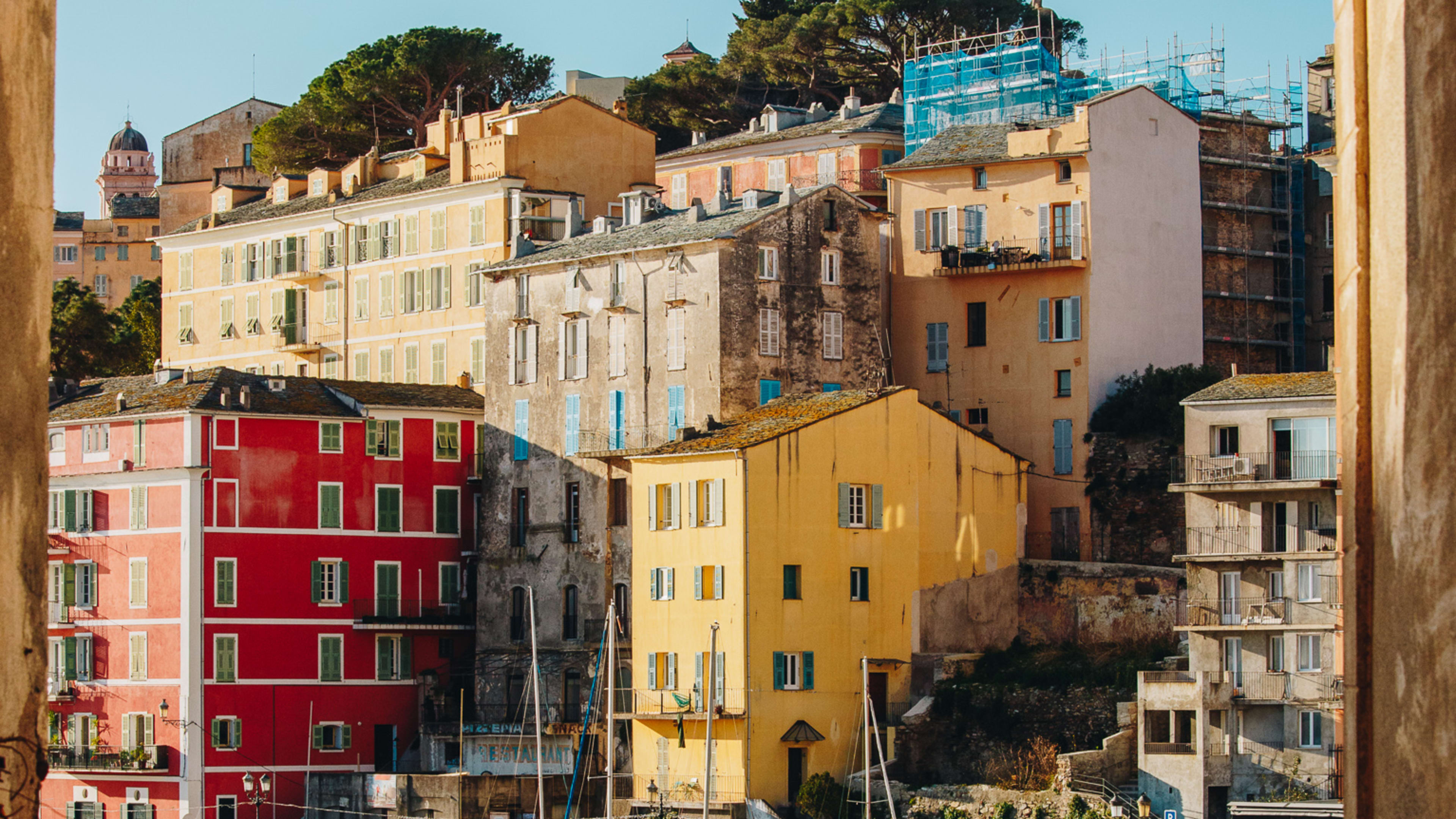
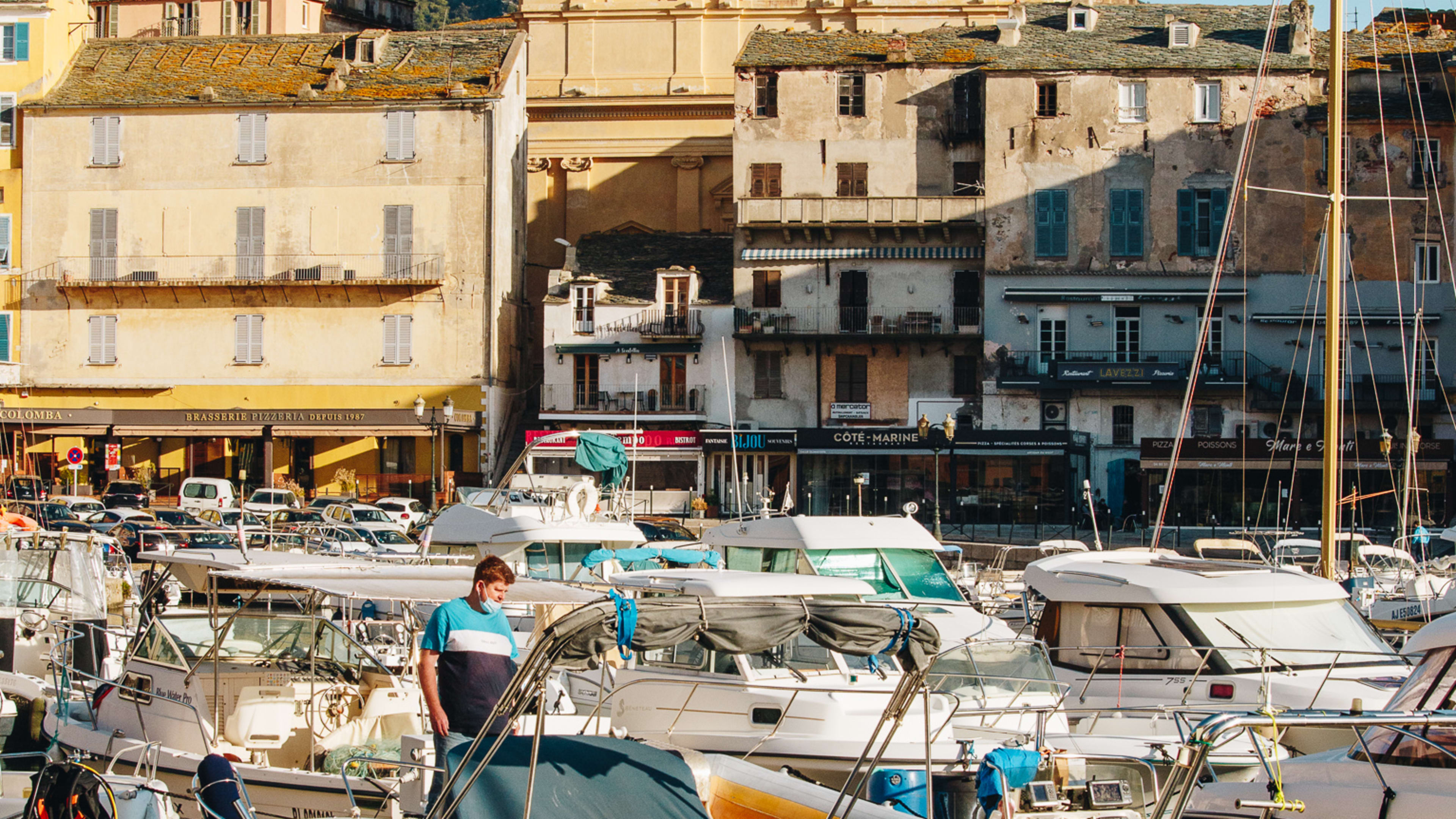
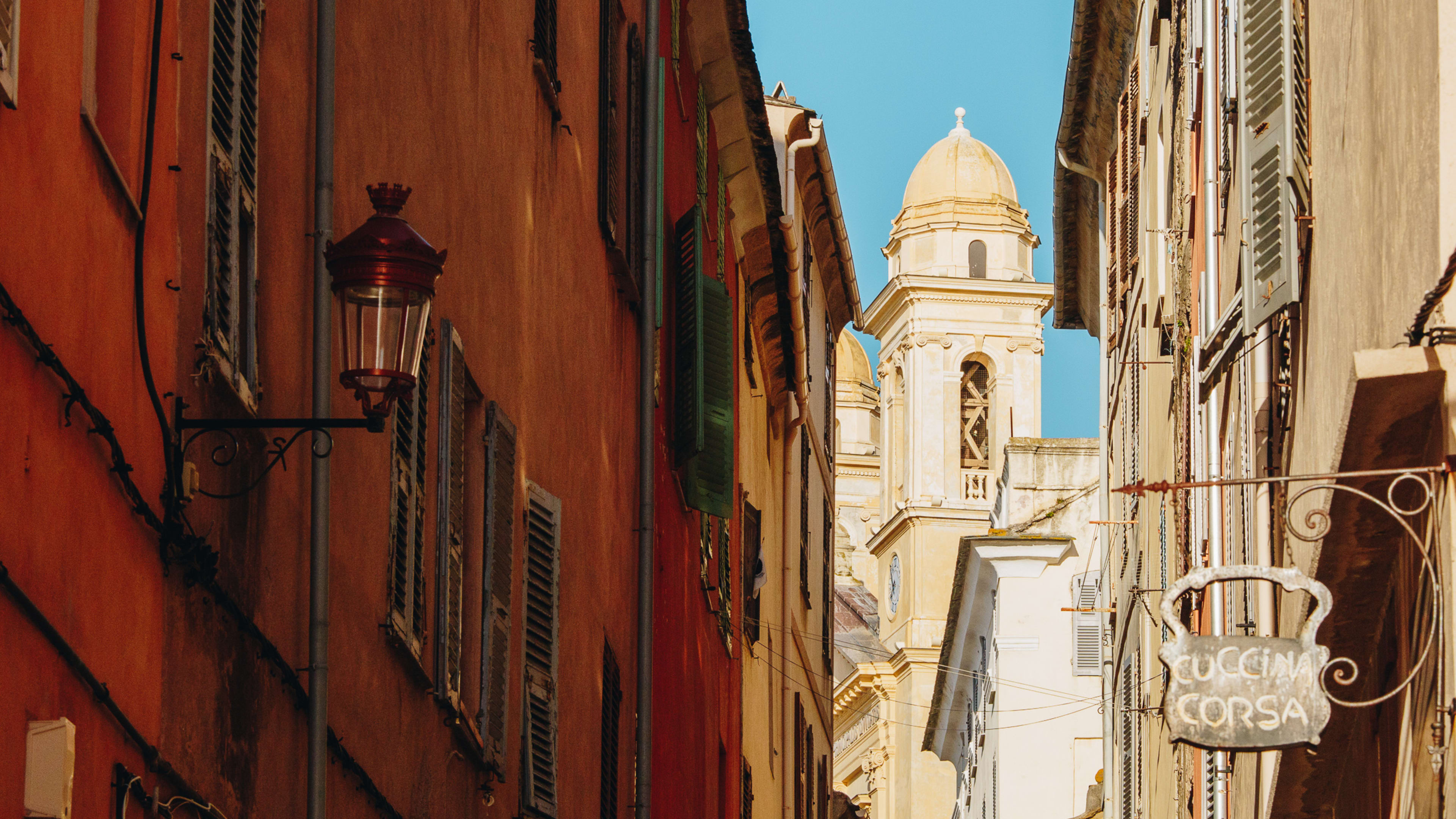
Set on the Haut-Corse’s eastern coast, below the magical, maquis-greened Cap Corse peninsula and above the wild-boar-roamed Castagniccia sweet-chestnut ‘grove’ (covering more than 100 square kilometres of countryside), Bastia may be a small port city, but it’s a lively one – except during the strictly observed after-lunch siesta – with historic townhouses all the colours of a spice rack. The Casa is just steps from Old Port in the Terra Vecchia part of town (Terra Nova sits a little higher) and the fortified 14th-century Genoese Citadel after which the city’s named. To enjoy a picturesque promenade and stop by both, there’s the 450-metre Aldilonda footbridge which starts at Arinella beach, passes the lift up the cliffs to the fort, gives you an eyeful of Tuscan isles Elba and Capraia, and finishes among the hubbub of the harbour. It’s lovely to walk or cycle along; and in the morning you can watch the boats come in, by day you can pause in the port cafes, and often, come evening, cars are banned so live music, religious festivities and other events can take place. Other lingering locales include terraces in the citadel, botanic beauty the Romieu Garden overlooking the quays (especially romantic at sunset), and the Place Saint Nicolas, a sprawling esplanade with children’s rides, a bandstand for live concerts, statue of Napoleon (because, of Corse), and events throughout the year: flea markets on Sundays, a chocolate festival come October, and an ice rink in winter. The Saint Jean Baptiste church soars dramatically over the port with its two 70-metre bell towers, beyond the Sainte-Marie Cathedral’s elegant cream façade is a blaze of gold and spectacular frescoes, and the imposing hulk of the 15th-century Palais des Gouverneurs houses a charming museum about the city’s past. Need more embellishment? The Oratory of the Sainte-Croix brotherhood, the only Rococo-style religious building in France, throws everything it has at the decor. Arinella Beach has a strip of white sand, and further down, Marana has safe-for-swimming lagoons, sunbathing stretches and fascinating birdlife. Come weekends, farmers turn stalls into lush cornucopias at the market on Place de l'Hôtel de Ville; gather a picnic and head out to hop across the Cap’s villages and beyond. Erbalunga (AKA the ‘nest of painters’) is a paradise for paint-splashers, Centuri is the leading lobster-fishing port in France, so a top lunching spot, Nonza, goes goth with its black-sand beach, and Patrimonio is a wellspring of fine wine. Back at the hotel, get acquainted with the stories behind the antiques: a huge cherub-topped mirror from the apartment of the 19th-century mayor of Bastia Antoine Piccioni (notably Gustave Eiffel's stepson); lavishly carved 18th- and 19th-century chests; Milanese lighting and Saint Ouen chandeliers...