Villa Saint-Ange
18th-century ode
Majestic Mazarin
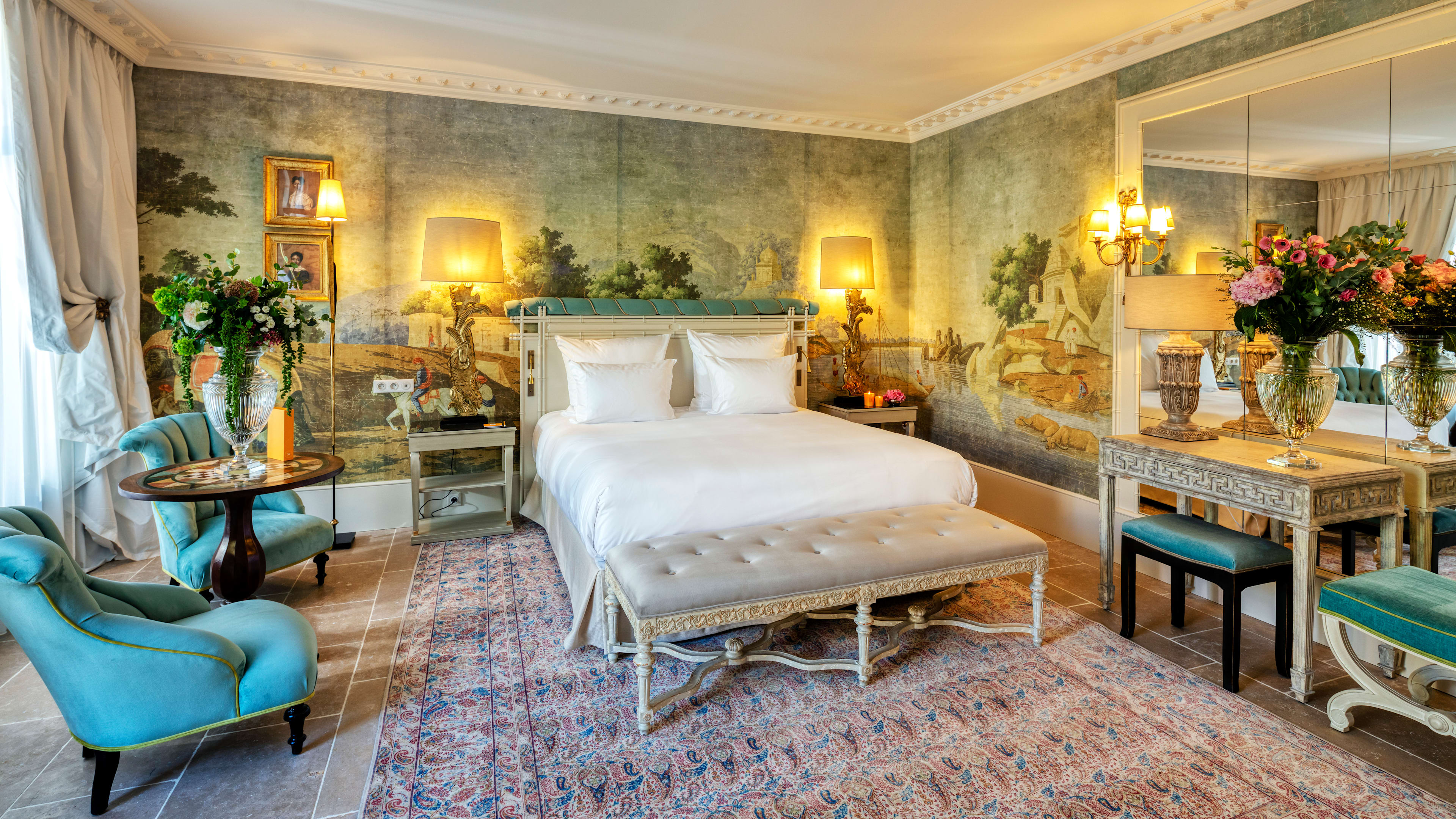
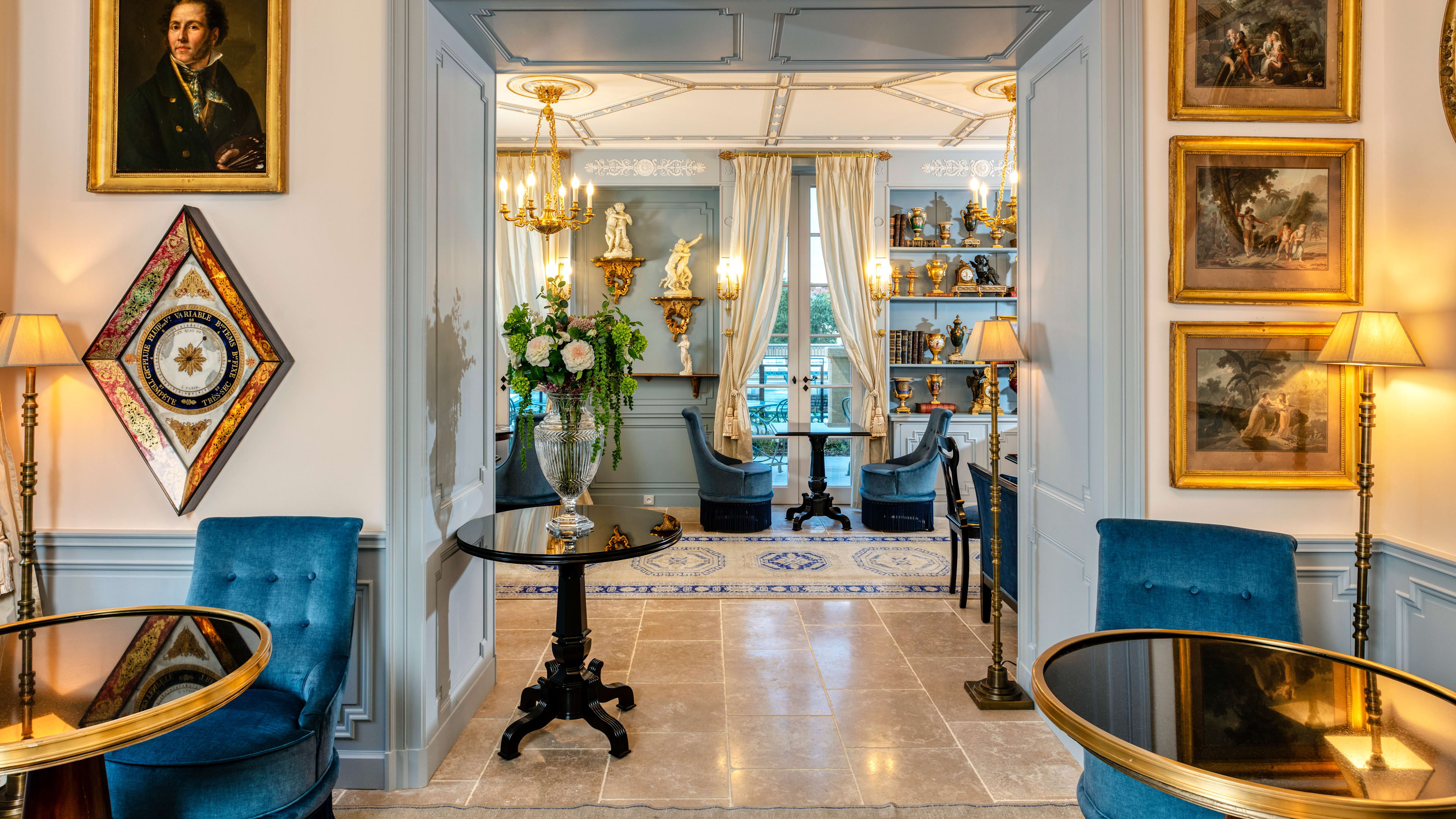
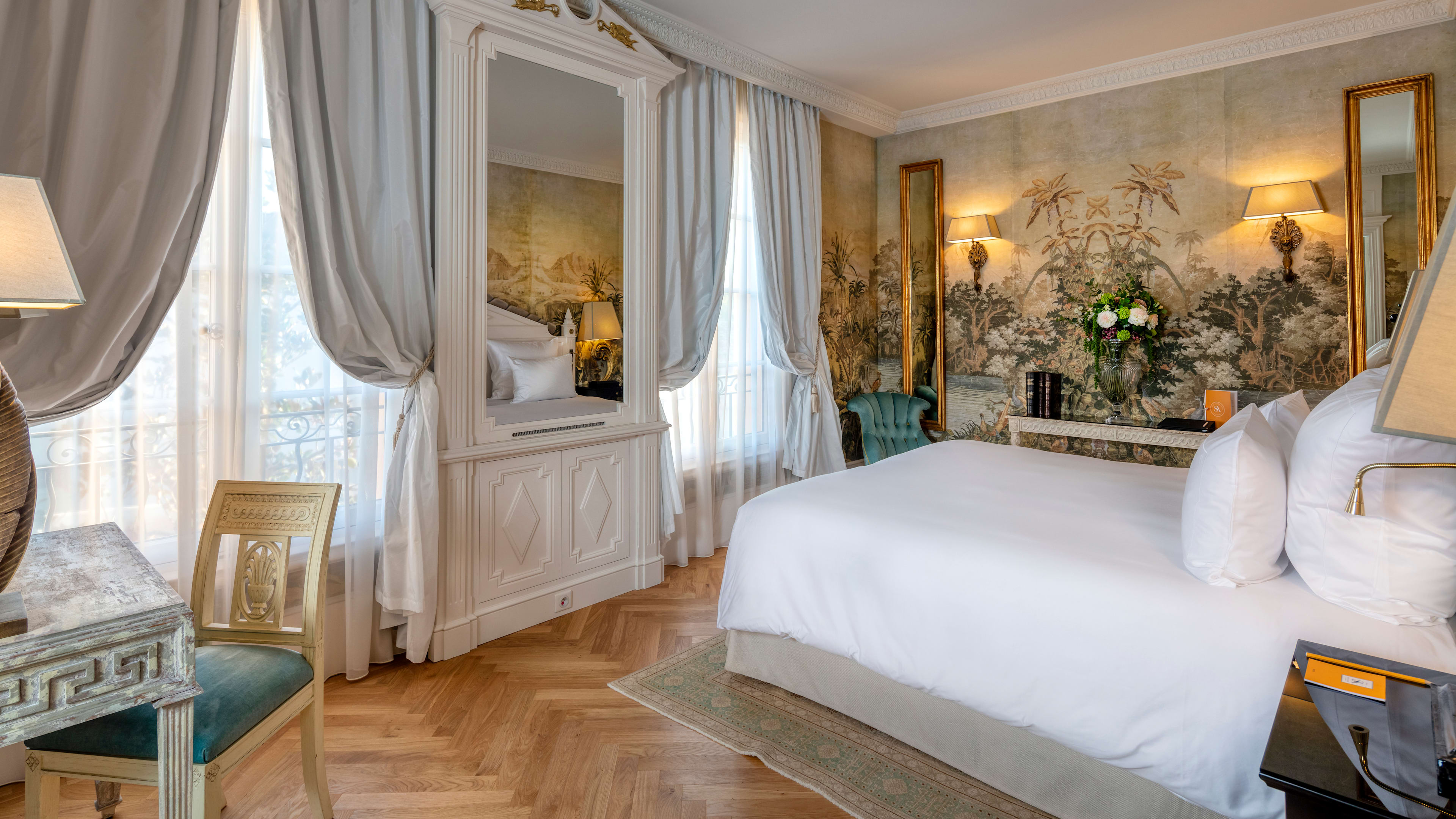
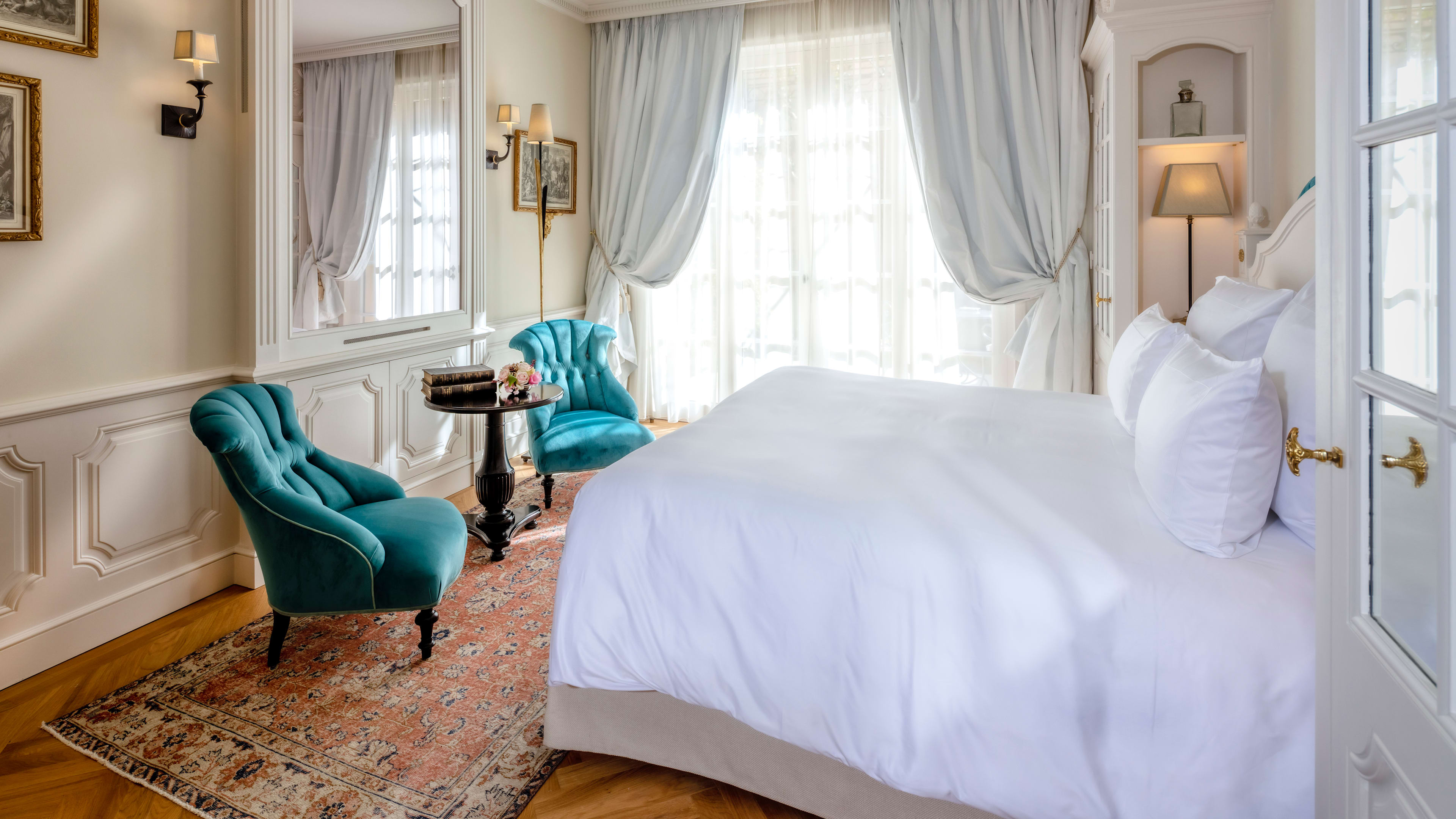
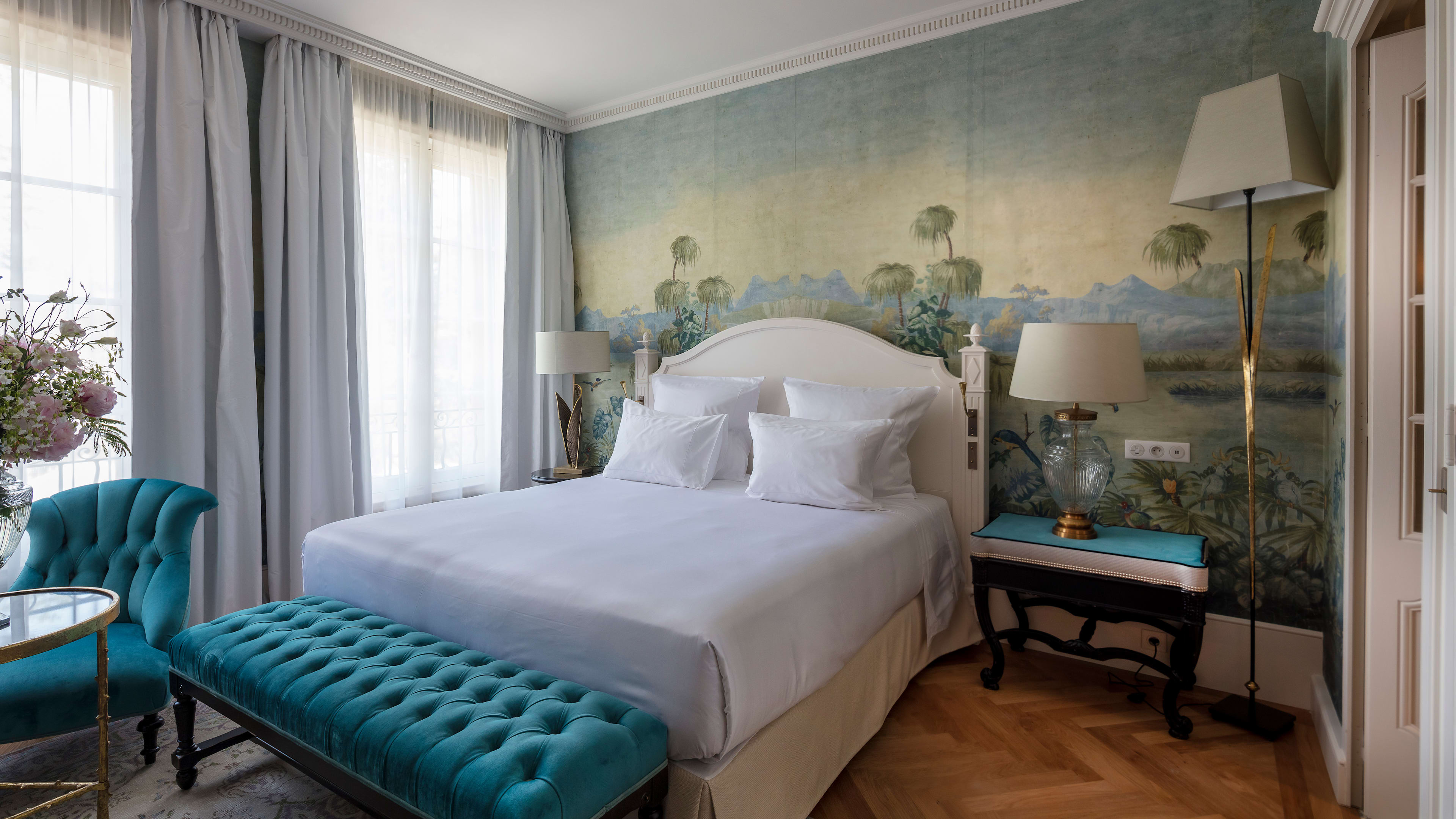
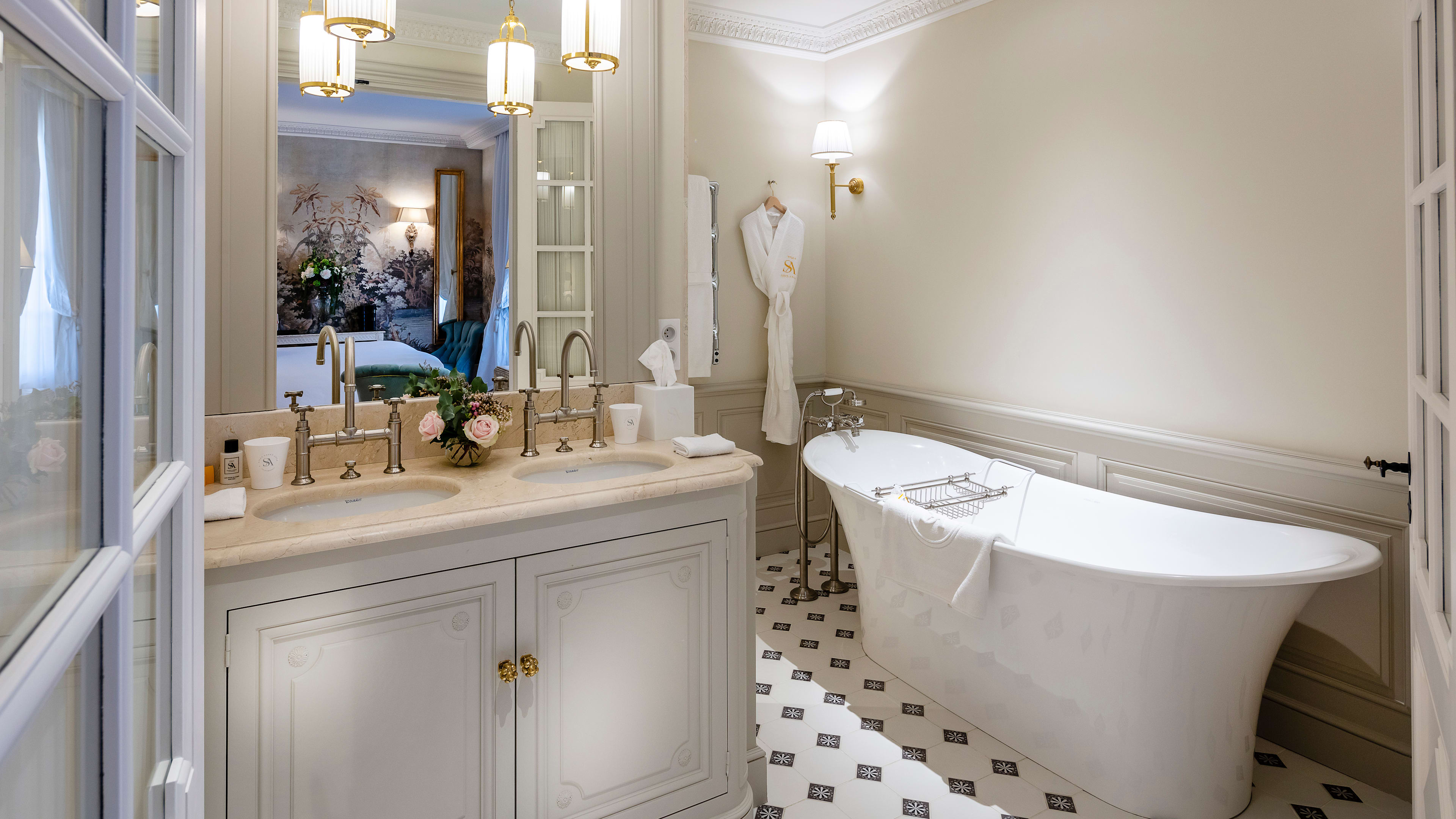
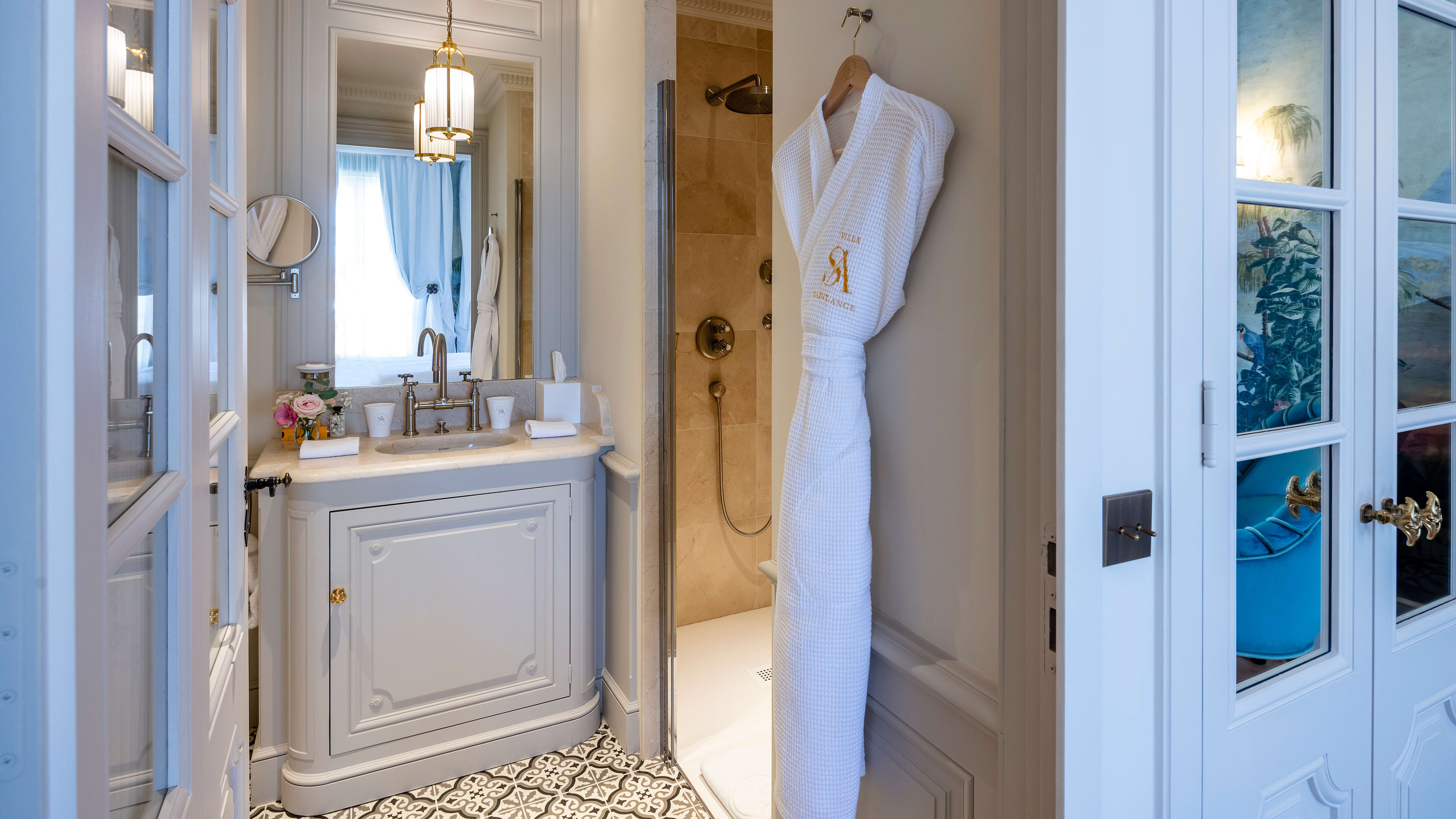
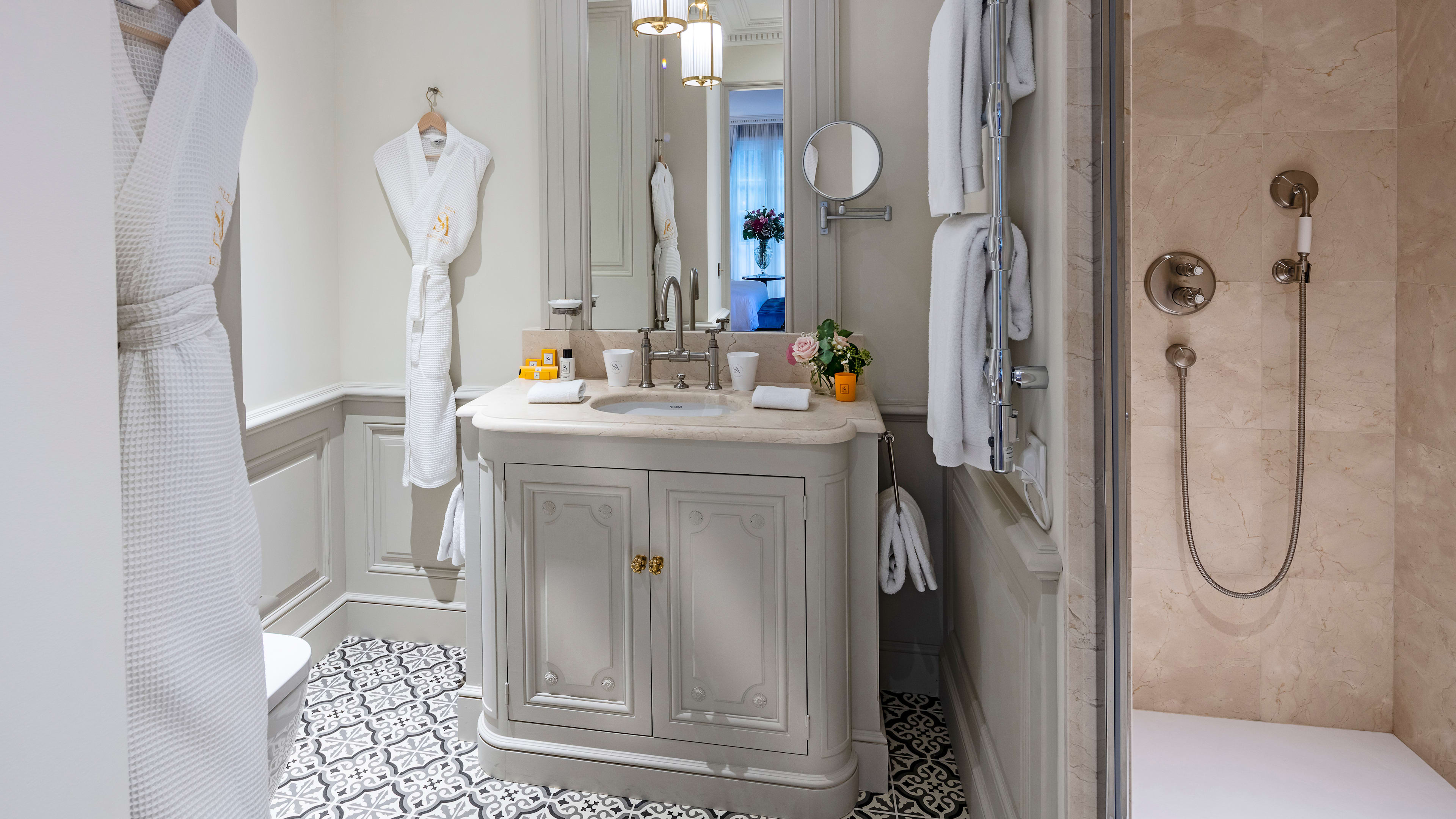
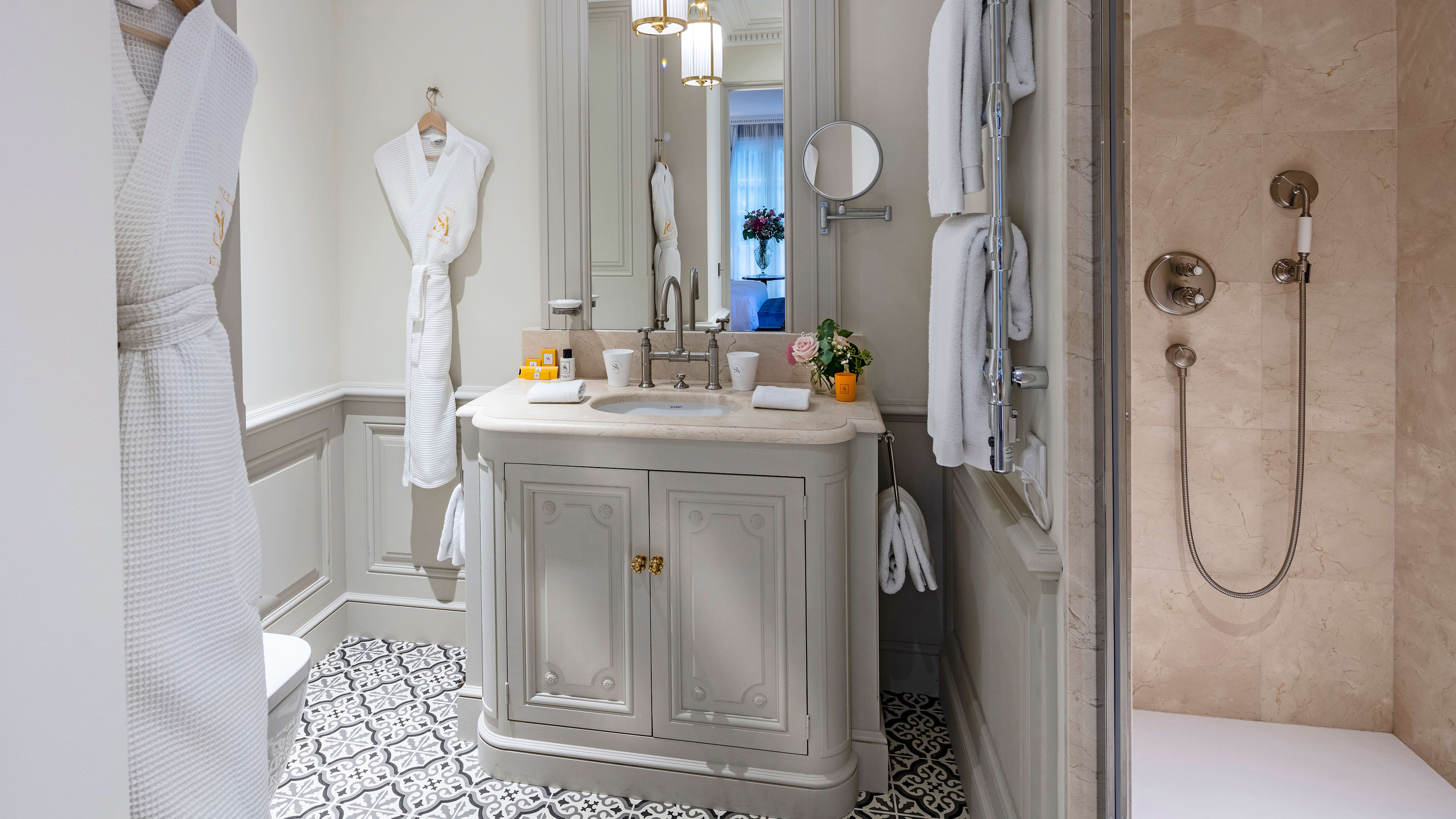
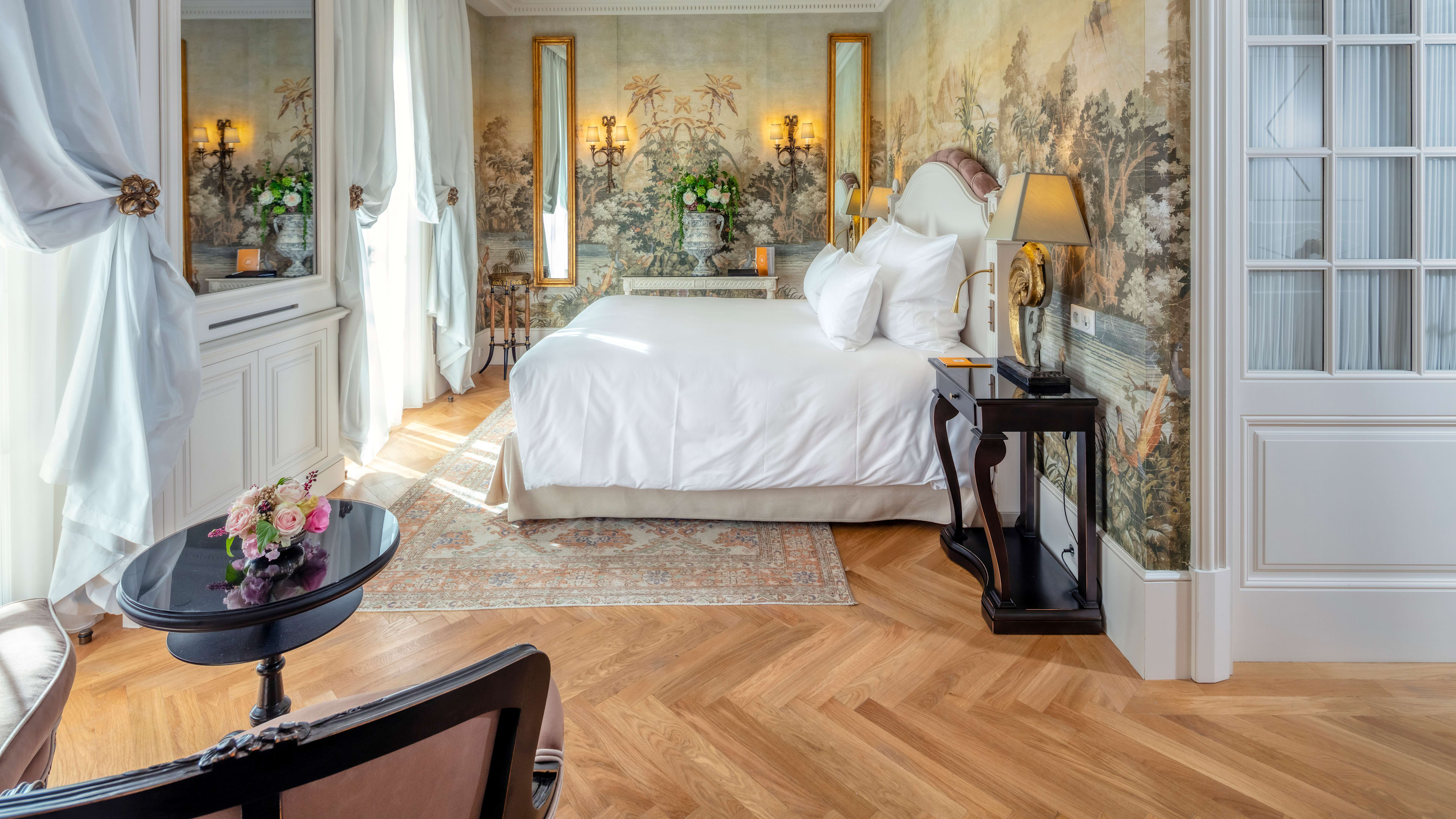
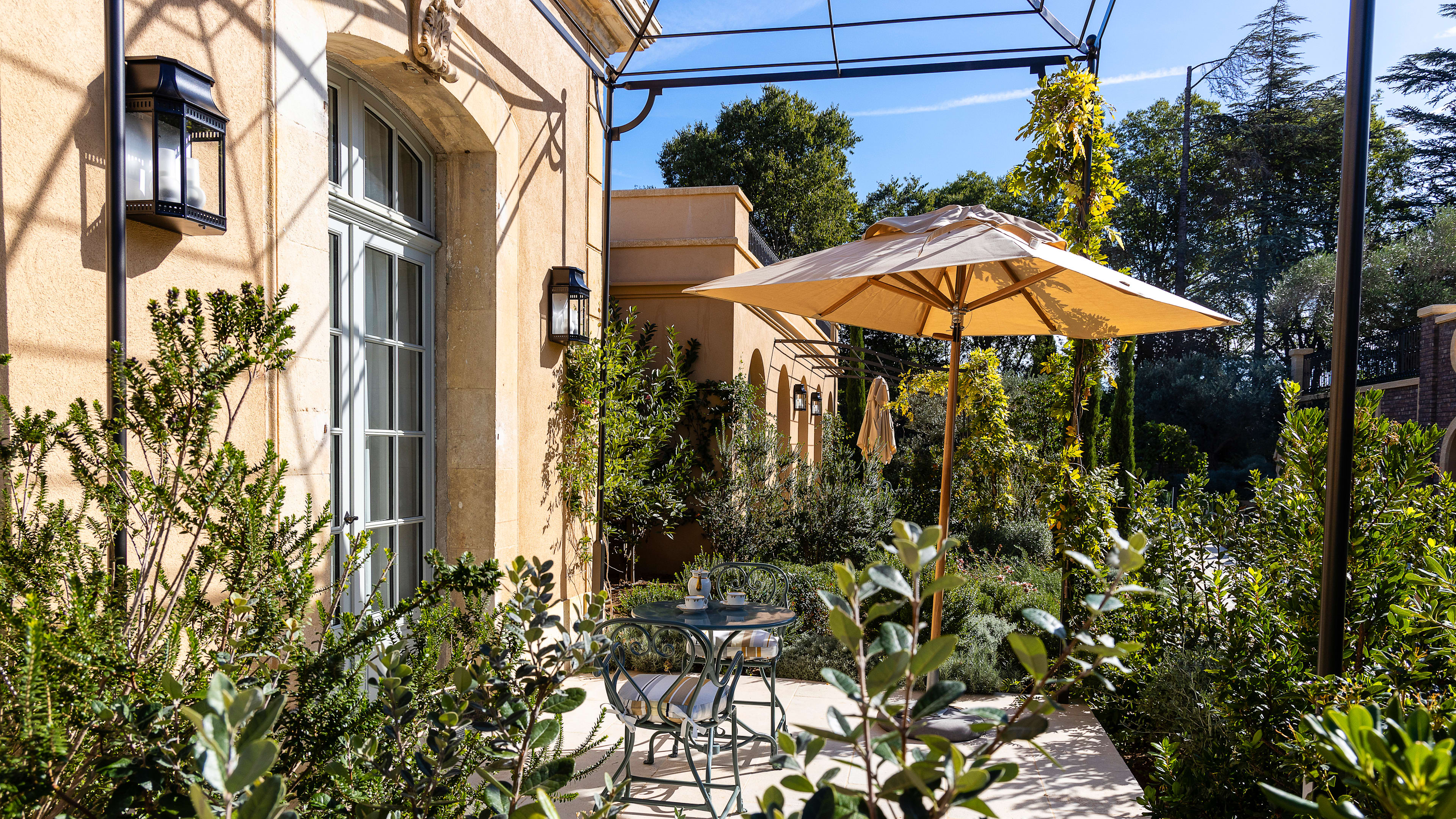
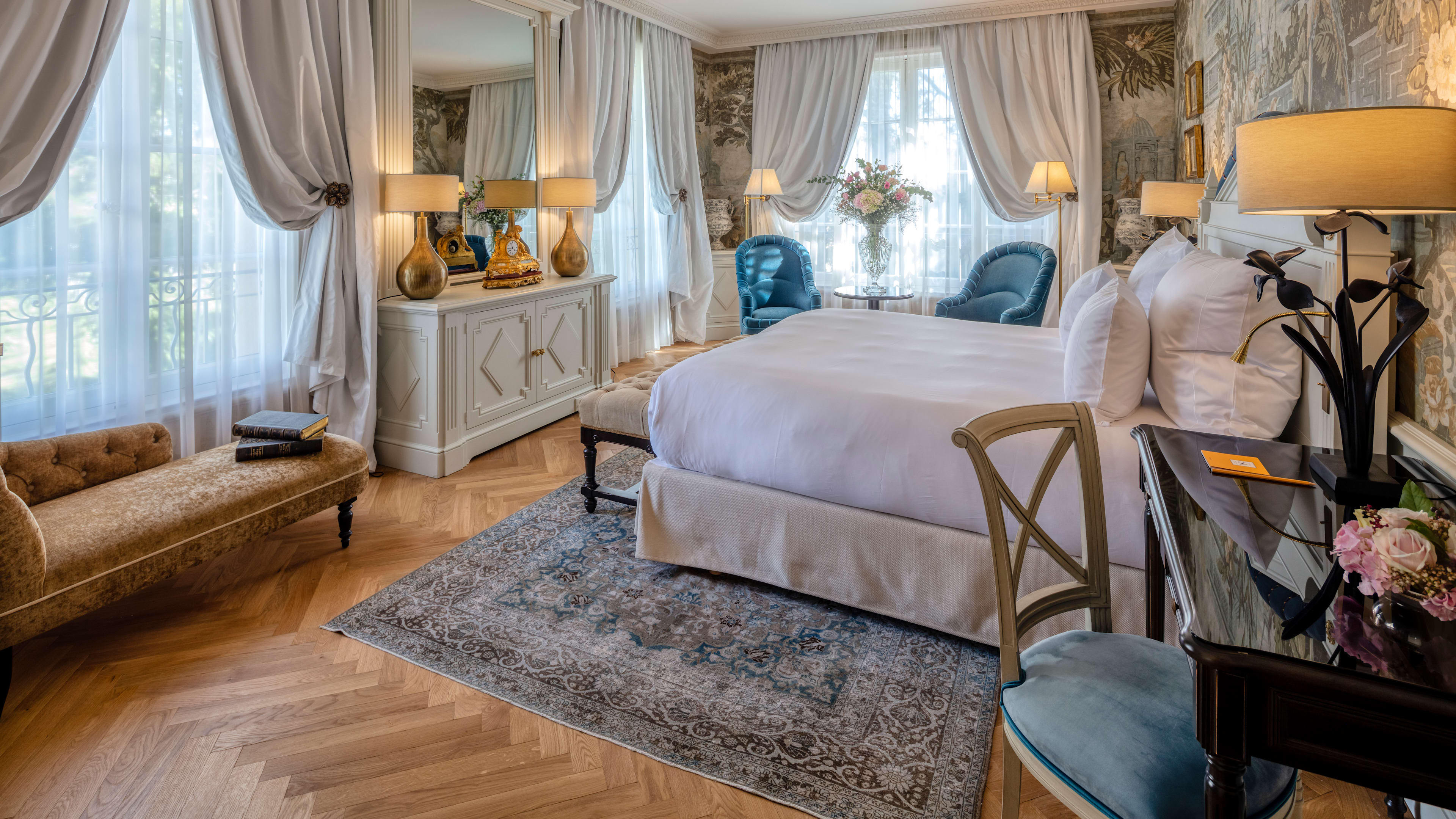
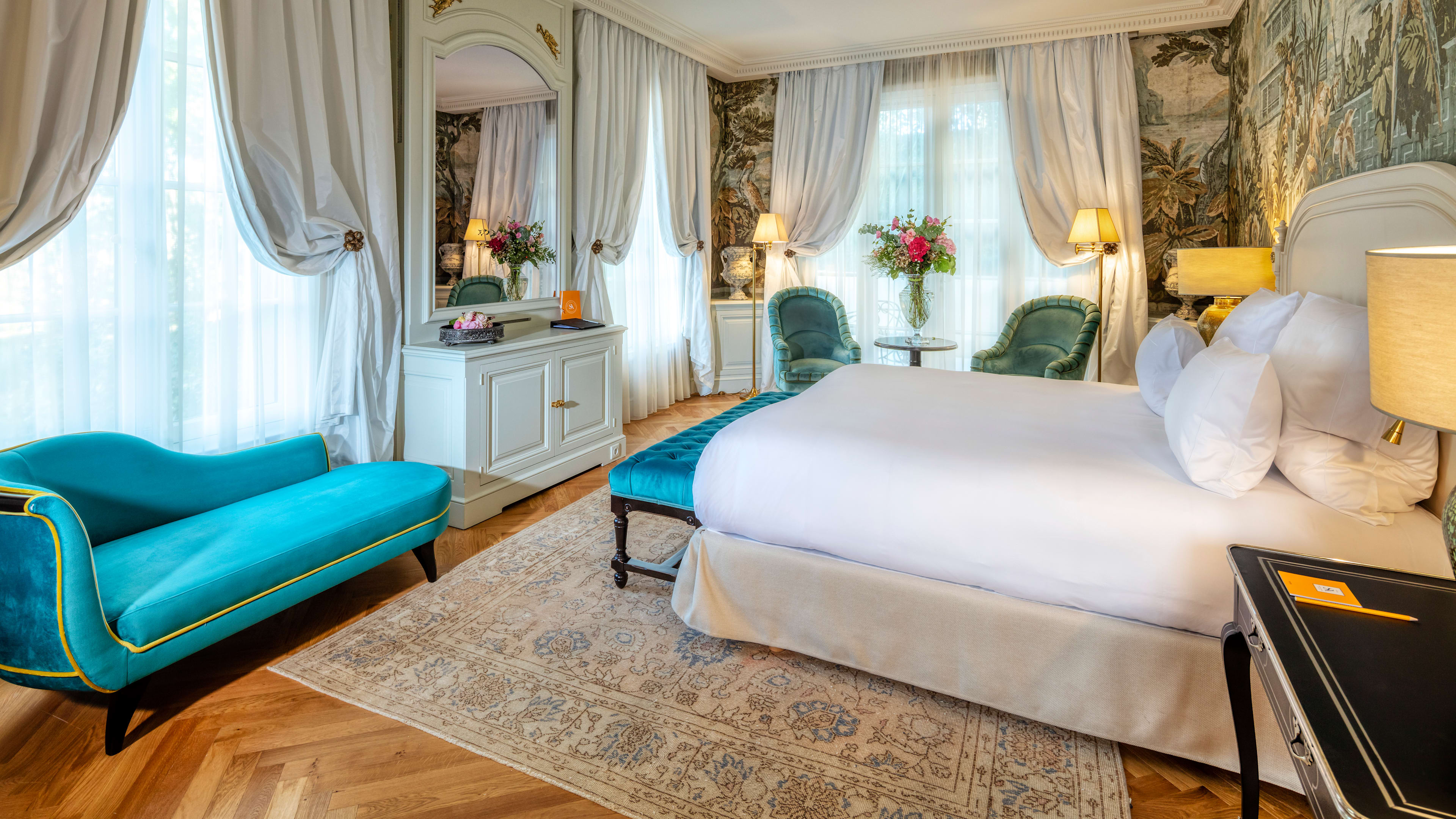
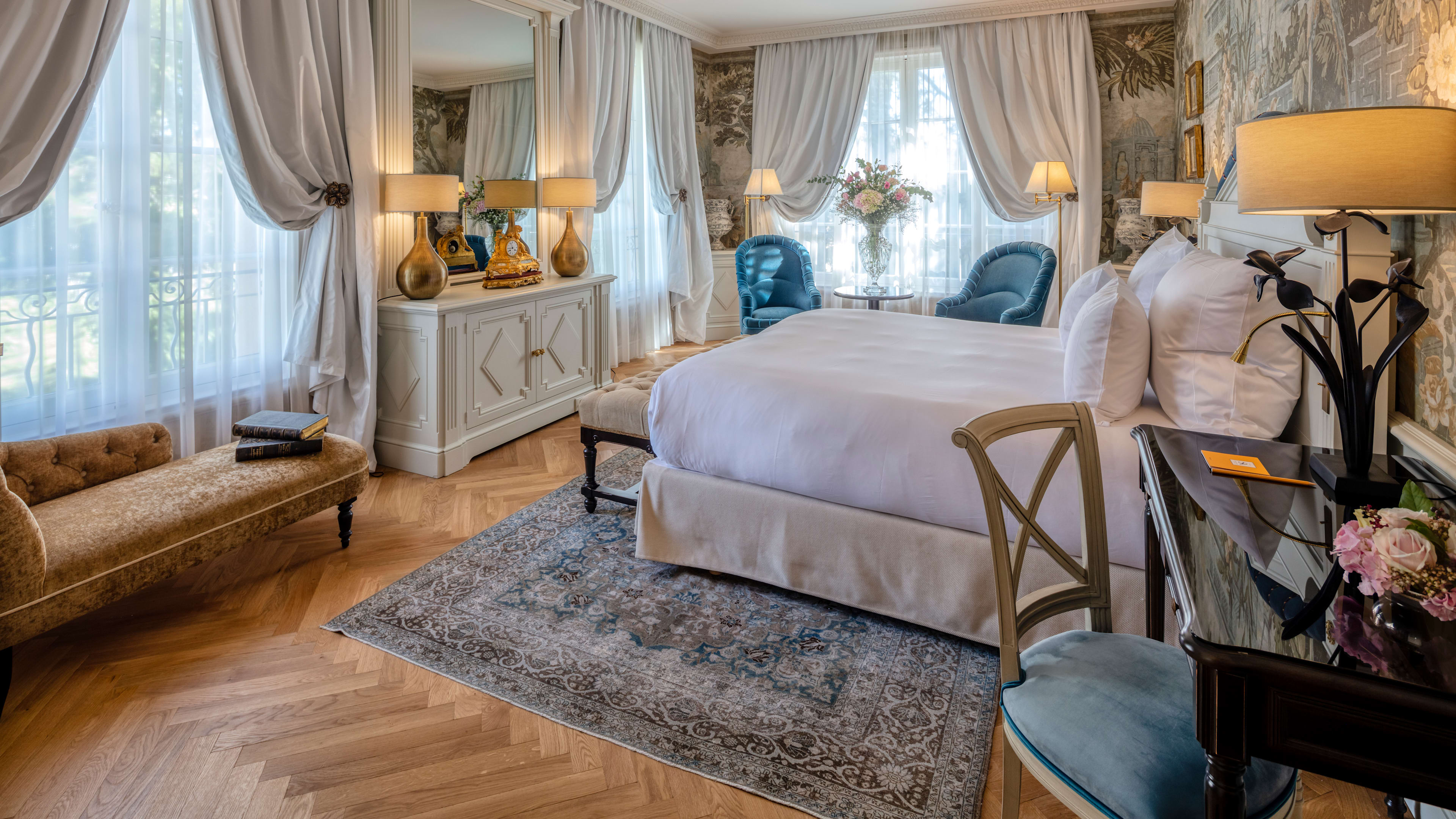
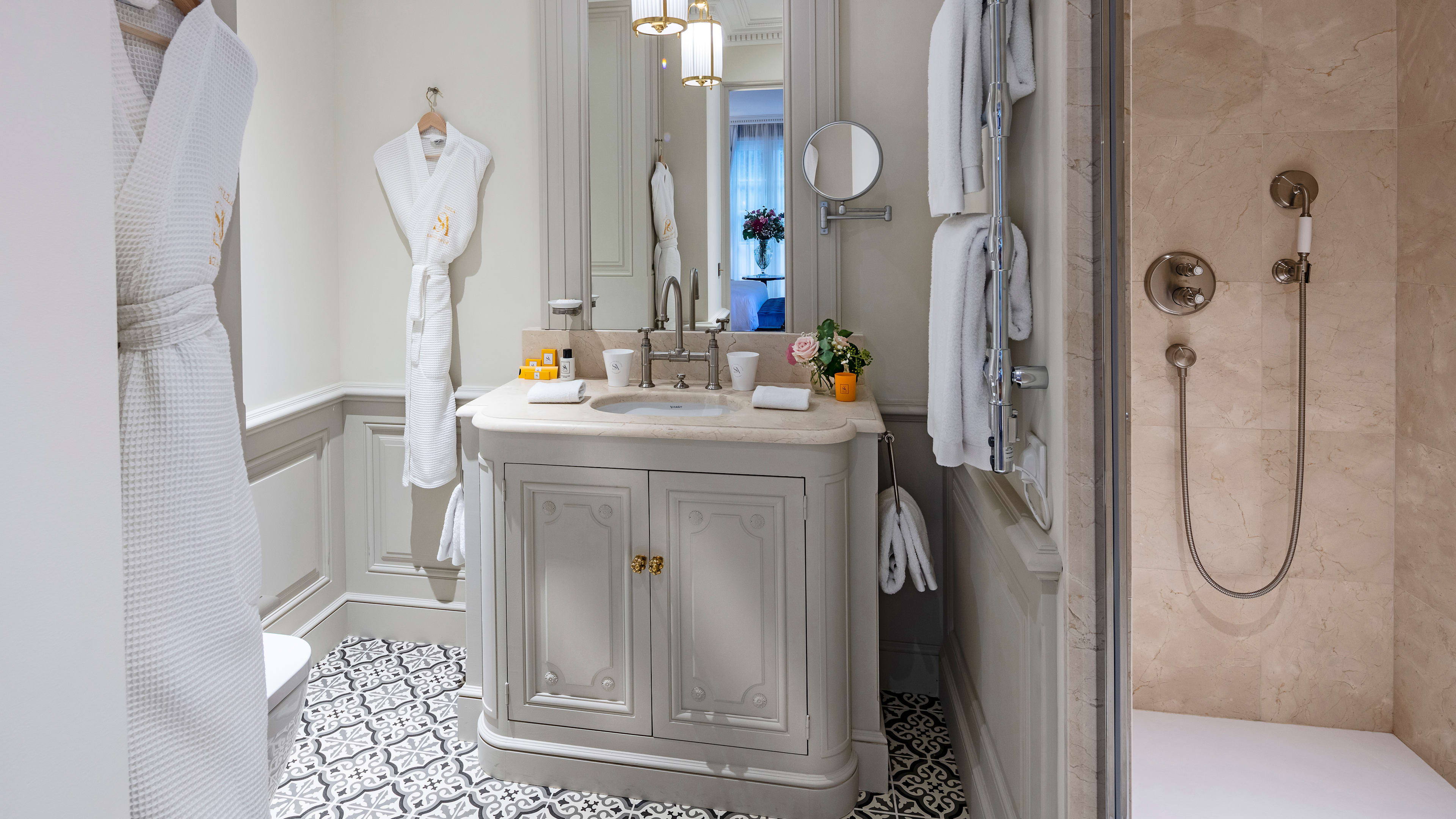
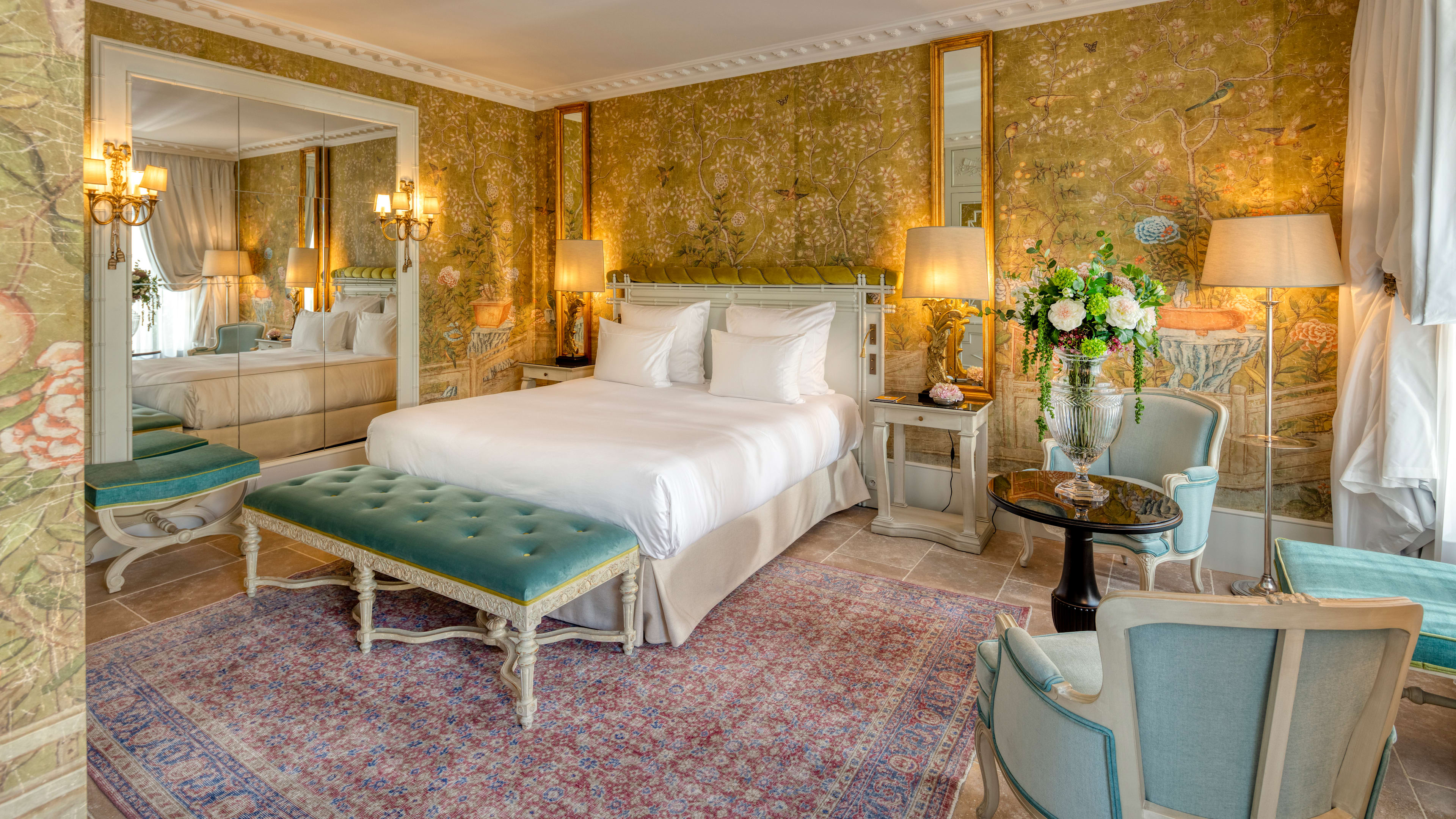
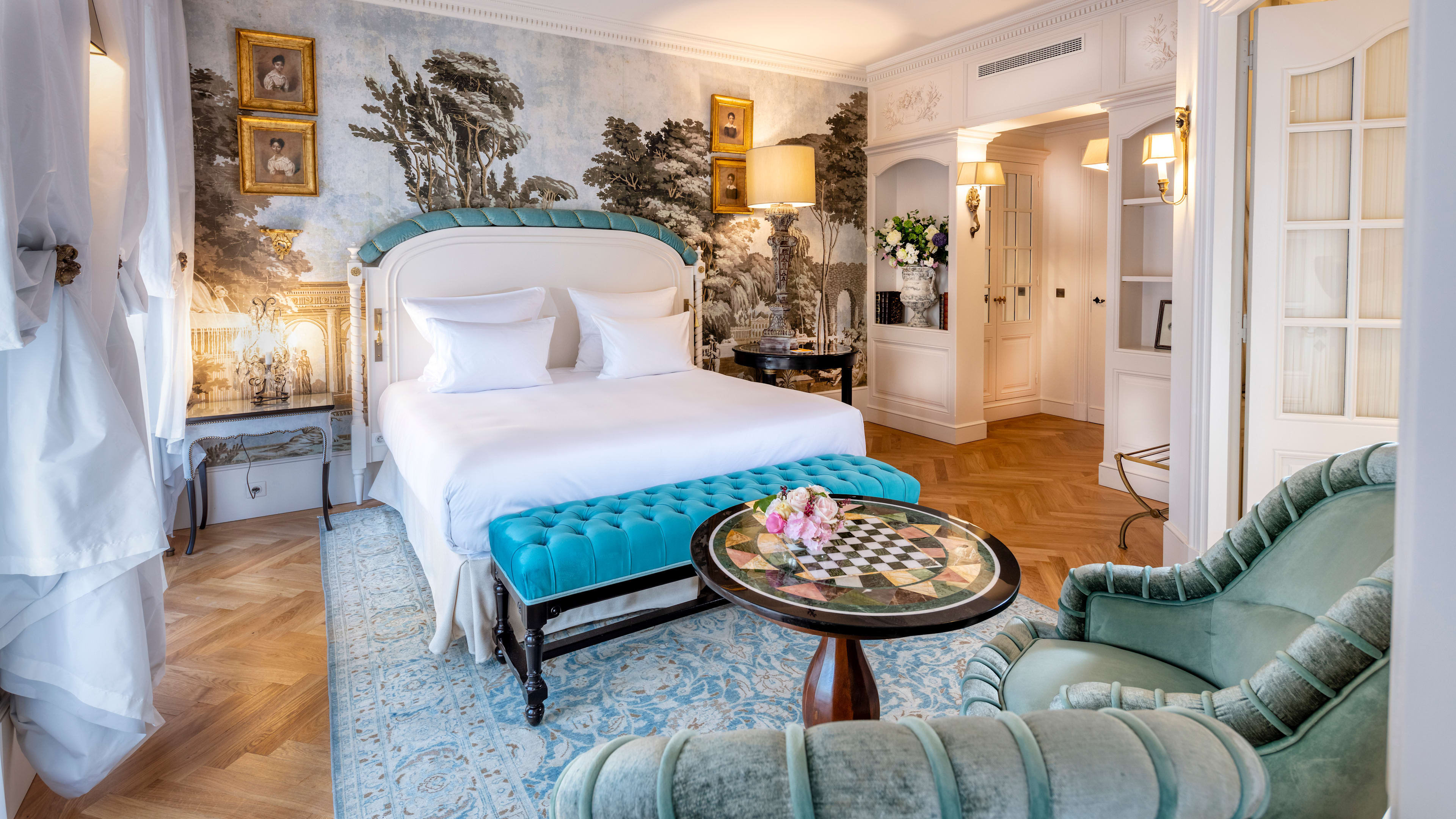
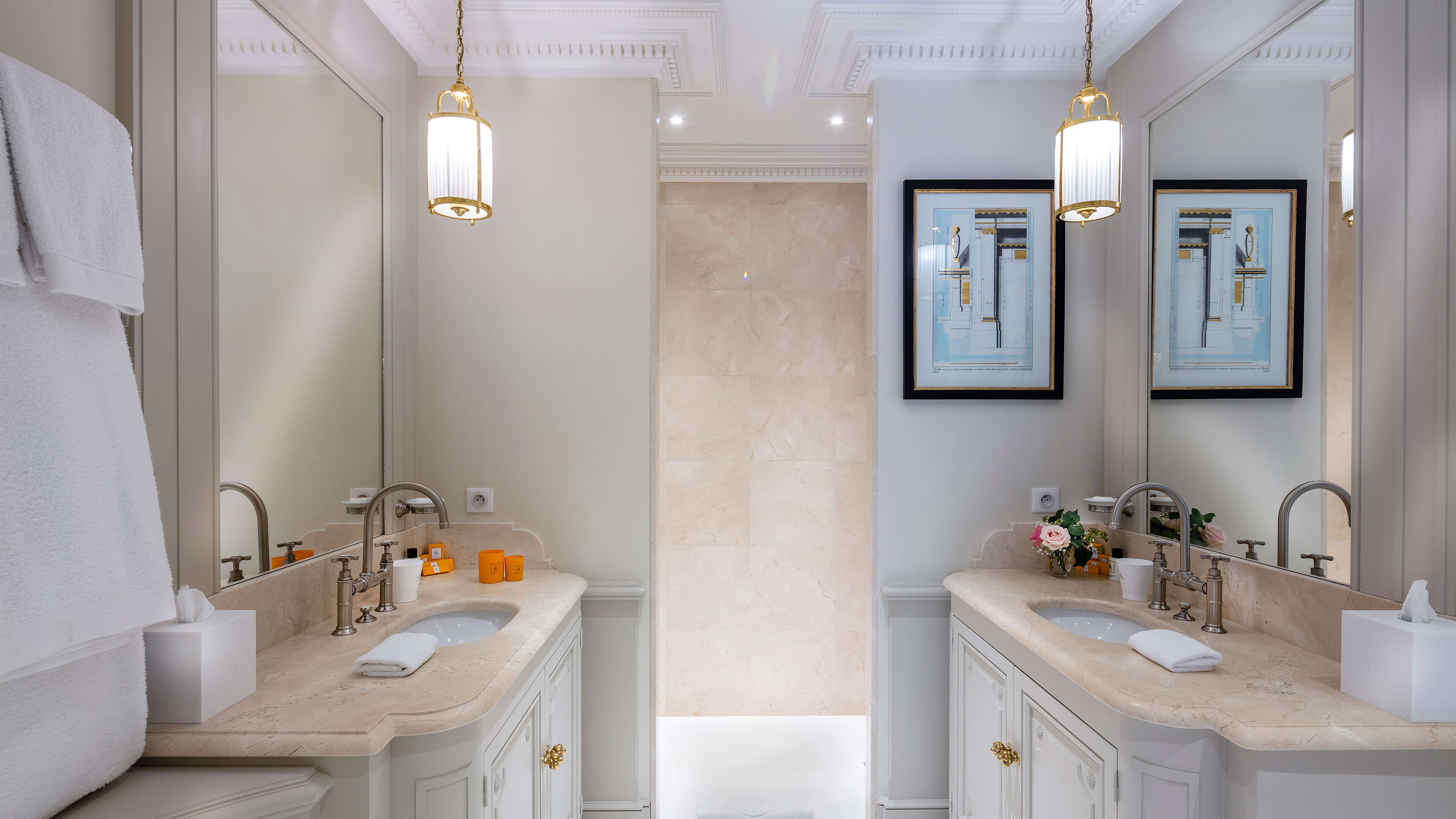
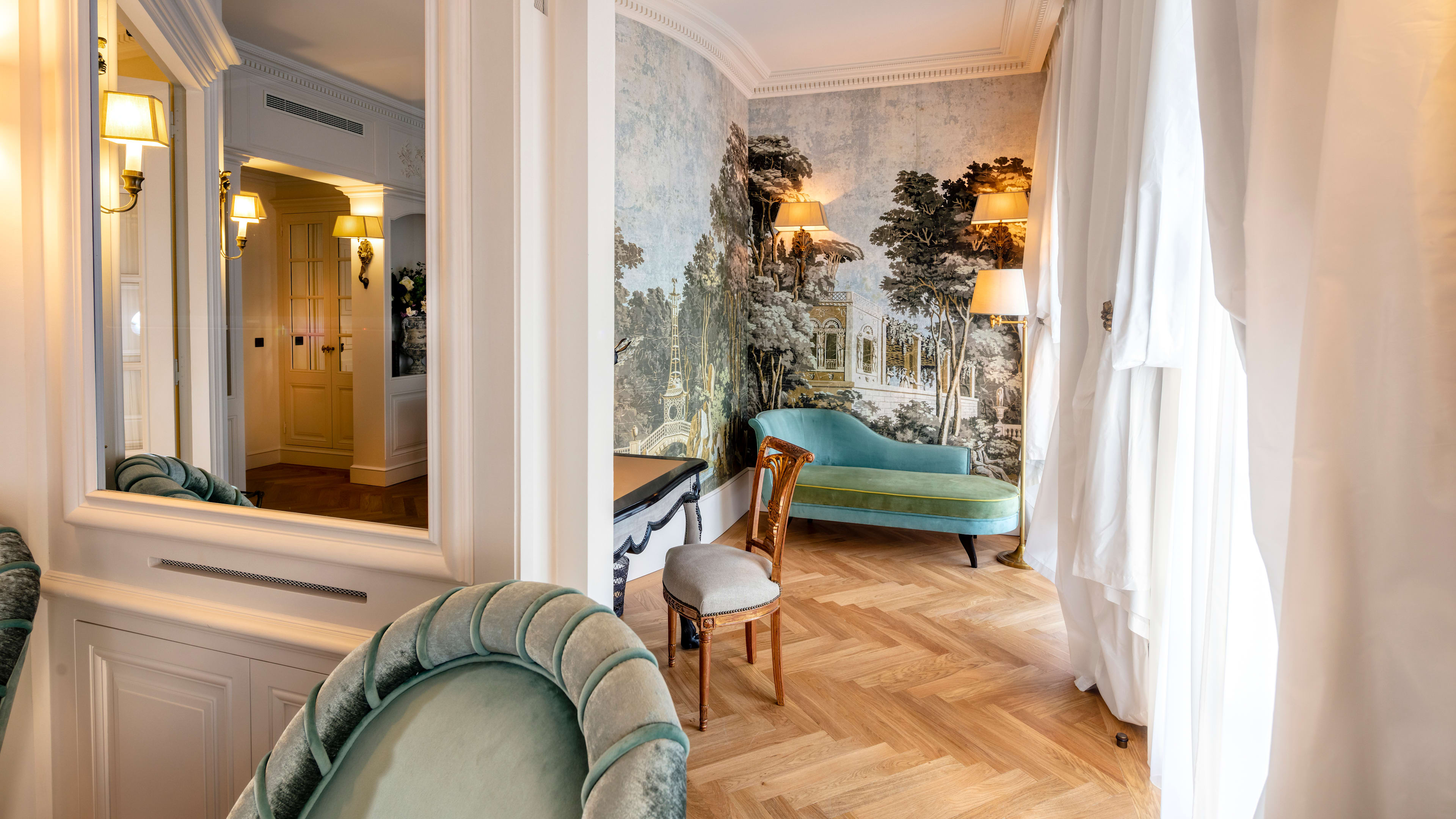
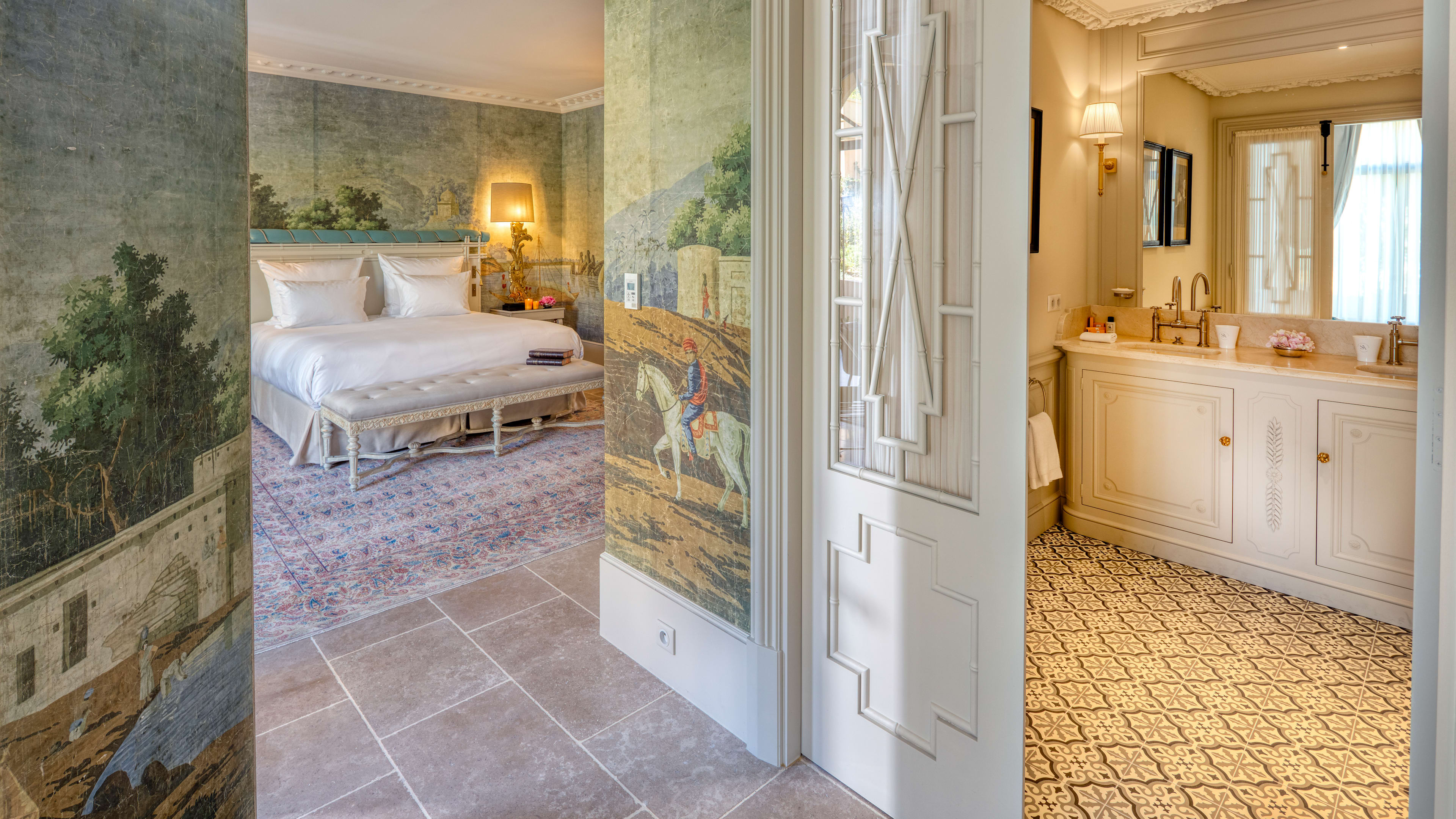
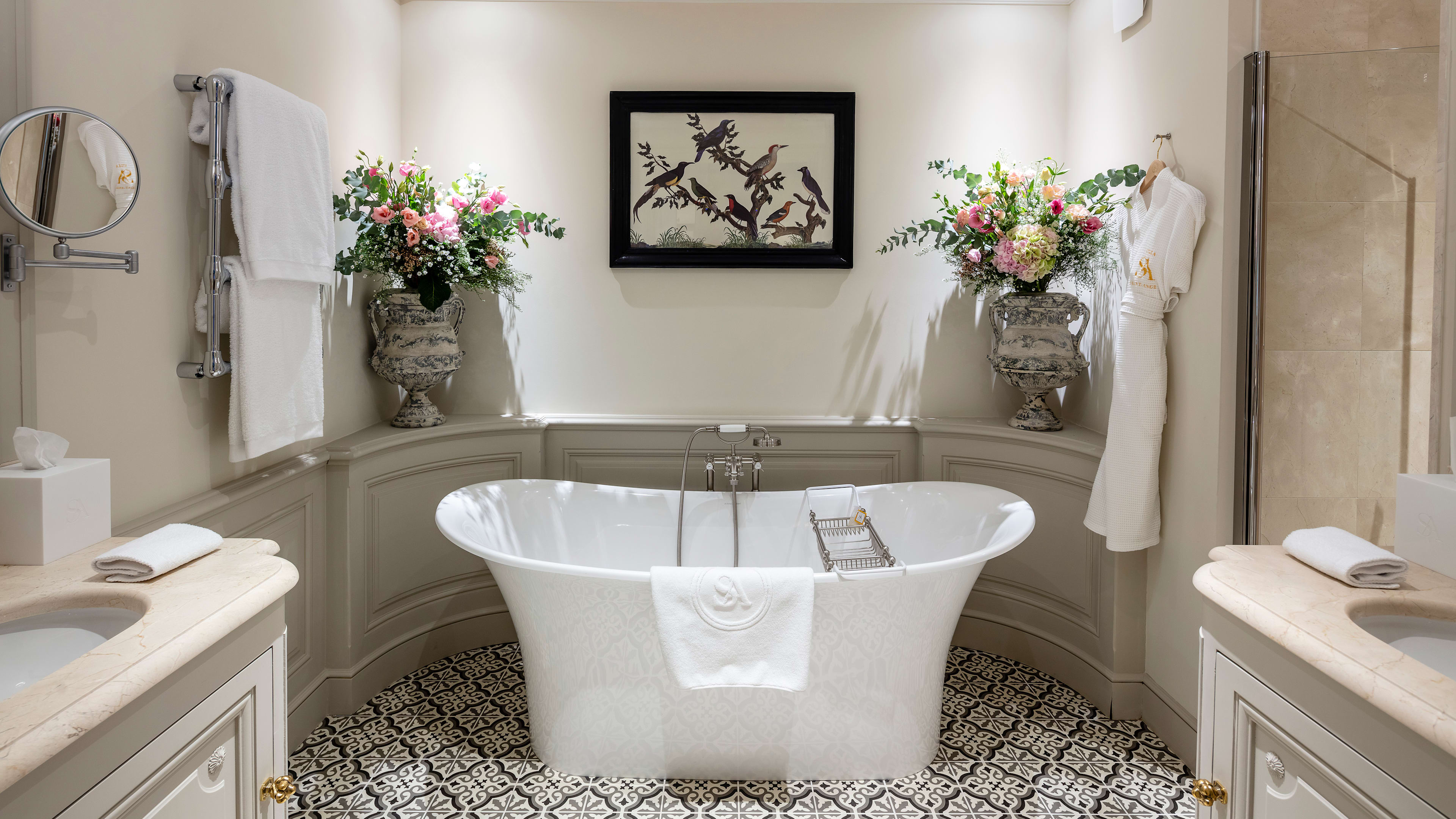
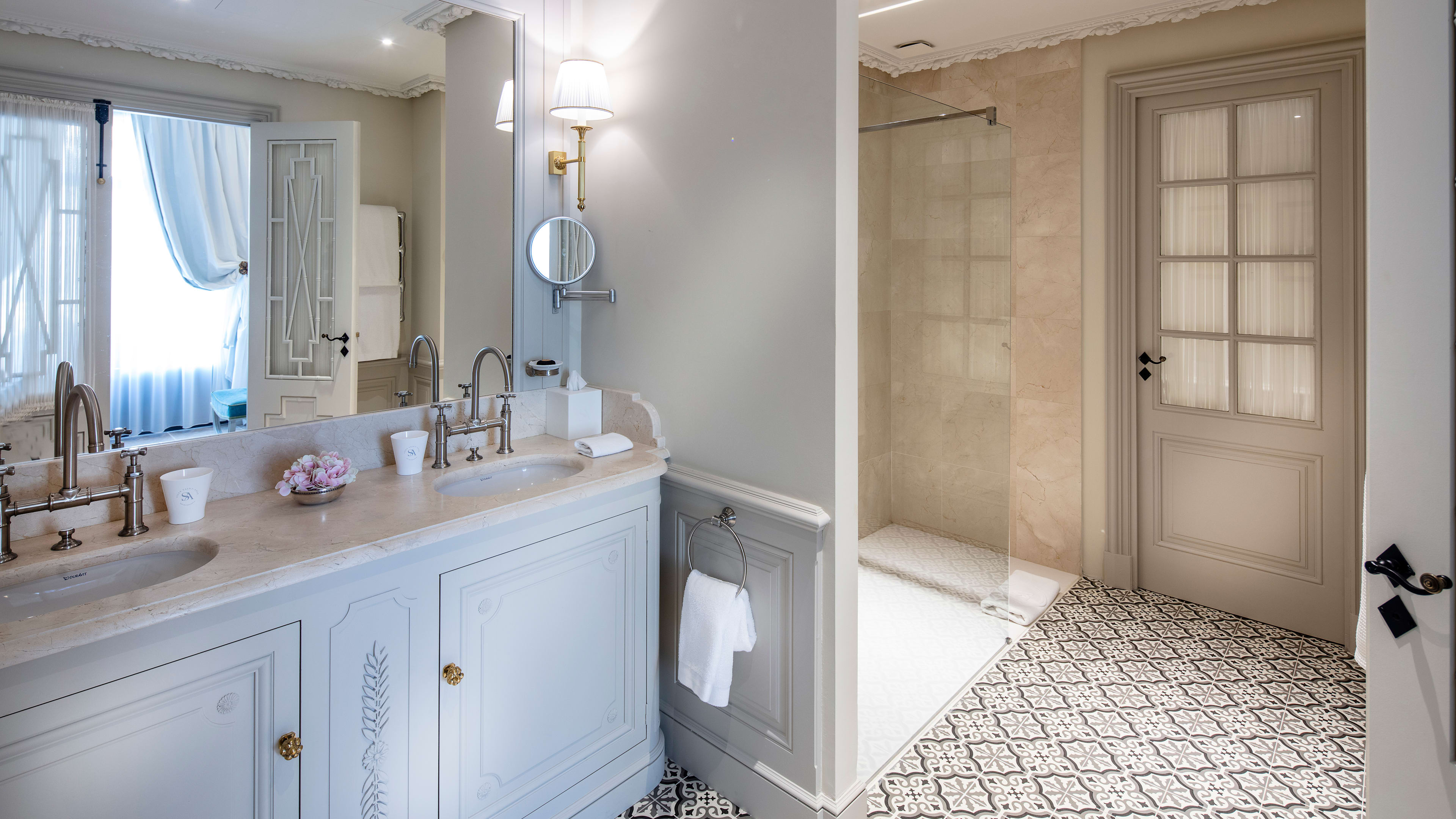
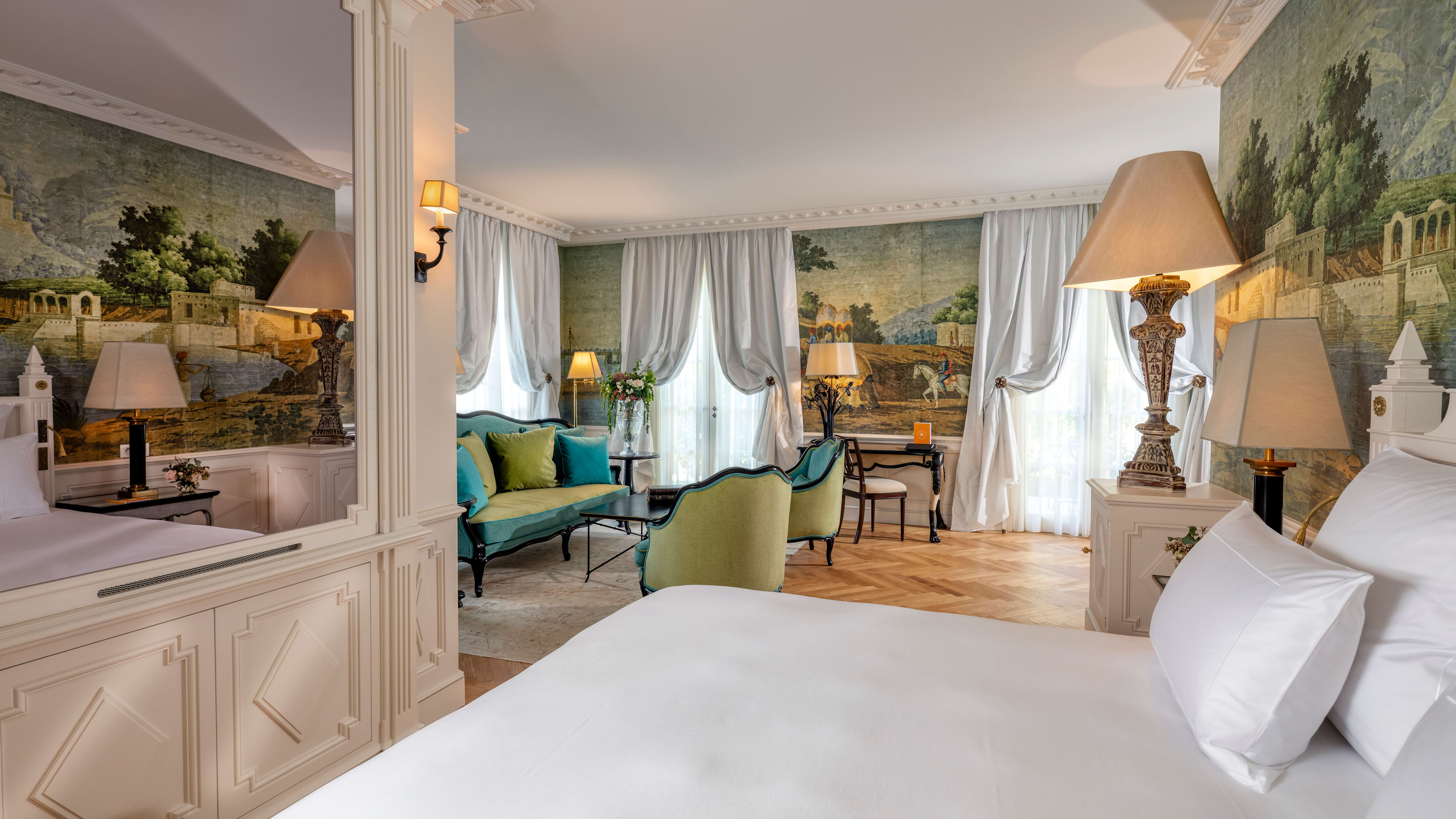
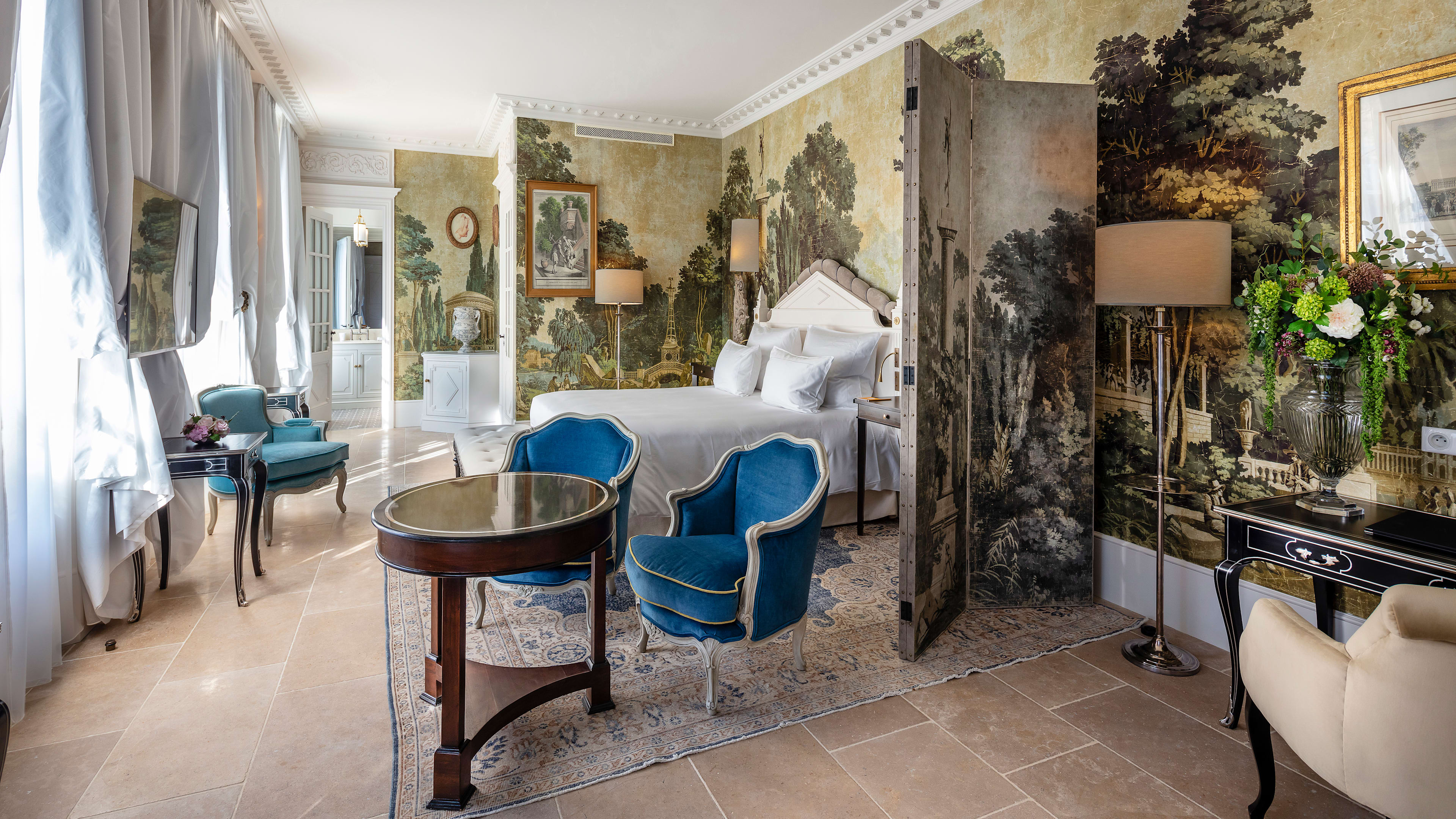
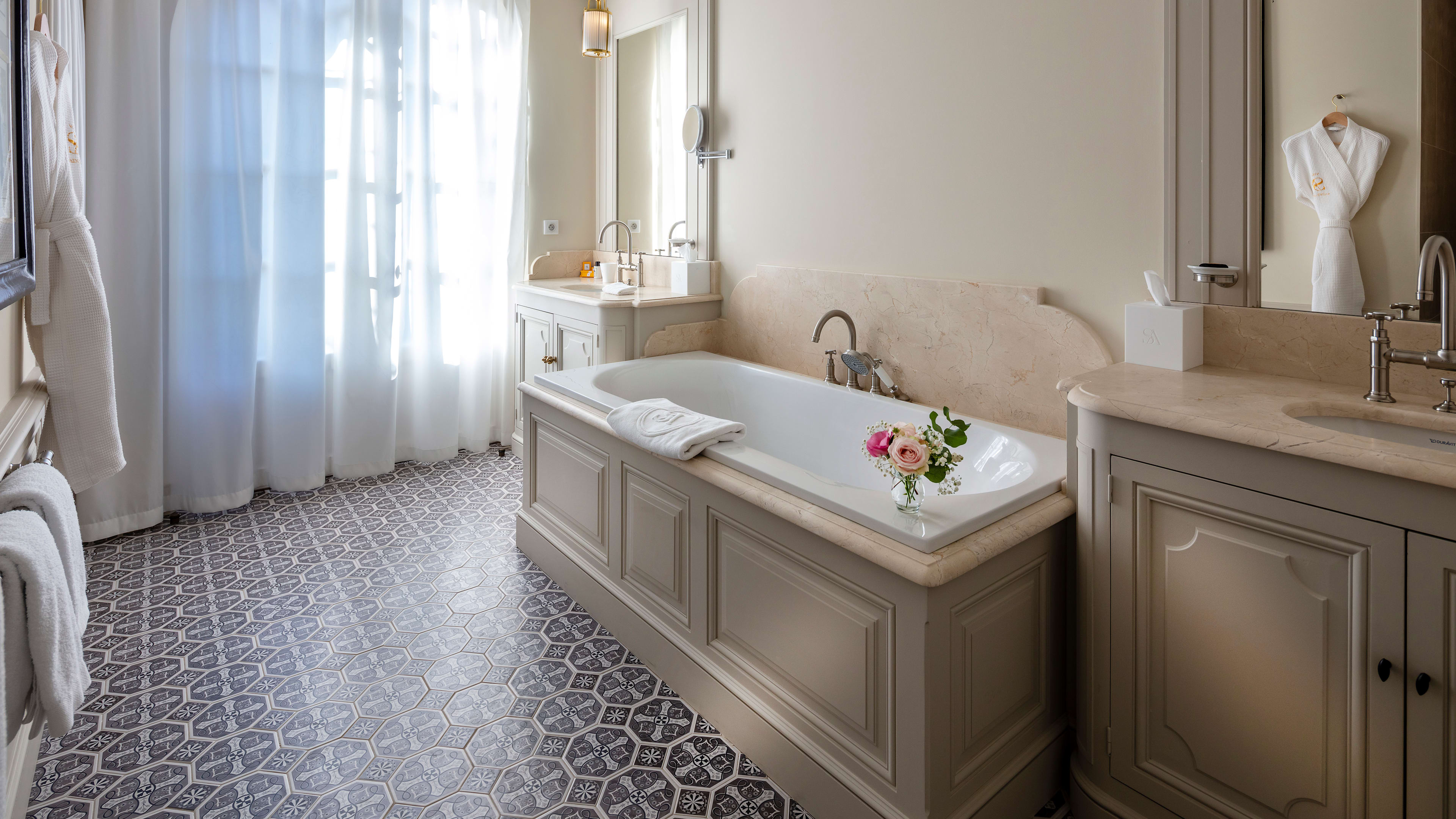
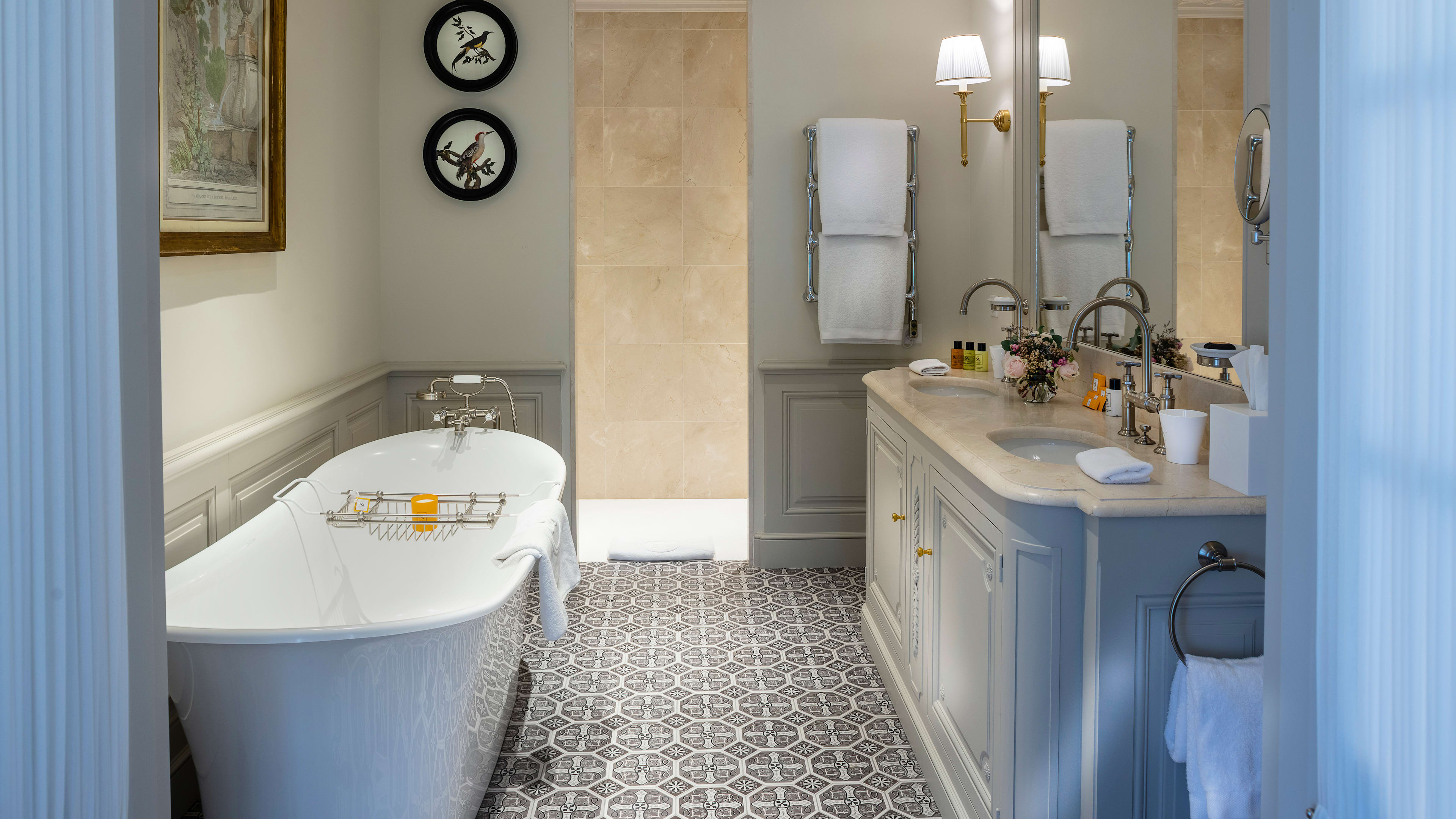
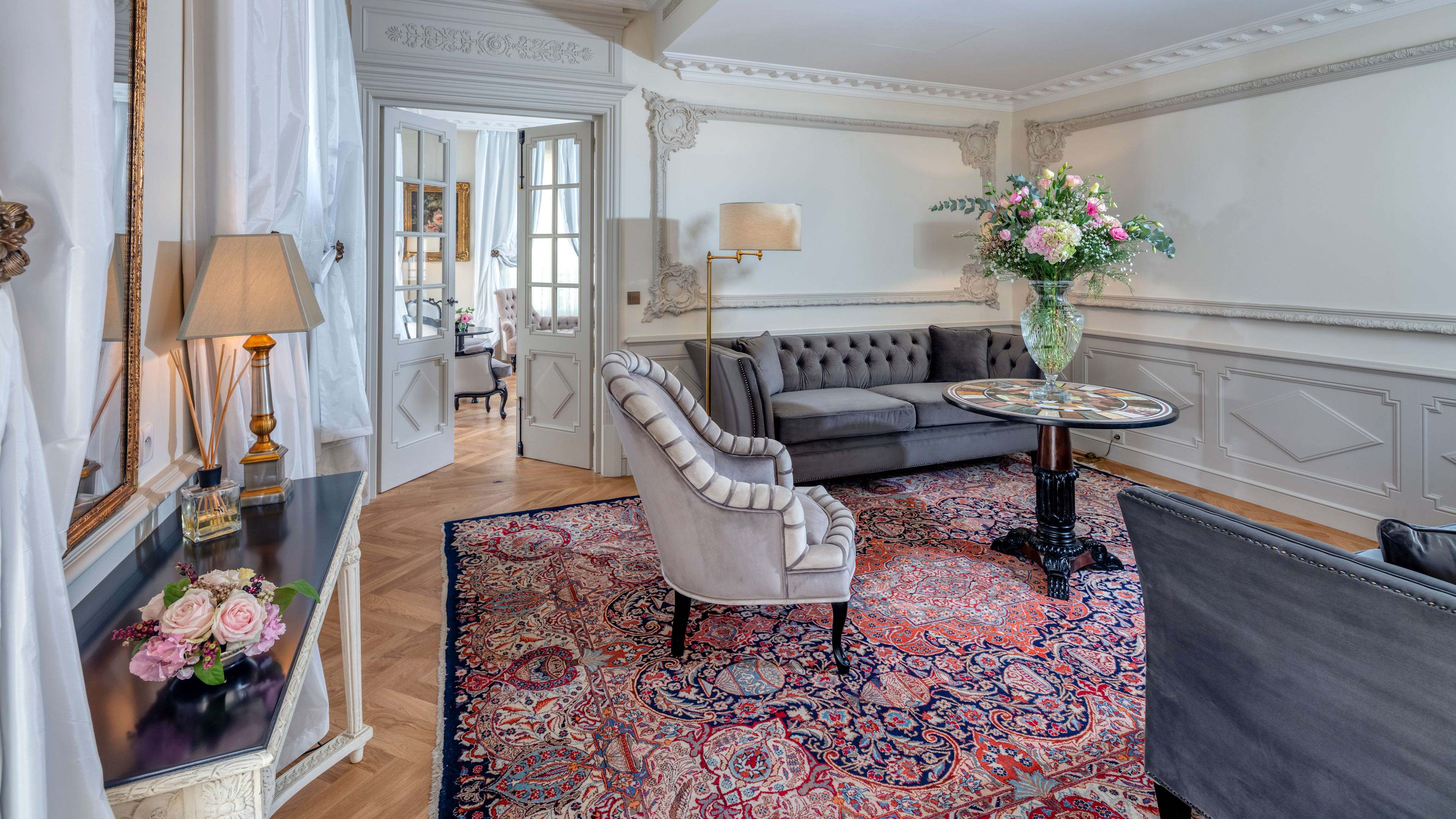
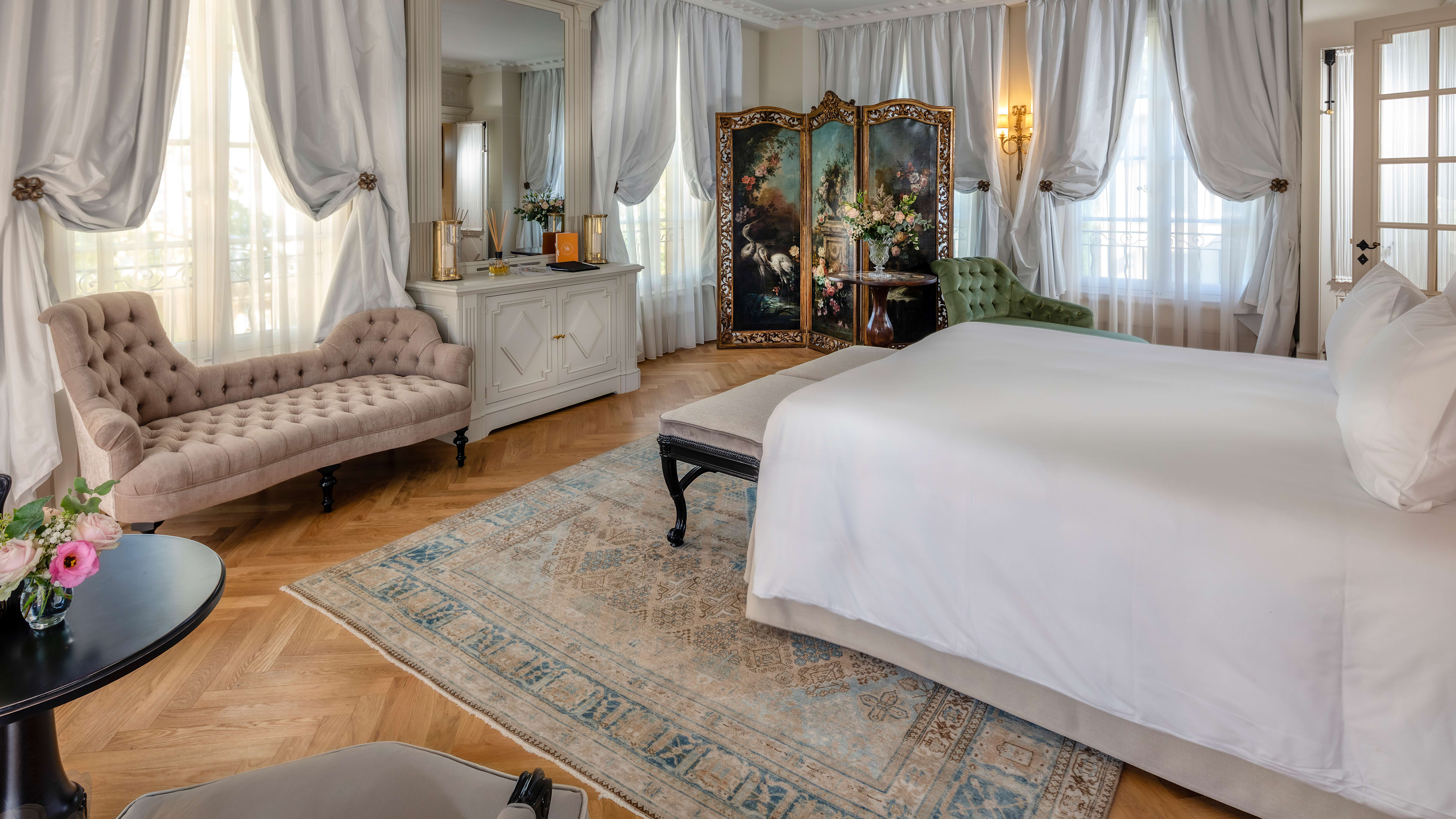
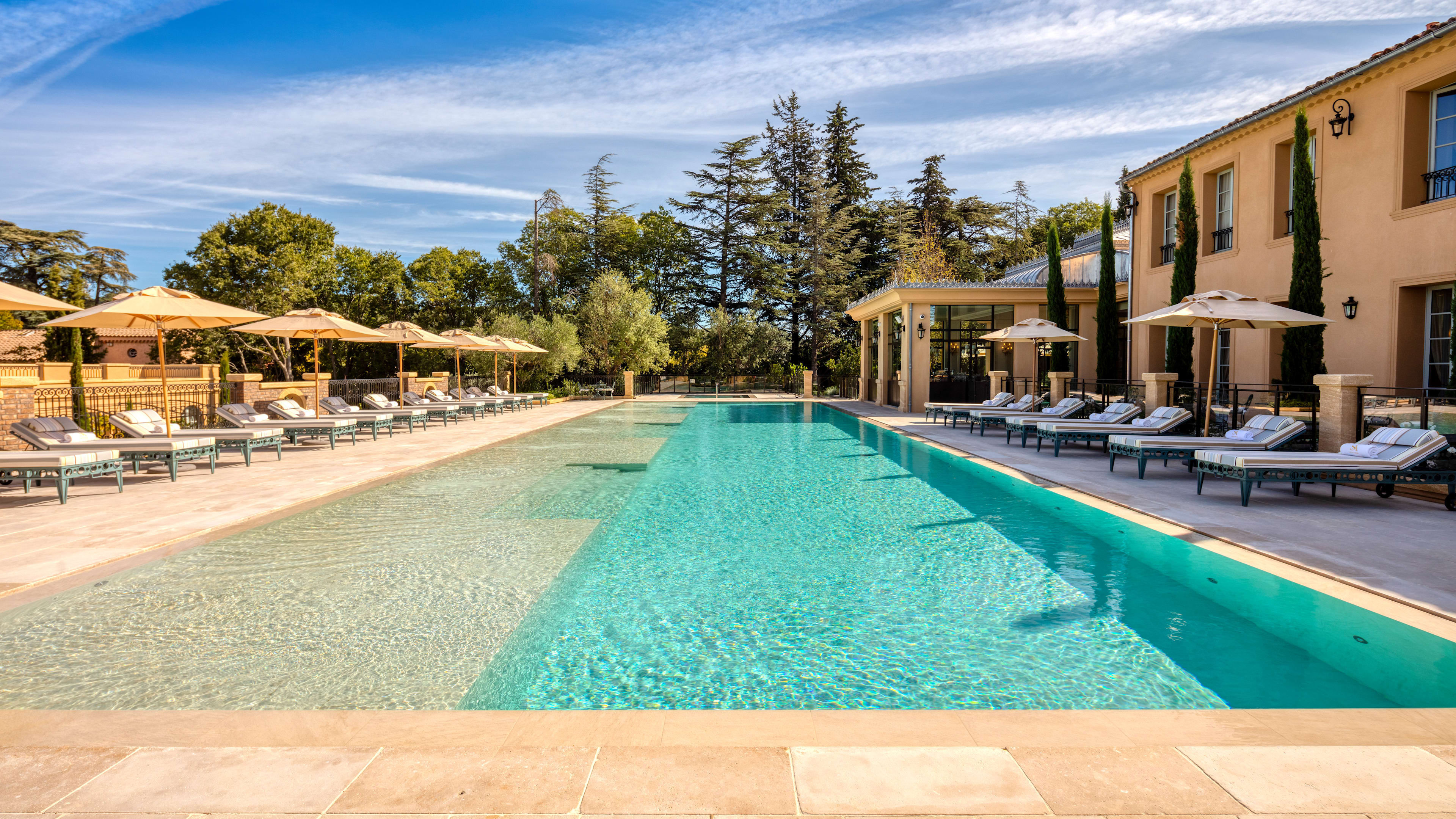
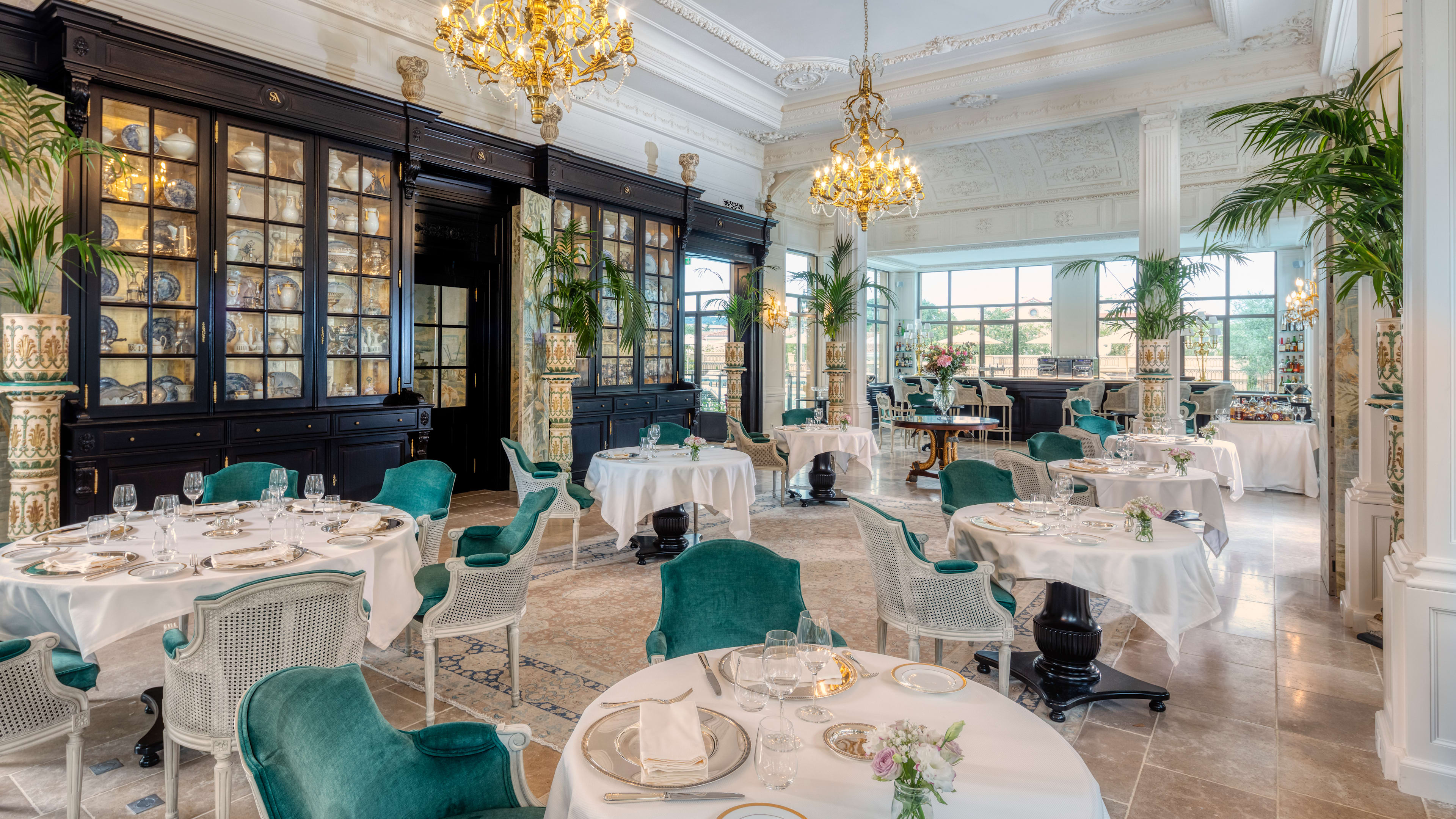
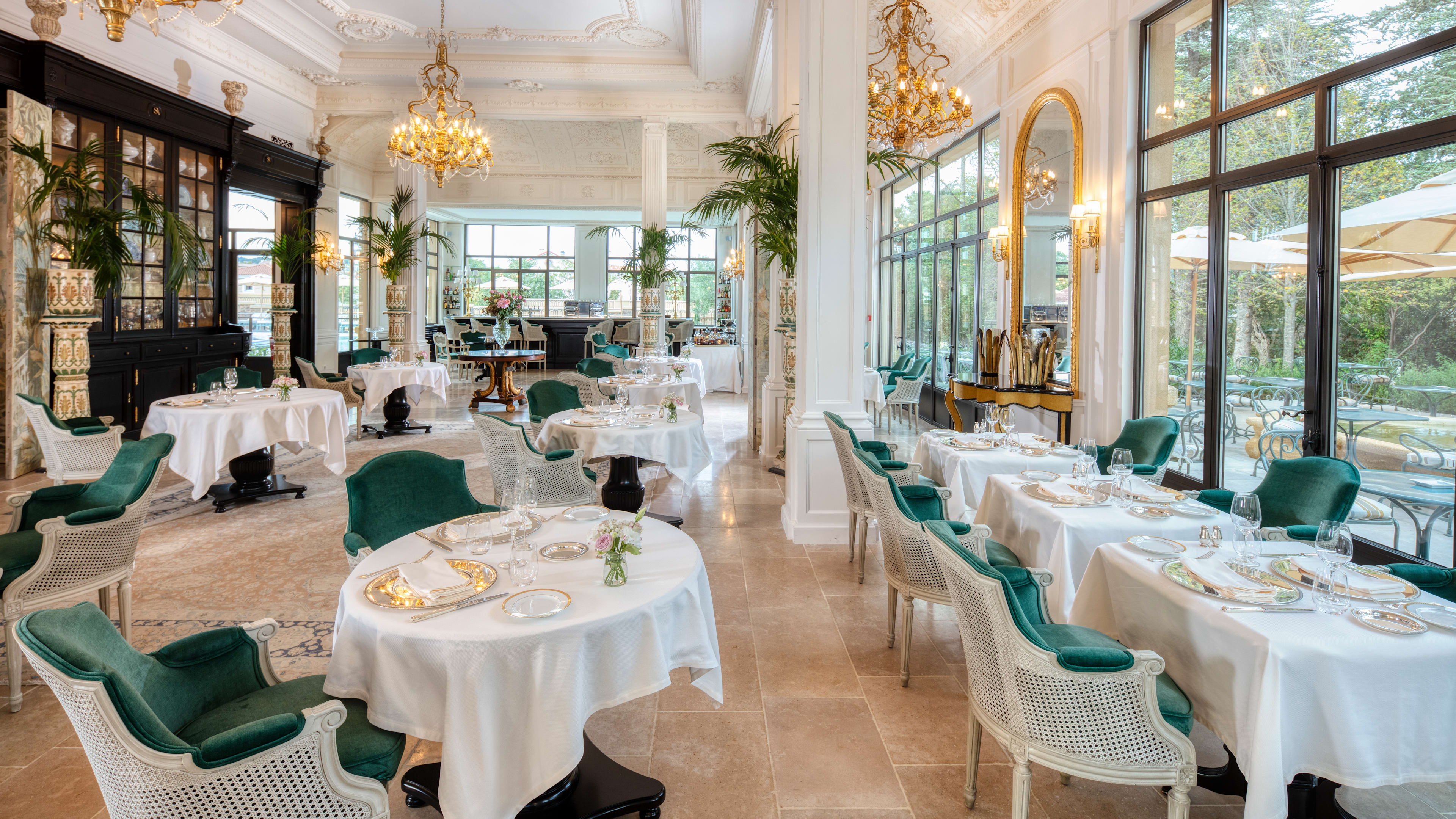
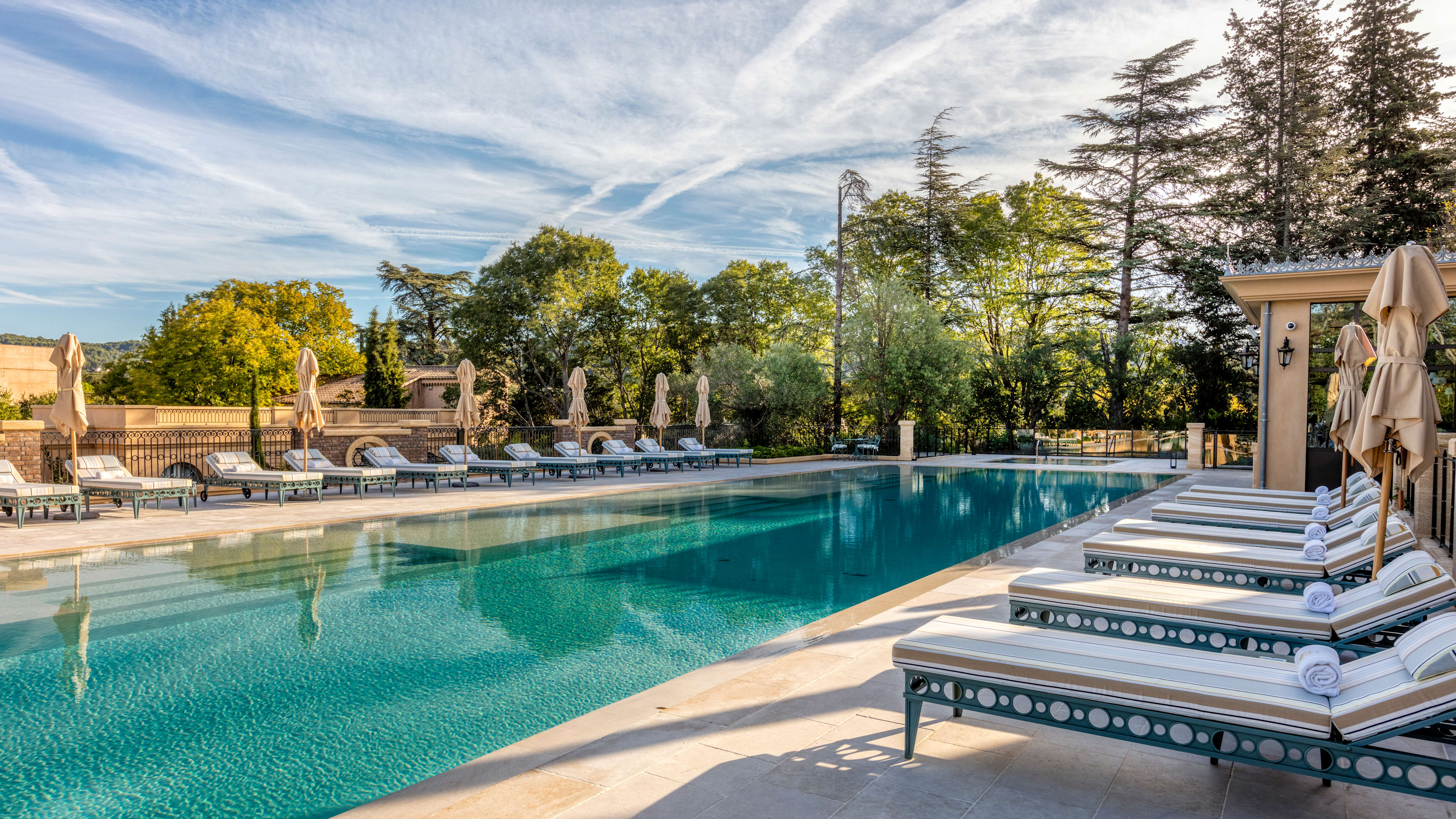
Villa Saint-Ange channels the splendour of Aix-en-Provence’s honey-toned hôtel particuliers, reviving their 18th-century looks and salon-esque atmosphere. The hotel is minutes from the city’s central boulevard, the Cours Mirabeau, but its sun-soaked terraces, Mediterranean gardens and 28-metre pool will soon have you questioning whether you’re in a city at all. The elegant rooms are an ode to the 18th century, dressed with chevron parquet floors, Persian rugs, silk curtains and a hand-picked selection of art and antiques. Downstairs, you can sip fine tea in the salon, sample artist-inspired cocktails at the bar and discover the true taste of Provence in the restaurant, a light-flooded conservatory with glass walls and a soaring Second Empire ceiling.
Planes
The best place to touch down is Marseille, which can be reached directly from all over Europe, including London Heathrow, Manchester and Edinburgh airports.
Trains
The Aix-en-Provence station, where high-speed TGV services arrive, is a 15-minute drive from the centre of town. Trains from Lyon take an hour; from Paris, it’s three hours. If you’re coming from London, you can take the Eurostar as far as Marseille, where you can catch a connection to Aix-en-Provence’s regular SNCF station, which is right in the centre of town.
Automobiles
There’s little call for a car if you’re planning on sticking within the city limits, as the main attractions are within walking distance. That said, Aix is surrounded by countryside that has inspired generations of artists and featured in some of their most famous work – a solid case for a day trip if ever we heard one. If you have brought wheels, the hotel has valet parking for €30 a night.
Worth Getting Out of Bed For
With the hotel so close to the action, you’ll likely spend most of your time wandering Aix’s historic centre, admiring its grand, honey-toned townhouses, sipping café au lait on tree-lined avenues and tracing Cézanne’s legacy through its galleries. When you’re in need of a breather, the hotel’s placid pool and tree-lined terraces are within easy reach.
Cézanne might be Aix’s most famous resident, but his hillside home in Les Lauves isn’t the only interesting house in town. Equally individual is the hôtel particulier that belonged to Paul Arbaud, a scholar who devoted his life to collecting books and covetable objects, all of which are now displayed at the Musée Paul Arbaud in the Mazarin quarter. The Hôtel de Caumont is another prime example of Aix’s 18th-century architecture, and hosts regular art exhibitions. In summer, the gallery is given over to the work of a single artist; in winter, touring collections adorn the walls. A true taste of Provence can be found at the Musée du Calisson, devoted to the history of the calisson, a Provençal sweet made with candied fruit and almond paste. The museum shares the same almond-tree-studded grounds as the Le Roy René factory, where the classic candy has been made since 1920. Alongside calissons of every sort, the factory shop is stocked with a selection of regional sweets, including nougat, biscuits, sugar-coated almonds and jams. If you’re up for a day trip, consider the town of Saint-Rémy-de-Provence, a long-time favourite of the Parisian artistic set. Charming in its own right, Saint-Rémy is associated with Van Gogh, who was a patient at the town’s psychiatric hospital for a year, producing some 150 canvases during his time there.