Yurbban Passage Hotel & Spa
Contemporary craftsman
Former textile factory
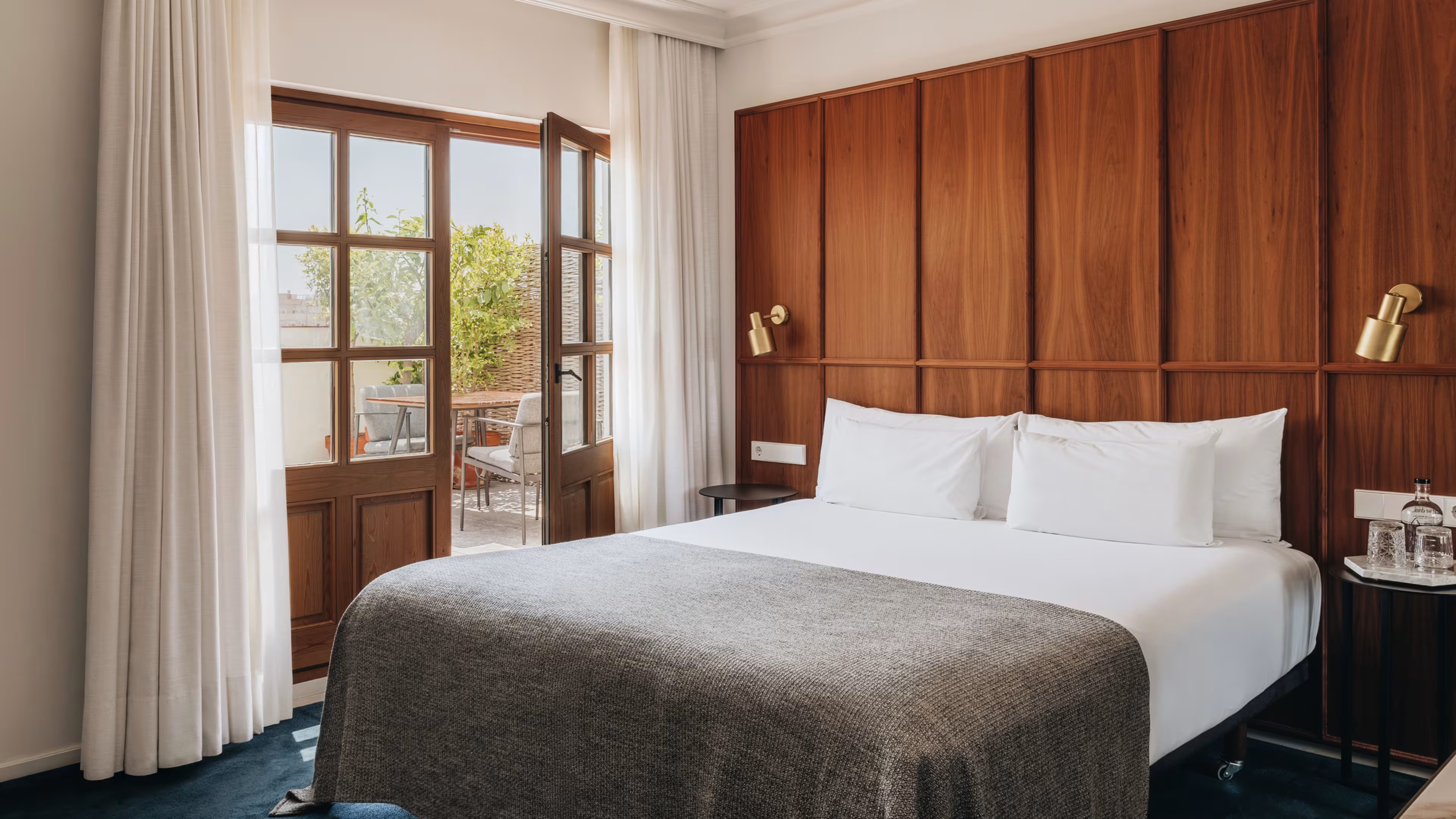
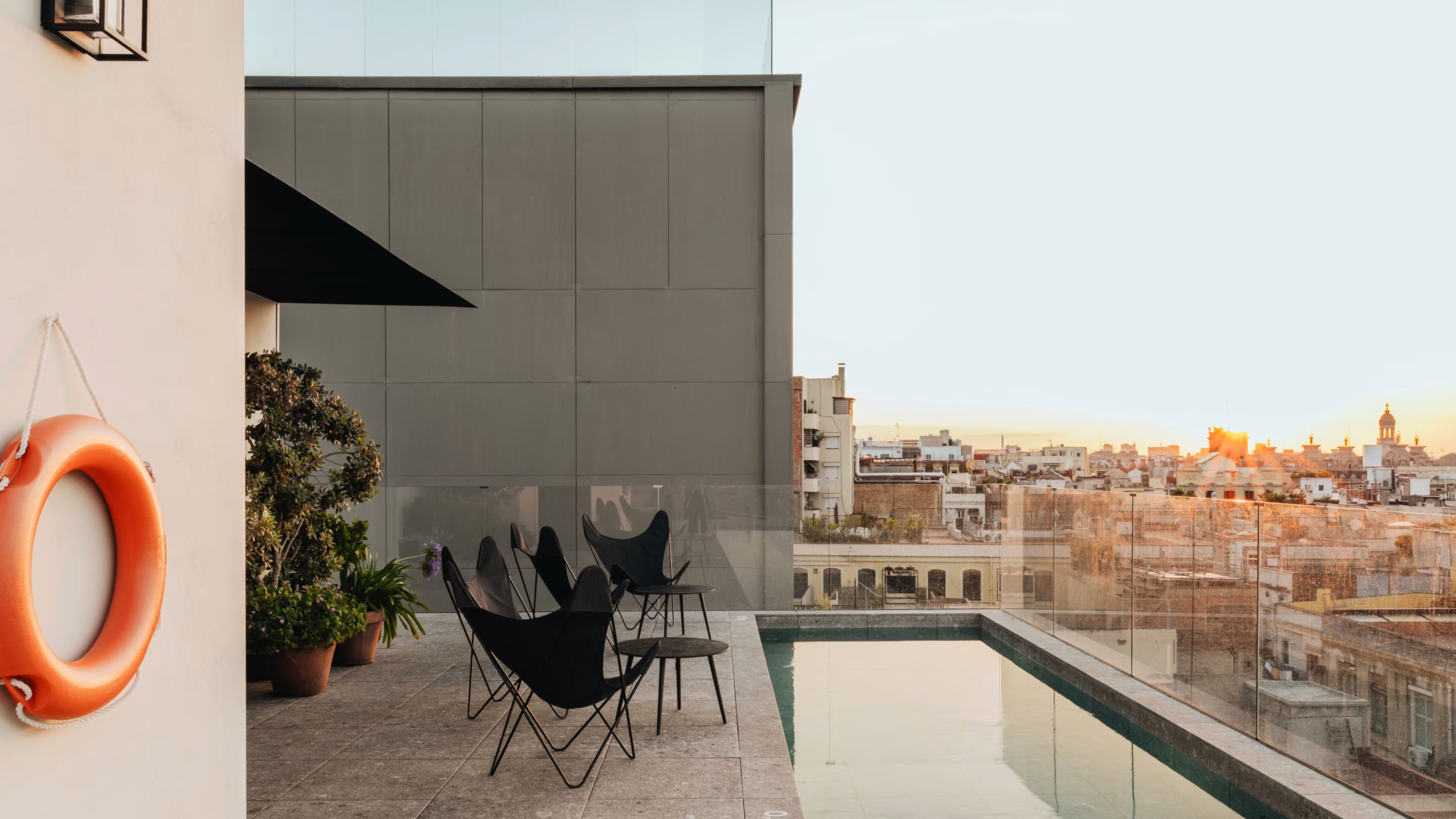
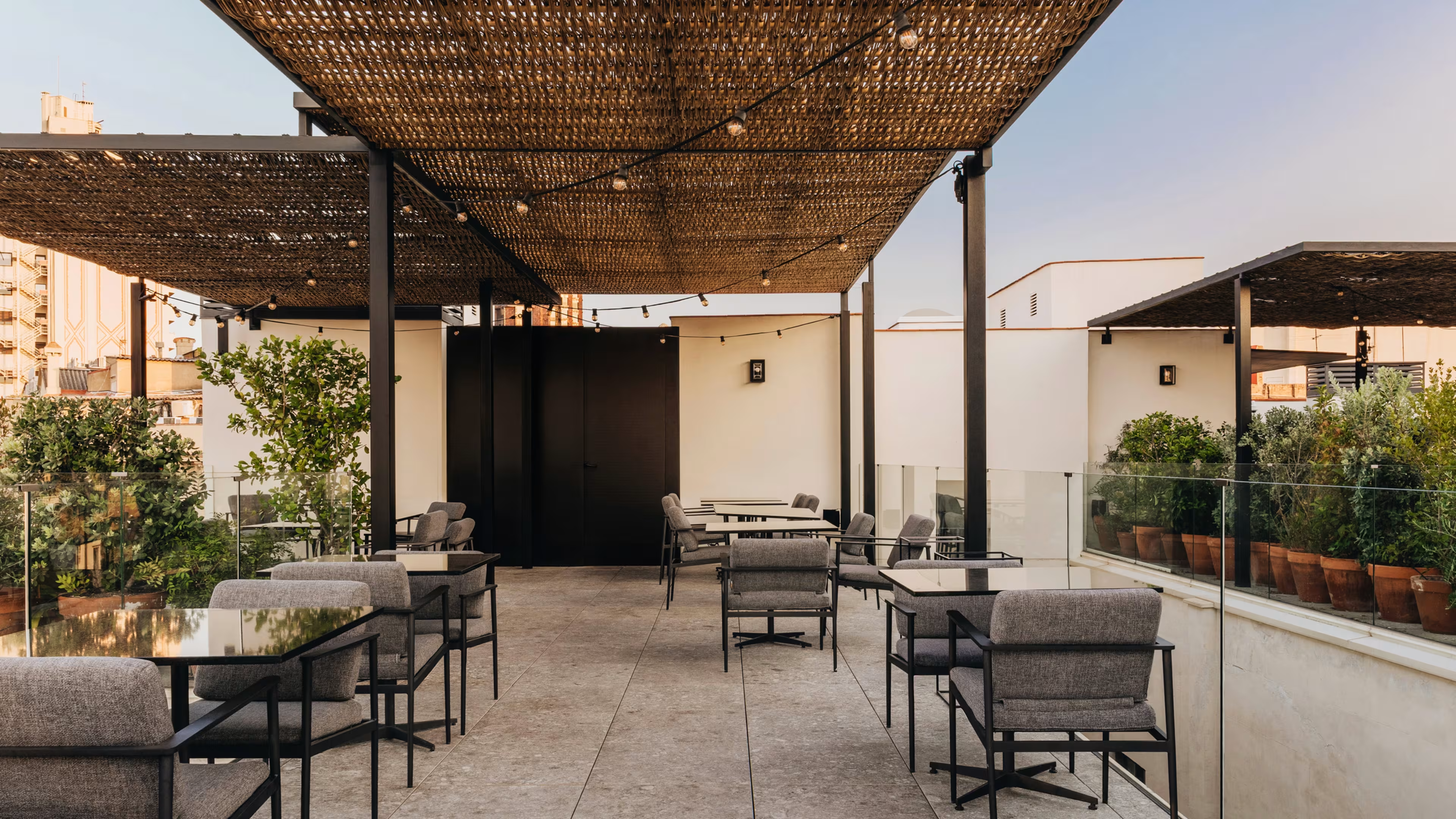
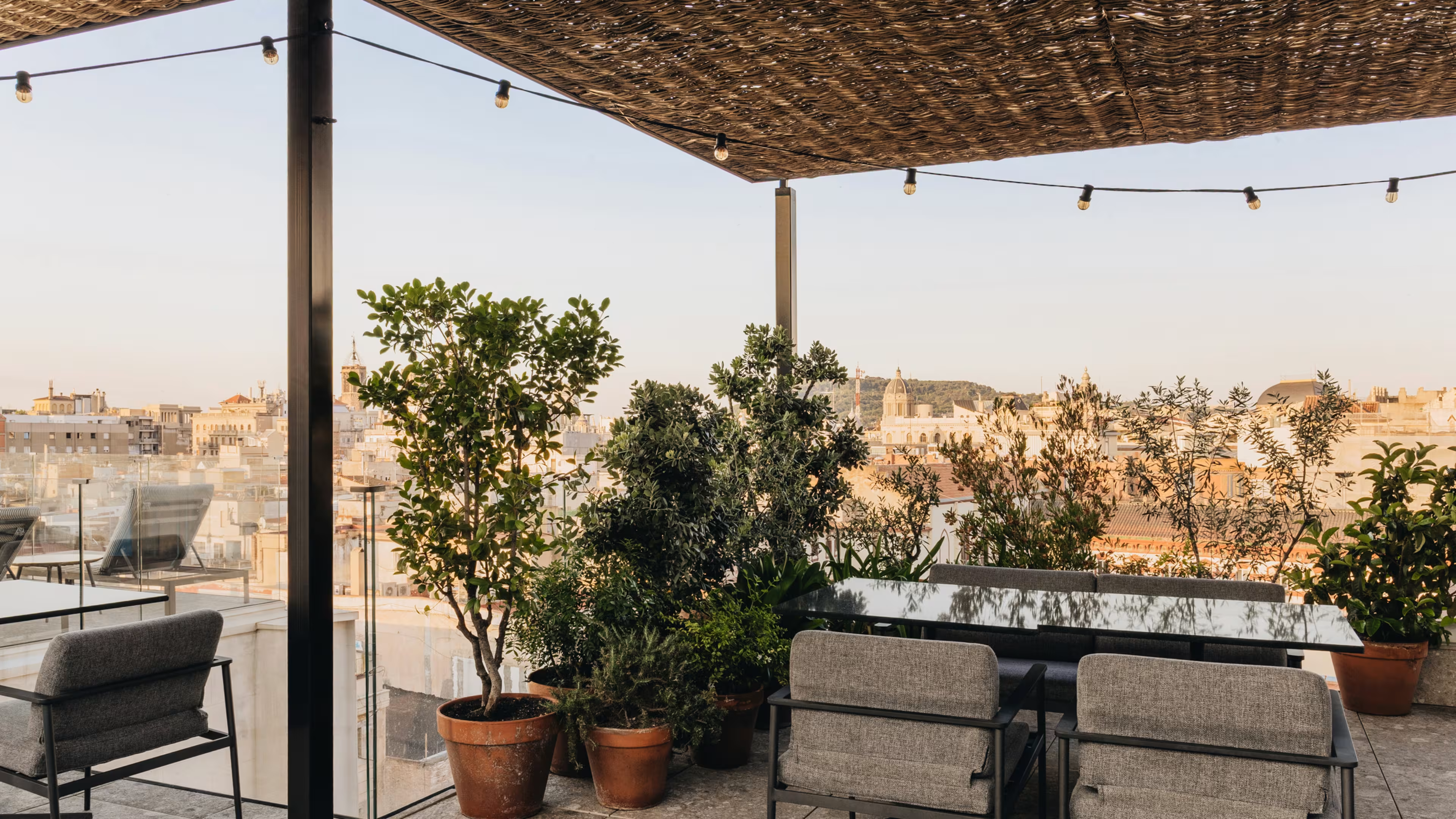
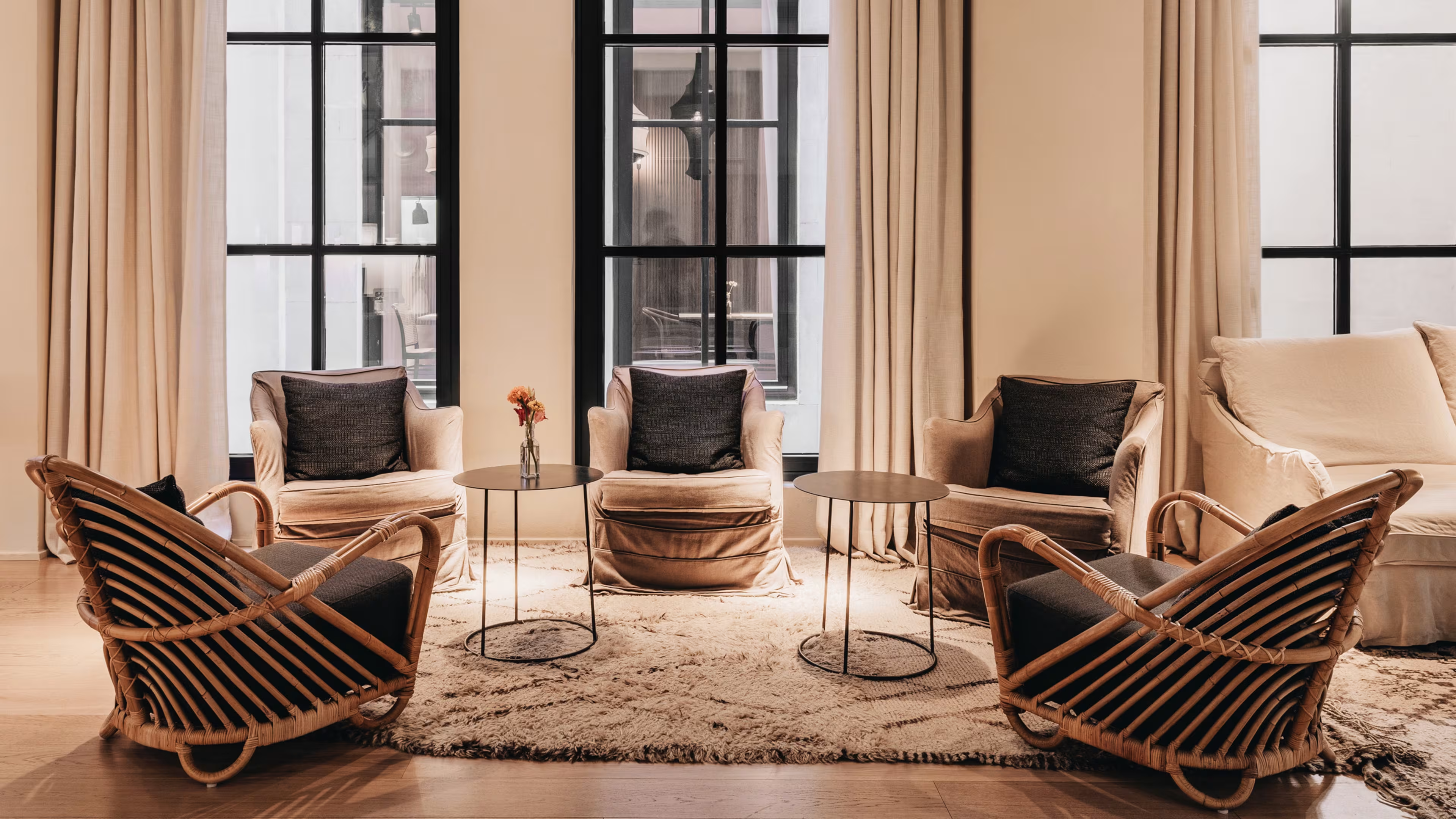
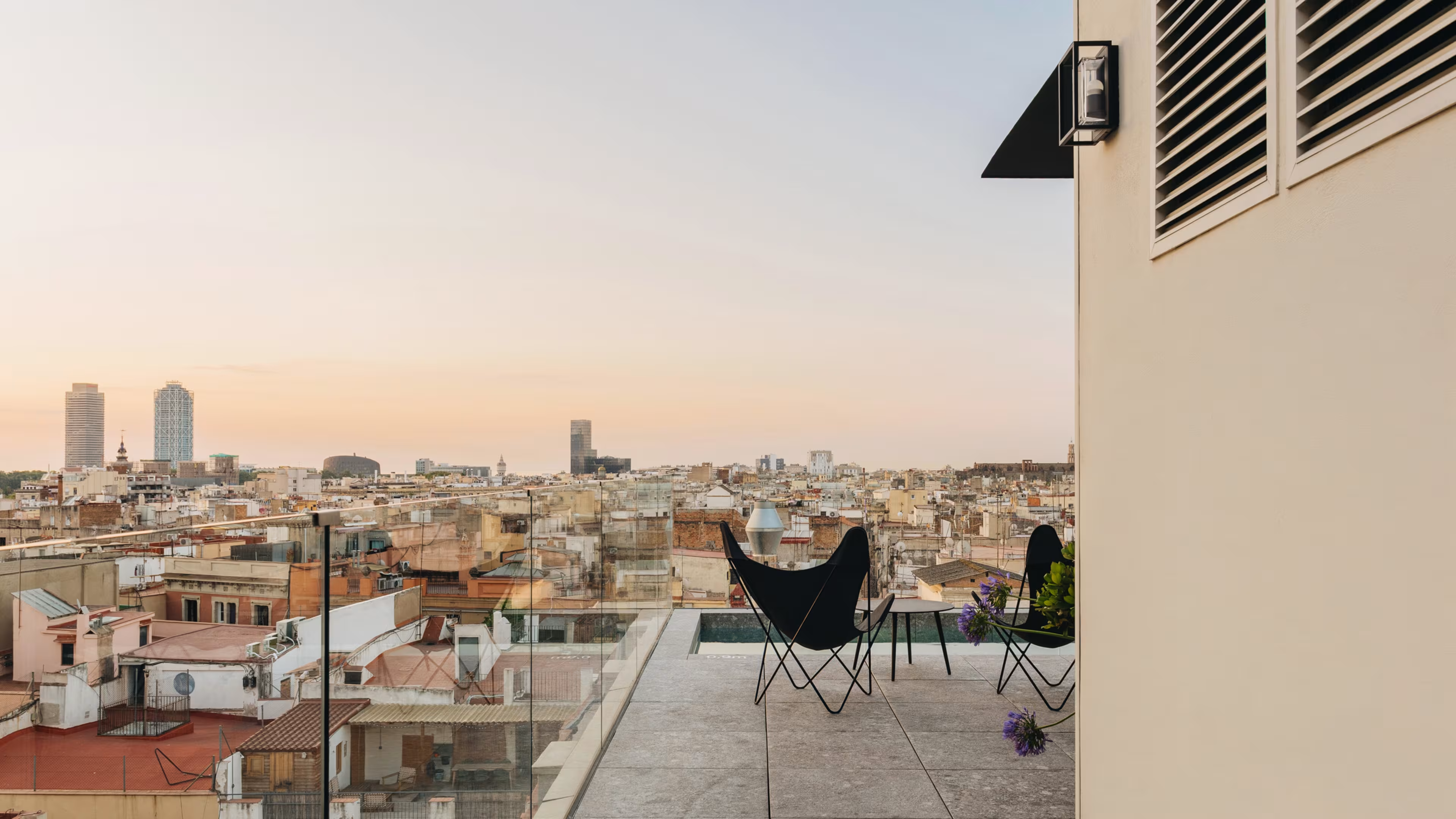
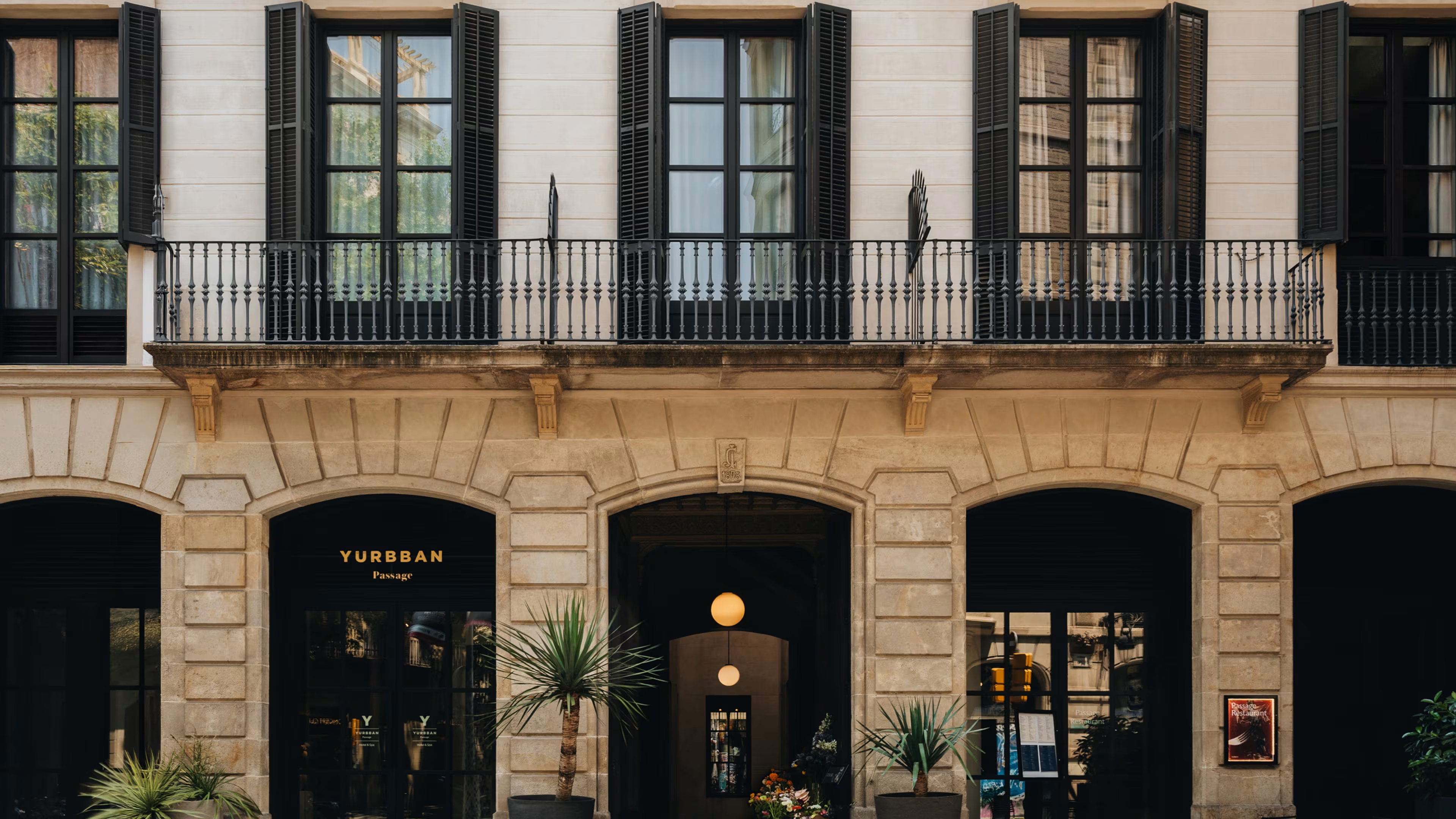
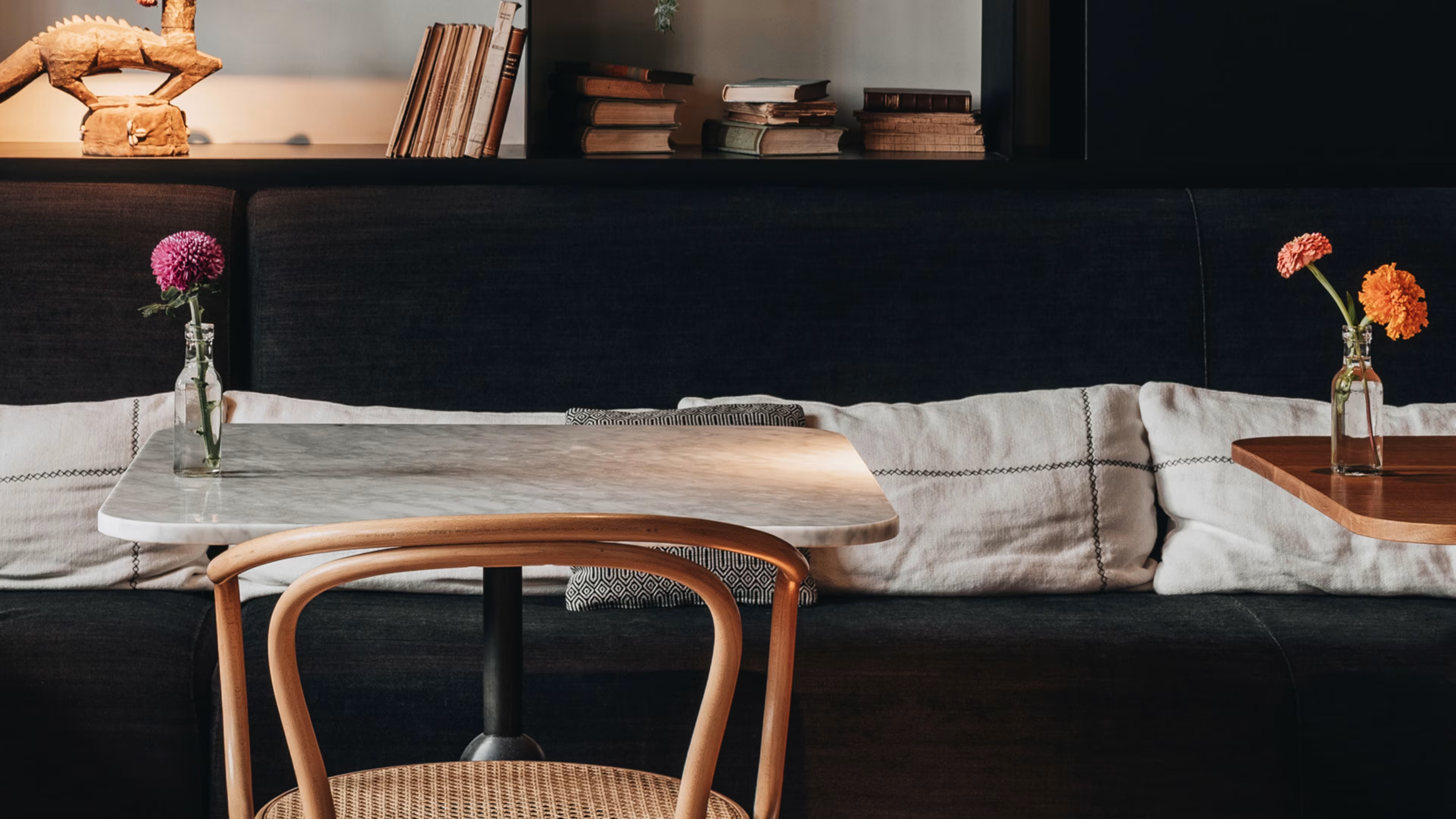
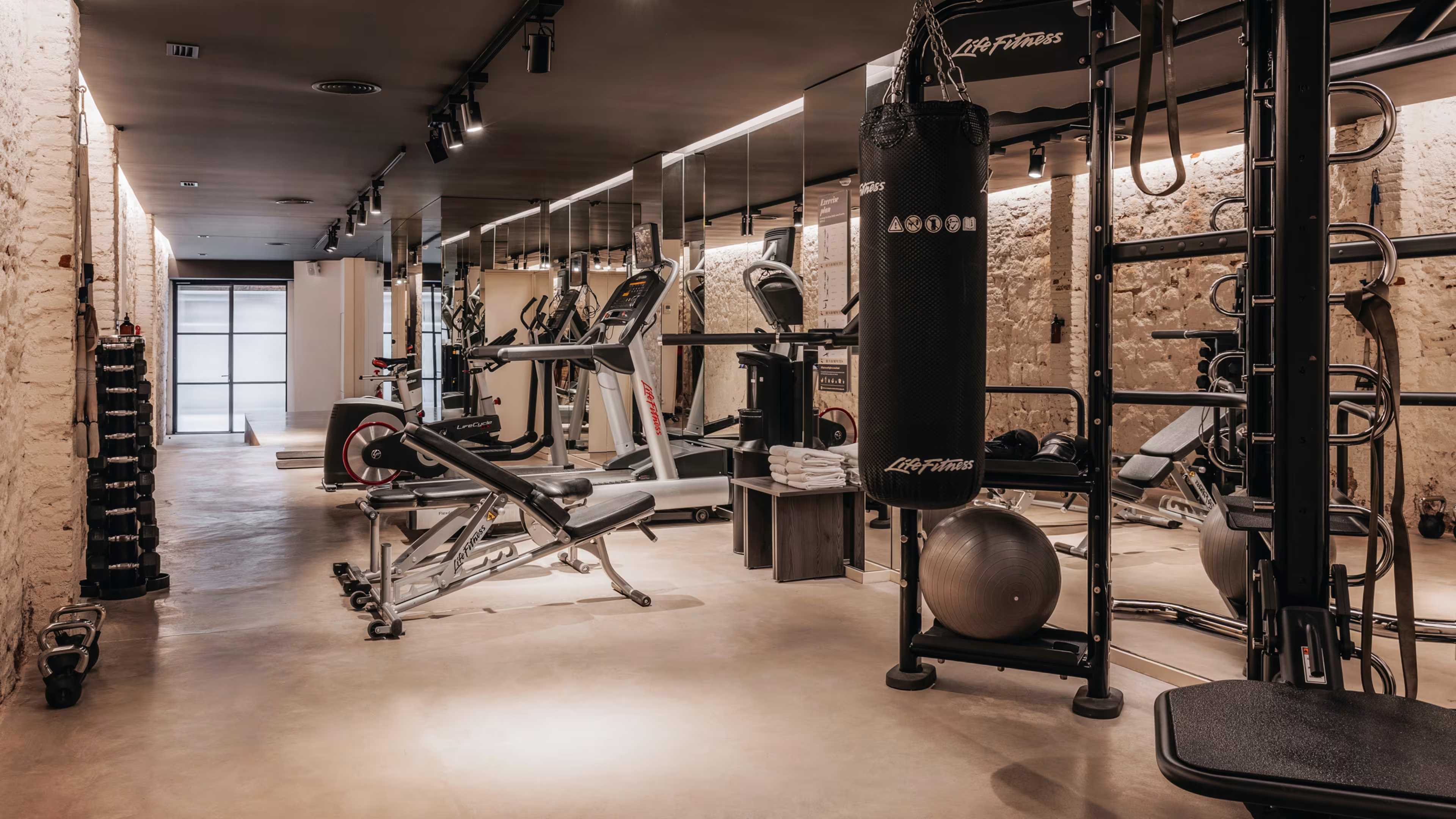
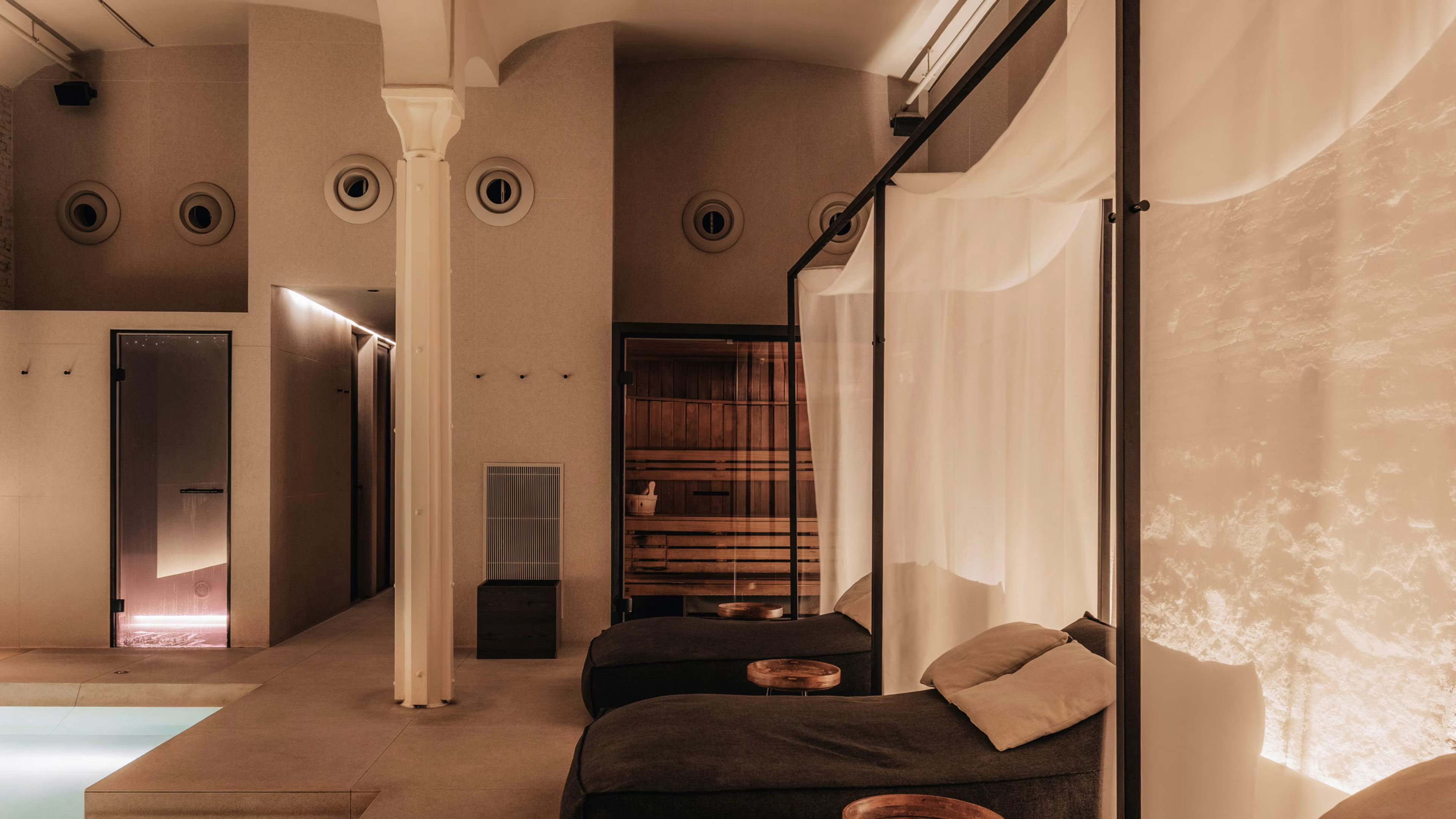
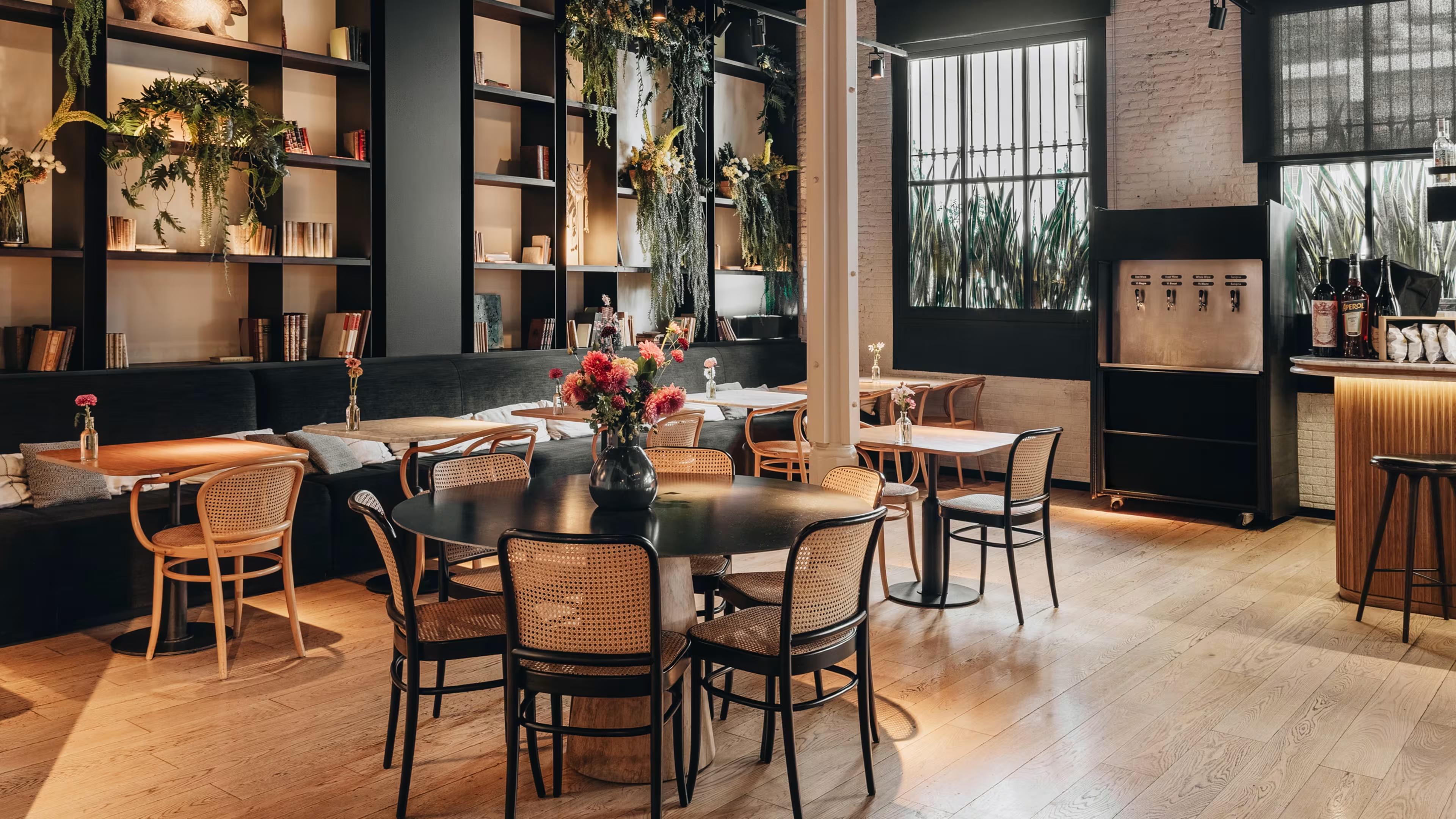
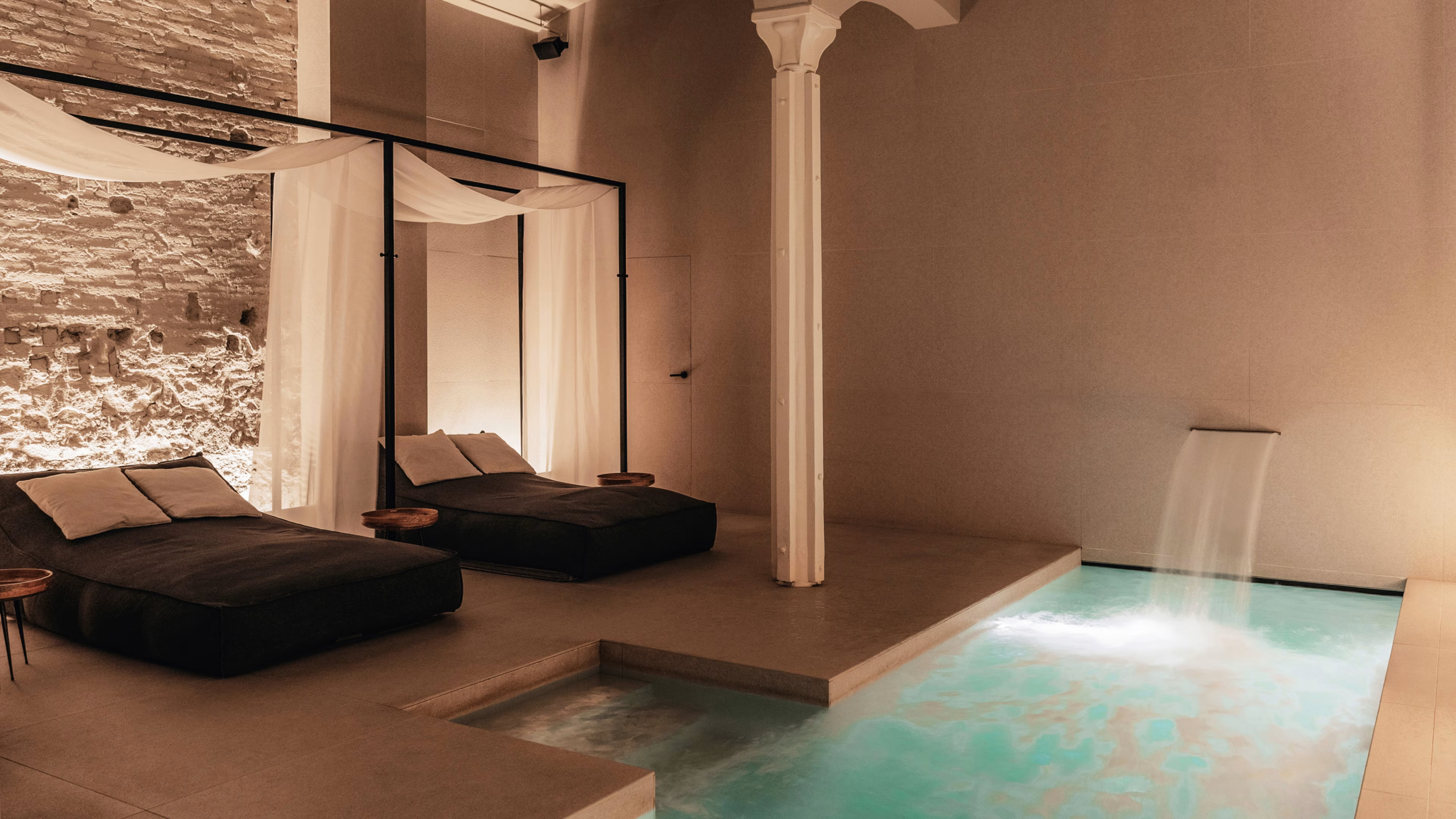
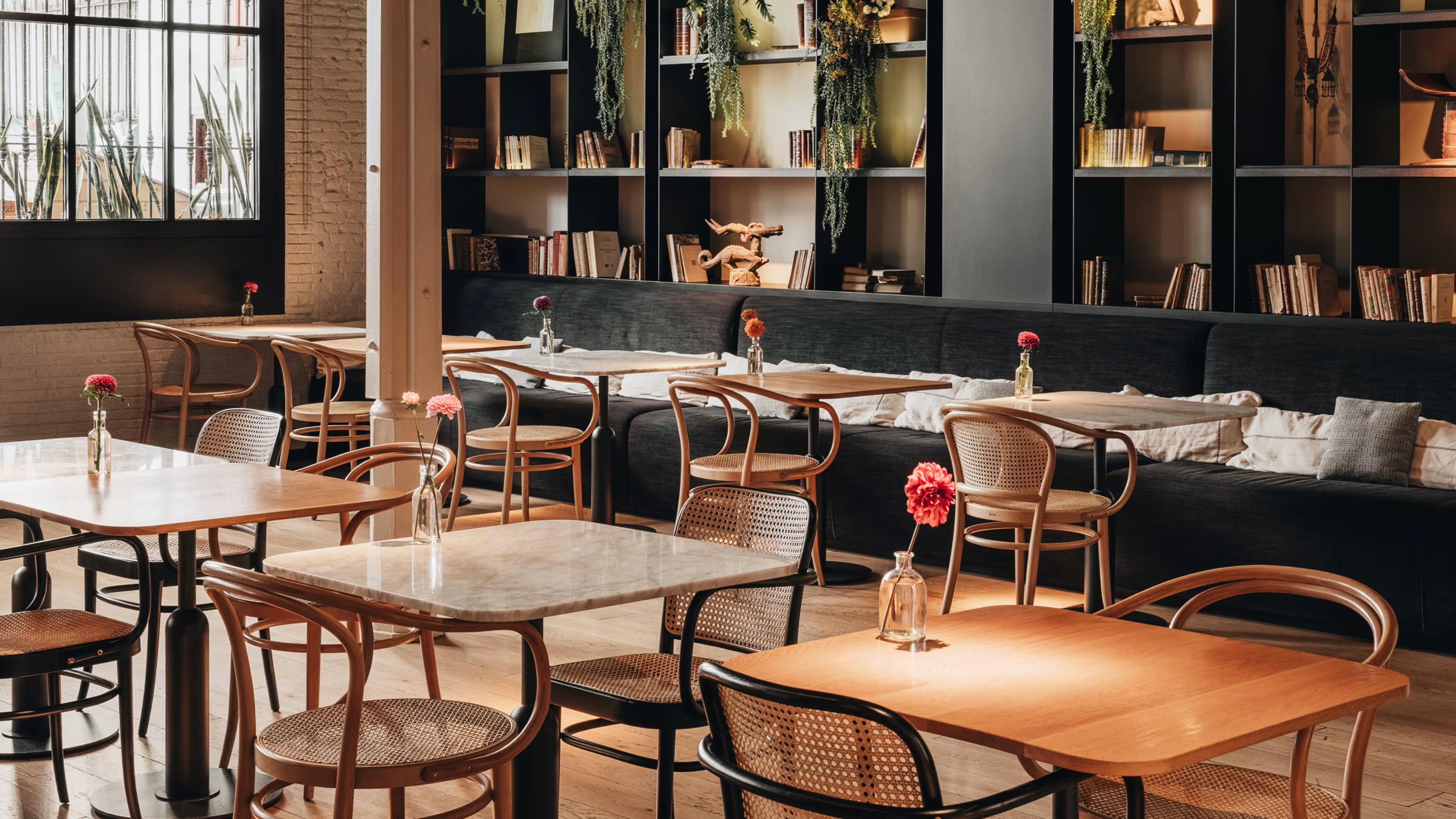
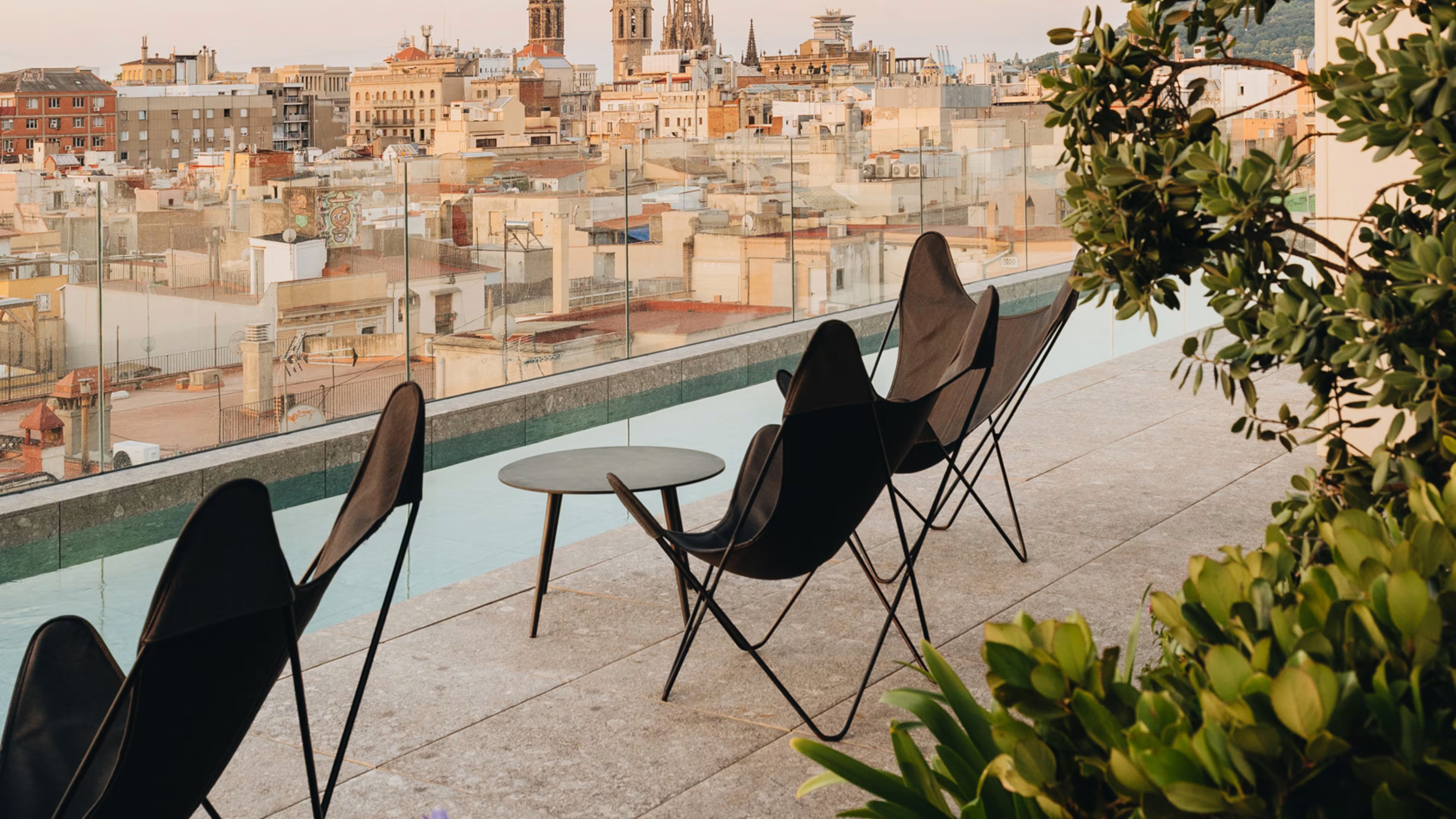
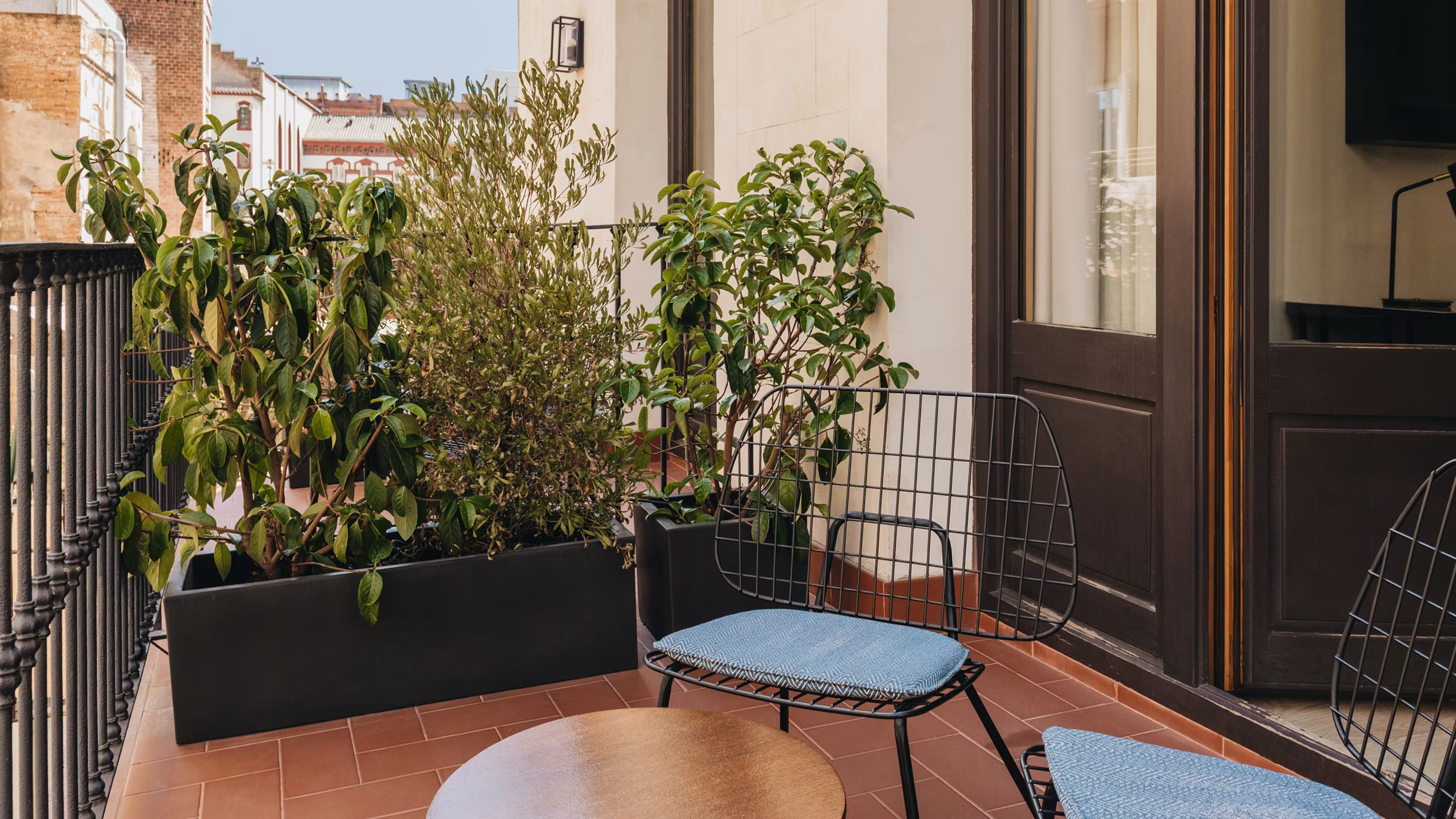
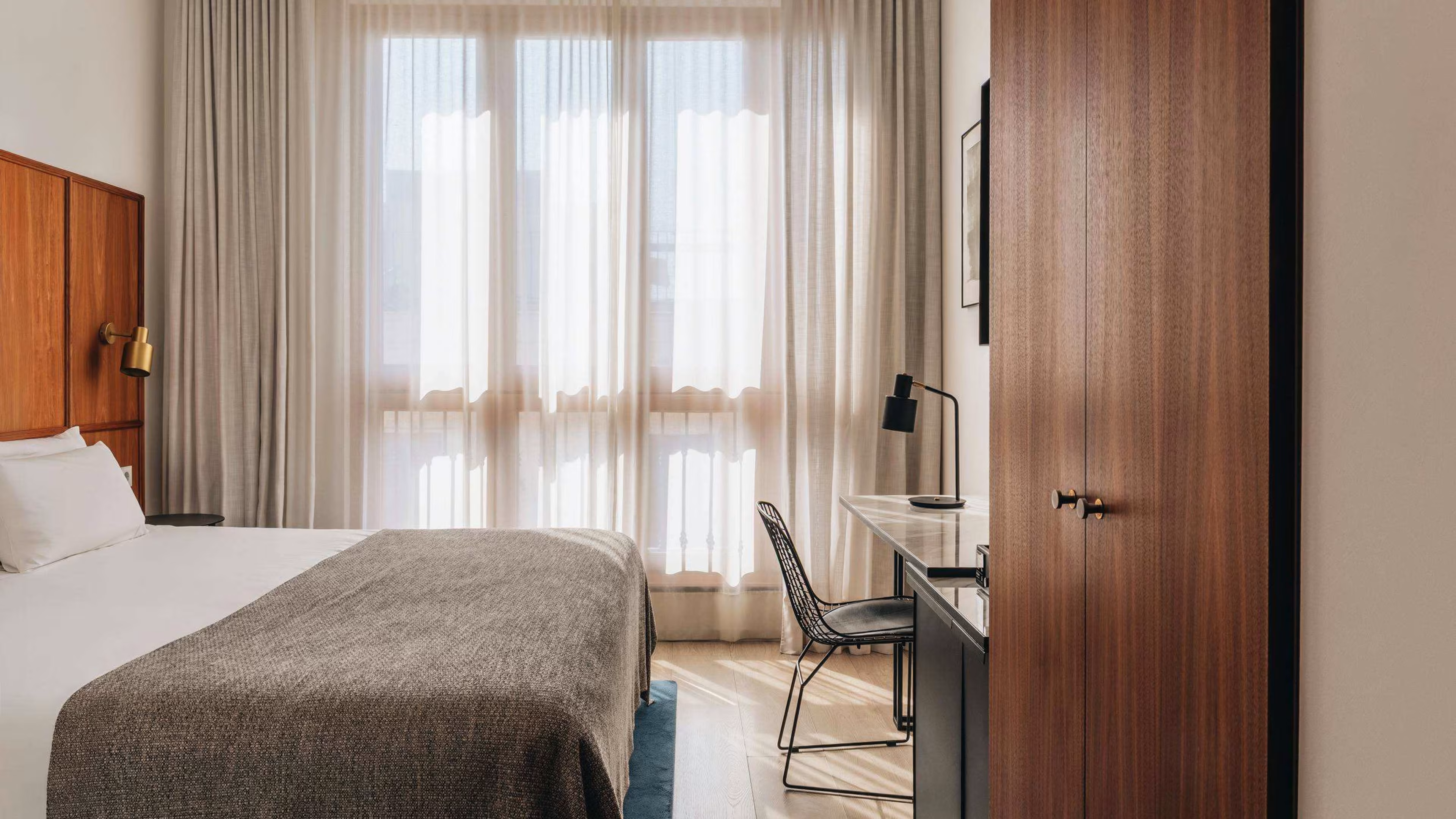
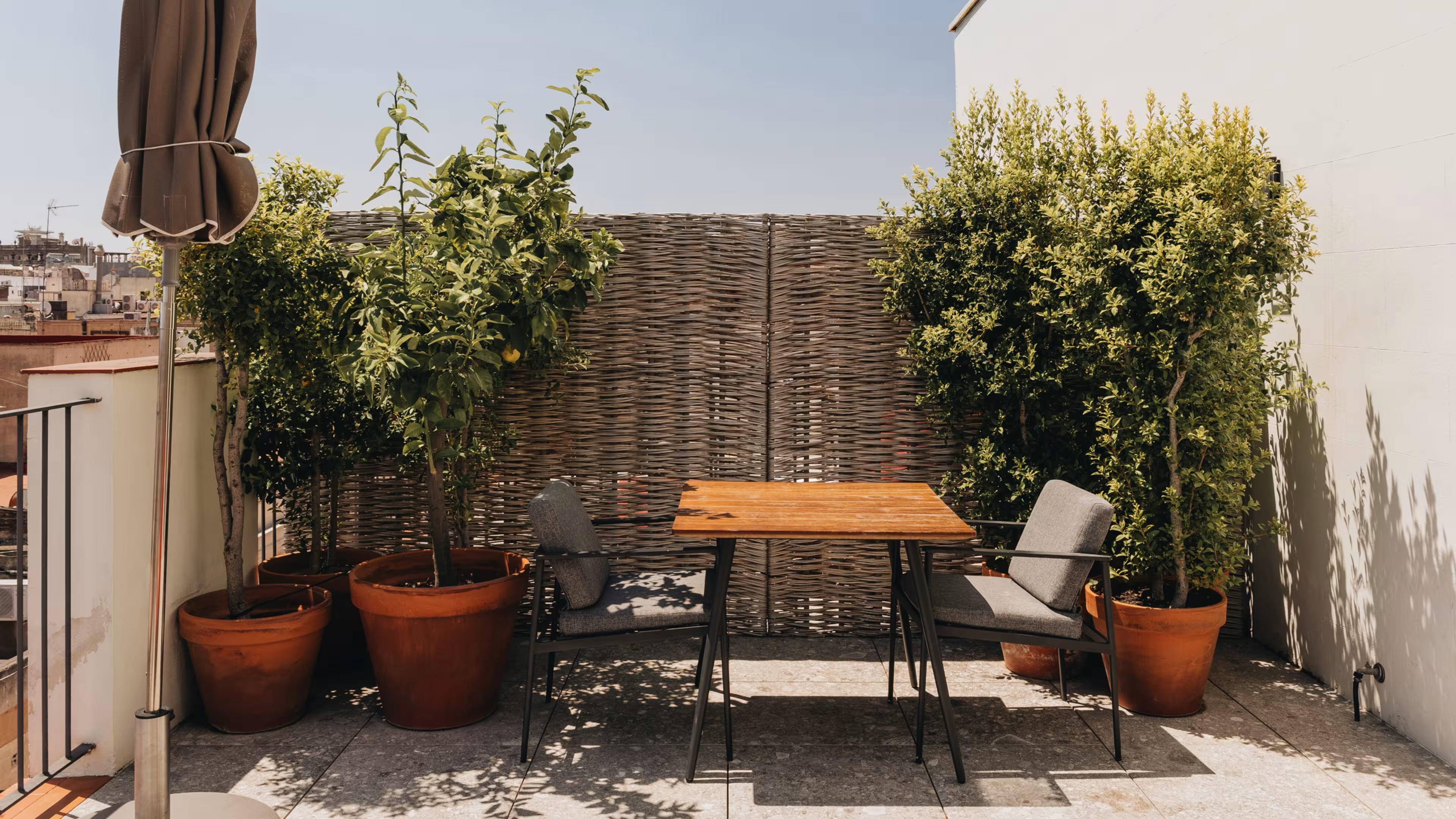
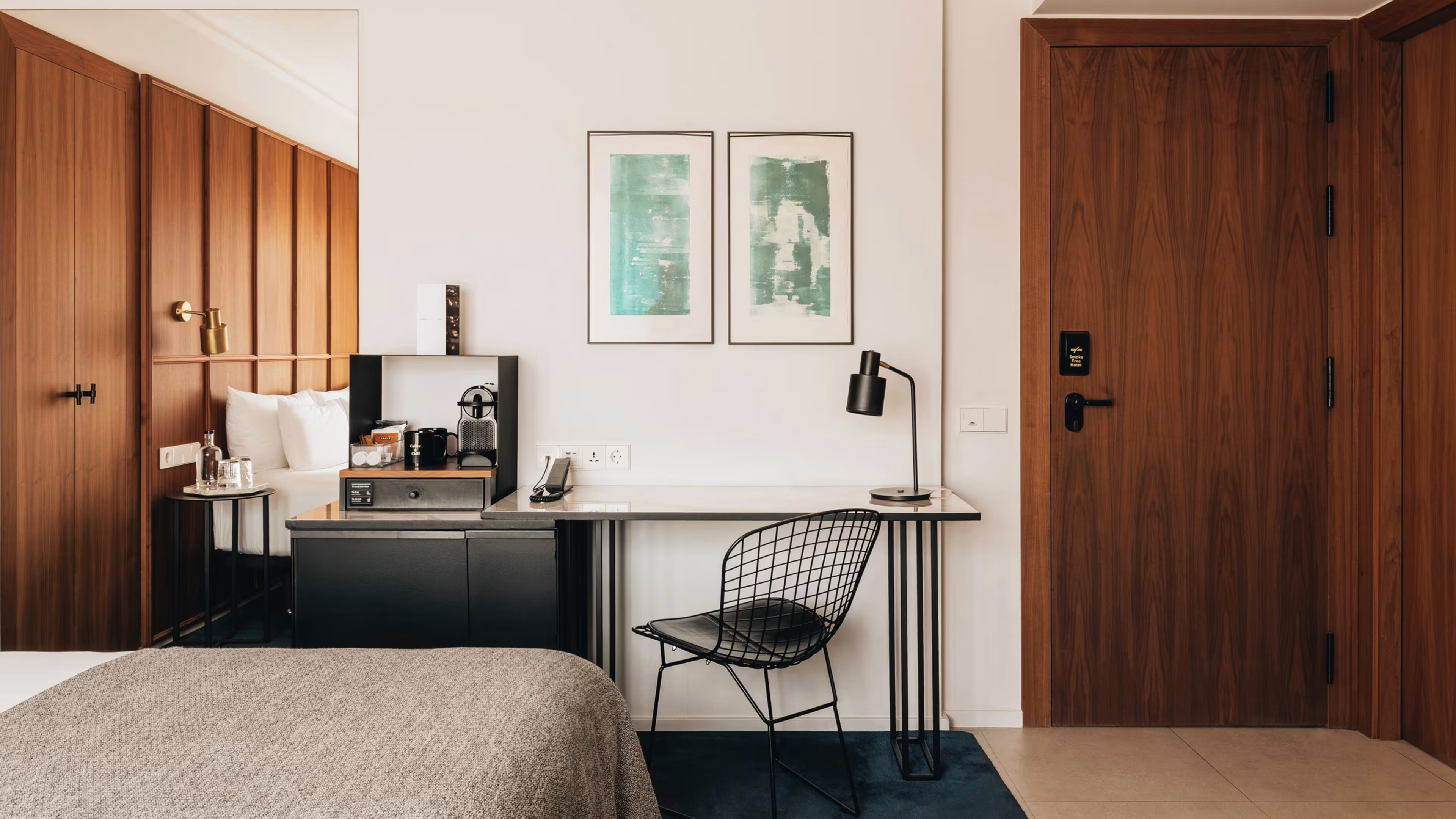
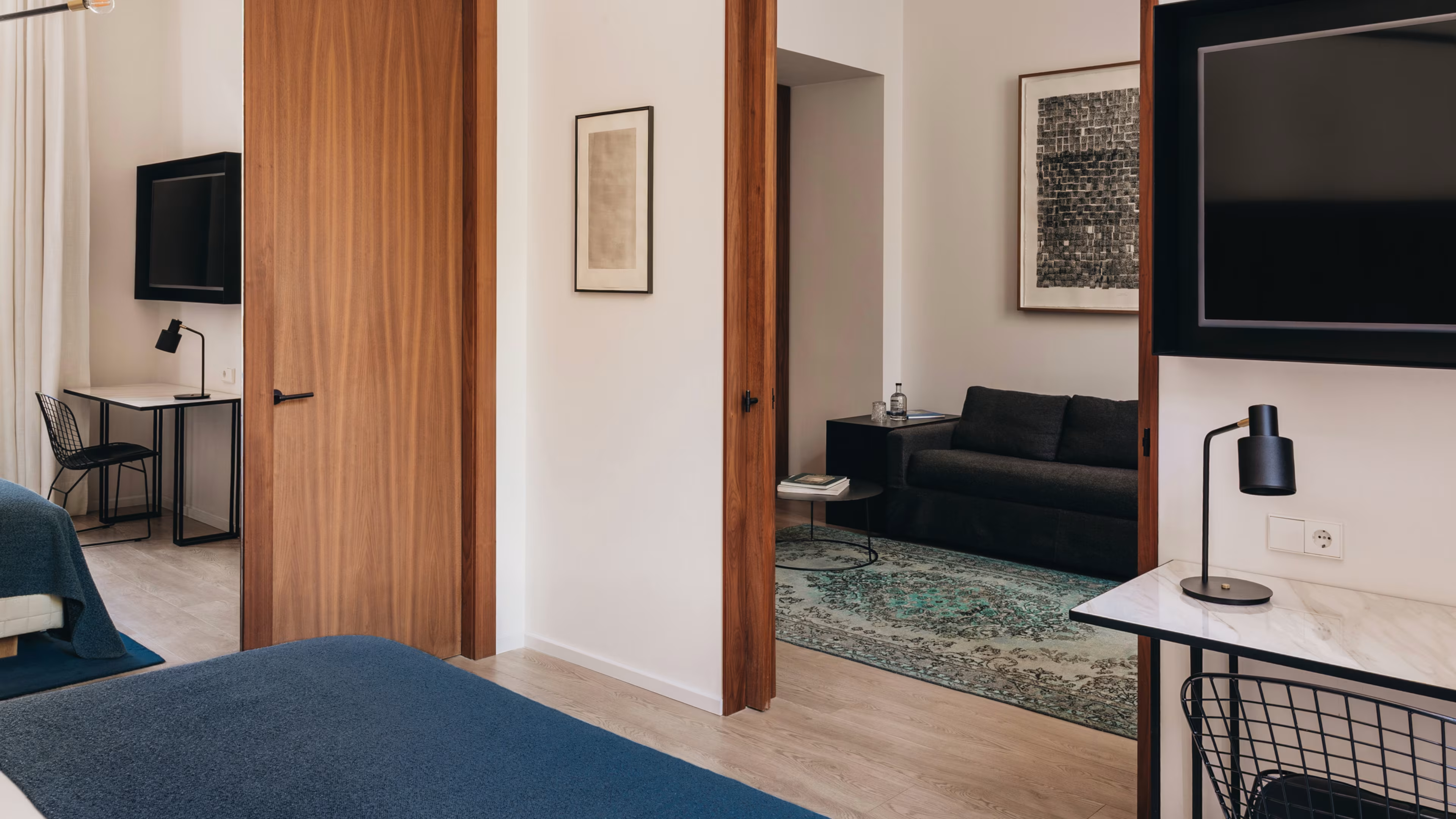
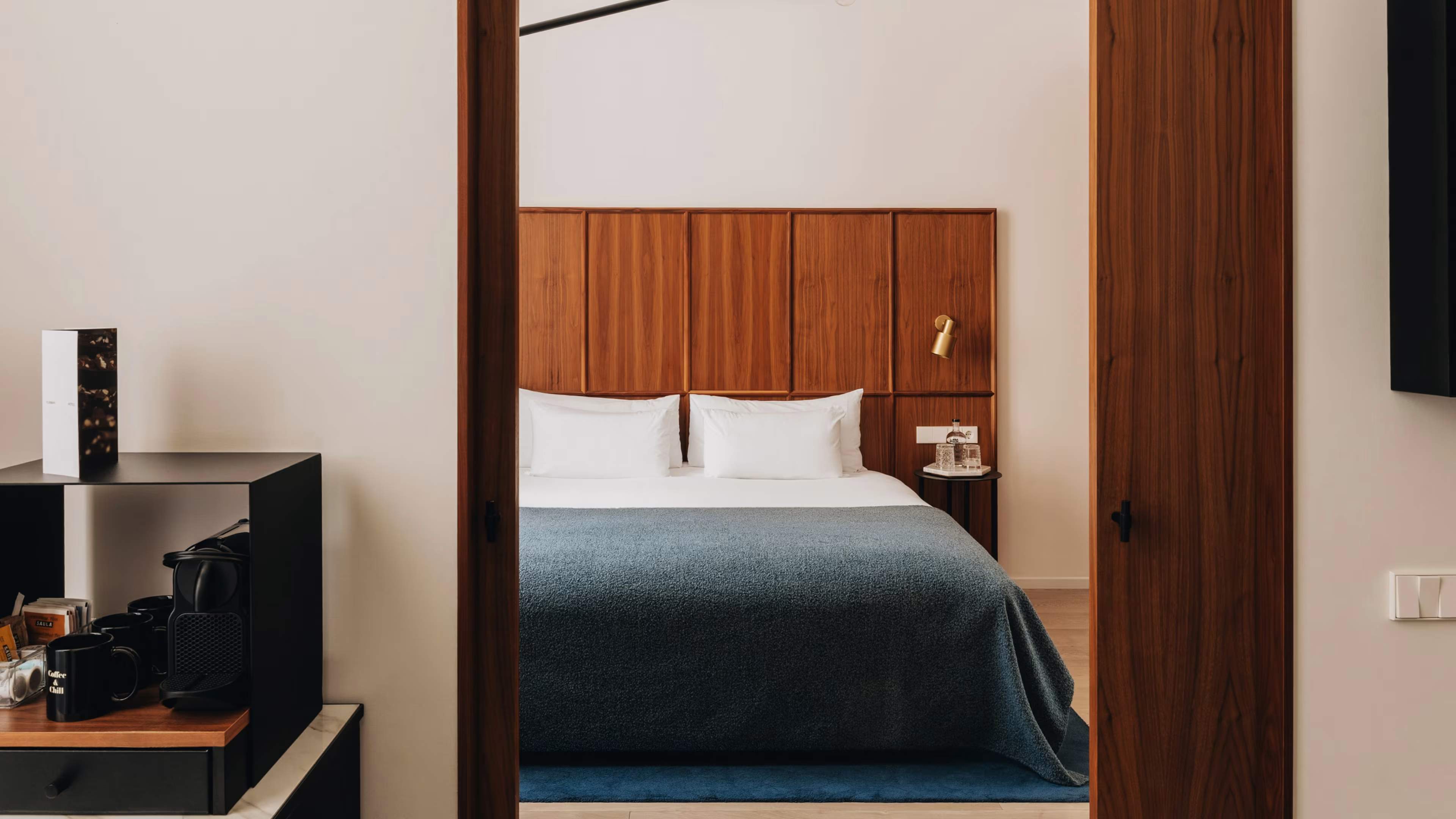
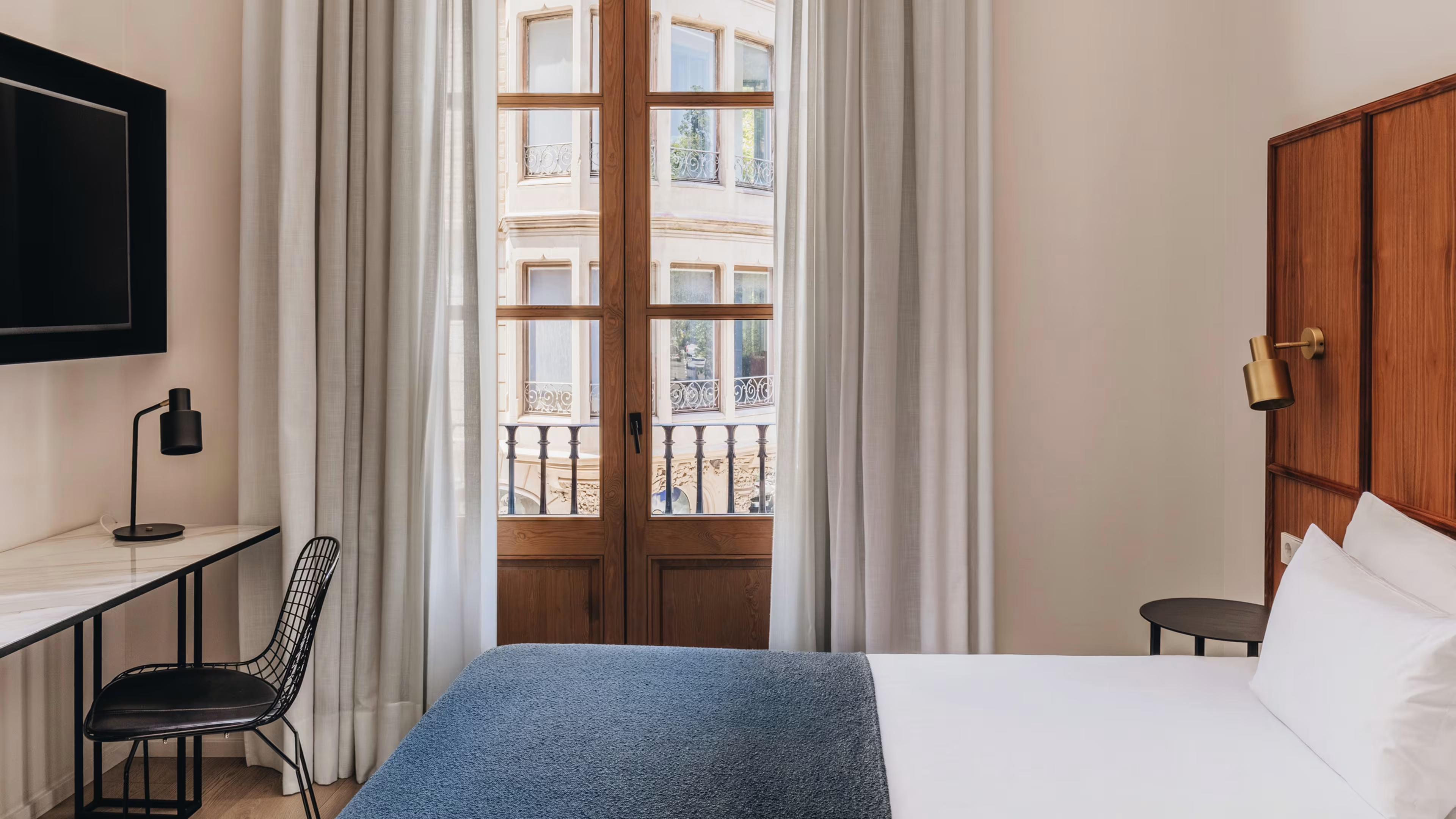
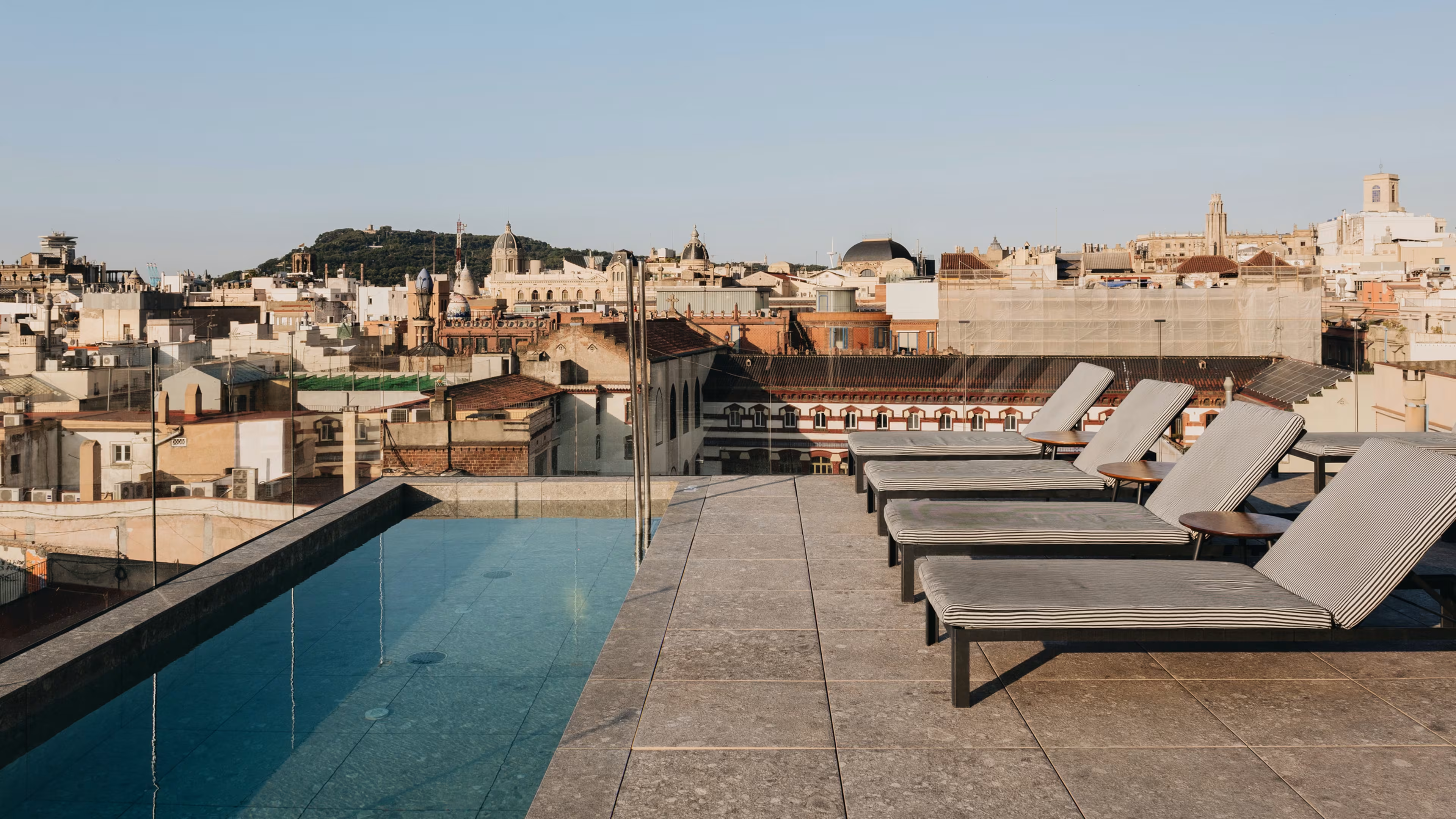
Located in Barcelona’s creative quarter, boutique hotel Yurbban Passage has the bones of a textile workshop, but the topcoat of a craftsman who’s conquered his trade. Iron window frames, brick walls and support columns attest to the building’s industrious beginnings, but the addition of a spa and roof terrace has transformed this old workhorse into a suavely-dressed sire. Nowadays, the hotel is resolutely committed to a life of leisure: lounging in the rooftop pool, you can count the silhouettes of church spires against the sunset. Once you're feeling suitably refreshed, you need only ride the lift back to the lobby, step outside, and you’ll find yourself back in the vibrant bustle.
Planes
Barcelona has a major international airport, which is 25 minutes from the hotel by car. The Smith24 team can arrange flights and transfers; call anytime, day or night.
Trains
Barcelona Sants is a major transport hub, connected to lines that traverse Spain and its Continental neighbours. The high-speed AVE service from Madrid takes two hours; from France, the TGV from Toulouse takes three hours. The station is 15 minutes from the hotel by car.
Automobiles
You don’t really need a car in Barcelona; the touristy areas can be reached on foot, and the Metro system has you covered when you want to venture further afield. If you do want to hire, however, the Smith24 team can arrange it.
Worth Getting Out of Bed For
Begin your sightseeing with a ramble along Las Ramblas, a wide, tree-lined boulevard that cuts right through the heart of the city. It’s often busy and touristy, but there are are hundreds of street performers, artists, stalls and cafés to keep things interesting (do keep an eye out for pickpockets, however). You can leave this artery at any time to wander the labyrinthine streets of the Gothic Quarter and El Born, both of which are teeming with architectural delights; highlights include the Catedral de Barcelona, the Basilica Santa Maria del Mar and the Plaça del Rai. The Museu Picasso, home to one of the largest collections of the artist’s works, is well worth a look, as is the Barcelona Museum for Contemporary Art. Combine all these attractions with the mediaeval proportions of the streets, however, and you do get inevitable crowds, particularly in summer. For a little breathing space, decamp to the Jardins de Mossèn Costa i Llobera, named after a prominent Spanish poet. Overlooking the port, these botanical gardens specialise in desert and tropical plantlife. The stars of the show are the cacti, of which there are 800 species to spot. For performances, you’ve got the Gran Teatre del Liceu, the city’s grand opera house, or the less formal Antic Teatre, housed in what was once a neoclassical palace. You don’t even need to see a show to enjoy the latter, as the courtyard comes alive at dusk when locals gather for drinks. But of course, there’s one important set of sights that almost overshadow all the rest: the buildings of Gaudí, whose name is bound up with Barcelona more than any other. Whether it’s the dragon-esque roof of the Casa Batlló or the lavish ornamentation of the Sagrada Família, these masterpieces of Catalan modernism don’t disappoint.